Perlite Making Production Line Manufacturer & Factory

Industrial-Grade Thermal Insulation & Lightweight Aggregate Machinery Engineered for High Expansion Efficiency, Operational Reliability, and Low Energy Consumption

Featured Building Material & Processing Equipment Matrix

Turnkey heavy industrial solutions engineered for maximum material recovery, yield precision, and energy efficiency.
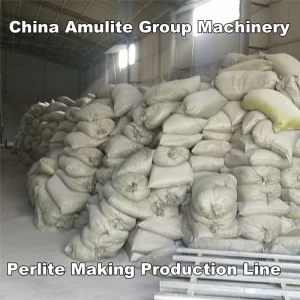
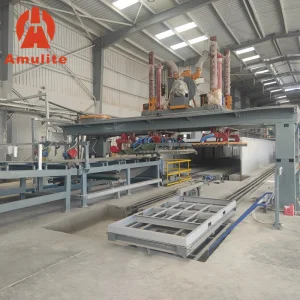
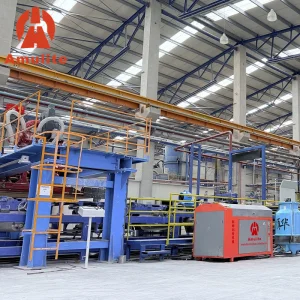
Buy Perlite Production Line Manufacturers, Company
View Product Details →
China Non-Asbestos/Asbestos Cement Corrugated Roof Sheets Production Line Company, Product
View Product Details →
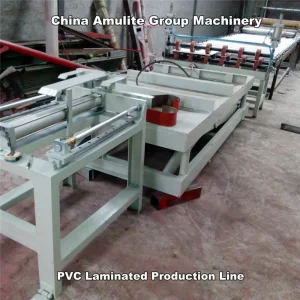
China PVC Laminated Production Line Factories, Products
View Product Details →
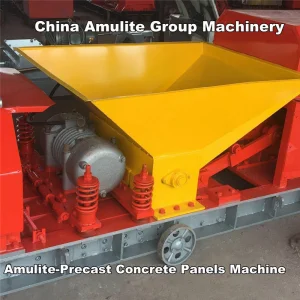
Best Precast Concrete Products Machinery Manufacturers, Products
View Product Details →
OEM 1300 II Type Automatic Four Side Edge Cutting Machine Factory, Companies
View Product Details →
Best Flexible Clay Ceramic Tile Production Line Manufacturer, Companies
View Product Details →
China Fiber Cement Board /Calcium Silicate Board Production Line Factory, Companies
View Product Details →
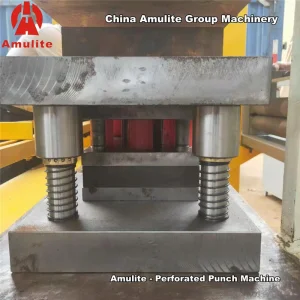
High-Quality Amulite Perforated Punch Machine System Technical Data Manufacturer, Suppliers
View Product Details →

1. Industrial Executive Summary: Thermal Dynamics & Perlite Expansion Physics

Expanded perlite has emerged as an indispensable non-metallic mineral aggregate globally, driven by stringent energy efficiency directives, fire safety mandates, and sustainable construction frameworks. Operating a continuous, industrial-scale Perlite Making Production Line requires a precise mastery of thermodynamics, grain classification, heat exchange efficiency, and particulate collection systems.

Core Engineering Insight: Perlite raw ore contains between 2% and 5% combined structural water trapped within its volcanic glass matrix. When instantly subjected to expansion temperatures inside a vertical thermal furnace (ranging from 850°C to 1100°C / 1560°F to 2012°F), this combined water vaporizes explosively. The steam expands the softened glass particles up to 4 to 20 times their original volume, generating a micro-cellular structure with exceptionally low thermal conductivity ($\lambda \le 0.045 \text{ W/m}\cdot\text{K}$) and dry bulk density ($40 - 120 \text{ kg/m}^3$).

As a leading China-based OEM manufacturer and turnkey engineering plant, our industrial production lines solve the historic trade-offs in perlite processing: high thermal energy loss, non-uniform expansion yield, micro-fine dust emissions, and crushing breakdown during pneumatics. By integrating state-of-the-art preheating rotary systems, vertical expansion furnaces with multi-stage gas combustion, optimized cyclone separators, and intelligent PLC-driven volumetric dosing, we empower global manufacturers to achieve maximum material throughput with minimal fuel consumption.

20x
Max Volumetric Expansion Ratio
<35 Nm³
Natural Gas Consumption per Ton
99.8%
Baghouse Dust Collection Efficiency
>30 yrs
Refractory Core Furnace Lifespan

2. Engineering Architecture of a Turnkey Perlite Production Plant

A fully integrated Perlite Making Production Line requires seamless integration across raw ore sizing, pre-drying, high-temperature calcination, product cooling, density sorting, and automated packaging.

A. Ore Preheating & Moisture Removal System

Raw perlite ore (0.15–1.2mm or customized gradings) carries variable surface moisture. Our automated rotary preheater uses counter-flow waste heat harvested directly from the expansion furnace flue gases. Reducing surface moisture to below 0.5% prevents thermal shock fracturing, guaranteeing uniform particle expansion inside the primary furnace.

B. Vertical Expansion Furnace (Core Reactor)

Featuring a multi-zone refractory lining with lightweight alumina-insulation bricks, our vertical furnace ensures zero cold-spots. Equipped with low-NOx high-velocity gas burners or heavy oil/coal powder injectors, temperature fields are maintained within a strict ±5°C margin via automated PID loop controllers.

C. Multi-Stage Cyclone Separator & Air Classifier

Because expanded perlite particles possess different bulk densities depending on original particle size, our dual-stage pneumatic cyclone system separates ultra-light horticultural grade, construction insulation grade, and cryogenic grade perlite inline without manual intervention.

D. Pulse-Jet Dust Extraction & Eco-Baghouse

Environmental compliance is engineered into the design. High-temperature resistant Nomex filter media capture sub-micron airborne dust, returning clean exhaust gas to the atmosphere (<10 mg/Nm³ emission concentration), fulfilling strict EU and North American air quality regulations.

System Module Technical Parameters Standard Configuration Engineering Innovation
Preheating Dryer Capacity: 1.5 – 10 Tons/hr; Temp: 120°C – 200°C Rotary Drum with Internal Lifters Waste-heat recovery ducting reduces overall fuel consumption by 18-22%.
Vertical Furnace Burner Temp: 850°C – 1150°C; Fuel: NG, LPG, Diesel High-Alumina Seamless Refractory Core Intelligent draft pressure balancing prevents interior ore build-up and vitrification.
Pneumatic Transport Air Speed: 12 – 18 m/s; Density Range: 40–180 kg/m³ Low-Friction Bends & Ceramic Liners Minimizes mechanical degradation and breakdown of expanded perlite cell walls.
PLC Controls Siemens S7-1500 / Schneider Modicon PLC 15-inch Industrial Touch Interface + SCADA Real-time thermal tracking, automated fuel-air ratio regulation, & predictive maintenance alerts.

3. Strategic Advantages of Partnering with a Premier China Manufacturer & Factory

Choosing the right equipment supplier determines the total cost of ownership (TCO) and operational profitability for the next 20 to 30 years. Manufacturing industrial plant equipment in China offers unmatched structural and technological advantages when aligned with international engineering standards.

Complete Industrial Supply Chain Synergy

Located in China's heavy industrial manufacturing heartland, our factory leverages a fully integrated supply chain—from high-grade heat-resistant alloy steel (SUS310S/SUS316L) to precision CNC machining centers. This proximity drops procurement lead times by 40% compared to European equipment makers.

Uncompromised Quality & International Certifications

Every Perlite Production Line manufactured in our facility undergoes rigorous Quality Assurance protocols. We adhere strictly to ISO9001 quality management, CE electrical compliance, and ASME pressure vessel welding standards, ensuring frictionless installation and permitting in any global jurisdiction.

Substantial CAPEX Optimization

By leveraging highly skilled engineering labor, efficient internal fabrication workflows, and lean production management, our machinery yields a 35%–50% reduction in total capital expenditure (CAPEX) without sacrificing structural durability, component quality, or process automation capabilities.

4. Macro Industry Trends & Global Sustainability Transformation

The expanded perlite market is undergoing rapid evolution driven by international net-zero building directives, sustainable agricultural practices, and expanding industrial cryogenic storage needs.

Decarbonization of Building Thermal Envelopes

Global building codes increasingly restrict synthetic polymer insulations (such as EPS, XPS, and PUR) due to flammability and toxic smoke emissions. Expanded perlite offers a 100% inorganic, Class A1 fire-rated alternative that emits zero volatile organic compounds (VOCs). Modern factories are integrating perlite lines directly into lightweight concrete panel and thermal mortar production facilities.

Cryogenic Clean Energy Infrastructure Expansion

The global surge in Liquefied Natural Gas (LNG) transport, liquid hydrogen storage, and industrial oxygen processing has created record demand for specialized ultra-lightweight, hydrophobic expanded perlite. Our production lines feature custom silicone-coating injection modules that spray water-repellent agents during the expansion phase, producing dust-free, non-hygroscopic insulation for cold boxes and cryogenic storage tanks.

Precision Agriculture & Horticultural Substrates

As drought conditions and soil degradation impact global agriculture, hydroponics and controlled-environment agriculture (CEA) rely on expanded perlite for root aeration, water retention, and neutral pH balance. Our machinery allows producers to tailor particle expansion curves to yield high-strength coarse horticultural grades with minimal fines fraction.

5. Localized Application Scenarios & Customized Material Formulations

Raw perlite deposits vary significantly across different global geological regions—from Turkey, Greece, and China to the USA and Mexico. A resilient production line must adapt its thermal and air classifier settings to match specific regional ore chemistry and market demand.

Scenario A: Fireproof Ceiling Board & Door Core Manufacturing

In North America and Europe, expanded perlite is combined with binder formulations, mineral wool, and paper pulp to fabricate acoustic ceiling tiles and fireproof door cores. Equipment configuration emphasizes fine-to-medium expansion density control ($65–85 \text{ kg/m}^3$) with high crush strength.

Scenario B: High-Rise External Thermal Insulation Systems (ETICS)

In Eastern Europe, Asia, and the Middle East, perlite-based lightweight plaster and dry-mix mortars are applied directly to masonry exteriors. Our machinery integrates inline dry-powder blending units and automated valve baggers to supply market-ready mortar products directly from expanded raw stock.

Scenario C: High-Purity Filtration Media (Food & Pharma Grade)

Perlite filter aid is widely utilized for filtering sugar syrups, beer, wine, pharmaceuticals, and industrial chemicals. Production requires an integrated secondary milling, air classification, and strict sanitary processing module to guarantee precise particle porosity without heavy metal contamination.

6. Turnkey EPC Roadmap: From Raw Ore Testing to Plant Commissioning

Investing in an industrial perlite manufacturing plant is a structured multi-stage capital project. We provide end-to-end Engineering, Procurement, and Construction (EPC) guidance to eliminate project risk and ensure rapid ramp-up to commercial production.

Phase 1: Geological Ore Analysis & Bench Testing

Clients send raw perlite ore samples to our laboratory. We perform petrographic analysis, differential thermal analysis (DTA), and expansion bench testing to determine optimal expansion temperatures, residence times, and yield densities before final equipment engineering.

Phase 2: Custom Engineering & Plant 3D Layout

Our engineering team designs tailored 3D BIM models incorporating factory floor space, ceiling clearance, gas pipeline routing, power connections, raw material storage hoppers, and finished product warehousing paths.

Phase 3: Precision Manufacturing & Factory Acceptance (FAT)

Equipment modules are fabricated under ISO9001 supervision. Prior to dispatch, complete dry-run testing and electrical control loop simulation (FAT) are executed at our factory, complete with video streaming or client physical presence verification.

Phase 4: Site Erection, SAT & Full Operational Training

Senior field engineers manage mechanical installation, electrical wiring, burner tuning, and Commissioning (SAT). We train your local operators in maintenance, thermal safety, and quality testing until target output parameters are consistently met.

7. Expert FAQ: Technical Answers for Plant Engineers & Global Investors

Detailed technical responses to the most critical operational and financial questions encountered during perlite plant evaluation.

Q1: What thermal fuels are compatible with your vertical perlite expansion furnaces?
Our vertical expansion furnaces can be engineered for multiple fuel options, including Natural Gas (NG), Liquefied Petroleum Gas (LPG), Diesel oil, and pulverized coal/biomass powder. Natural gas is highly recommended for applications requiring high purity and low carbon footprint (such as cryogenic insulation or filter aids), as it provides clean combustion and precise temperature control via PID modulating gas valves.
Q2: How does your line control product density variance during continuous operations?
Product density is governed by furnace temperature, ore feed speed, and vertical air velocity draft within the burner column. Our production lines feature an automated differential pressure feedback system tied directly to variable frequency drives (VFDs) on the draft fan and screw feeder. If raw ore particle size fluctuates slightly, the PLC dynamically adjusts burner thermal output and air velocity to hold dry bulk density within a tight ±3 kg/m³ tolerance window.
Q3: What is the typical lifespan of the furnace refractory lining and critical wear parts?
Our furnace cores use ultra-high purity alumina refractory linings designed to withstand continuous operating temperatures up to 1350°C. Under normal maintenance and proper preheating protocols, the main refractory lining yields an operational lifespan exceeding 8 to 10 years. High-wear mechanical areas, such as pneumatic transport elbow bends, are reinforced with replaceable alumina ceramic liners to eliminate abrasive particle wear.
Q4: How do you prevent crushing and destruction of expanded perlite during packaging?
Expanded perlite cell walls are fragile and susceptible to crushing if subjected to high-shear mechanical conveying. Our plants employ low-velocity, negative-pressure pneumatic conveying systems designed with large-radius ceramic-lined elbows. For packaging, we offer volumetric auger fillers and gentle valve-bag packing machines configured with low-pressure air fluidization to maintain cell structure integrity and specified bulk volume.
Q5: Can hydrophobic silicon treatment be applied directly inside the production line?
Yes. We offer an integrated online silicone coating unit. As expanded perlite emerges from the furnace expansion zone while still retaining thermal residual energy (around 150°C - 200°C), an atomized silicone emulsion spray is injected into the cooling cyclone stream. The thermal heat instantly cures the silicone around each expanded particle, creating a permanent hydrophobic coating without requiring secondary heating or drying stages.
Q6: What is the standard electrical power demand and gas consumption per unit output?
For a standard 3 to 5 cubic meters per hour expanded perlite output line, total electrical connected power is approximately 45 kW to 65 kW (utilizing energy-efficient IE3/IE4 motors). Natural gas consumption ranges from 28 to 35 Nm³ per ton of raw ore processed, depending heavily on the effectiveness of the raw ore preheating phase and raw material moisture content.
Q7: How does your baghouse dust collector ensure environmental compliance in urban zones?
Our eco-friendly pulse-jet fabric baghouse collectors utilize high-temperature Nomex membrane filter bags with a surface filtration efficiency rating exceeding 99.8%. The system maintains stack particulate emissions below 10 mg/Nm³, fully satisfying stringent EPA, EU Clean Air Act, and Middle Eastern environmental mandates. Dust collected from the baghouse is automatically recycled into fine dry-mix mortar formulations.
Q8: What is the lead time for equipment manufacturing, shipping, and installation?
Standard equipment fabrication lead time is 60 to 90 days from engineering design freeze and deposit receipt. Shipping typically takes 20 to 45 days depending on destination port. On-site civil inspection, mechanical erection, electrical wiring, burner commissioning, and operational staff training require approximately 25 to 40 days on site, managed directly by our dedicated field commissioning engineering team.

Complementary Building Material Machinery & Systems

Explore our broader spectrum of board manufacturing, composite insulation, and industrial recycling plant machinery.
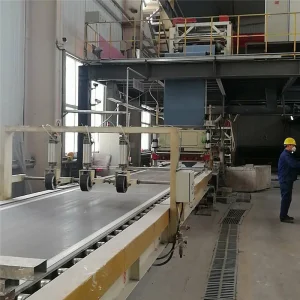
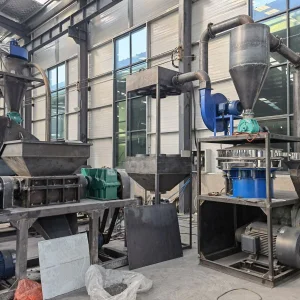
China Gypsum Board Production Line Supplier, Factories
View Product Details →
OEM Lithium Battery Recycling Equipment Factory, Company
View Product Details →
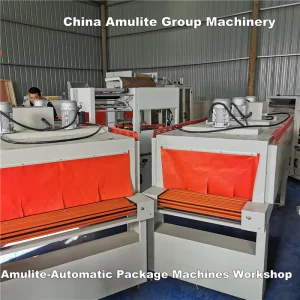
Famous Automatic Package Machines Workshop Factory, Company
View Product Details →
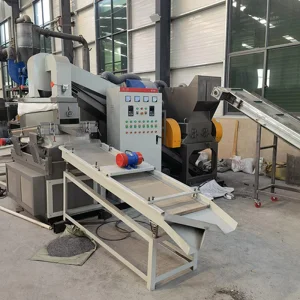
Buy Copper Wire Recycling Machine Companies, Products
View Product Details →
High-Quality Embossed Metal Composite Exterior Panels Production Line Manufacturers, Company
View Product Details →
OEM Amulite CO2 XPS Foam Board Production Line Factory, Factories
View Product Details →
OEM UV Coating/Painting Production Line Manufacturer, Factories
View Product Details →
Best XPS Insulation Tile Backer Production Line Supplier, Companies
View Product Details →
All Perlite Making Production Line Products