Next-Generation Turnkey Industrial Processing Engineering, High-Efficiency Calcination Technologies, and Global Sustainable Building Material Manufacturing Solutions
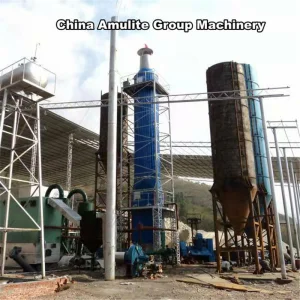
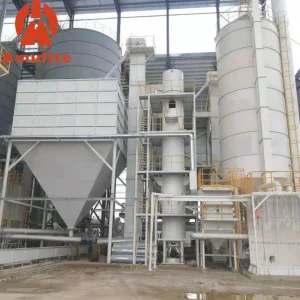
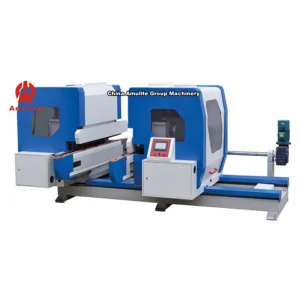
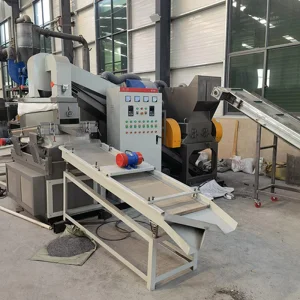
Explore our core engineering products and automated production lines designed for high-yield building material manufacturing.
A comprehensive analysis of the macroeconomic drivers, raw material transitions, and technological demands shaping gypsum powder production worldwide.
Historically, natural dihydrate gypsum (CaSO4·2H2O) extracted from underground deposits dominated market feedstocks. However, stringent environmental mandates and circular economy initiatives have accelerated the adoption of Flue Gas Desulfurization (FGD) Gypsum and Phosphogypsum. Industrial processing equipment must now handle moisture contents varying from 0.5% in natural rock to over 12% in chemical byproduct cakes, requiring sophisticated flash drying and fluidization technologies prior to calcination.
In North America and Western Europe, plant modernizations focus on decarbonization, heat integration, and closed-loop dust recycling. Conversely, rapid urban expansion across Southeast Asia, the Middle East, and Latin America drives heavy greenfield capital expenditure for high-capacity continuous ebullience calcination systems capable of producing 100,000 to 500,000 metric tons per annum.
An end-to-end breakdown of the five core technological modules constituting a high-gain automated gypsum powder manufacturing plant.
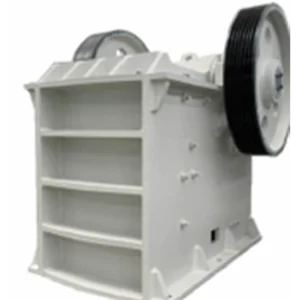
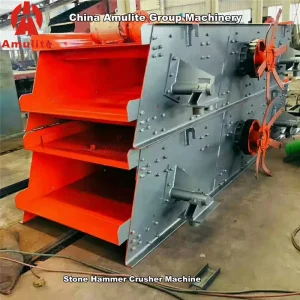
Primary jaw crushers and secondary stone hammer crusher machines reduce bulk run-of-mine natural gypsum boulders from <500mm down to a uniform granule size of <30mm. Integrated electromagnetic vibrating feeders maintain consistent volumetric loading into downstream drying systems.
Utilizing advanced Raymond mills or vertical roller mills equipped with dynamic multi-stage turbine classifiers. Material is ground to fine powder specifications where 80%–92% passes through a 200-mesh (75-micron) screen, optimizing surface area for rapid thermo-chemical reaction.
The core chemical transformation stage. Using heat oil boilers or hot blast stoves, thermal energy is indirectly transferred to the powder. Raw gypsum dehydrates under controlled temperatures (140°C–180°C):CaSO4·2H2O + Δ → CaSO4·0.5H2O + 1.5H2O↑
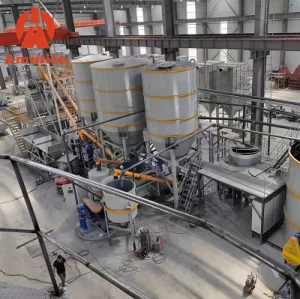
Freshly calcined powder contains unstable soluble anhydrite (AIII). The material is routed into aging silos for 48 to 72 hours, permitting phase conversion back to stable hemihydrate, regulating water-to-plaster ratios, initial/final setting times, and consistency.
Computer-controlled gravimetric feeders inject water-retaining agents, retarders, and accelerators. The final product is dispatched either to bulk tank trucks or routed through high-speed automatic rotary packing machines for 25kg/50kg valve bags.
Operating across the entire line, high-temperature baghouse filters recover fine airborne particles, ensuring stack emissions remain strictly under 10 mg/Nm³, fulfilling global ISO 14001 environmental compliance standards.
| Performance Indicator | Small-Scale Line (30k-50k TPA) | Medium-Scale Line (100k-150k TPA) | Large Industrial Line (200k-500k TPA) |
|---|---|---|---|
| Calcination Technology | Rotary Kiln / Vertical Chamber | Fluidized Ebullience Furnace | Multi-Tube Fluidized Bed Calciner |
| Thermal Heat Source | Natural Gas / Coal / Diesel | Thermal Oil / Natural Gas / Steam | Waste Heat Recovery / Natural Gas |
| Fineness (200 mesh pass rate) | ≥ 85% | ≥ 92% | ≥ 95% (Adjustable) |
| Bending Strength (MPa) | ≥ 2.5 MPa | ≥ 3.2 MPa | ≥ 4.0 MPa (High Strength Stucco) |
| Initial Setting Time | 3 – 8 Mins (Customizable) | 3 – 6 Mins (Customizable) | 3 – 5 Mins (Customizable) |
| PLC Automation Level | Semi-Automated Control Panel | Siemens S7-1500 PLC + SCADA | Full DCS Smart Plant Architecture |
Where modern calcination engineering is heading: decarbonization, AI integration, and secondary waste upcycling.
Leading plant operators are integrating waste-heat exchangers that capture vaporized steam emitted during phase dehydration. This preheats incoming damp FGD cake, cutting overall burner thermal demand by up to 18%. Advanced burners are now hydrogen-ready, aligning with global net-zero goals.
Integrating continuous NIR (Near-Infrared) spectrometry sensors directly inside aging silos and calciner discharge chutes allows algorithms to adjust burner temperature dynamically. This keeps beta-hemihydrate purity within a tight ±1.5% margin regardless of raw gypsum moisture fluctuations.
Phosphogypsum generated during fertilizer production contains impurities like residual P2O5 and fluorine. Breakthrough pre-treatment washing systems and neutralizer dosing modules now allow equipment to convert low-cost phosphogypsum stockpiles into premium-grade plasterboard powder.
How specialized gypsum powder outputs feed downstream high-value manufacturing and construction sectors.
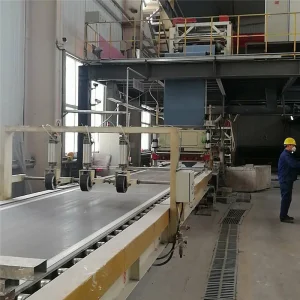
Calcined gypsum powder is the main component in modern paper-faced wallboard factories. Matched directly with a high-capacity Gypsum Board Production Line, the powder is continuously combined with foaming agents, starch, and water to form structural drywall panels running at speeds up to 100 meters per minute.
Formulated with specific particle size distributions, calcined powder is blended with cellulose ethers and lightweight aggregates like expanded perlite from an Expanded Perlite Production Line to produce thermal insulation plasters applied rapidly via automated mortar pumps.
By modifying calcination pressure and introducing chemical crystallization agents, lines can yield High-Strength Alpha-Gypsum (α-CaSO4·0.5H2O). This creates self-leveling screeds with compressive strengths over 30–45 MPa, outperforming traditional Portland cement floor toppings in thermal conductivity and drying speed.
Sanitaryware ceramic molding and metal precision casting demand gypsum powder with tight water absorption rates, minimal expansion coefficients (<0.15%), and fine sieve residues. Dynamic classification machinery ensures the consistent quality necessary for detailed industrial molds.
Key technical considerations for plant managers and investment directors when selecting an OEM equipment manufacturer.
Ensure fluidizing bed coils, hot gas ducting, and calciner shells are fabricated from heat- and corrosion-resistant alloys (such as Q235B high-yield carbon steel or 304/316 stainless steel). Seamless submerged-arc welding prevents thermal distortion over decades of continuous operation.
Evaluate specific heat consumption figures. Advanced ebullience furnaces should consume no more than 220,000 to 260,000 kcal per metric ton of finished calcined plaster. Request certified energy audit data from operational reference plants.
Qualified machinery partners provide full EPC (Engineering, Procurement, Construction) services: geological foundation layout, power grid design, on-site mechanical erection, raw material chemical testing, and comprehensive operator training.
Direct answers from senior process engineers regarding plant performance, investment planning, and operational parameters.
Explore our integrated plant machinery, secondary processing units, and ancillary equipment for comprehensive factory automation.