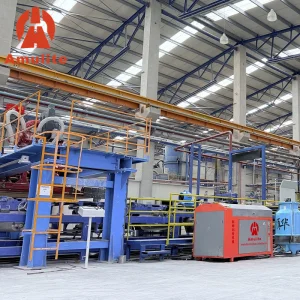
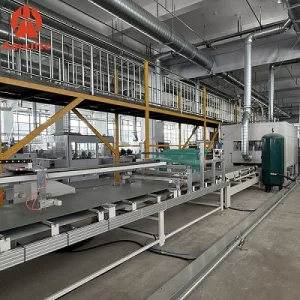
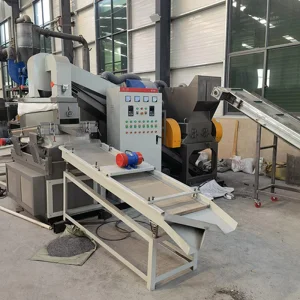
Explore our high-performance OEM production units engineered for precision manufacturing, energy efficiency, and operational stability.
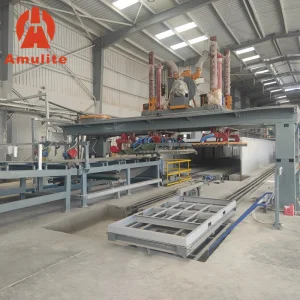
An in-depth evaluation of mechanical precision, polymer calendering chemistry, deep rotogravure printing, and automated thermal lamination systems.
The manufacturing process begins with precision polymer formulation. High-speed fluid mixers continuously blend polyvinyl chloride (PVC) resins with eco-friendly non-phthalate plasticizers (DOTP/DINCH), thermal stabilizers, calcium carbonate fillers, and fire-retardant additives. The compound is extruded and fed into a 4-roll or 5-roll L-type calender line equipped with hydraulic roller bending and magnetic induction temperature control (maintaining thermal equilibrium within ±0.5°C). This ensures uniform film gauge control ranging from 0.12mm to 0.80mm without micro-porosity.
For realistic metallic, timber, stone, and damask patterns, the vinyl film passes through multi-color rotogravure printing units (up to 8 colors). Utilizing laser-etched ceramic printing rollers and automated servo-driven register control systems (accuracy within ±0.05mm), solvent-based or eco-friendly water-based inks are transferred precisely onto the vinyl substrate. Infrared drying tunnels between printing stages instantly flash off solvents, preventing color bleed and ensuring ultra-crisp pattern definition under continuous line speeds of 15 to 60 meters per minute.
Texture provides wall coverings with premium tactical depth. Our heavy-duty embossing station uses high-pressure steel oil-heated rollers (up to 220°C) paired with specialized rubber backing rolls. Utilizing photo-electric optical sensor registration, 3D embossing patterns (such as heavy fabric, plaster, leather, or geometric relief) are perfectly registered with the printed graphics. Simultaneously, the heated vinyl film is thermally laminated onto non-woven fabrics, woven cotton backings, or glass fiber substrates via high-tension nip rollers, creating an indestructible bond.
How international interior decoration material buyers, commercial plant managers, and OEM contract manufacturers evaluate high-throughput vinyl wallcovering production lines.
In high-capacity vinyl wall covering manufacturing, raw material costs (PVC resin, plasticizers, non-woven backing fabric) account for up to 70% of total operational expenditure (OPEX). Legacy equipment often suffers from web drift, tension spikes, and uneven heating, resulting in high edge trim waste and reject rolls. Our advanced machinery integrates closed-loop ultrasonic edge guide sensors and magnetic particle brake tension controllers across all unwinding and rewinding stations. This maintains constant web tension (0-500 N force window), reducing material scrap rates to under 0.8% during long continuous production runs.
Modern interior decor markets demand short turnarounds for seasonal wallpaper collections and customized contract designs. Traditional printing and embossing lines require hours of downtime to swap heavy rotogravure cylinders and embossing rollers. Our equipment features a quick-change cantilever sleeve system and pneumatic cylinder clamping mechanisms. Operator teams can execute complete printing cylinder and embossing roll changeovers in under 25 minutes, empowering factory managers to handle low-volume custom orders alongside high-volume commodity rolls with equal profitability.
Combining robust mechanical casting, advanced CNC machining clusters, and cost-efficient modular assembly to deliver worldwide turnkey excellence.
Situated within China's premier heavy industrial manufacturing corridor (Hebei & Jiangsu regions), our production facility leverages a fully integrated local supply chain. From forged steel calender rolls and high-torque planetary gearboxes to precision electrical control cabinets, 90% of structural components are sourced within a 150-kilometer radius. This concentration slashes component lead times, minimizes sub-assembly logistics costs, and allows us to pass substantial capital savings directly to our international clients.
Operational longevity is built into our machine frames. Utilizing 50mm-thick stress-relieved solid steel side plates, computer-optimized box structures, and dynamic balancing for all rotating drums, our decorating vinyl making lines operate with zero frame resonance. Critical rollers undergo deep induction hardening (HRC 60-62), precision cylindrical grinding, and mirror hard-chrome plating (thickness 0.08mm), guaranteeing operational service lifespans exceeding 15 years under 24/7 continuous factory conditions.
We do not sell rigid standard machines; we build tailor-made manufacturing solutions. Whether your market demands 54-inch wide Type II commercial wallcoverings, lightweight decorative kitchen PVC foils, foam-embossed acoustic backing materials, or self-adhesive architectural vinyl wraps, our in-house mechanical and electrical engineering departments tailor the line length, drying tunnel heating zones (gas, electric, thermal oil), and cooling drums to match your exact raw material specs.
Staying ahead of environmental regulations, digital hybrid integration, and Industry 4.0 smart factory standards.
Global architectural standards (such as LEED certification, WELL Building Standard, and EU REACH regulations) strictly limit volatile organic compound (VOC) emissions and formaldehyde off-gassing from interior wallcoverings. Our newest generation of vinyl decorating lines is engineered specifically to process low-viscosity water-based acrylic inks and non-phthalate bio-based PVC compounds. Drying tunnels feature high-velocity hot air impaction nozzles paired with heat recovery exchangers, ensuring thorough ink drying and solvent curing without distorting heat-sensitive non-woven backing fibers.
The wallcovering industry is witnessing a convergence between short-run digital customization and tactile analog texture. Our hybrid machine configurations integrate industrial-grade UV-curable digital inkjet print engines directly upstream of the optical synchronized embossing unit. This allows wallcovering manufacturers to produce hyper-customized digital murals and short-run bespoke patterns while imparting heavy commercial-grade tactile textures in a single continuous pass, eliminating off-line secondary finishing steps.
To ensure flawless surface visual output, our premium lines come equipped with an integrated Line-Scan Camera Visual Inspection System. Positioned immediately after the lacquering and drying phase, high-resolution optical cameras inspect 100% of the moving web at full line speed, automatically detecting micro-defects such as pinholes, print misalignment, color streaks, or dust contaminants. All operational parameters (temperatures, web tension, motor torque, line speed) are logged via Siemens PLC systems with SCADA visualization, enabling remote diagnostic support and predictive maintenance alerts.
For rich, sound-dampening 3D textured wallpapers, our lines support chemical expanding (foaming) techniques. By blending azodicarbonamide (ADC) foaming agents into the PVC paste layer and applying inhibitor inks via rotogravure, the vinyl expands exponentially upon entering the high-temperature curing oven while inhibited areas remain flat. This produces exquisite depth, soft-touch suede finishes, and enhanced thermal insulation characteristics highly sought after in premium residential wall décor.
Customizing production parameters to meet the strict physical and aesthetic demands of global interior design markets.
Engineered for high-traffic hotel corridors, office towers, and conference centers. The machine applies heavy-duty 15oz to 20oz fabric-backed vinyl layers with protective top lacquers (PVDF or Tedlar stain resistant coats) that withstand rigorous scrubbing, impact, and chemical cleaning agents.
Produces smooth or micro-textured wall cladding injected with silver-ion antimicrobial additives. Precise calendering ensures zero surface micro-crevices, preventing bacterial accumulation and permitting continuous wipe-down with hospital-grade disinfectants.
Configured for breathable non-woven backed vinyl wallpapers with subtle pearlescent, metallic, or textile embossing effects. Optimized for high aesthetic appeal, easy paste-the-wall installation, and effortless dry stripability for home renovations.
Customized to process flame-retardant vinyl compounds laminated onto heavy mineral wool or acoustic fleece backings. Meets IMO (International Maritime Organization) low flame spread requirements for cruise ships and luxury yacht cabins.
Compare our primary OEM equipment configurations to select the optimal capacity and process line for your manufacturing plant.
| Technical Parameter | VWC-1060 Standard Line | VWC-1370 Heavy Commercial | VWC-1600 Multi-Layer Hybrid |
|---|---|---|---|
| Maximum Working Width | 1,060 mm (41.7 inches) | 1,370 mm (54.0 inches) | 1,600 mm (63.0 inches) |
| Line Speed Range | 10 - 45 m/min | 15 - 60 m/min | 10 - 40 m/min (Digital Hybrid) |
| Substrate Backing Compatibility | Non-woven (60-120g), Paper | Fabric, Osnaburg, Woven Cotton | Acoustic Fleece, Glass Fiber, Non-woven |
| PVC Thickness Capability | 0.10 mm - 0.40 mm | 0.15 mm - 0.80 mm | 0.20 mm - 1.20 mm (Foamed) |
| Printing Units / Stations | 4 - 6 Color Gravure Units | 6 - 8 Color Gravure Units | 4 Gravure + Industrial UV Inkjet Engine |
| Embossing Registration Accuracy | ± 0.10 mm | ± 0.05 mm (Servo Optical) | ± 0.05 mm (Servo Optical) |
| Heating Medium Options | Thermal Oil / Electricity | Natural Gas / Thermal Oil | Direct Gas Flame / IR Tunnel |
| Installed Power Requirement | 180 kW - 240 kW | 320 kW - 450 kW | 280 kW - 380 kW |
From civil engineering alignment to local safety certification, we guide your plant buildout every step of the way.
Architectural floor plan design, utility loading calculations (electricity, gas, steam, compressed air), and workflow optimization tailored to your factory hall.
Machining, frame annealing, chrome plating of cylinders, and full electrical wiring in accordance with CE (Machinery Directive 2006/42/EC) and UL standards.
Comprehensive Factory Acceptance Testing (FAT) conducted at our plant using client raw material samples to verify line speed, heating, and register precision.
Dispatch of senior mechanical and automation engineers to oversee foundation anchoring, piping, electrical hookup, and initial trial runs.
Hands-on training for local operators, maintenance staff, and QA engineers, including proven chemical formulations for high-yield production.
Key insights addressing equipment selection, formulation chemistry, operational safety, and warranty terms.
Discover additional specialized manufacturing units engineered by China Amulite Group for modern building material factories.