Explore our top-tier industrial manufacturing lines engineered for extreme precision, structural longevity, and continuous automated mass production.
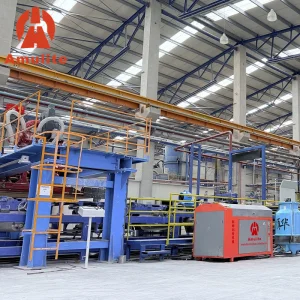
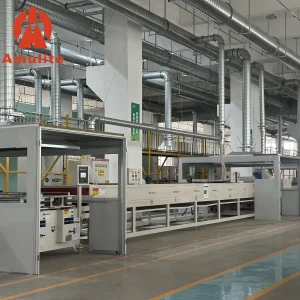
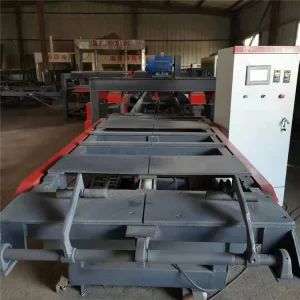
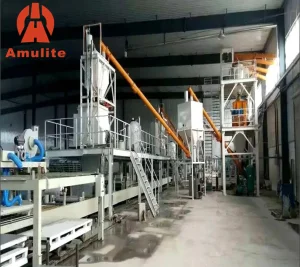
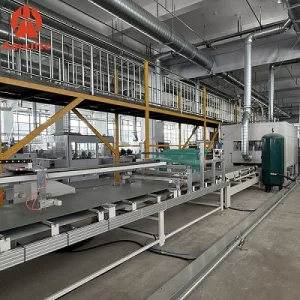
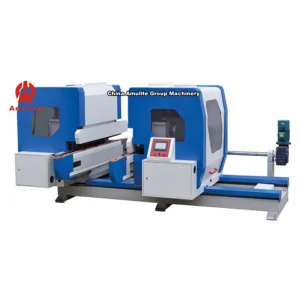
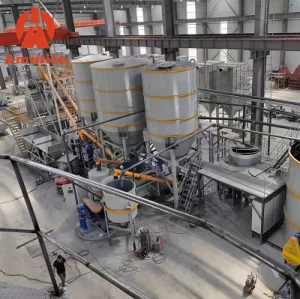
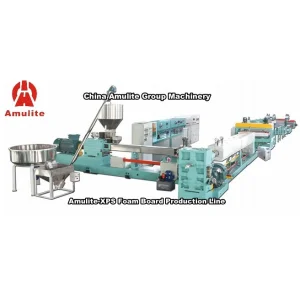
Modern industrial infrastructure demands high-speed, continuous, and millimeter-precise cold roll forming machinery to supply architectural roofing, structural framing, and composite thermal panel profiles globally.
The global demand for high-capacity Roof Roll Forming Machines is undergoing a structural surge driven by rapid commercial building expansion, mega-logistics park developments, and the aggressive adoption of metal-clad modular housing. High-performance roof roll forming machinery transforms flat coiled steel—such as pre-printed galvanized iron (PPGI), Galvalume (AZ150), and high-tensile structural steel (G550)—into rigid, weather-impervious roofing profiles including standing seam, trapezoidal ribs, step tiles, and double-deck profiles.
Understanding the mechanical metallurgy, drive gearboxes, and automated control loops that deliver tight tolerances across decades of continuous factory operation.
Constructed from high-grade Cr12MoV / D2 alloy steel, vacuum heat-treated to HRC 58-62, and precision hard-chrome plated (0.05mm thickness) to guarantee scratch-free forming on pre-painted coil surfaces.
Utilizes dynamic hydraulic cutting heads driven by ultra-responsive Yaskawa or Siemens servo motors. Enables non-stop continuous cutting on the fly, eliminating profile distortion and burrs.
Integrated touchscreen interface supporting multi-language operational software, remote cloud telemetry diagnostics, batch program sequencing, and automated material yield monitoring.
Fabricated using 350mm–400mm H-beam structural steel bases, stress-relieved via high-frequency vibration annealing to eliminate internal frame tension and guarantee long-term operational alignment.
| Performance Spec | Standard Profile Machine | High-Speed Heavy-Duty Line | Double-Deck Dual Profile Line |
|---|---|---|---|
| Forming Speed | 12 - 18 m/min | 25 - 35 m/min | 15 - 20 m/min |
| Coil Thickness Range | 0.3 mm - 0.8 mm | 0.4 mm - 1.2 mm (High Tensile) | 0.3 mm - 0.8 mm (Dual profile) |
| Roller Stations | 13 - 18 Stations | 20 - 26 Stations | 16 / 18 Dual Level Stations |
| Control Automation | Delta / Mitsubishi PLC | Siemens S7-1500 PLC + Servo drive | Siemens PLC with Touch Screen |
| Power Requirement | 5.5 kW - 11 kW main motor | 15 kW - 22 kW main motor | 7.5 kW + 7.5 kW split drive |
How Chinese heavy machinery clusters deliver world-class fabrication quality, rapid turnaround times, and unbeatable Total Cost of Ownership (TCO) for global building component producers.
China's roof roll forming machine manufacturing ecosystem—centered in established industrial hubs in Hebei and Jiangsu—represents a unmatched concentration of specialized engineering expertise, raw material access, and advanced CNC metalworking infrastructure. For overseas plant operators and building material conglomerates, sourcing roll forming lines from leading Chinese manufacturers provides significant strategic advantages:
Direct proximity to world-leading steel foundries (Baosteel, HBIS) ensures instant access to certified tool steel alloys, precision gear reducers, and high-pressure hydraulic manifolds without import delays.
ISO9001:2015 certified assembly bays conduct comprehensive 72-hour continuous dry-run tests and real-coil profiling tests before factory acceptance signing (FAT) and shipping.
Achieve 35% to 50% lower capital expenditure compared to European or North American machinery builders, allowing faster plant payback (typically under 14 months) without compromising component reliability.
Furthermore, modern Chinese engineering conglomerates maintain dedicated turnkey integration teams. From initial CAD cross-section profiling to electrical panel commissioning and staff operational training, global clients receive end-to-end technical stewardship backed by transparent contract guarantees.
Tailoring roll forming line configurations to distinct climate zones, structural codes, and regional roofing application requirements.
Challenge: Salt-fog atmospheric corrosion causing premature rust along raw cut edges.
Solution: Roll formers outfitted with soft-touch rubberized feeding rollers and integrated edge oilers processing high-zinc Aluzinc (AZ180) steel coils, combined with sealed hydraulic inline punching units.
Challenge: Heavy structural dead-loads demanding elevated profile stiffness.
Solution: High-rib (50mm–75mm profile height) trapezoidal and structural standing seam roll formers with inline stiffener embossing units to maximize cross-sectional moment of inertia.
Challenge: Rapid assembly of insulated roof envelopes for cold storage and cleanrooms.
Solution: Roll forming lines operating inline with continuous EPS, XPS, or Fiber Cement substrate lamination systems, creating high-R-value sandwich panel envelopes in a single pass.
Ensuring full regulatory alignment with regional mechanical standards, safety certifications, and continuous spare-part readiness worldwide.
Purchasing heavy roll forming and sheet manufacturing equipment requires comprehensive long-term technical backing. Leading manufacturers provide robust engineering frameworks to support installation, operator certification, and preventative maintenance across global factory locations:
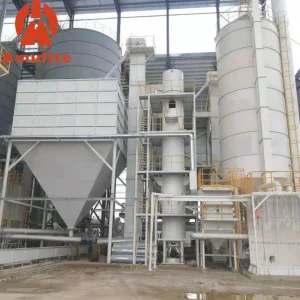
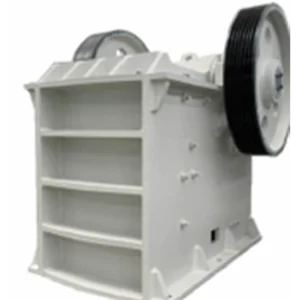
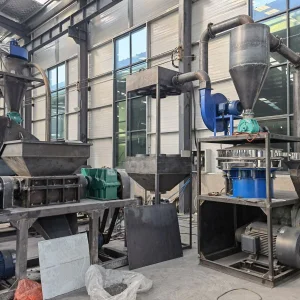
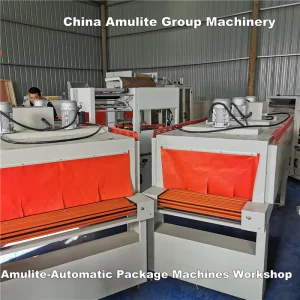
Browse our extended equipment range including crushing plants, block production machinery, automated packaging systems, and specialty recycling lines.
Expert engineering answers addressing machine selection, material compatibility, maintenance intervals, and factory layout planning.
Our standard and heavy-duty roof roll forming lines process Pre-Painted Galvanized Iron (PPGI), Aluzinc (AZ100-AZ180), Galvanized Steel (GI), and high-tensile structural steel (up to Yield Strength G550). Standard profile thicknesses range from 0.3 mm to 0.8 mm, while specialized structural deck formers can process up to 1.2 mm gauge steel.
A double-deck roll former stacks two distinct roller profile passes (e.g., trapezoidal rib on top deck, step tile on bottom deck) on a single structural steel frame sharing one motor, drive system, and PLC console. It reduces required floor space by 45% and lowers initial machine CAPEX by ~35%. However, only one profile can be rolled at any given time, whereas separate single lines enable simultaneous twin-profile production.
Surface protection is ensured via three design tiers: (1) All forming rollers undergo precision CNC machining, vacuum heat treatment to HRC 58-62, and hard-chrome electroplating (minimum 0.05mm layer); (2) PU/rubber-coated guide rolls are utilized at entry stations; and (3) Dynamic speed synchronization between stations prevents friction sliding against color-coated layers.
Standard roll forming machine fabrication takes 35 to 50 days from drawing approval. Complex automated lines with auto-stacking, inline punching, and flying shears take 60 to 75 days. On-site installation, mechanical leveling, and commissioning by resident field engineers take approximately 7 to 14 days upon arrival at the destination factory.
Yes. Our roll forming systems can be synchronized with continuous sandwich panel laminators or fiber cement board backing lines. Profile alignment encoders and continuous PLC communications ensure the formed metal skin matches adhesive application and core material bonding speeds perfectly.