China Expanded perlite production line Supplier, Products
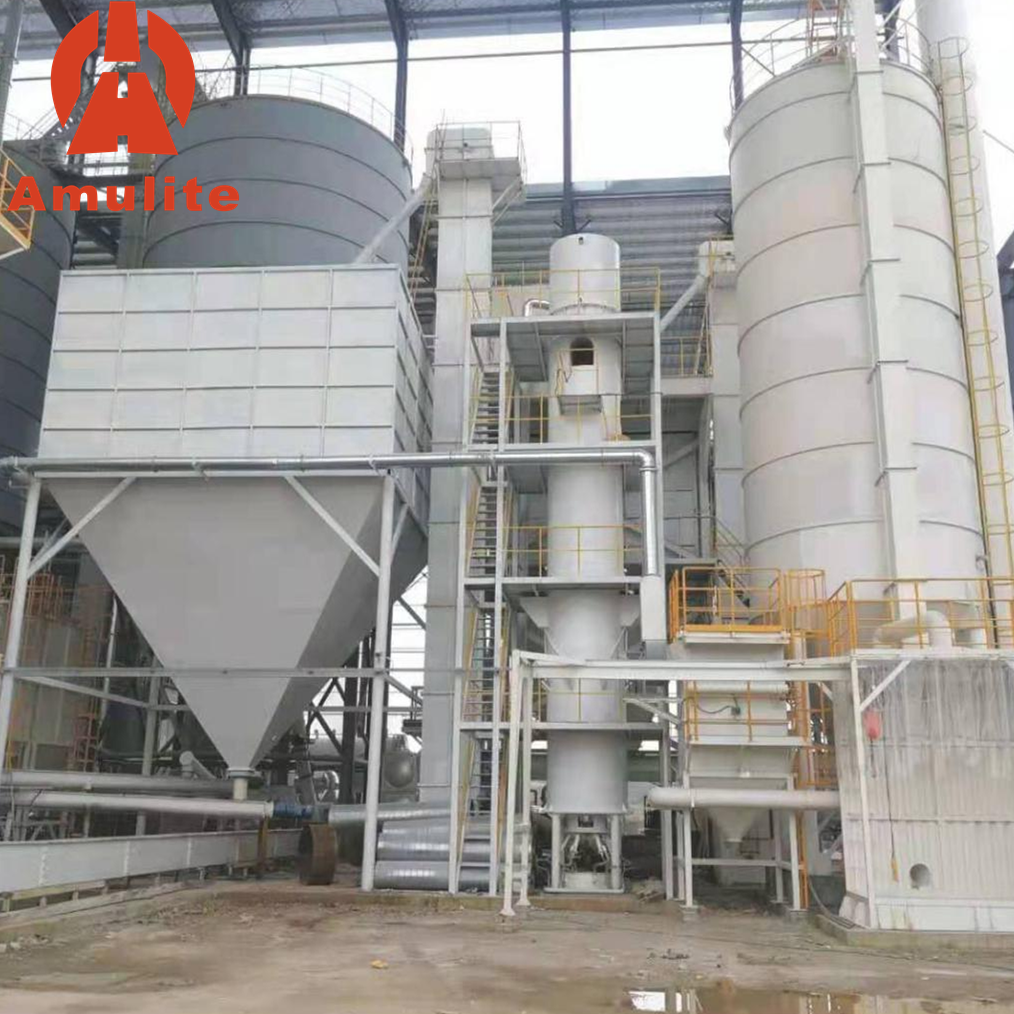
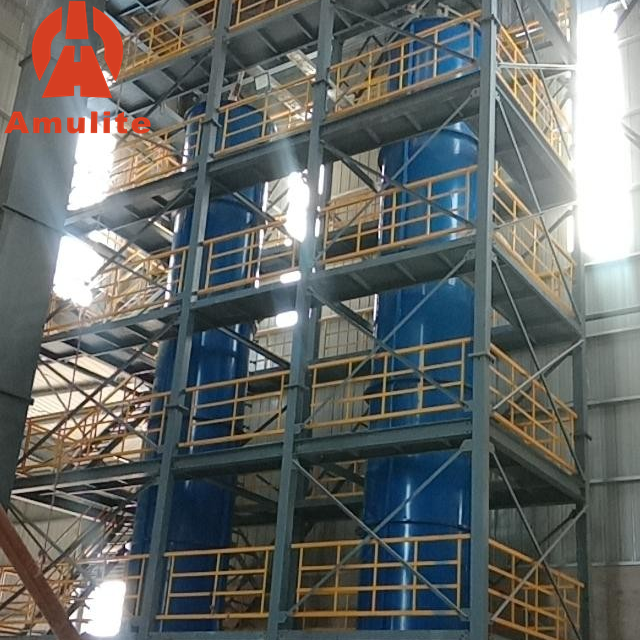
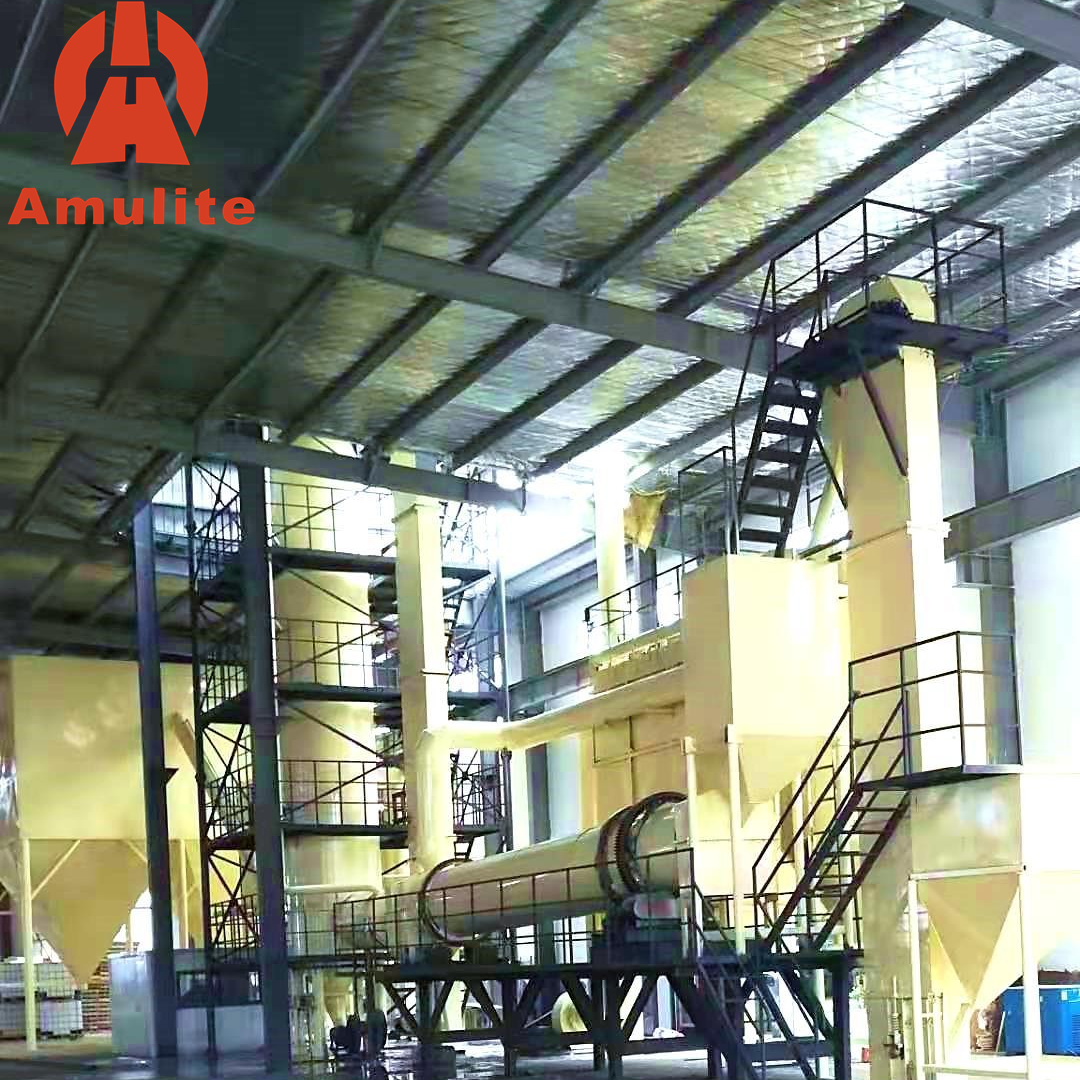
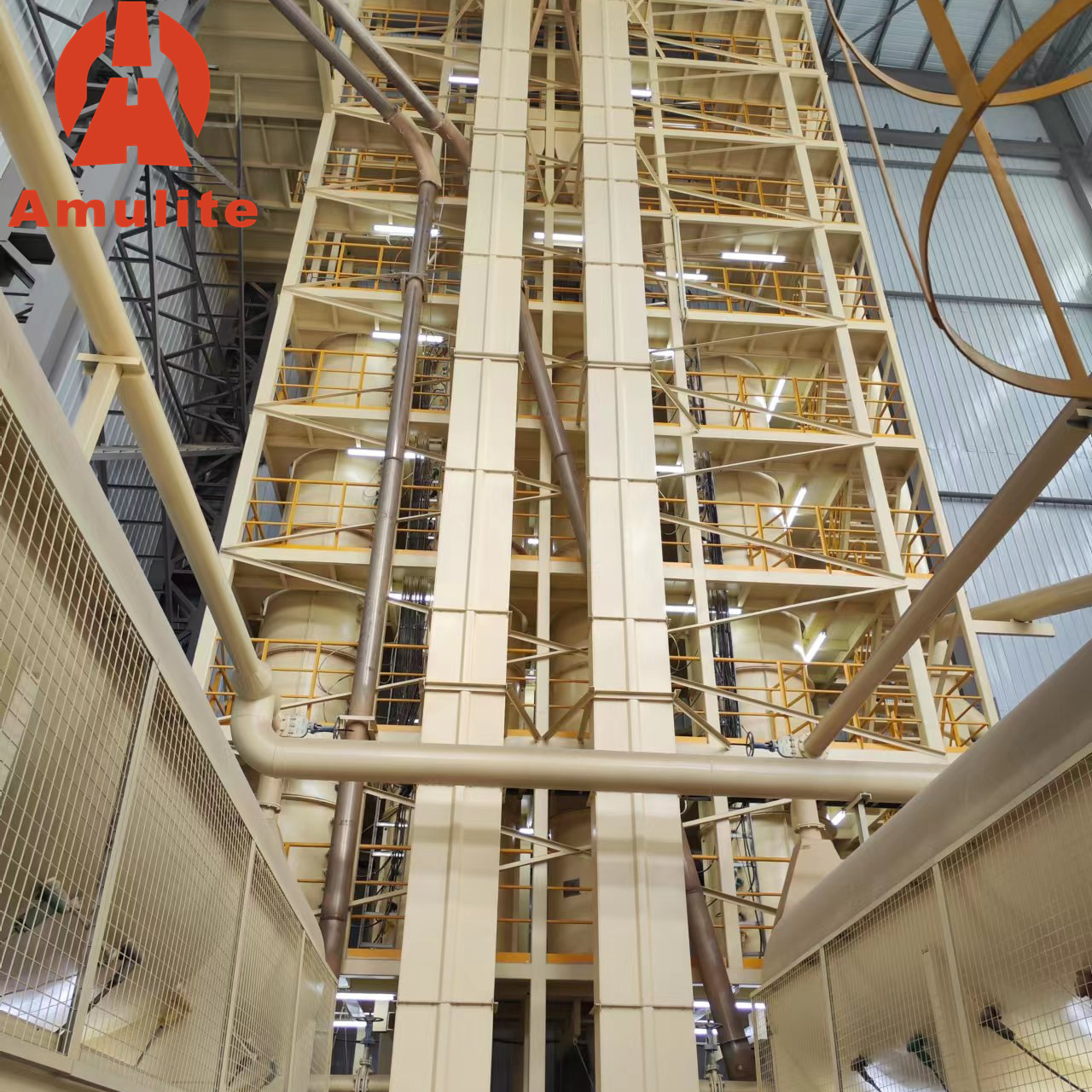
An expanded perlite production line is a complete set of equipment used to process raw perlite ore through a series of procedures such as crushing, screening, preheating, high-temperature expansion, and cooling into lightweight, porous expanded perlite. The final product is widely used in fields such as building insulation, horticulture, industrial fillers, and filter aids.
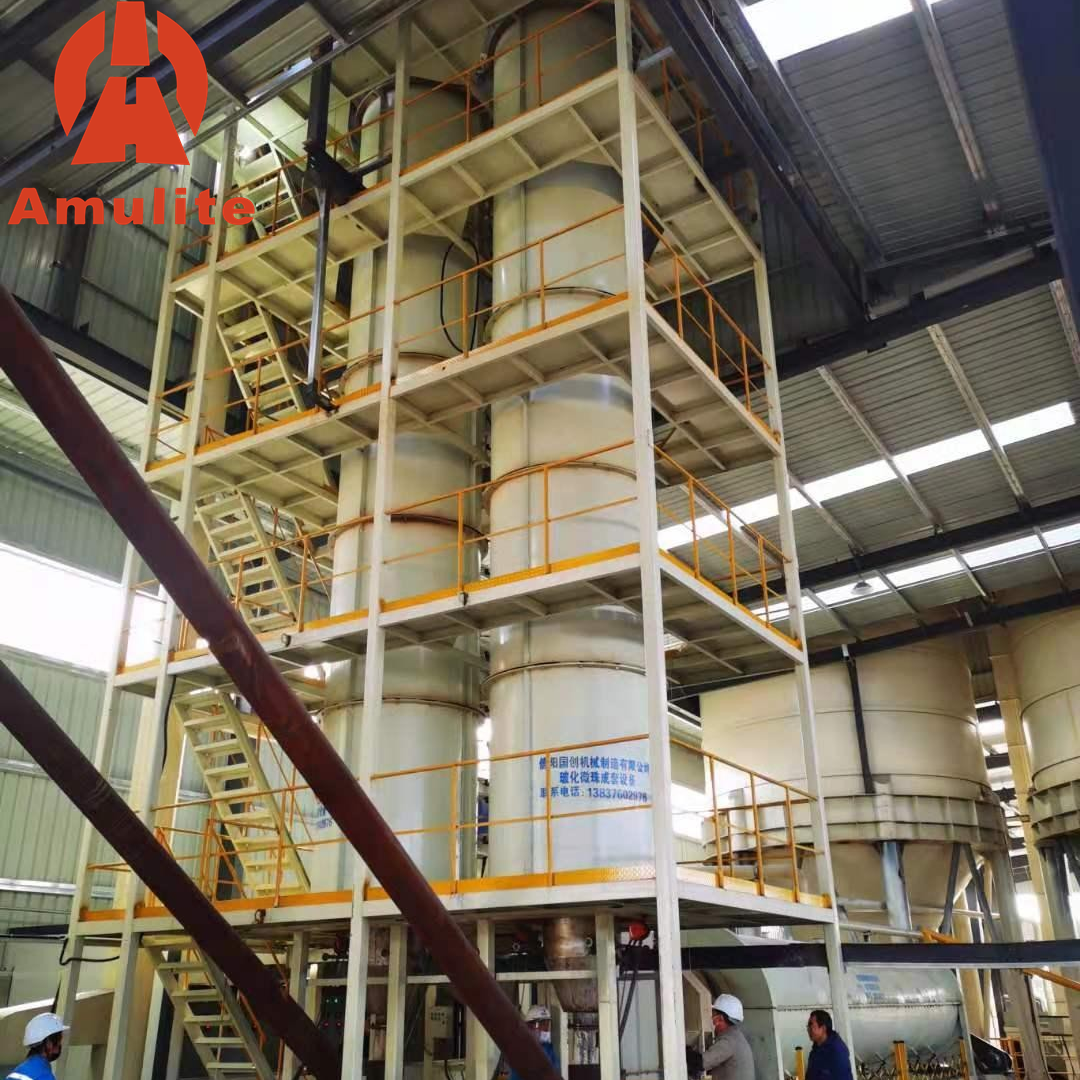
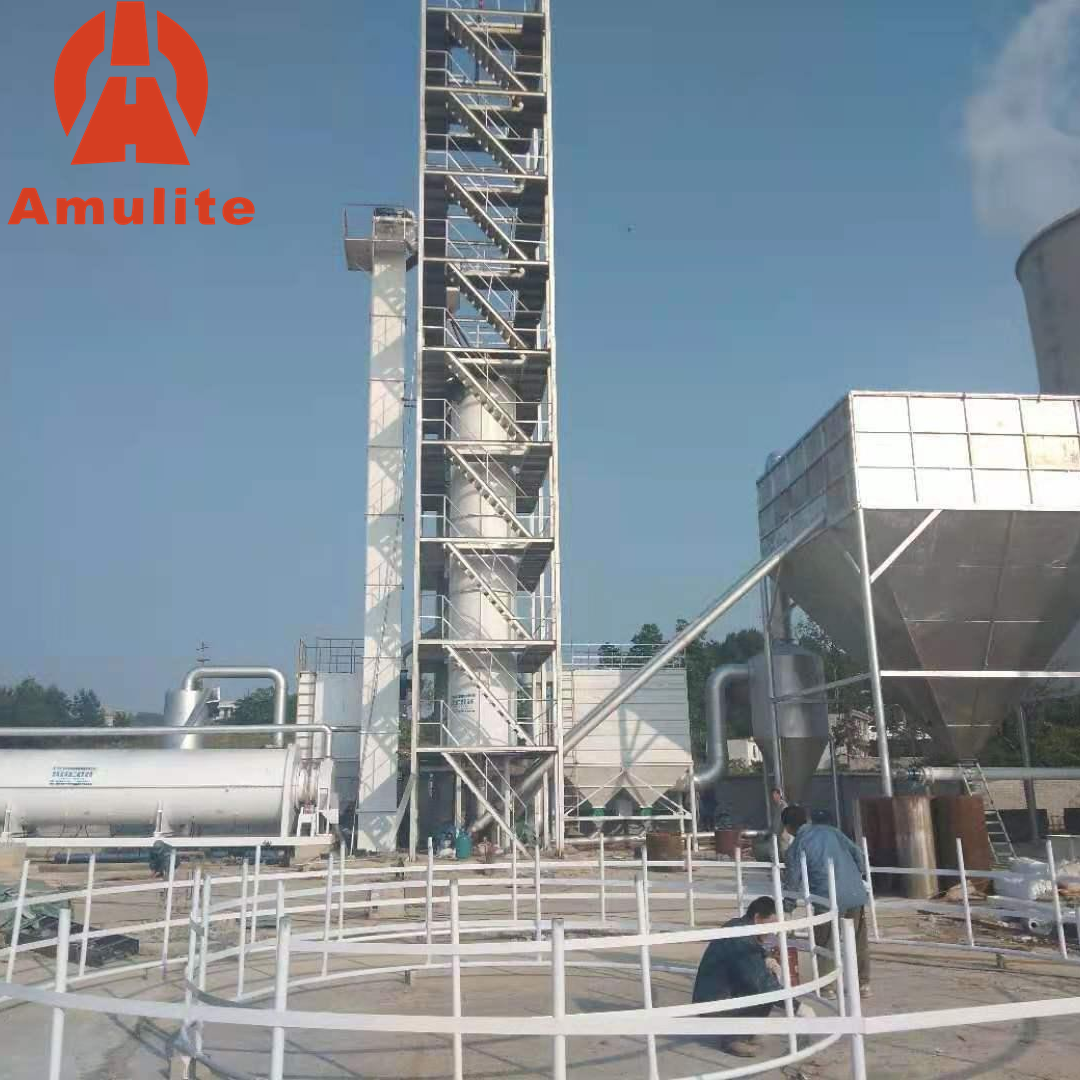
Our company produces the second-generation expanded electric furnace complete sets for vitrified microspheres, available in three models: 9-meter, 10-meter, and 12-meter electric furnaces. These systems mainly consist of a preheating furnace and an expansion furnace, along with their auxiliary components. The preheating furnace is primarily used to dry the internal crystalline water and surface moisture of the ore sand, while the expansion furnace is designed for the gradual expansion of perlite, resulting in a vitrified surface and sealed pores, producing high-quality vitrified microspheres (with a closed porosity rate of over 90%).
Advantages of the Second-Generation Electric Furnace
The main expansion furnace uses resistance strips as heating elements, and the insulation layer is made of needled blanket zirconium cotton, making it lightweight, durable, and significantly improving the furnace chamber’s constant temperature effect. Compared to traditional refractory brick insulation, it increases production by 15% and is more convenient for long-distance transportation.
Cyclone dust removal combined with bag dust removal meets national emission standards, ensuring no dust emissions during production, truly achieving green and pollution-free operation, and qualifying as green, environmentally friendly equipment.
The electrical control system of the expansion furnace adopts a PID multi-zone intelligent temperature control system, ensuring the product quality requirements of vitrified microspheres while significantly reducing labor costs.
The furnace is divided into 5-6 heating and temperature control zones, each using an integrated modular temperature control system. This enhances the reliability of the equipment’s electrical control, provides higher temperature control accuracy, and includes manual operation functionality for convenient equipment maintenance.
Advantages of the Third-Generation Electric Furnace
The traditional mode of directly blowing finished materials into the storage silo has been improved. Since the temperature of the finished materials when discharged from the expansion furnace is around 800°C, the waste heat utilization-type electric furnace directly discharges the finished materials through the central pipe of the preheating furnace, utilizing the residual heat of the finished materials to supplement the drying of the raw ore sand.
Overall power consumption per ton is reduced by approximately 30%, and the finished materials undergo secondary vitrification, achieving a closed porosity rate of about 95%.
The electrical control system of the expansion furnace adopts a PID multi-zone intelligent temperature control system, ensuring the product quality requirements of vitrified microspheres while significantly reducing labor costs.
The furnace is divided into 5-6 heating and temperature control zones, each using an integrated modular temperature control system. This enhances the reliability of the equipment’s electrical control, provides higher temperature control accuracy, and includes manual operation functionality for convenient equipment maintenance.
Open-Cell Expanded Perlite Gas-Fired Furnace
Based on market demand and years of experience in producing vitrified microsphere electric furnaces, our company has successfully developed a new generation of domestic open-cell expanded perlite gas-fired furnaces by improving the furnace structure and integrating gas heating principles.
This production line features high output, low energy consumption, and a fully automatic temperature control system. It effectively utilizes the waste heat from the main expansion gas furnace to preheat and dry the ore sand. Since the preheating furnace entirely relies on the waste heat from the main furnace to dry the ore sand, it saves approximately 70 cubic meters of energy consumption per hour.
The gas consumption per ton has been reduced from the previous 300 cubic meters per hour to less than 240 cubic meters per hour. Additionally, the entire equipment has undergone environmental upgrades, adopting a two-stage dust removal method combining multi-tube dust removal and bag dust removal. This ensures the entire production line is completely free of dust pollution, making it more energy-efficient and environmentally friendly. With a daily production capacity of 50-70 tons of perlite, it creates higher economic and social benefits for customers.
Frequently Asked Questions (FAQ)
Q1
What models are available for the second-generation electric furnace complete sets?
We offer three standard models: 9-meter, 10-meter, and 12-meter electric furnaces. These systems consist of a preheating furnace, an expansion furnace, and their auxiliary components.
Q2
What is the closed porosity rate achieved by these expansion furnaces?
The second-generation electric furnace achieves a closed porosity rate of over 90%, while the third-generation waste heat utilization model achieves a closed porosity rate of approximately 95%.
Q3
How does the third-generation furnace reduce energy consumption?
It utilizes the residual heat (~800°C) of finished materials discharged through the central pipe of the preheating furnace to dry raw ore sand, reducing overall power consumption per ton by approximately 30%.
Q4
How does the equipment meet environmental and emission standards?
The equipment uses multi-tube dust removal combined with bag dust removal (two-stage dust removal method). This ensures zero dust emissions during production, fulfilling national environmental standards.
Q5
What type of temperature control system is integrated into the expansion furnace?
The furnace adopts a PID multi-zone intelligent temperature control system divided into 5-6 heating zones with integrated modular controls, high accuracy, and manual operation capabilities for convenient maintenance.
Q6
What is the energy saving and daily capacity of the new gas-fired perlite furnace?
By utilizing main furnace waste heat, it saves ~70 m³/h of energy, reducing gas consumption from 300 m³/h to under 240 m³/h, and delivers a daily production capacity of 50-70 tons of perlite.