Industrial White Paper & Procurement Guide

Famous Concrete Molds For Sandwich Panel Machine Manufacturers & Companies

An authoritative technical evaluation on precision structural molds, multi-cavity vertical battery systems, high-durability alloy casting technology, and global supply chain integration for lightweight cement panel machinery.

Featured Industrial Machinery

High-Performance Board & Panel Equipment Lines

Explore top-tier manufacturing lines engineered for precision concrete molds, fiber cement sheets, XPS insulation cores, and high-capacity wall panel production.
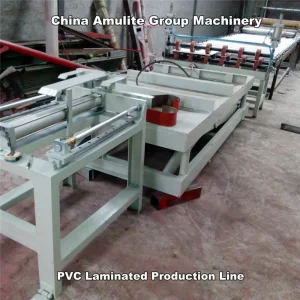
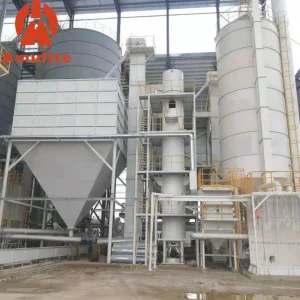
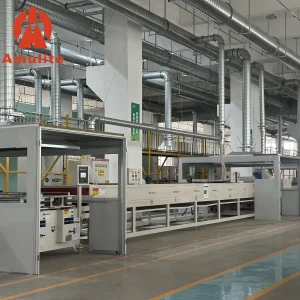
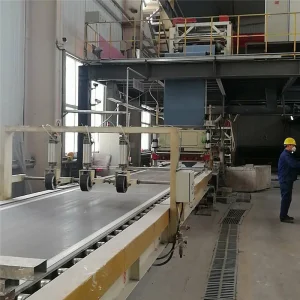
China PVC Laminated Production Line Factories, Products
View Product Details →
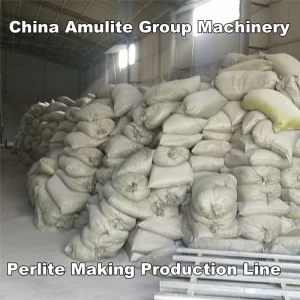
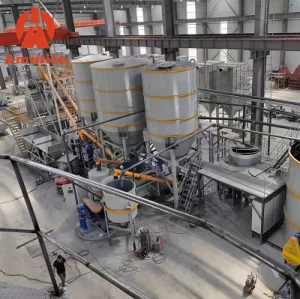
China Expanded perlite production line Supplier, Products
View Product Details →
OEM UV Coating/Painting Production Line Manufacturer, Factories
View Product Details →
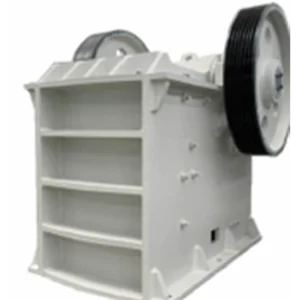
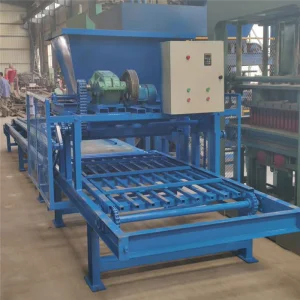
Buy Stone Hammer Crusher 6CX Euro Series Jaw Crusher Company, Product
View Product Details →
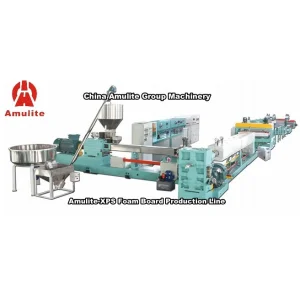
OEM Amulite CO2 XPS Foam Board Production Line Factory, Factories
View Product Details →
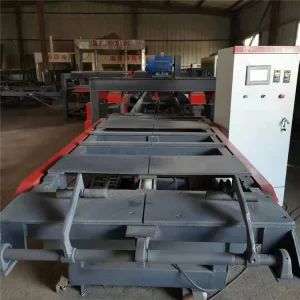
OEM 1300 II Type Automatic Four Side Edge Cutting Machine Factory, Companies
View Product Details →
China Gypsum Board Production Line Supplier, Factories
View Product Details →
Buy Perlite Production Line Manufacturers, Company
View Product Details →
Benchmarked Excellence

Engineering Precision & Global Operational Impact

Quantifiable performance indicators achieved across automated vertical battery mold systems and continuous cement sandwich panel production lines globally.

±0.5mm
Dimensional Accuracy
50,000+
Casting Cycle Lifespan
45 Mins
Fast Demolding Rate
60+
Export Market Jurisdictions
Technical White Paper

The Engineering Paradigm of Concrete Molds for Lightweight EPS Cement Sandwich Panel Machines

A comprehensive analysis of structural metallurgy, multi-cavity battery designs, demolding mechanics, and strategic manufacturer evaluation criteria.

Key Procurement Technical Insight

Modern precast concrete sandwich panels (utilizing EPS foam bead cores, cement, fly ash, and calcium silicate face boards) depend fundamentally on the dynamic stability of the mold car matrix. Structural steel deflection under high fluid-hydrostatic pressure (>45 kPa) is the leading cause of panel thickness variation. Leading manufacturers utilize Q355B low-alloy carbon steel frames coupled with CNC gantry-milled side shutters to guarantee long-term alignment stability within ±0.5 mm tolerances.

1. Fundamental Mechanics & Structural Taxonomy of Sandwich Panel Concrete Molds

In the industrialized production of lightweight composite wall panels, concrete molds for sandwich panel machines represent the high-stress foundation of the entire manufacturing ecosystem. These molds must withstand repeated thermal cycles during cement hydration, intense pneumatic or mechanical vibration during core-slurry consolidation, and strong shear forces during high-speed vertical demolding. The primary objective of high-grade mold engineering is to balance structural stiffness against capital cost while offering optimal thermal conductivity for accelerated curing.

Industrial mold systems are divided into two main engineering configurations based on spatial orientation and throughput strategy:

  • Vertical Multi-Cavity Battery Mold Cars: Designed for space-constrained, high-output factories. Vertical battery molds cast between 10 to 40 panels simultaneously in a compact footprint. These systems rely on continuous vertical separator plates (either high-strength alloy steel or reinforced fiber-composite boards) that move laterally on precision guide rails driven by hydraulic power units. Vertical orientation eliminates upper surface troweling requirements, ensuring both structural faces acquire smooth, factory-grade finishes directly from the mold plates.
  • Horizontal Sliding & Stationary Shutter Molds: Typically deployed in automated pallet circulation systems (Carrousel lines) for complex, heavy precast elements or panels requiring embedded structural rebar, electrical conduit routing, or architectural surface facades. Horizontal molds utilize high-grade magnetic side shutters with integrated neoprene rubber seals to prevent slurry leakage under intense high-frequency table vibration.
Engineering Feature Standard Commercial Mold Heavy-Duty Industrial Battery Mold Impact on Panel Quality
Structural Frame Steel Standard Q235 Carbon Steel Q355B / Q460 Alloy Structural Steel Prevents long-term frame twisting and diagonal skewing under continuous hydraulic clamping force.
Machining Tolerance ±1.5 mm to ±2.0 mm ±0.3 mm to ±0.5 mm (CNC Milling) Guarantees exact tongue-and-groove joint fitment on construction sites, eliminating field grinding.
Sealing Architecture Single-layer EVA Sponge Gasket Double-Lip Vulcanized EPDM / Rubber Seals Eliminates cement paste leakage, preventing honeycombing and structural voids at panel borders.
Thermal Curing System External Ambient Air Curing Integrated Internal Steam / Hot Water Piping Accelerates early strength development, shortening demolding cycles from 8 hours to 2.5 hours.

2. Global Procurement Intent & Enterprise Buyer Evaluation Metrics

When global construction consortia, precast concrete manufacturers, and project developers evaluate famous concrete molds for sandwich panel machines, their search intent extends beyond basic hardware procurement. Buying decisions are grounded in comprehensive Total Cost of Ownership (TCO) models, operational uptime reliability, and raw material versatility.

Leading global procurement teams prioritize four technical pillars during supplier qualification:

  • Compatibility with Lightweight Aggregates: Molds must seamlessly handle varying slurry formulations, including Expanded Polystyrene (EPS) beads, expanded perlite, lightweight expanded clay aggregate (LECA), and cellular foamed concrete. The internal mold surface must resist abrasive wear from quartz sand while preventing micro-sticking of low-density foam polymers.
  • Hydraulic Mechanical Integrity: Automatic battery mold cars utilize multi-stage hydraulic cylinders operating at working pressures between 16 to 25 MPa. Procurement engineers scrutinize hydraulic power pack components (e.g., Parker, Rexroth, or Eaton valves), cylinder rod chrome plating thickness (minimum 30 μm), and automatic mechanical locking pins that guarantee zero mold separation during high-pressure slurry injection.
  • Fast Demolding & Turnaround Dynamics: In high-throughput panel factories, mold downtime equals lost revenue. Premier mold designs feature quick-release side shutters, automated opening mechanisms, and tilt-table options that lift cured panels 85 degrees vertically, drastically reducing panel cracking risks during overhead crane hoisting.
  • Modular Expansion Potential: Forward-thinking manufacturers demand modular mold frames that allow factory managers to expand casting capacity from 10 to 20 or 30 panel slots per car without replacing the primary drive chassis or hydraulic infrastructure.

3. China's Manufacturing Ecosystem & Supply Chain Precision Advantages

China has emerged as the global epicenter for building material machinery and concrete mold manufacturing. The concentration of heavy industrial infrastructure, raw steel production, advanced CNC machining technology, and specialized engineering talent gives Chinese mold manufacturers a distinct competitive edge in the global marketplace.

Integrated Steel Metallurgical Base

Direct proximity to premier steel mills enables Chinese factories to source specialized low-alloy structural steel plates (Q355B/Q460) with ultra-flat mill tolerances, reducing thermal warping risks during mold fabrication.

Large-Scale CNC Gantry Milling

State-of-the-art Chinese mold plants utilize 12-meter CNC gantry milling centers to machine long side shutters, tongue-and-groove profiles, and separator plate rails in a single clamping setup, guaranteeing absolute geometric linearity.

Stress-Relief Thermal Treatment

Heavy structural mold frames undergo full thermal annealing in large industrial stress-relief furnaces post-welding. This crucial step neutralizes internal residual stresses, preventing dimensional distortion during years of harsh factory operations.

Furthermore, China’s complete industrial cluster allows turnkey machinery manufacturers like Amulite Group to integrate mold production directly with raw material batching systems, automatic core-slurry mixers, board loading robotics, and automated edge-cutting equipment. This single-source supply chain model reduces integration friction, shortens project commissioning cycles, and optimizes unit equipment economics for overseas investors.

4. Regulatory Compliance, Quality Standards & Localized Installation Infrastructure

For international buyers in Europe, North America, the Middle East, and Latin America, operational compliance with regional regulatory frameworks is non-negotiable. Famous concrete mold manufacturers must adhere strictly to international safety, structural, and electrical codes:

  • CE Mark & EU Machinery Directive Compliance: All hydraulic power packs, electrical control panels, and automated mold movement mechanisms must meet EU Directive 2006/42/EC and Low Voltage Directive 2014/35/EU. Control cabinets incorporate dual-channel emergency stop safety relays, IP55 enclosure protection, and CE-certified Siemens or Schneider PLC hardware.
  • ISO 9001:2015 Quality Management Framework: Quality assurance begins at raw plate receiving with ultrasonic flaw detection on structural welds, followed by 3D laser tracker dimensional inspections of mold cavity dimensions before painting and shipping.
  • EN 1090 Steel Structure Execution Standards: Structural mold frames intended for heavy-duty vibration tables undergo certified Non-Destructive Testing (NDT), including Magnetic Particle Inspection (MPI) and Radiographic Testing (RT) on primary load-bearing joints.
  • Localized Turnkey Installation Support: Global deployment success relies heavily on on-site field engineering. Tier-1 manufacturers deploy experienced commissioning crews globally to perform foundation alignment, hydraulic piping integration, raw material trial mix calibration (tailored to local cement and fly ash chemistry), and hands-on maintenance training for local plant technicians.

5. Localized Application Scenarios in Modern Global Infrastructure

Concrete sandwich panels produced from precision molds are transforming modern rapid-building construction across diverse climatic zones and building codes:

A. High-Rise Commercial & Residential Partitions

In dense urban centers across Southeast Asia and the Middle East, lightweight EPS cement panels cast in precision vertical molds replace traditional solid clay bricks. The exact tongue-and-groove joint profile molded directly by side shutters allows fast interlock installation, cutting interior partition wall construction time by 60% while reducing structural dead weight on floor slabs.

B. Cold-Storage Enclosures & Industrial Logistics Hubs

Industrial logistics centers utilize thick composite sandwich panels featuring integrated polyurethane (PU) or dense XPS cores lined with fiber cement skins. Precision mold alignment guarantees tight thermal-bridge seals along panel joints, satisfying stringent energy efficiency requirements for refrigerated warehouses.

C. Prefabricated Modular Housing & Disaster Relief

Modular building factories in Latin America and Africa leverage compact battery mold cars to manufacture standardized, pre-cut wall elements for low-cost government housing projects. Panels exhibit superior fire resistance (Class A1), high acoustic attenuation (>42 dB), and rapid site assembly capabilities.

D. Acoustic Highway Enclosures & Perimeter Fencing

Heavy precast concrete panels molded with textured architectural surface inserts are deployed extensively along suburban highway corridors and security perimeters, offering high flexural strength against wind loads and environmental weathering.

6. Future Industry Trends: Smart Mold Automation & Low-Carbon Cementitious Curing

The concrete mold manufacturing industry is undergoing a digital and ecological transition driven by three core innovations:

  • Smart Sensor Telemetry & IoT Mold Monitoring: Next-generation mold cars are outfitted with embedded wireless temperature and pressure sensors connected to factory SCADA systems. Real-time hydration heat data dynamically adjusts internal steam curing valves, guaranteeing maximum early strength gain without micro-cracking the cement matrix.
  • Automated Electro-Magnetic Shutter Handling: Human-dependent manual bolting is rapidly being replaced by high-force rare-earth magnetic side shutters positioned by robotic arms. This automation reduces mold setup times between production batches from 30 minutes down to under 3 minutes.
  • Low-Carbon Geopolymer & Waste-Valorized Slurry Compatibility: As global green building standards mandate lower embodied carbon, modern molds are engineered to handle highly alkali-activated geopolymer binders, high-volume blast furnace slag (GGBS), and recycled glass micro-spheres without surface pitting or chemical corrosion.
Expert Technical FAQ

Frequently Asked Questions by Project Engineers & Investors

In-depth technical answers regarding mold customization, operational lifespan, demolding maintenance, and equipment procurement logistics.

Q What steel grades and machining tolerances are used in famous concrete molds for sandwich panel machines?
Industrial-grade sandwich panel mold cars are manufactured using Q355B or Q460 high-yield structural alloy steel for main load-bearing frames, while internal separator plates utilize cold-rolled stainless-clad or high-grade polished carbon steel plates. Critical tongue-and-groove joint profiles on side shutters are processed on multi-axis CNC gantry milling machines, achieving overall machining tolerances of ±0.3 mm to ±0.5 mm. This precision prevents cement slurry leakage and guarantees seamless panel alignment during wall assembly on job sites.
Q How does a vertical multi-cavity battery mold compare to a horizontal casting mold in annual production output?
A standard 20-slot vertical battery mold car can produce between 400 to 600 square meters of lightweight EPS cement wall panels per 8-hour shift in a compact footprint of approximately 25 square meters. In contrast, horizontal molds require significantly larger plant floor space and extensive overhead crane movements. Vertical battery molds cast both panel faces against polished steel separator plates simultaneously, eliminating manual top-surface finishing while doubling volumetric output per factory square meter.
Q What measures prevent cement slurry leakage at the bottom and side shutters of the mold car?
Leakage prevention relies on a dual-defense system: First, side shutters and bottom profiles incorporate continuous grooves fitted with high-resilience vulcanized EPDM or silicone rubber seals. Second, hydraulic clamping cylinders apply uniform lateral pressure (up to 200 kN) across the entire battery car assembly. Automated mechanical locking wedges keep the mold compressed during high-frequency vibration and cement pour cycles, ensuring zero paste leakage.
Q What curing accelerated technologies are integrated directly into concrete sandwich panel molds?
Modern vertical battery mold cars are equipped with internal thermal fluid or steam heating manifolds integrated directly behind the steel separator plates. Steam or hot water (60°C to 80°C) is circulated through closed loops governed by digital PLC solenoid valves. This internal thermal conductivity accelerates cement hydration, allowing panels to reach green demolding strength (minimum 3.5 MPa) within 2 to 3 hours instead of the standard 8 to 12 hours required under ambient conditions.
Q What is the expected operational lifespan of a heavy-duty concrete mold, and what routine maintenance is required?
With proper maintenance, a heavy-duty structural steel mold frame has an operational lifespan exceeding 50,000 casting cycles (10+ years of continuous dual-shift operation). Recommended daily maintenance includes: automatic high-pressure water washing of separator plates post-demolding, continuous application of bio-based reactive mold release oil via automated spray bars, daily inspection of rubber sealing strips, and monthly lubrication of hydraulic guide rail bearings.
Q Can concrete molds be customized for specialized panel dimensions, core inserts, and architectural finishes?
Yes. Leading original equipment manufacturers (OEMs) provide complete mold customization based on project architectural specs. Mold cavities can be configured for panel thicknesses ranging from 60 mm to 200 mm, lengths up to 3600 mm, and variable tongue-and-groove or shiplap edge profiles. Furthermore, magnetic side shutters can be customized with magnetic box inserts to form doors, windows, conduit electrical outlets, and architectural surface textures directly during the casting process.
Complete Production Portfolio

Comprehensive Wall Panel & Machinery Solutions

Browse our complete line of heavy industrial machinery, AAC block lines, fiber cement board systems, and specialized brick making equipment.
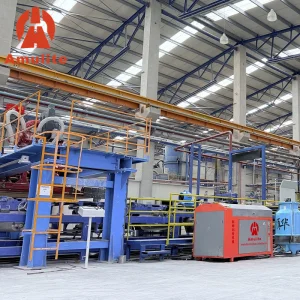
China Fiber Cement Board /Calcium Silicate Board Production Line Factory, Companies
View Product Details →
Famous Amulite AAC Blocks Customized Automatic Machines- 4.2m Manufacturers, Company
View Product Details →
OEM EPS Sandwich Cement Wall Panels Production Line Companies, Products
View Product Details →
China Automatic Bricks Making Production Line Manufacturers, Products
View Product Details →
Best Flexible Clay Ceramic Tile Production Line Manufacturer, Companies
View Product Details →
China Non-Asbestos/Asbestos Cement Corrugated Roof Sheets Production Line Company, Product
View Product Details →
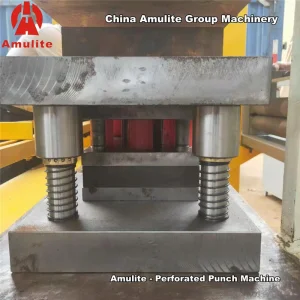
High-Quality Amulite Perforated Punch Machine System Technical Data Manufacturer, Suppliers
View Product Details →
Best AM806BH-10 Technical Parameters Manufacturer, Products
View Product Details →