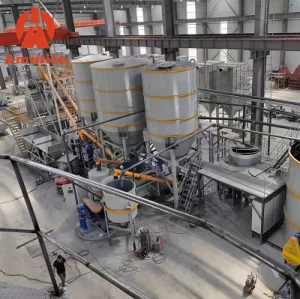
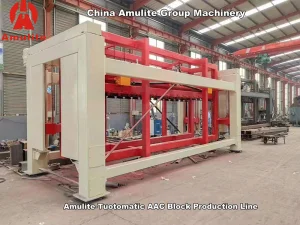
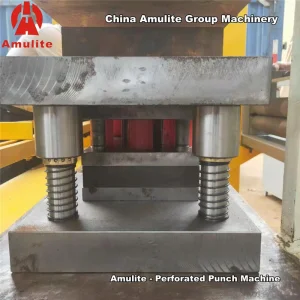
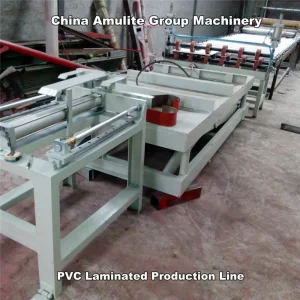
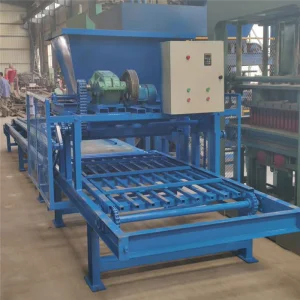
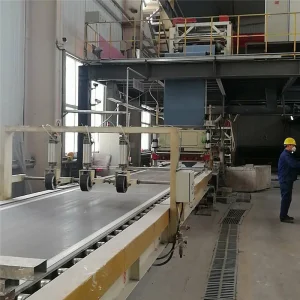
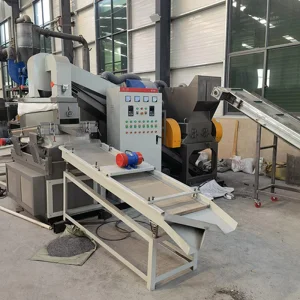
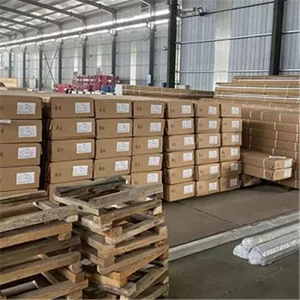
Explore our engineered equipment matrix, featuring high-precision panel production lines, cutting-edge automated processing setups, and mineral insulation machinery.
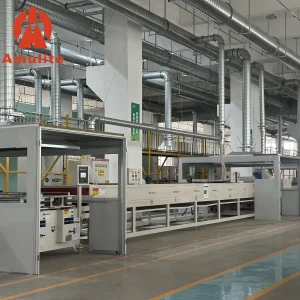
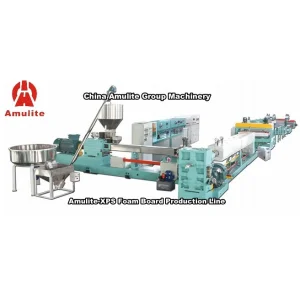
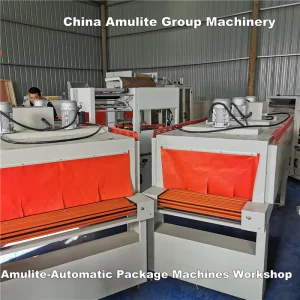
An in-depth evaluation of concealed mechanical fastening, thermal bridge elimination, and high-throughput automated roll forming line design for modern building envelopes.
Unlike standard exposed-fastener overlap panels, the Z-Joint (Z-Lock) interlocking profile hides structural fasteners inside the female side of the joint seam. When adjacent panels lock under machine precision, the screw head is completely enclosed.
This eliminate water ingress pathways, prevents fastener corrosion caused by acid rain exposure, and achieves a flawless exterior building facade required by modern architectural standards for industrial parks and commercial hubs.
Thermal breaking performance is crucial for pharmaceutical cleanrooms and cold storage facilities. The automated continuous Z-lock profile formation process embeds precision-milled EPS (Expanded Polystyrene) insulation slabs directly into the metal skin's internal groove profile.
By eliminating metal-to-metal continuity across the interior and exterior steel skins, thermal conduction is reduced down to λ ≤ 0.038 W/(m·K), preventing moisture condensation and energy loss.
Z-Lock joint structural strength directly correlates with cold-roll former precision. Advanced line machinery applies 22 to 28 sequential roller stations to form deep structural ribs along the interlocking male-female joint edge.
Under heavy wind uplift loads (up to 3.5 kPa), the concealed joint distributes shear and tensile stresses evenly across the wall panel length, preventing joint separation or perimeter cladding blow-offs during severe storms.
How leading Chinese engineering suppliers deliver turnkey efficiency by converting raw steel coils and EPS foam blocks into ready-to-install architectural sandwich panels.
Heavy-duty hydraulic uncoilers supply prepainted galvanized steel (PPGI) or aluminum coils up to 10 tons. Closed-loop optical sensors automatically correct lateral coil drift before metal enters roll forming rollers.
Sequential #45 forged steel rollers, chrome-plated to HRC 58-62 hardness, form the surface ribs, edge grooves, and complex Z-lock male/female interlocking geometry with zero micro-cracking of paint layers.
High-density EPS core blocks are sliced using automated hot-wire networks. High-speed CNC routers cut precise shoulder steps into the EPS sides to complement the Z-lock metal interlocking profile perfectly.
Automated reciprocating spray gantries evenly coat both steel sheet surfaces with two-component polyurethane adhesive. Metered pump systems maintain optimal stoichiometric mixing ratios for maximum bond strength.
The assembled sandwich structure enters a 14-to-24 meter heated caterpillar double-belt continuous press. Thermostatically controlled pressure plates ensure continuous curing under 40°C–60°C temperature profiles.
Servo-driven flying band saws cut finished panels to accurate lengths up to 18 meters while moving at full line speed. Automated vacuum lifting arms stack finished Z-lock panels directly onto shipping pallets.
Key technical benchmarks, total cost of ownership (TCO) considerations, and mechanical inspection criteria for global engineering procurement teams.
When auditing machine manufacturing factories, buyers must inspect the roll-former drive system. Superior suppliers utilize solid 80mm-90mm #45 steel shafts with keyway drive gearing rather than cheap chain-driven setups.
Check CNC machining tolerances on forming rollers. Micron-level accuracy ensures long-term panel consistency across high-speed production runs without metal fatigue.
Modern production facilities demand standardized PLC architecture (Siemens S7-1500, Schneider Electric, or Mitsubishi Electric) integrated with intuitive HMI touchscreens. Remote Ethernet diagnostics gateways allow engineers to troubleshoot software bugs across borders instantly.
CE marking, UL electrical cabinet compliance, and IP54 dust-proof control enclosures are mandatory requirements for European and North American industrial deployments.
Turnkey Z-Joint EPS continuous sandwich panel lines represent a strategic CapEx investment. Choosing lines with modular core compatibility—capable of working with EPS, SEPS (Graphite EPS), Mineral Rock Wool, and PU edge-sealing—allows factories to pivot product offerings quickly without buying secondary roll-forming machines.
Minimizing operational risks through localized commissioning, structural certification alignment, and comprehensive technician training programs.
Z-Lock panels manufactured on premium Chinese equipment satisfy stringent structural and safety codes around the globe: EN 14509 (Self-supporting double skin metal faced insulating panels), ASTM E72 (Structural performance testing of wall panels), and BS 476 / ISO 1182 fire safety performance ratings.
Leading suppliers dispatch senior mechanical and electrical field engineers directly to customer sites worldwide. Field services include foundation mounting verification, precision alignment of double-belt caterpillars, adhesive metering calibration, and local raw-material trial runs until production meets capacity guarantees.
Standardized mechanical parts (such as SKF/NSK bearings, Nord gearboxes, and SMC pneumatic components) combined with localized spare parts kits ensure fast replacements. Remote IoT connection modules allow factory experts in China to inspect PLC logs, adjust servo drive parameters, and optimize line speed remotely in real time.
Emerging technological shifts defining the next decade of automated modular panel manufacturing systems.
Market demand is pivoting toward combined fire protection and ultra-low weight. Next-generation production lines feature quick-change core feeders, blending fireproof Rock Mineral Wool strip inserters along joint edges with Graphite EPS (SEPS) cores to achieve Class A fire ratings alongside high thermal insulation.
In-line optical cameras paired with AI machine vision inspect Z-lock seam dimensions, paint surface scratches, and core adhesion uniformity in real time at 15 m/min. Any tolerance deviation triggers automatic servo adjustment, guaranteeing zero-defect panel output.
Modern plants are integrating closed-loop solvent-free polyurethane adhesives alongside heat recovery systems from double-belt vulcanization ovens. Excess heat is recaptured to preheat incoming steel sheets, reducing total factory kWh electricity consumption per square meter by up to 22%.
Direct engineering clarity on performance metrics, equipment selection, and panel manufacturing workflows.
Explore our broader machinery inventory, encompassing cement wall panel equipment, block production setups, and specialized material recycling lines.