Industry Whitepaper & Technical Guide

China Flow On Slurry Cement Board Machines Manufacturer & Manufacturers

Next-Generation Continuous Slurry Deposition Technology, High-Density Fiber Cement Board Engineering & Comprehensive Turnkey Plant Solutions for Global Industrial Markets

Featured Cement & Board Machinery Line (Part I)

High-performance production lines, precast component machinery, and structural board manufacturing systems engineered by industry specialists.
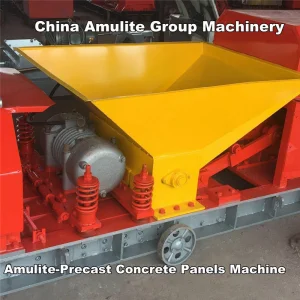
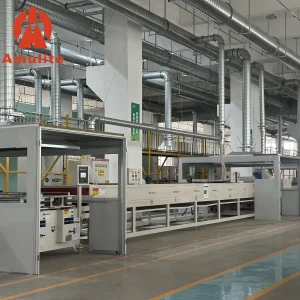
Best Precast Concrete Products Machinery Manufacturers
Best Precast Concrete Products Machinery Manufacturers, Products
View Technical Specs
OEM UV Coating Painting Production Line Manufacturer
OEM UV Coating/Painting Production Line Manufacturer, Factories
View Technical Specs
Flexible Clay Ceramic Tile Production Line Manufacturer
Best Flexible Clay Ceramic Tile Production Line Manufacturer, Companies
View Technical Specs
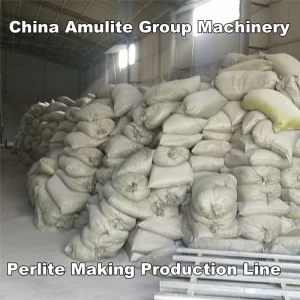
Perlite Production Line Manufacturers
Buy Perlite Production Line Manufacturers, Company
View Technical Specs
EPS Sandwich Cement Wall Panels Production Line
OEM EPS Sandwich Cement Wall Panels Production Line Companies, Products
View Technical Specs
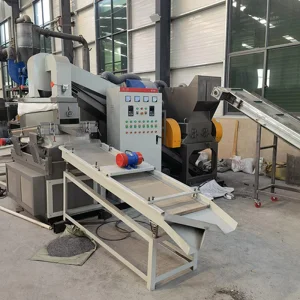
Copper Wire Recycling Machine Companies
Buy Copper Wire Recycling Machine Companies, Products
View Technical Specs
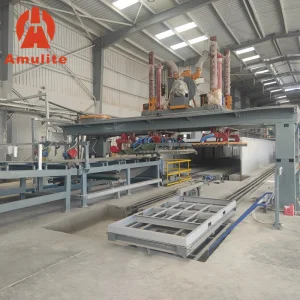
Fiber Cement Board Calcium Silicate Board Production Line
China Fiber Cement Board /Calcium Silicate Board Production Line Factory, Companies
View Technical Specs
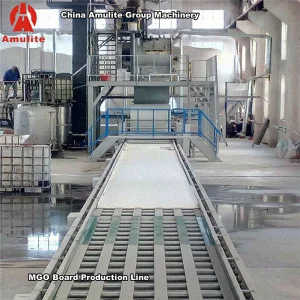
OEM China Amulite Group MGO Board Production Line
OEM China Amulite Group MGO Board Production Line Factories, Product
View Technical Specs

1. Executive Summary: The Evolution of Flow-On Slurry Cement Board Technology

In the modern building materials industry, the global shift toward resilient, fireproof, non-combustible, and moisture-resistant building envelopes has accelerated the adoption of advanced fiber cement boards and calcium silicate panels. At the core of high-throughput manufacturing lies the mechanical choice between modern Flow-On Slurry (Direct Continuous Slurry Deposition) machinery and traditional Hatschek cylinder-vat forming processes.

While the Hatschek process has served the fiber-cement industry for over a century, modern architectural demands—specifically thick tile backer boards, heavy-duty exterior cladding panels, structural floor substrates, and glass-mesh reinforced cementitious panels—require density consistency, higher mechanical shear tolerance, and precise thickness control that traditional cylinder-vat systems struggle to maintain efficiently at high line speeds. China's top-tier manufacturers have pioneered significant technical enhancements in Flow-On Slurry Cement Board Machines, establishing a new global benchmark for operational cost, material flexural strength, and automation integration.

Information Gain Metric: Flow-On Slurry technology achieves up to 40% reduction in labor requirements and precise thickness consistency (±0.2mm) across 6mm to 30mm thick boards, eliminating layer delamination risks inherent to traditional multi-cylinder wrapping mechanisms.

±0.2mm
Thickness Tolerance
1.2-1.7
g/cm³ Density Range
>16 MPa
Flexural Strength (Autoclaved)
99.2%
Raw Material Efficiency

1.1 Understanding the Flow-On Slurry Mechanism vs. Hatschek Process

The continuous Flow-On Slurry process dispenses a controlled, homogenous cementitious slurry (comprising Portland cement, refined silica sand, cellulose fibers, glass fibers, and functional mineral additives) directly onto a continuous porous synthetic felt or mesh belt. Unlike the Hatschek process where thin film layers (0.2–0.3mm) are progressively accumulated on a forming cylinder, the Flow-On method utilizes a dynamic distribution headbox with vacuum dewatering manifolds beneath the forming belt.

This direct slurry deposition delivers distinct engineering advantages:

  • Zero Delamination Risk: Because the board is cast as a monolithic slurry mass or controlled multi-layer wet-on-wet flow, inter-laminar shear failures during autoclave steam curing or freeze-thaw cycles are completely eliminated.
  • Higher Coarse Aggregates Inclusion: Flow-On machines easily handle slurries with higher solid contents, recycled lightweight aggregates, and longer glass fiber reinforcement without clogging cylinder screens.
  • High Production Throughput: Continuous linear speeds ranging from 15 to 45 meters per minute drastically boost annual plant yields (from 3 million m² up to 20 million m² per line).

2. Global Sourcing Trends & Industrial Buyer Procurement Requirements

Purchasing directors, plant engineering teams, and institutional project buyers face increasing complexity when sourcing commercial scale cement board production machinery. Beyond capital equipment pricing (CAPEX), decision-makers analyze long-term operational costs (OPEX), energy footprint, spare parts interchangeability, raw material versatility, and compliance with international standards such as ASTM C1185, ASTM C1288, EN 12467 (Class 1 to 5), and ISO 8336.

2.1 Key Regional Sourcing Intent & Technical Requirements

Analysis of global procurement intent highlights clear regional variations in machine specification demand:

North America & Europe

Focus on heavy-duty tile backer boards (1/2" and 1/4" cement boards) with fiberglass mesh reinforcement, zero-asbestos formulations, strict dust control systems (OSHA silica compliance), and high-degree PLC automation with SCADA telemetry.

Southeast Asia & South Asia

High demand for non-asbestos fiber cement sheets and calcium silicate boards (4mm–12mm) for ceiling grids, lightweight partitions, and wet-area walls. Sourcing focuses on local raw silica utilization and energy-efficient autoclave steam systems.

Middle East & Latin America

Preference for high-density exterior wall cladding lines (1.4–1.7 g/cm³) with UV-curing painting lines, deep wood-grain embossing hydraulic presses, and high thermal insulation composite panel lines.

2.2 Technical Comparison: Machinery Specifications

To assist plant engineers in evaluating hardware configurations from leading Chinese manufacturers, the table below provides operational parameters across major machine lines:

Technical Parameter Standard Flow-On Slurry Line Heavy-Duty Autoclaved Line Ultra-High Density Cladding Line
Annual Capacity 3,000,000 – 6,000,000 m² 8,000,000 – 15,000,000 m² 5,000,000 – 10,000,000 m²
Board Thickness Range 4mm – 20mm 6mm – 30mm 8mm – 25mm
Board Density Range 1.1 – 1.35 g/cm³ 1.25 – 1.50 g/cm³ 1.45 – 1.75 g/cm³
Forming Machine Width 1350mm / 1450mm 1600mm / 2700mm 1350mm / 1600mm
Hydrothermal Curing System Pre-curing Tunnel + Steam Room High-Pressure Autoclave (10-12 Bar) Post-Press + Autoclave Matrix
Main Line Installed Power 450 kW – 650 kW 850 kW – 1400 kW 950 kW – 1600 kW

3. Turnkey Plant Engineering & Macro Manufacturing Solutions

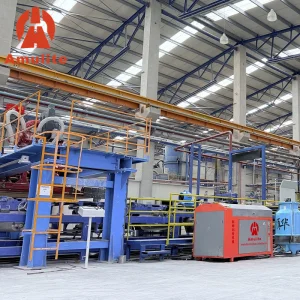
Delivering a high-yielding cement board manufacturing plant requires meticulous engineering across raw material dosing, wet-end slurry preparation, continuous sheet deposition, vacuum dewatering, pre-curing, hydraulic stacking, autoclaving, and automated finishing.

3.1 Raw Material Dosing & Slurry Rheology Optimization

The key to board strength lies in slurry micro-structural uniformity. Leading Chinese flow-on manufacturers engineer automated dosing systems that utilize multi-stage slurry dispersion:

  • Cellulose Fiber Fibrillation: Wet pulping and double-disc refining systems turn virgin unbleached kraft pulp or recycled fiber into micro-fibrillated fibers with high water-retention and fiber-interlocking capabilities.
  • Silica Sand Ultra-Fine Grinding: Continuous wet ball mills grind local quartz sand down to a specific surface area of 3500–4500 cm²/g, ensuring optimal silica-to-lime reaction kinetics during autoclave curing.
  • Homogenous Slurry Blending: Slurry mixing tanks equipped with variable-frequency turbine agitators maintain a stable solid-to-liquid ratio (typically 20-30% solids depending on slurry flow dynamics).

3.2 Dewatering, Forming, and Hydraulic Pressing Architecture

Once the slurry flows from the slurry headbox onto the continuous belt, high-vacuum suction boxes (graduated vacuum pressure from -0.02 MPa to -0.07 MPa) extract excess water sequentially. This controlled dewatering prevents pinholes, micro-cracks, and density variation.

For high-density boards, an inline heavy-duty continuous roller press or a 7,000-ton hydraulic multi-opening batch press compresses the wet green sheets, increasing board density from 1.2 g/cm³ up to 1.6+ g/cm³ while raising flexural strength (MOR) beyond 18 MPa.

4. Technical Roadmap & Future Trends (2025 – 2035)

Pioneering green manufacturing, low-carbon binders, and artificial intelligence in fiber cement engineering.

LC3 & Carbon-Neutral Binders

Transitioning from 100% Ordinary Portland Cement (OPC) to Limestone Calcined Clay Cement (LC3) and alkali-activated slag slurries, reducing embodied CO₂ emissions by 30% to 45% per board.

AI Closed-Loop Thickness Control

Integrating laser profiling sensors and ultrasonic density scanners with PLC headbox actuators, enabling real-time micro-adjustments to slurry deposition across the forming table width.

Zero-Waste Slurry Recycling

Advanced closed-loop water clarification centrifuges and green edge-trim slurry re-injection systems, achieving zero industrial wastewater discharge across the line.

5. Localized Support, Installation & International Compliance Assurance

Purchasing capital machinery from China requires confidence in installation engineering, overseas training, local electrical code compliance, and long-term spare parts availability. Top-tier manufacturers maintain structured E-E-A-T (Experience, Expertise, Authoritativeness, and Trustworthiness) protocols throughout the project lifecycle:

5.1 Engineering Deployment & On-Site Commissioning

  • Civil Engineering & Layout Assistance: Provision of 3D BIM plant models, foundation load schematics, utility connection points (steam, compressed air, raw water, electricity), and cable trench layouts.
  • Field Installation Specialists: Deployment of multi-disciplinary installation teams (mechanical engineers, hydraulic specialists, electrical PLC programmers, and raw material formulation chemists) for 60 to 90 days on-site.
  • Raw Material Formulation Adaptation: Testing and optimizing local cement, fly ash, silica sand, and cellulose fibers in the client's country to achieve targeted board mechanical properties at minimum unit cost.

5.2 International Electrical & Safety Certification

All machinery control cabinets are built with global premium automation components (Siemens S7-1500 PLC, Schneider electrical switches, ABB variable frequency drives, SEW reducers) conforming to CE Mark directives, UL electrical standards, and ISO 9001:2015 quality management frameworks.

Advanced Material Production Lines & Processing Systems (Part II)

Comprehensive product matrix including insulation board lines, stone crushers, polishers, sheet metal lines, and specialized processing plant equipment.
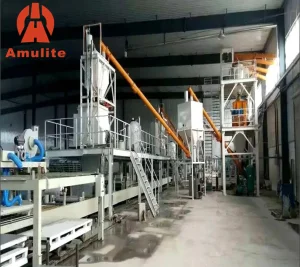
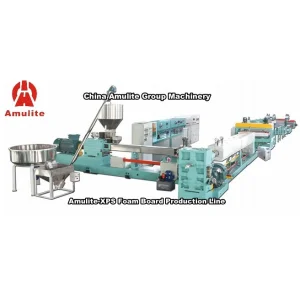
XPS Insulation Tile Backer Production Line Supplier
Best XPS Insulation Tile Backer Production Line Supplier, Companies
View Technical Specs
CO2 XPS Foam Board Production Line Factory
OEM Amulite CO2 XPS Foam Board Production Line Factory, Factories
View Technical Specs
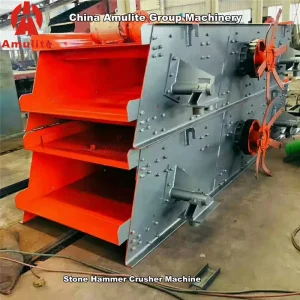
Stone Hammer Crusher Machine Suppliers
OEM Stone Hammer Crusher Machine Suppliers, Factory
View Technical Specs
Expanded perlite production line Supplier
China Expanded perlite production line Supplier, Products
View Technical Specs
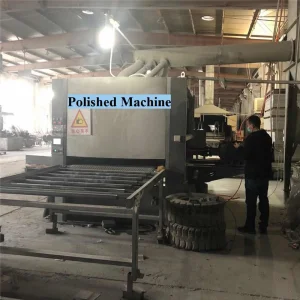
Single Face Polished Machine Manufacturers
China Single Face Polished Machine Manufacturers, Suppliers
View Technical Specs
Non-Asbestos Cement Corrugated Roof Sheets Production Line
China Non-Asbestos/Asbestos Cement Corrugated Roof Sheets Production Line Company, Product
View Technical Specs
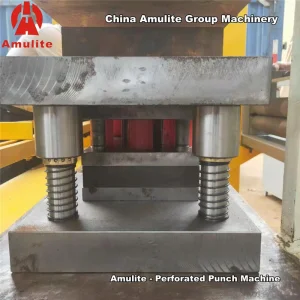
Amulite Perforated Punch Machine System Technical Data
High-Quality Amulite Perforated Punch Machine System Technical Data Manufacturer, Suppliers
View Technical Specs
Embossed Metal Composite Exterior Panels Production Line
High-Quality Embossed Metal Composite Exterior Panels Production Line Manufacturers, Company
View Technical Specs

6. Frequently Asked Questions (FAQ) & Buyer's Intelligence

Detailed answers to technical, commercial, and engineering questions regarding China Flow-On Slurry Cement Board Machines.

Q1: What is the main difference between a Flow-On Slurry Cement Board Machine and a Hatschek Fiber Cement Board Line?
The fundamental distinction lies in slurry deposition and forming mechanism. A Hatschek machine uses multiple sieve cylinder vats to transfer micro-layers (0.2-0.3mm) onto a felt, wrapping them around a accumulation roll until desired thickness is reached. In contrast, a Flow-On Slurry Machine dispenses the liquid slurry mass directly onto a continuous forming belt in a uniform flow, followed by progressive vacuum dewatering. Flow-On lines eliminate inter-laminar delamination risks, accommodate thicker panels (up to 30mm) easily, and allow higher coarse-aggregate and glass-fiber inclusions.
Q2: What raw materials are required to produce 100% asbestos-free fiber cement boards?
A standard non-asbestos formulation consists of Ordinary Portland Cement (OPC 42.5 or 52.5 grade, 35-45%), finely ground quartz silica sand (SiO₂ > 90%, 40-50%), refined unbleached cellulose kraft pulp (6-9%), and functional additives such as wollastonite, mica, or lightweight perlite (3-8%). For non-autoclaved air-cured boards, alkali-resistant glass fibers (AR-glass) or polyvinyl alcohol (PVA) fibers replace the silica-hydrothermal synthesis mechanism.
Q3: How much plant space and utility infrastructure are needed for a standard 5 million m²/year line?
A typical 5,000,000 m²/year Flow-On Slurry line requires an main workshop building of approximately 180m (length) x 24m (width) x 8m (eave height), plus raw material storage silos, pulping area, and cured board storage space (total footprint ~15,000 m²). Utility requirements include an installed electrical capacity of approximately 850 kW, a 4–6 ton/hour steam boiler (for pre-curing tunnels and autoclaves), and a recirculating water system delivering 50-80 m³/hour.
Q4: Why is autoclaving necessary for high-performance calcium silicate and cement boards?
Autoclaving subjects wet green boards to high-pressure saturated steam (10 to 12 Bar, 175°C to 190°C) for 8 to 12 hours. Under these hydrothermal conditions, quartz silica reacts with calcium hydroxide to form crystalline Tobermorite [Ca₅Si₆O₁₆(OH)₂·4H₂O]. This crystalline matrix provides high dimensional stability, zero moisture movement, superior fireproofing (Class A1), and exceptional durability against wet-dry and freeze-thaw cycles.
Q5: What after-sales installation, training, and operational guarantees do Chinese manufacturers provide?
Reputable manufacturers assign a dedicated team of field installation engineers, PLC programmers, and process chemists to site. Services include foundation verification, mechanical erection, electrical wiring supervision, trial production runs, local raw material formulation tuning, and intensive operator training until target board capacity and ASTM/EN standards are consistently met. Remote PLC diagnostic modules are installed in the main control panel for 24/7 online troubleshooting.