Explore our precision-engineered production plants designed for modular wall panels, fireproof insulation boards, and high-performance composite building materials.
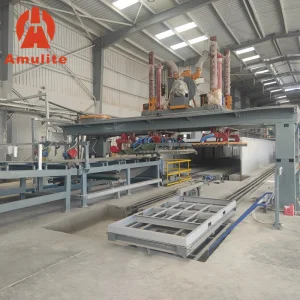
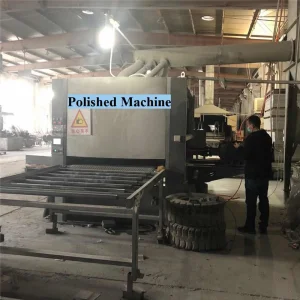
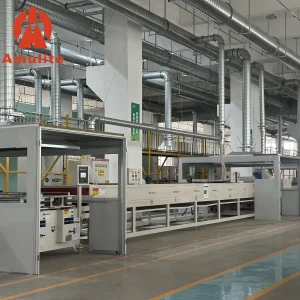
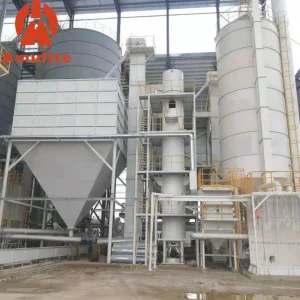
The global commercial architecture, cold storage logistics, and high-tech industrial infrastructure sectors are undergoing a paradigm shift in building envelope specifications. Historically dominated by Expanded Polystyrene (EPS) and basic Polyurethane (PU) cores, modern architectural codes now aggressively mandate non-combustible materials capable of offering superior fire safety without compromising thermal efficiency or structural load capacity.
Rock wool (also known as mineral wool), derived from natural basalt rock and slag molten at temperatures exceeding 1,450°C, represents the gold standard in fireproof insulation. When integrated into continuous roll-forming and lamination lines with high-tensile pre-painted galvanized steel (PPGI) or aluminum facings, rock wool sandwich panels deliver Class A1 non-combustible ratings (EN 13501-1), with fire endurance capabilities reaching up to 240 minutes.
Achieves 120–240 minute structural integrity under direct flame exposure up to 1,000°C, essential for high-hazard gigafactories and logistics hubs.
Thermal conductivity (λ) down to 0.035–0.038 W/m·K, significantly reducing HVAC operational costs in extreme hot or cold climates.
Fibrous matrix structural density provides up to 32 dB sound absorption, ideal for industrial power plants and urban commercial facades.
Macroeconomic shifts in green building codes, coupled with industrial insurance pressure (such as FM Global guidelines), have propelled global demand for rock wool sandwich panel production lines. Engineering buyers and turnkey EPC contractors are focusing heavily on specific high-growth sectors:
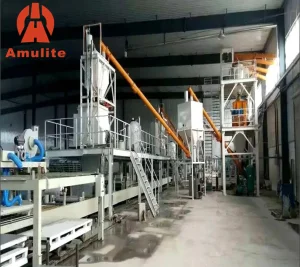
Our heavy-duty rock wool sandwich panel machines are continuous, automated systems designed for high-capacity plant operators worldwide.
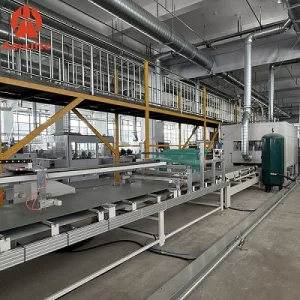
A continuous high-speed Rock Wool Sandwich Panel Line comprises over a dozen synchronized electro-mechanical sub-systems. Each subsystem operates under a unified closed-loop PLC SCADA control architecture to maintain strict dimensional tolerances, uniform adhesive distribution, and zero delamination risks.
| Operational Parameter | Standard Configuration | Heavy-Duty Industrial Line | Hybrid PU-Edge Line |
|---|---|---|---|
| Line Speed Capability | 3 – 8 m/min | 6 – 12 m/min | 8 – 15 m/min |
| Panel Thickness Range | 50 – 150 mm | 50 – 200 mm | 50 – 250 mm |
| Rock Wool Core Density | 80 – 120 kg/m³ | 100 – 150 kg/m³ | 100 – 160 kg/m³ |
| Compressive Strength | ≥ 0.08 MPa | ≥ 0.12 MPa | ≥ 0.15 MPa |
| Shear Strength | ≥ 0.05 MPa | ≥ 0.08 MPa | ≥ 0.10 MPa |
| Steel Sheet Thickness | 0.4 – 0.7 mm | 0.4 – 0.8 mm | 0.5 – 0.8 mm |
| Double-Belt Conveyor Length | 18 Meters | 24 Meters | 30 Meters |
| Control Architecture | Siemens S7-1200 PLC | Siemens S7-1500 PLC | Siemens S7-1500 + SCADA IoT |
The future of fireproof sandwich panel manufacturing relies heavily on automated quality assurance and digital twin integration. As labor costs rise and quality tolerances tighten, leading factories are deploying four critical innovations:
X-ray and ultrasonic online sensors scan the rock wool core slabs prior to lamination, dynamically detecting voids, micro-fractures, or density shifts in real-time.
Automated closed-loop flow meters adjust polyurethane resin spraying rates based on real-time surface roughness and ambient temperature fluctuations.
Multi-zone infrared thermal sensors control the double-belt heating elements, guaranteeing precise adhesive curing without thermal warping of pre-painted steel.
Edge trimming dust and rock wool off-cuts are automatically pulverized, compressed, and re-fed into insulation backing panels or acoustic dampening products.
For global buyers, purchasing machinery from an OEM factory requires stringent verification of international standards. Rock wool panel manufacturing plants engineered by top-tier suppliers adhere to the following worldwide regulatory frameworks:
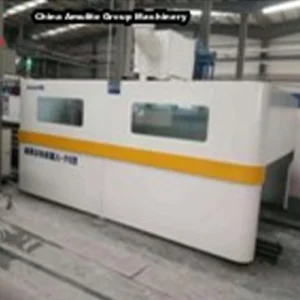
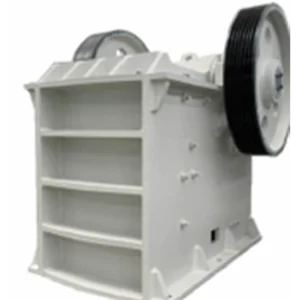
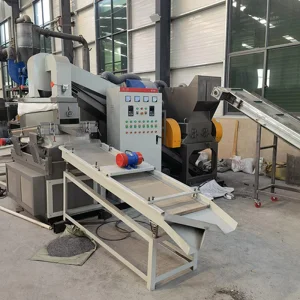
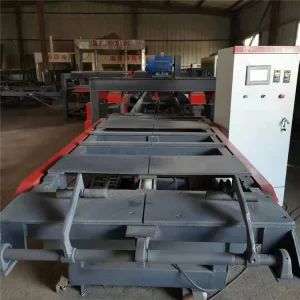
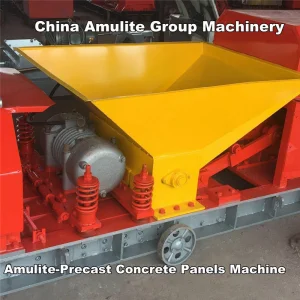
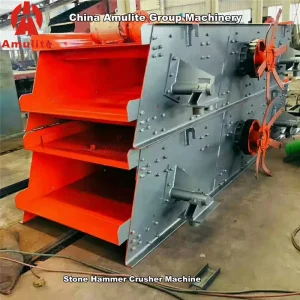
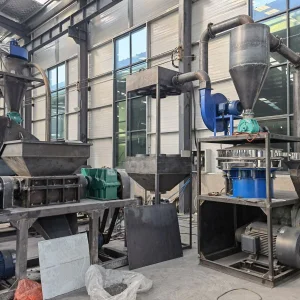
Explore our complete inventory of industrial board machinery, crushing systems, and material processing equipment.
In-depth responses covering procurement, technical capabilities, operational logistics, and site commissionings.
Standard rock wool panel edges are fibrous and susceptible to water vapor absorption. Adding continuous PU/PIR side-sealing seals the longitudinal tongue-and-groove joint with rigid closed-cell polyurethane foam. This boosts moisture barrier performance by over 95%, enhances structural joint shear strength, prevents fiber flaking during installation, and provides superior air-tightness required for cold storage and pharmaceutical cleanroom applications.
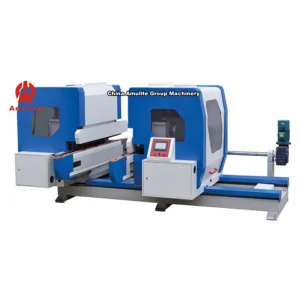
Raw mineral wool slabs have fibers running parallel to the board surface, offering poor compressive strength. Our automated rock wool cutting and turning unit cuts the slab into strips (lamellas) and rotates them 90 degrees before insertion between the steel skins. This positions the mineral fibers perpendicular to the metal facings, increasing compressive strength by up to 300% (reaching ≥ 0.15 MPa), enabling the finished panel to carry high wind and snow loads.
Manufacturing lead time for a complete heavy-duty production line ranges from 90 to 120 days. On-site civil planning, foundation verification, mechanical installation, electrical wiring, PLC programming, and trial runs take 45 to 60 days under the guidance of our resident field service engineering teams. We also supply complete raw material formulation recipes, operator safety training, and 24/7 IoT remote diagnostic support.
We utilize high-performance two-component polyurethane (2K PU) or epoxy-based structural adhesive systems. The adhesive must be precisely metered and atomized across the steel surface. The double-belt laminator press maintains an optimal reaction temperature between 50°C and 70°C, ensuring full chemical cross-linking and eliminating risks of surface bubbling or long-term delamination under thermal expansion cycles.
Our lines are engineered with premium industrial automation components: Siemens S7-1500 PLC central processing units, Siemens or Schneider HMI touchscreens, Yaskawa or Mitsubishi servo motion controllers, ABB frequency inverters, and Schneider low-voltage electrical switchgear. All PLC cabinets are built to IP54 standards with integrated climate-control units.