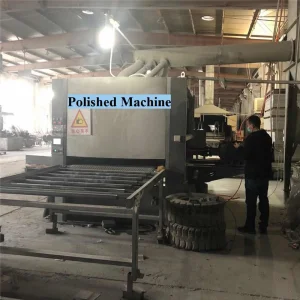
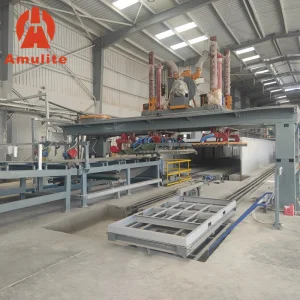
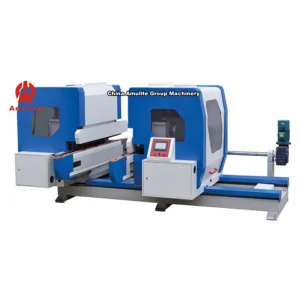
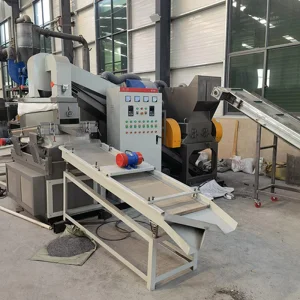
Explore our primary machinery portfolio designed for high-capacity board production, automated handling, and precision surface finishing.
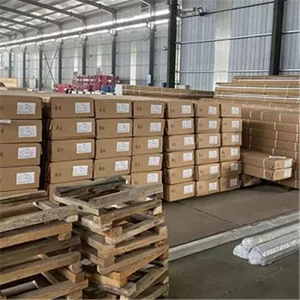
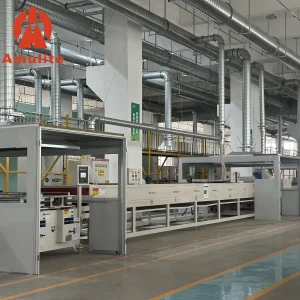
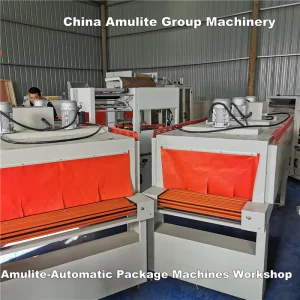
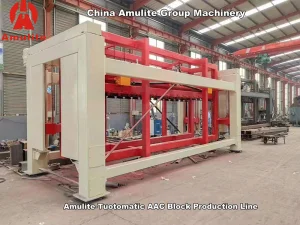
The modern construction ecosystem demands building elements that unite structural integrity, lightweight characteristics, superior thermal resistance, and accelerated installation cycles. At the forefront of this industrial shift is the Sandwich Wall Panel Machine Line. Designed for heavy-duty industrial execution, contemporary automated production lines have transformed from basic manual casting setups into fully integrated, PLC-controlled mechatronic systems.
Whether producing Light EPS Cement Sandwich Panels, Calcium Silicate Board Core Panels, Polyurethane (PU/PIR) Insulated Panels, or Rockwool Fire-rated Composite Walls, leading manufacturers must engineer equipment that balances raw material dosing accuracy with thermal curing optimization and high-speed automated handling.
Historical panel machinery suffered from high reject rates caused by uneven slurry density, core-to-skin delamination, and thermal expansion fractures. Modern engineering solves these vulnerabilities through Continuous Double-Belt Vulcanization Laminators, high-frequency ultrasonic slurry dispersion, and dynamic pneumatic demolding systems.
By replacing legacy static mold cars with continuous vertical or horizontal extrusion lines, automated plants achieve output velocities ranging from 4.0 to 12.0 meters per minute while maintaining dimensional tolerances under ±0.5 mm—a requirement for prefabricated modular construction.
Evaluating machinery parameters, structural engineering capabilities, and global plant turn-key integration metrics.
Utilizes Portland cement, fly ash, expanded polystyrene (EPS) beads, and chemical foaming agents bonded with calcium silicate board skins. Features automated dry batching, wet mixing pumps, and vertical multi-cavity hydraulic mold cars with thermal water circulation curing.
Designed for high-speed continuous production of cold storage and architectural facade panels. Integrates high-pressure polyol and isocyanate metering equipment, roll-forming machines for steel sheets, and a 24 to 36-meter double-belt caterpillar conveyor.
Delivers structural fire barrier panels (over 4 hours fire protection rating). Features automated block slitting, mineral fiber lamella 90-degree turning systems, polyurethane side-seal injection, and high-load structural adhesive application.
China’s industrial engineering infrastructure provides unmatched cost performance, deep supply chain integration, and rapid OEM/ODM line customization.
China manufactures over 70% of the world’s heavy building material machinery. This massive industrial density allows top manufacturers to source heavy-duty CNC machining components, high-torque gear reducers, hydraulic valve blocks, and pneumatic systems within localized industrial clusters (such as Hebei, Shandong, and Jiangsu).
As a direct result, capital expenditures (CAPEX) for a complete Chinese automated sandwich wall panel machine line are typically 30% to 50% lower than European equivalents, while delivering identical or superior throughput capacities.
Western equipment builders often enforce rigid standard line designs. In contrast, premium Chinese suppliers provide custom chemical formulation tuning, plant floorplan adjustments, local voltage adaptions (e.g., 380V, 415V, 480V 50Hz/60Hz), and modular expansion configurations.
From accommodating local raw materials—such as high-calcium fly ash, pozzolana cement, or volcanic slag—to engineering specialized tongue-and-groove joint profiles, Chinese engineering teams execute turnkey EPC projects with lead times under 120 days from contract execution.
An enterprise-grade sandwich wall panel machine line consists of six fully synchronized mechanical subsystems working under unified PLC SCADA oversight.
| Subsystem Unit | Core Mechanical Components | Automation & Control Features | Key Operational KPI Target |
|---|---|---|---|
| 1. Raw Material Dosing & Mixing | Bulk cement silos, EPS expander, pneumatic conveyors, high-shear slurry mixer | Load cell weight sensors, automated water/agent ratio dosing PLC | Batch consistency index > 99.2% |
| 2. Board Feeding & Positioning | Automatic vacuum lifters, sheet aligners, continuous conveyor beds | Photoelectric sensors, servo positioning motors | Zero sheet mis-alignment, continuous feed |
| 3. Slurry Injection & Core Forming | High-pressure slurry pumps, continuous side-sealing tracks, mold cars | Volumetric injection monitoring, vibration frequency modulation | Voids density < 0.1% across panel cross-section |
| 4. Thermal Curing System | Thermal oil boilers, heated mold tunnels, internal hot-water heat exchangers | Multi-zone temperature sensors, automated steam dampers | Accelerated green strength within 3-4 hours |
| 5. High-Precision Demolding | Hydraulic mold overturners, pneumatic panel pushers, transit cars | Synchronized hydraulic cylinder stroke matching | Zero panel edge chip or face cracking |
| 6. Automated Trimming & Stacking | Diamond blade edge profiling saws, dust extractors, robotic palletizers | Laser positioning guidance, automated shrink wrapping | Final squareness tolerance < 0.3 mm |
Lightweight EPS cement panels produced by our machinery lines weigh only 55–65 kg/m², which is roughly 1/6th the weight of traditional concrete block masonry. This dramatic weight reduction cuts structural steel framing costs, speeds up internal partitioning, and elevates acoustic insulation (STC > 45 dB).
For agricultural storage, pharmaceutical cold rooms, and food processing facilities, continuous PU/PIR sandwich panel lines manufacture panels with thermal conductivity as low as 0.018 W/m·K. Cam-lock male-female joint profiling prevents thermal bridging and moisture ingress.
Rockwool core wall panels are indispensable for chemical plants, power stations, and industrial warehouses. Manufactured with high-density structural basalt mineral fibers running perpendicular to skin surfaces, these panels withstand direct fire exposures above 1,000°C for over 240 minutes.
In-depth answers addressing raw material sourcing, equipment maintenance, ROI periods, and electrical specifications.
Based on operational plant data across Southeast Asia, the Middle East, and Latin America, a medium-scale automated plant producing 500,000 m² of EPS cement wall panels annually typically achieves full CAPEX payback within 12 to 18 months of operating at 70% capacity. Profit margins remain attractive because raw materials (fly ash, sand, cement, EPS) are widely available at low local commodity prices, while finished panels command premium pricing due to speed-of-construction advantages.
Yes. Prior to factory equipment fabrication, our material testing laboratory analyzes samples of your local Ordinary Portland Cement (OPC), fly ash fineness, silica sand mesh sizes, and foam agents. We calibrate the slurry mixing ratios, water-cement ratios, and chemical accelerator dosages specifically to match your regional raw materials, ensuring that finished panels pass international standards such as ASTM C129 and EN 12467.
A standard continuous EPS or PU sandwich wall panel machine line requires a covered workshop length of 80 to 120 meters, a width of 18 to 24 meters, and a minimum hook clearance height of 6.0 meters. Total electrical power connection ranges from 120 kW to 280 kW depending on automation levels (such as automated stacking and packaging). Steam supply requirements range from 1.5 to 3.0 tons per hour for EPS pre-expansion and thermal curing loops.
Every project includes on-site installation oversight by our senior field engineering teams. We manage civil foundation alignment checks, mechanical frame erection, electrical PLC bus wiring, and fluid piping installation. Following mechanical completion, our chemical process engineers lead trial runs until target output speed and structural panel density are verified. Your local operators undergo rigorous 14-day training covering daily operation, preventative maintenance, and safety protocols.
Primary consumable parts include side-sealing rubber tracks, slurry pump rotor/stator seals, diamond saw blades on the automatic cutting machine, and vacuum suction cups on the panel lifters. Our machine design utilizes globally standardized parts from suppliers like Siemens, Schneider, AirTAC, and SKF, enabling easy local procurement. We also ship a 2-year operational spare parts package alongside the main machinery shipment.
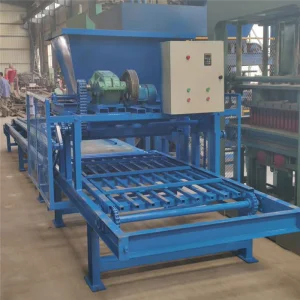
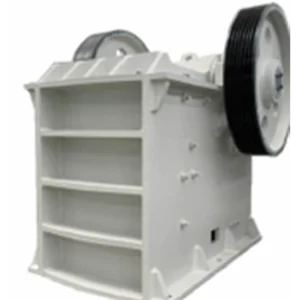
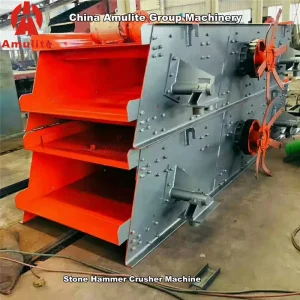
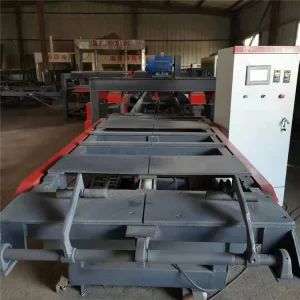
Discover additional crushing, recycling, cutting, board-making, and block manufacturing equipment engineered to complete your production facility.
Consult with our application engineers for turnkey plant layouts, raw material formulation optimization, customized budget projections, and technical quotations tailored to your regional market demands.