Turnkey industrial manufacturing equipment engineered for high throughput, precise thermal control, and zero-defect output across international construction sectors.
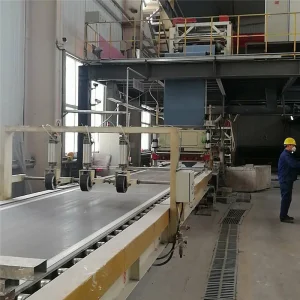
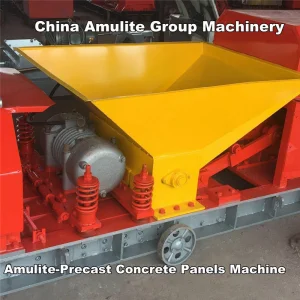
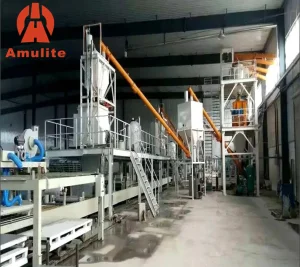
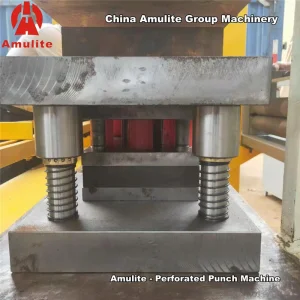
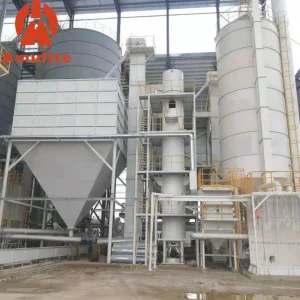
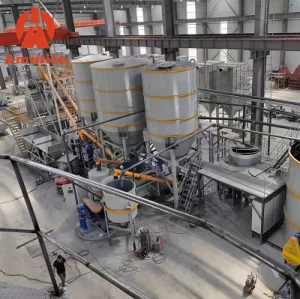
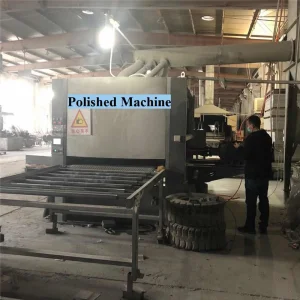
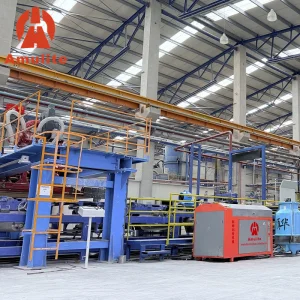
As global infrastructure and civil engineering transition toward decarbonized, lightweight, and thermal-efficient materials, industrial extrusion machinery has evolved into the cornerstone of modern manufacturing.
Modern extrusion systems for rigid XPS (Extruded Polystyrene) foam boards, PVC profiles, and WPC (Wood-Plastic Composites) demand ultra-stable melt pressure, zero thermal degradation, and precise gas injection. High L/D ratio twin-screw extruders now achieve throughput rates exceeding 1,200 kg/h with strict cell density uniformity.
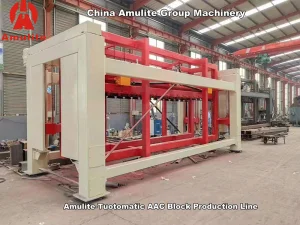
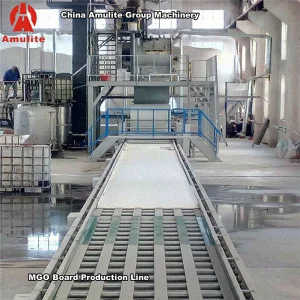
Extrusion technology extends far beyond plastics. In building envelope manufacturing, heavy-duty hydraulic and screw-driven extruders process mineral-filled fibers, AAC concrete slurries, and metal composite panels, achieving mechanical shear forces necessary for density homogenization.
Global procurement teams prioritize extruders capable of processing up to 100% post-consumer recycled (PCR) resins and mineral waste. Advanced vacuum degassing zones purge moisture and volatile organics without sacrificing tensile strength or flexural modulus.
| Extruder Type | Primary Processing Material | L/D Ratio Range | Melting & Degassing Efficiency | Target Industrial Application |
|---|---|---|---|---|
| Co-Rotating Twin-Screw Extruder | XPS, PVC, WPC, Polymer Compounds | 36:1 to 52:1 | Ultra-High (Multi-Stage Degassing) | High-density insulation, masterbatch compounding |
| Single-Screw Heavy Extruder | PE, PP, Rubber, Fiber Slurries | 24:1 to 32:1 | Moderate to High | Heavy piping, sheet profile continuous extrusion |
| Direct-Co2 Physical Foaming Extruder | Polystyrene, Polyolefin, PET | 40:1 to 56:1 | Extreme Precision (Supercritical Injection) | Zero-ODP tile backer boards, eco-insulation panels |
| Hydraulic RAM & Vacuum Extruder | Clay, Fiber Cement, AAC Slurry | N/A (Piston/Auger) | Vacuum De-airing (>98%) | Structural hollow tiles, exterior facade planks |
China’s industrial extrusion equipment sector has transitioned from cost-competitive assembly to world-class precision engineering, metallurgic innovation, and end-to-end supply chain integration.
Leading Chinese manufacturers utilize high-grade nitrided steel (38CrMoAlA) and bimetallic alloy coatings (nickel-based tungsten carbide) for screws and barrels. CNC thread-milling machines ensure barrel tolerances within ±0.015mm, guaranteeing resistance against corrosive flame retardants and abrasive glass fibers.
From high-torque reduction gearboxes (Flender-equivalent service factors >1.8) to Siemens/Schneider PLC hardware, Chinese OEM factories draw from localized industrial clusters. This lowers machine manufacturing lead time by 40% compared to European counterparts while retaining international standard compliance.
From architectural insulation panels to urban infrastructure and industrial recycling, continuous extrusion systems power critical modern applications.
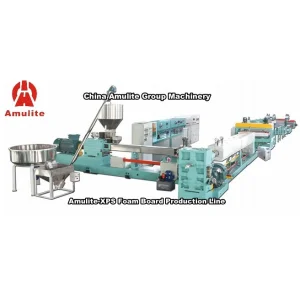
XPS insulation board extrusion lines utilize direct-gas injection (CO2 / Ethanol) to produce high-compressive boards (200–800 kPa). These waterproof boards are calibrated, faced with cementitious polymer mortar, and used as tile backing systems in wet rooms and exterior walls.
Continuous thermal extrusion laminates fire-resistant core materials (polyethylene or mineral filling) between pre-painted metal sheets. Precision die heads maintain uniform core thickness across 1,300mm wide panels for modern exterior cladding.
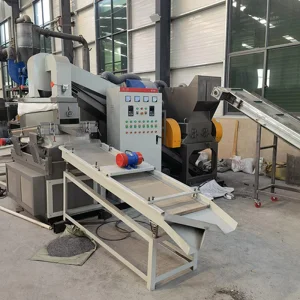
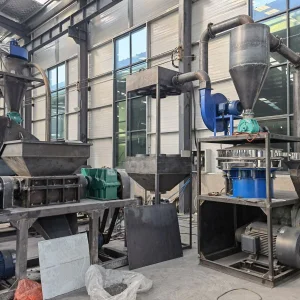
Specialized extruders and pelletizers melt and strain recovered copper wire insulation, lithium battery separators, and post-industrial plastic scrap, transforming waste streams into high-purity industrial pellets.
The future of machinery manufacturing belongs to intelligence, energy efficiency, and zero-carbon processing technologies.
Eliminating ozone-depleting HCFCs and fluorocarbons, modern XPS and foam extrusion machinery utilizes supercritical carbon dioxide (sCO2) injection. This requires high-pressure metering pumps (up to 35 MPa) and specialized screw mixing sections.
Industry 4.0 integration incorporates multi-component loss-in-weight gravimetric feeders linked directly to main screw RPM via Siemens S7-1500 PLC systems. Fluctuations in raw material bulk density are corrected automatically within milliseconds.
Replacing traditional ceramic band heaters with electromagnetic induction barrel heating cuts electricity consumption by 30-45%. Rapid response times prevent localized melt overheating and optimize total cost of ownership (TCO).
Industrial buyers and plant investors must evaluate technical specifications against long-term operational expense (OPEX) and factory support capabilities.
Prioritize manufacturers providing verifiable metallurgical certification, barrel hardness ratings (HV ≥ 900), gear drive torque capacity (Nm/cm³ per side), and documented melt pressure transducer integration. Request factory acceptance dry-run video tests prior to shipping.
A turnkey extruding line contract must define clear commissioning terms: on-site foundation layout engineering, raw material formulation optimization using local sands/polymers, and hands-on maintenance crew training until target output specs are achieved.
Direct answers to crucial technical and operational queries raised by global factory managers and procurement executives.
For high-performance XPS insulation board production utilizing blowing agents like CO2, Ethanol, or HFCs, a primary plasticizing extruder usually requires an L/D ratio between 32:1 and 36:1, followed by a secondary cooling extruder with an L/D ratio of 30:1 to 34:1 to optimize melt temperature uniformity before reaching the slot die.
Quality Chinese manufacturers employ 38CrMoAlA alloy steel subjected to gas nitriding treatment (depth 0.5–0.8mm, surface hardness ≥ 950 HV). For abrasive mineral fillers or corrosive additives, bimetallic barrels with alloy coatings (Ni-based alloy + tungsten carbide) are installed, extending service life beyond 15,000 operational hours.
Manufacturing lead time ranges from 45 to 90 days depending on system complexity (e.g., single extruder vs. co-rotating twin-screw multi-layer line). Factory dry-testing, calibration, and pre-shipment inspections typically take 7 to 10 days prior to sea freight packaging.
Yes. Custom screw profiles (mixing elements, shear blocks, and barrier flights) are tailored to match your specific melt flow index (MFI), moisture levels, and filler percentages (e.g., calcium carbonate, wood powder, or recycled flakes), ensuring stable pressure at the die head.
Complete the production line with automated profiling, crushing, foam extrusion, and high-efficiency raw material recovery systems.