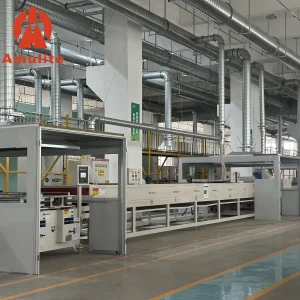
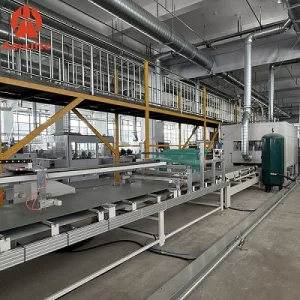
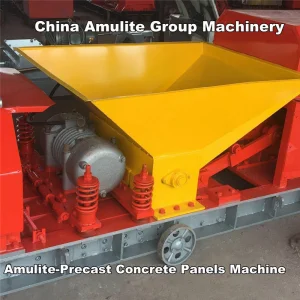
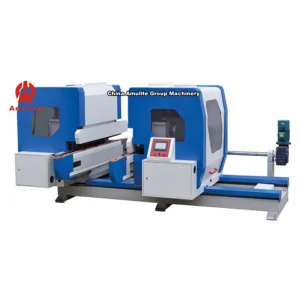
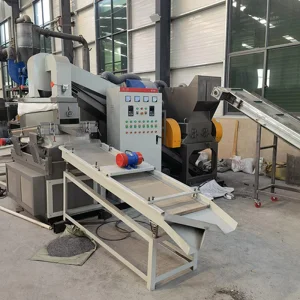
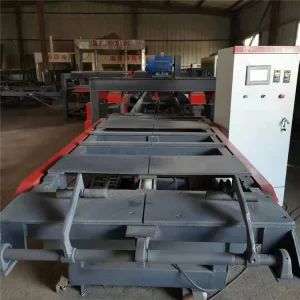
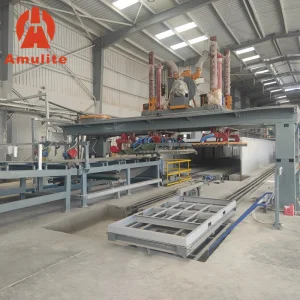
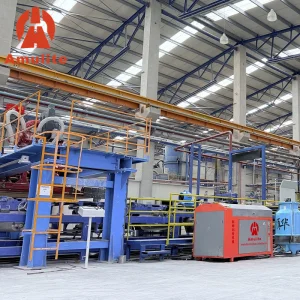
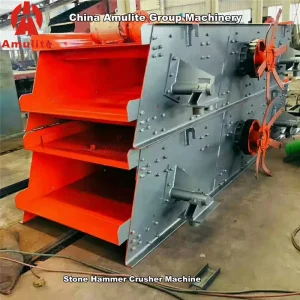
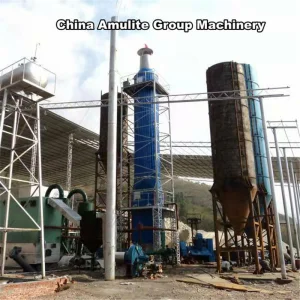
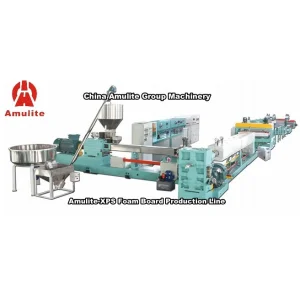
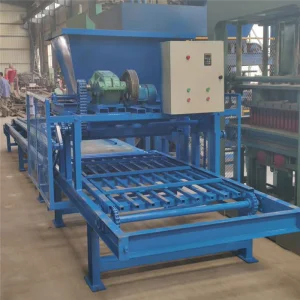
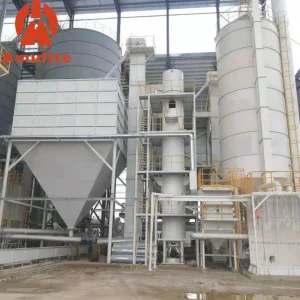
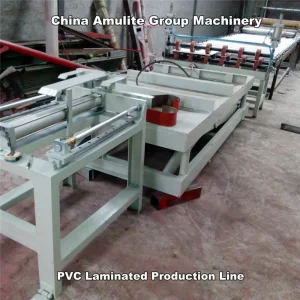
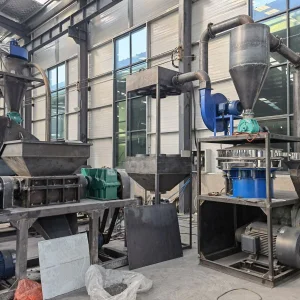
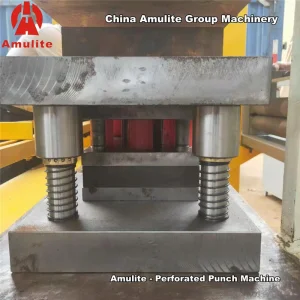
Explore our core manufacturing units engineered for ultra-high throughput, precise surface embossing, and maximum material resilience.
How modern architectural requirements drive the evolution of high-pressure texturing machinery across residential and industrial facade manufacturing.
The global building envelope market is experiencing a profound transformation. Traditional smooth fiber cement boards, while functional, are rapidly losing market share to 3D embossed design fiber cement sheets. Contemporary architectural trends prioritize rich tactile aesthetics—such as deep cedar wood grain, natural alpine slate, stacked linear grooves, and brickwork patterns—without compromising structural integrity, non-combustibility (Class A1 fire rating), or atmospheric durability.
Modern embossing machinery must operate under extreme hydraulic loads while maintaining sub-millimeter registration accuracy across high-speed continuous production cycles. As worldwide regulations phase out combustible wood composite and PVC siding, high-density fiber cement sheets produced by advanced embossing machinery serve as the primary replacement in modern building envelopes.
Investing in an engineered embossed fiber cement sheet line delivers significant commercial margins compared to standard untextured board lines. Premium embossed board configurations command a 35% to 65% market price premium over basic flat sheets, while incurring minimal incremental raw material cost.
Achieving flawless relief depth requires advanced slurry dewatering control, micro-synchronized roller drives, and high-tonnage hydraulic post-pressing systems. Modern plants require machinery configured specifically to handle high-alkali cement matrices, silica flour micro-fillers, and reinforced cellulose fiber blends without surface tearing or thickness variation.
From raw slurry batching to high-pressure autoclaving: how precision machinery achieves structural density and deep relief texture.
The process begins with multi-vat Hatschek forming cylinders. Unbleached kraft pulp, Portland cement, microsilica, and synthetic reinforcing fibers are homogenized into a precise slurry (8–12% solids). The rotating mesh cylinders transfer thin film layers (0.8mm) onto a continuous felt belt, dewatering the matrix under vacuum suction boxes before winding onto the dynamic forming drum.
In-line continuous embossing is executed while the green sheet maintains optimal moisture plastic state (25–30%). Multi-axis CNC-machined steel embossing rollers featuring hardened chrome plating exert up to 400 kN/m linear pressure. Precision optical rotary encoders synchronize line velocity with roller RPM to guarantee zero pattern distortion across continuous 1350mm to 1600mm sheet widths.
For deep architectural patterns (up to 3.5mm relief), offline hydraulic template pressing is utilized. Stacks of green embossed boards layered with textured steel templates undergo massive compression (8,000 to 12,000 metric tons). This process collapses interstitial micro-voids, increasing density from 1.25 g/cm³ to over 1.65 g/cm³ and drastically reducing water absorption rates.
Precision computerized weighing of Portland cement, fine quartz sand (silica flour ground to >3800 cm²/g Blaine), cellulose fiber disc refining, and chemical flocculant addition.
Layering green wet sheets on the accumulating drum to target thickness (4mm to 20mm), followed by synchronized roller texture impression or high-tonnage template hydraulic pressing.
Controlled thermal pre-curing tunnel (45°C - 55°C, 90% RH) for 6–8 hours to establish initial green handling strength, automated vacuum demolding, and stainless steel template separation.
High-pressure steam curing inside industrial autoclaves (180°C, 1.0 to 1.2 MPa saturated steam for 10–12 hours). Converts free lime and quartz flour into stable, non-efflorescing Tobermorite crystalline structures.
Engineering configurations tailored for modern industrial output requirements.
| Performance Parameter | Standard Embossing Line | High-Capacity Hatschek-Embosser | Heavy-Duty Autoclaved Industrial Line |
|---|---|---|---|
| Annual Production Capacity | 2.0 to 3.5 Million m²/year | 5.0 to 8.0 Million m²/year | 10.0 to 15.0 Million m²/year |
| Board Thickness Range | 4 mm - 12 mm | 6 mm - 18 mm | 4 mm - 25 mm |
| Maximum Sheet Width | 1,220 mm | 1,350 mm | 1,600 mm |
| Embossing Method | Continuous Single-Roller | Synchronized Dual-Roller | Integrated High-Tonnage Press + Template |
| Relief Depth Capability | 0.5 mm - 1.8 mm | 0.8 mm - 2.5 mm | up to 3.5 mm (Deep Wood / Stone) |
| Forming Speed | 35 - 55 m/min | 60 - 85 m/min | up to 110 m/min |
| Control Automation | Semi-Automated PLC | Siemens S7-1500 PLC + SCADA | Full Industry 4.0 IoT Cloud Integrated |
| Flexural Strength (MOR) | ≥ 14 MPa (Class 3) | ≥ 18 MPa (Class 4) | ≥ 24 MPa (Class 5 - Extra Heavy Duty) |
Customizing board physical properties and pattern geometry to regional climate demands and building code standards.
In North American and European markets, strict fire codes (WUI zones, Euroclass A2-s1, d0) and high labor costs drive demand for pre-finished fiber cement lap siding. Machinery configured for these regions focuses on reproducing deep-grooved, authentic micro-cedar textures.
The embossing machinery must achieve high dimensional stability (<0.08% moisture movement) to prevent joint opening during harsh freeze-thaw cycles (-40°C to +40°C), while maintaining perfect edge squareness for fast mechanical blind-fastener installation.
Extreme thermal radiation, ambient heat exceeding 50°C, and abrasive desert sandstorms require ultra-high-density embossed panels (density > 1.60 g/cm³). The machinery integrates post-embossing secondary surface sealing and inline heat-treatment stages.
Embossed patterns popular in this region include geometric geometric arabesque motifs and modern linear monolithic textures, designed to conceal windborne sand micro-scratches and resist salt-air degradation in coastal Gulf installations.
High rainfall and constant ambient humidity (>85% RH) cause standard wood and gypsum ceilings to sag and rot. Embossed fiber cement ceiling tiles (4mm - 6mm thickness) with ventilated slot textures or decorative stippling are essential replacement solutions.
Machinery designed for tropical regions incorporates specialized anti-fungal chemical coating application modules immediately following the drying section, guaranteeing long-term mold resistance in high-moisture tropical applications.
Rapid urbanization and government social housing programs require cost-effective, impact-resistant wall cladding. Embossed masonry and brick-patterned boards allow quick panelized installation over light-gauge steel frames.
Machinery exported to these regions prioritizes raw material flexibility—enabling factories to utilize locally sourced low-cost pozzolans, volcanic ash blends, and recycled paper pulp while maintaining full compliance with ISO 8336 standards.
Why leading global building material conglomerates partner with China’s top-tier machinery engineering groups.
From heavy structural steel frame welding to 5-axis CNC machining of 2-meter diameter forming drums and deep-engraved laser embossing rollers, zero critical machining is sub-contracted. Complete internal quality control ensures precise tolerance matching and extended machine operational lifespan.
Leveraging China's comprehensive industrial supply chain for raw steel, premium hydraulic pumps, and advanced PLC electronics, European-equivalent machine performance is delivered at 40% to 55% lower capital expenditure. This enables accelerated project ROI and lower breakeven thresholds for investors.
Integrated modular pre-assembly in Chinese workshops reduces on-site setup time by over 30 days. Experienced engineering field teams manage overseas civil foundation checks, mechanical installation, electrical commissioning, and local operator technical training.
Next-generation innovations reshaping the fiber cement sheet machinery domain over the next decade.
Integration of high-speed 3D laser scanners and computer vision neural networks inline immediately after the embossing station. Real-time micro-depth profiling detects pattern degradation, surface tearing, or roller contamination instantly, automatically auto-adjusting hydraulic cylinder pressure.
Future embossing lines are engineered to process high-percentage calcined clay, alkali-activated blast furnace slag, and recycled mineral tailing binders. Advanced high-frequency vibration assist modules ensure thick geopolymer slurries flow smoothly into complex mold reliefs.
Eliminating long pattern switchover downtime through pneumatic quick-change sleeve technology. Plant operators can switch from a wood-grain sleeve to a linear slot sleeve in under 45 minutes, dramatically increasing batch versatility for small-lot custom architectural orders.
Every line engineered by China Amulite Group meets strict international mechanical, electrical, and material performance standards.
All mechanical components, hydraulic pressure vessels, steam autoclaves, and electrical enclosures comply fully with global safety directives:
Embossed boards manufactured on Amulite machinery are engineered to exceed international fiber cement testing standards:
Direct answers from our senior plant design engineers regarding fiber cement sheet embossing equipment.
With continuous roller embossing on green sheets, the typical relief depth ranges from 0.8mm to 2.2mm. When using high-tonnage template hydraulic pressing (up to 12,000 metric tons), deep 3D architectural reliefs up to 3.5mm (such as heavy stacked stone or rough-hewn timber textures) can be achieved reliably without cracking the green matrix.
Autoclaving under saturated steam (1.1 MPa, 183°C) cures the hydrated lime and silica flour into crystalline Tobermorite. Because the board has already undergone primary density compaction and pre-curing, the hydrothermal reaction locks the embossed design into a chemically inert state with virtually zero linear thermal or moisture expansion (<0.08%), preventing warping or pattern distortion.
Yes. Amulite engineers specialize in retrofit integrations. We can install an inline synchronized embossing roll unit after the accumulator drum, or integrate an offline high-tonnage template press stacker system into your existing pre-curing conveyor flow, depending on your target board thickness and pattern depth.
Embossing requires higher plastic green strength to accept fine roller impressions without surface tearing. We typically recommend slightly increasing the unbleached kraft cellulose pulp refining degree (Freeness 22–26°SR) and optimizing micro-silica flour distribution to enhance green cohesion prior to the embossing station.
Amulite embossing rollers are forged from premium alloy steel (42CrMo), precision CNC laser engraved, and electroplated with a micro-cracked hard chrome coating (>65 HRC surface hardness). Under standard operating conditions with proper high-pressure water washing, a single roller set yields 8 to 12 million linear meters of embossed board before requiring re-polishing or re-chroming.
We deliver end-to-end turnkey engineering: civil foundation engineering design, equipment fabrication, export packing, overseas installation supervision, electrical PLC commissioning, local raw material formula tuning, and comprehensive operator maintenance training. Remote PLC diagnostic telemetry is supplied standard with all lines.
Complementary processing machinery engineered to optimize your building material plant efficiency.