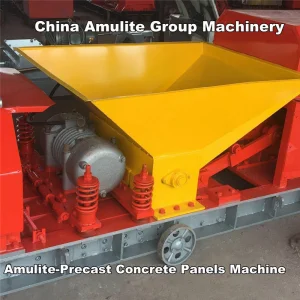
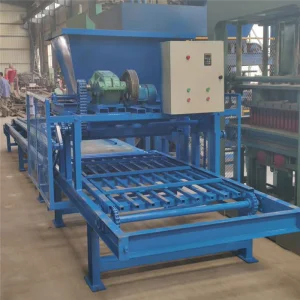
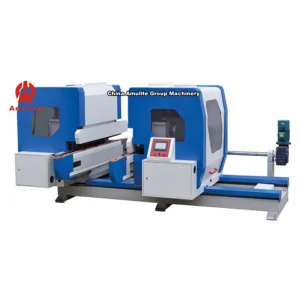
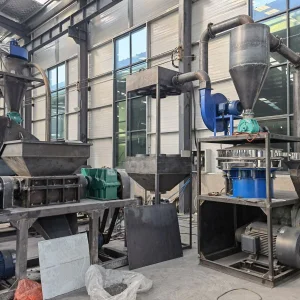
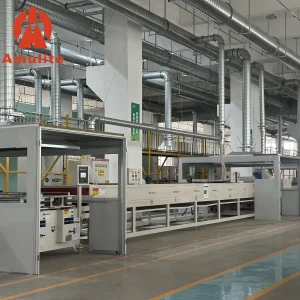
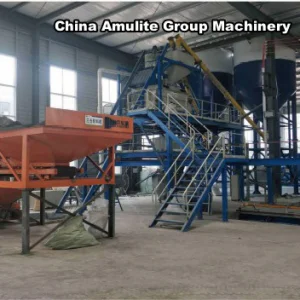
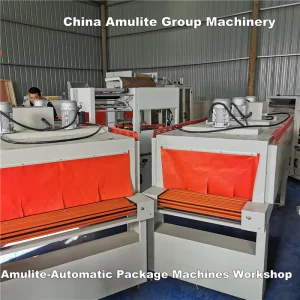
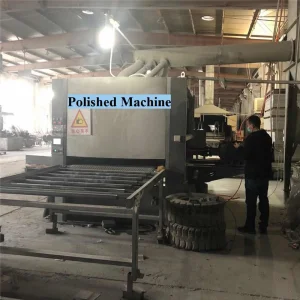
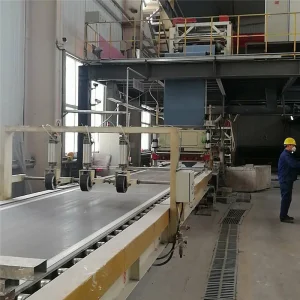
Explore our primary automated manufacturing lines engineered for high-throughput cladding, structural insulated panels, and advanced construction materials.
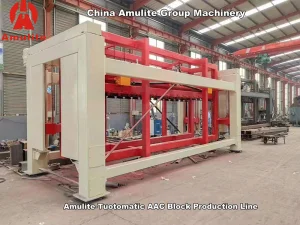
The modern global construction sector is undergoing a structural transition toward modularity, thermal efficiency, and compressed construction timelines. At the center of this transformation is the Expanded Polystyrene (EPS) Sandwich Panel—a composite building element renowned for its exceptional strength-to-weight ratio, superior thermal insulation, and cost-effective structural integrity. As an executive procurement director, factory owner, or industrial developer, securing a high-precision, fully automated OEM EPS Sandwich Panel Machine from an established manufacturer is no longer merely an equipment purchase; it is a strategic investment in manufacturing efficiency and operational scalability.
Across Western Europe, North America, the Middle East, and rapidly urbanizing regions of Southeast Asia, strict energy performance certificates (EPC) and net-zero building regulations are driving demand for high-performance insulated wall and roofing panels. EPS sandwich panels—consisting of a rigid cellular EPS core bonded between dual metallic skins (such as color-coated galvanized steel, aluminum, or fiber cement)—serve as the foundational envelope for cold storage facilities, cleanrooms, agricultural logistics hubs, and prefabricated residential units.
According to industrial market analyses, global demand for insulated sandwich panel machinery is projected to expand at a compound annual growth rate (CAGR) exceeding 6.8% over the next decade. Driven by the e-commerce boom and the subsequent demand for temperature-controlled cold chain logistics parks, factories equipped with high-speed continuous EPS panel production lines maintain a decisive competitive edge over legacy manual production setups.
Precision cold-roll forming units featuring 14 to 20 station forged steel rollers. Engineered to process color-coated galvanized steel coils (0.3mm - 0.8mm) into structural trapezoidal roof profiles or smooth wall lap-joints without damaging surface coatings.
Automated dual-component polyurethane (PU) or structural polymer glue distribution systems. Multi-nozzle reciprocating spray bars guarantee 100% surface coverage, preventing panel delamination under extreme shear stress.
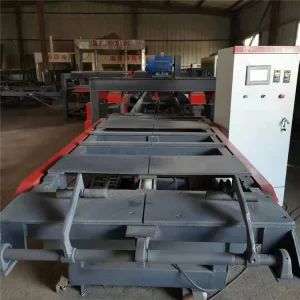
Heavy-duty caterpillar track lamination section stretching 10 to 24 meters in length. Temperature-controlled pressure plates deliver uniform compaction across the entire panel width, ensuring flat surfaces and perfect core adhesion.
| Parameter / Specification | Standard OEM Configuration | High-Speed Heavy Industrial Line |
|---|---|---|
| Working Speed | 4.0 – 8.0 meters / min | 8.0 – 15.0 meters / min |
| Panel Thickness Range | 50 mm – 200 mm | 30 mm – 300 mm (Customizable) |
| Steel Sheet Thickness | 0.3 mm – 0.6 mm | 0.4 mm – 0.8 mm |
| Core Material Compatibility | EPS Board / Expanded Polystyrene | EPS, Mineral Wool, Glass Wool, XPS |
| Control System Architecture | Siemens PLC + Touchscreen HMI | Siemens S7-1500 / Schneider Electric SCADA |
| Cut-off Mechanism | Hydraulic Tracking Band Saw / Flying Cut | High-Speed Servo Synchronized Saw |
China's manufacturing hubs offer unparalleled supply chain integration. From high-grade alloy steel forging for roll-forming dies to precision CNC machining centers, leading Chinese manufacturers like Amulite Group aggregate top-tier metallurgy, electrical control units, and hydraulic engineering under one ecosystem. This centralized advantage drops machine fabrication lead times by 35% compared to European counterparts.
Furthermore, OEM customizability is built into the manufacturing DNA. Whether your regional market demands specific tongue-and-groove joint profiles, hidden screw wall panel geometries, or specialized corrugated roof patterns, Chinese OEM factories deliver bespoke engineering modifications at a fraction of standard customization fees.
Modern OEM factories strictly operate under ISO 9001:2015 quality management protocols and CE safety standards. Prior to ocean freight dispatches, complete production lines undergo dynamic load testing, full dry-runs, and real-material laminating trials.
Clients receive comprehensive FAT video documentation, laser-alignment reports for roll-form shafts, and electrical circuit schematic verifications. This rigorous pre-shipment validation guarantees rapid on-site commissioning within 14 to 21 days upon arrival at the client's destination plant.
Production of 150mm–250mm thick EPS panels featuring labyrinth tongue-and-groove air-tight joints. Essential for preventing thermal loss in ultra-low temperature food processing facilities and pharmaceutical cold chain hubs.
Manufacturing of smooth-faced, dust-free anti-static EPS wall panels. Widely specified in semiconductor fabrication facilities, medical device packaging plants, and biotechnology research centers.
Rapid creation of structural roof and external wall claddings for commercial warehouses, manufacturing workshops, and logistics parks with high wind resistance and structural load specifications.
Mass production of lightweight, easy-to-assemble structural insulated panels (SIPs) for rapid deployment in disaster relief operations, worker accommodation camps, and modular residential units.
When global procurement directors evaluate an OEM manufacturer for an EPS sandwich panel production line, focusing solely on initial capital expenditure (CAPEX) can lead to long-term operational inefficiency. A comprehensive Total Cost of Ownership (TCO) evaluation framework must assess mechanical durability, spare parts availability, power consumption efficiency, and scrap rate minimization.
Verify that roll-forming shafts are machined from 45# forged steel or Cr12 alloy tool steel, hard-chrome plated to a minimum thickness of 0.05mm. Superior metallurgy prevents shaft deflection and ensures consistent panel profile dimensions over decades of continuous operation.
Ensure the continuous lamination line utilizes multi-axis servo synchronization. The speed of uncoilers, roll formers, adhesive dispensers, caterpillar presses, and flying tracking saws must be orchestrated by a central PLC via EtherCAT or PROFINET communication protocols.
Inconsistent adhesive distribution is the primary cause of panel delamination field failures. Premium machines incorporate gear metering pumps with variable frequency drives (VFD) that automatically adjust glue output relative to linear line speed fluctuations.
Modern EPS sandwich panel production lines are equipped with integrated IoT gateways. This connectivity allows manufacturer service engineers to perform remote PLC firmware updates, diagnose sensor anomalies, and monitor real-time production metrics from anywhere in the world, reducing un-planned downtime by over 70%.
Environmental regulations necessitate sustainable manufacturing practices. Next-generation production lines feature online EPS side-trimming scrap granulators. Off-cut EPS strips are instantly shredded, dust-filtered, and pneumatic-routed back into the block molding or expanding unit, achieving virtually zero raw material waste.
Discover our expanded range of board finishing, recycling, coating, and precast production line equipment designed for end-to-end plant integration.

Ready to optimize your building material manufacturing plant? Contact our senior engineering team today to request a turnkey project proposal, factory CAD layout design, detailed machinery quotation, or schedule a live video audit of our manufacturing facility.