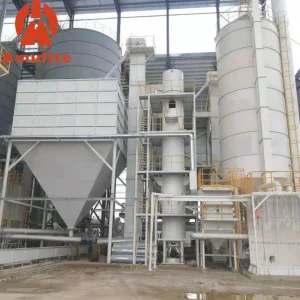
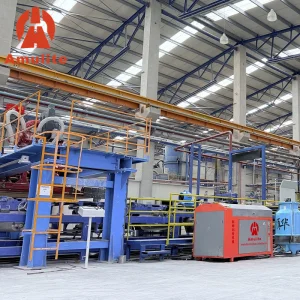
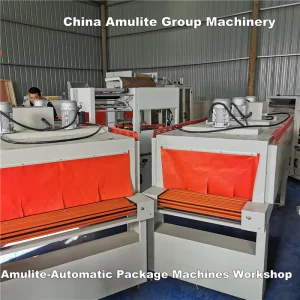
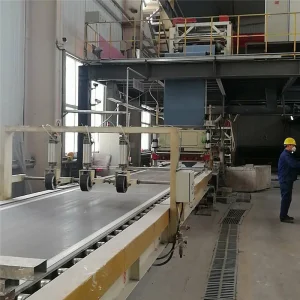
Explore our core engineered production systems, featuring continuous forming technology, high-precision laminating, and automated material handling.
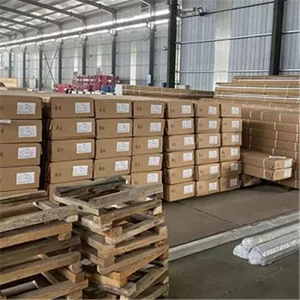
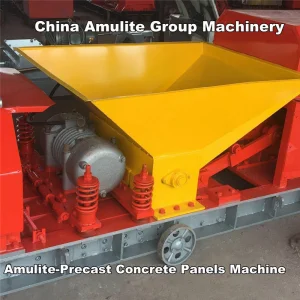
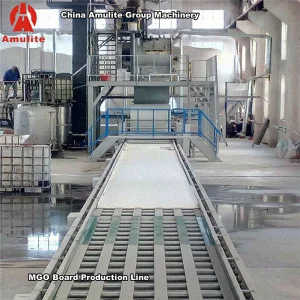
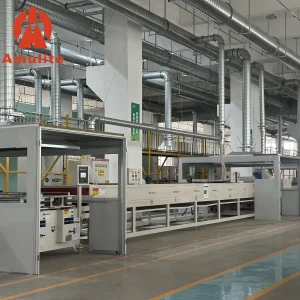
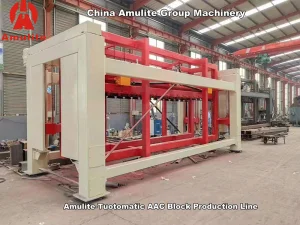
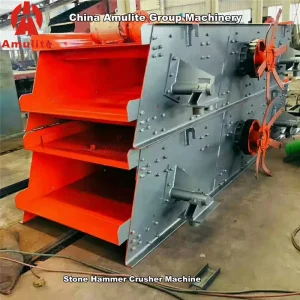
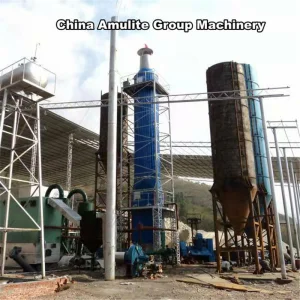
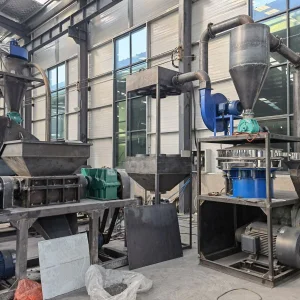
In modern industrial and commercial architecture, the global demand for energy-efficient, fire-resistant, and structural building envelopes has triggered a technological evolution in sandwich panel machine design. Premium continuous sandwich panel production lines integrate roll forming precision, high-pressure foam injection, composite core bonding, and automated cut-to-length systems into a single seamless manufacturing ecosystem.
Whether processing modern Expanded Polystyrene (EPS) lightweight cement mortar cores, Polyurethane (PU/PIR) rigid foams, Mineral Rockwool, or Fiber Cement skins, modern panel machinery must satisfy stringent international engineering standards. Global EPC (Engineering, Procurement, and Construction) contractors and building material factory investors now evaluate machinery manufacturers not merely on initial capital expenditure, but on long-term Information Gain, total cost of ownership (TCO), material recovery ratios, and line stability under continuous 24/7 heavy industrial operational conditions.
Key Engineering Takeaway: Modern sandwich panel machinery manufacturers must deliver continuous output capabilities featuring automated closed-loop PLC synchronization, hydraulic precision cutting, and low-waste dosing technology to guarantee thermal efficiency across industrial cold-chain, cleanroom, and structural partition applications.
A deep dive into the mechanical sub-systems that dictate structural rigidity, panel flatlines, and core-to-skin adhesion strength.
Heavy-duty hydraulic decoilers with automatic tension control coupled with multi-stage chrome-plated roll forming stands ensuring zero metal surface scratching during sheet profiling.
High-pressure metering pumps and mixing heads for PU/PIR systems, or high-accuracy volumetric batching stations for EPS concrete slurry applications, delivering uniform core density.
Precision-ground Caterpillar double-belt continuous conveyors (up to 30m length) with integrated temperature control to ensure perfect chemical curing and flat panel surface geometry.
Synchronized cross-cutting saws (band-saw or circular carbide blades) tied directly to encoder feedback, delivering ±1mm precision without interrupting continuous line speed.
Selecting the optimal sandwich panel machine depends on the target structural and insulation requirements of your regional market. Below is a comparative technical analysis engineered for factory planners:
| Panel Technology Type | Fire Rating (EN 13501) | Thermal Conductivity (W/m·K) | Core Density Range | Optimal Line Speed | Key Application Field |
|---|---|---|---|---|---|
| PU / PIR Rigid Foam Panel | B-s1, d0 to B1 Class | 0.018 - 0.022 | 38 - 45 kg/m³ | 8 - 25 m/min | Cold Storage, Cleanrooms, High-End Industrial Roofing |
| Rockwool / Mineral Wool Panel | A1 Non-Combustible | 0.038 - 0.044 | 80 - 140 kg/m³ | 4 - 12 m/min | Firewall Assemblies, Power Plants, Petrochemical Facilities |
| EPS Cement Lightweight Panel | A1 / A2 Fireproof | 0.055 - 0.070 | 450 - 650 kg/m³ | Semi-continuous Moulds | Internal Partitions, Low-Cost Prefab Housing, High-Rise Infill |
| Embossed Metal Decorative Board | B1 / A2 Class | 0.024 - 0.030 | 40 - 50 kg/m³ (PU Core) | 10 - 18 m/min | Architectural Exterior Facades, Modular Villas, Prefab Offices |
The global dominance of Chinese machinery manufacturers in the non-metallic building material sector—such as China Amulite Group—is rooted in a mature, integrated industrial supply chain ecosystem. Unlike regional assemblers who source components across isolated vendor bases, Chinese manufacturing clusters combine heavy metallurgical casting, high-precision multi-axis CNC machining, advanced electrical cabinet panel assembly, and comprehensive trial testing under one unified manufacturing infrastructure.
From heavy structural frames to micro-machined forming cylinders, complete control over raw steel procurement and heat treatment yields superior structural durability and lower production lead times.
High production throughput allows Chinese factories to deliver fully automated, turnkey sandwich panel production lines at a fraction of European equipment costs, drastically accelerating project ROI.
Extensive engineering teams allow custom tailoring of panel joint profiles (tongue-and-groove, secret-fix, overlapping corrugated) based on local wind-load and waterproofing requirements.
Every sandwich panel production line undergoes rigorous full-system dry testing and PLC diagnostic validation prior to overseas container loading, minimizing on-site installation risks.
How institutional buyers, real estate developers, and factory owners quantify equipment value, overall equipment effectiveness (OEE), and long-term operating profit.
When enterprise buyers invest in a commercial sandwich panel manufacturing plant, procurement decisions transcend simple machine pricing. Executive committees evaluate the investment across four crucial operational dimensions:
High equipment availability (>95%), optimized line speed stability, and minimal changeover downtime between panel thickness configurations directly maximize annual square-meter output.
Precision PU/PIR chemical dosing and controlled EPS slurry mixing reduce raw chemical scrap rates by up to 3.5%, translating into millions of dollars in annual material cost savings.
Variable-frequency drive (VFD) motors, heat recovery air tunnels, and insulated curing double-conveyors drastically lower overall electricity and steam consumption per cubic meter of finished panel.
Fully automated off-bearing, automatic vacuum stacking, stretch-wrapping, and palletizing reduce manual labor dependency on the factory floor by over 60%.
Deploying heavy industrial machinery into diverse international jurisdictions demands adherence to strict regulatory standards, electrical codes, and safety protocols. Leading Chinese suppliers provide complete end-to-end engineering assistance to ensure seamless local authority approval:
Equipment design adheres to European Machinery Directive 2006/42/EC, EN 14509 specifications, CE electrical safety compliance, and low-voltage directive requirements.
Dedicated resident engineers oversee civil foundation validation, mechanical assembly, electrical wiring, PLC calibration, and formula tuning directly on your factory site.
Integrated Cloud IoT gateways allow senior automation engineers to troubleshoot PLC ladder logic, optimize software parameters, and diagnose sensor inputs remotely in real time.
Comprehensive hands-on operator training programs covering machine operation, preventative maintenance schedules, quality control sampling, and quick-change tooling procedures.
The global construction equipment market is witnessing rapid shifts toward sustainability and digitalization. Key industry trends shaping the future of sandwich panel production lines include:
High-quality sandwich panels manufactured by modern production lines serve vital roles across diverse global infrastructure sectors.
Polyurethane and PIR core panels produced with precise tongue-and-groove joint profiles prevent thermal leaks in pharmaceutical cold rooms, blast freezers, and food processing hubs.
Ultra-flat sandwich panels with anti-static coated metal skins or fiber cement substrates provide dust-free, seamless wall and ceiling enclosures for semiconductor and biotech plants.
Lightweight EPS cement sandwich wall panels offer rapid assembly, high acoustic isolation, and superior earthquake resistance for residential developments and commercial infills.
Embossed decorative metal sandwich panels feature rich stone, brick, or metallic textures with integrated insulation, revolutionizing exterior building renovation projects.
Addressing core technical, financial, and logistical queries regarding sandwich panel production equipment.
Explore our complete ecosystem of fiber cement, silicate, perlite, gypsum, and crushing equipment designed for modern industrial plants.