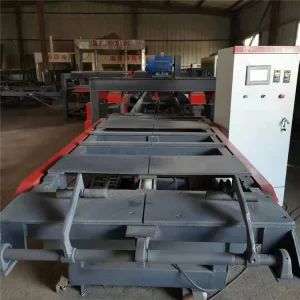
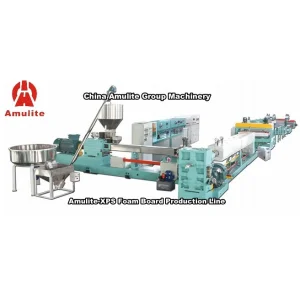
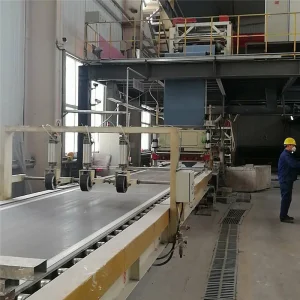
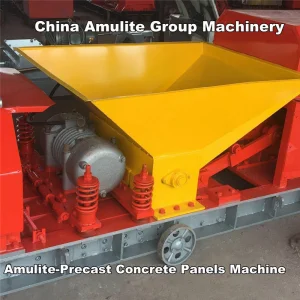
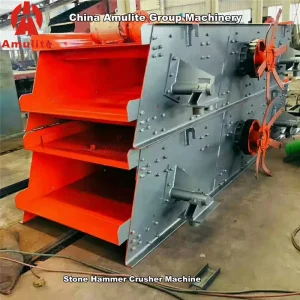
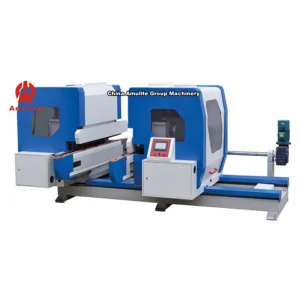
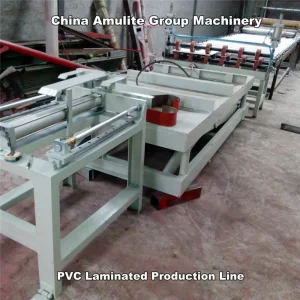
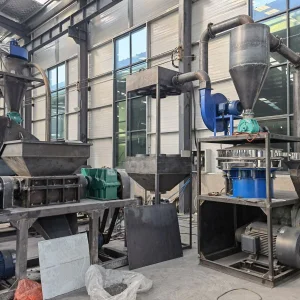
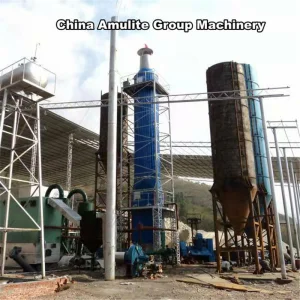
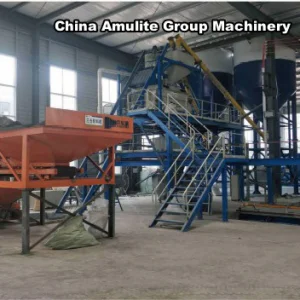
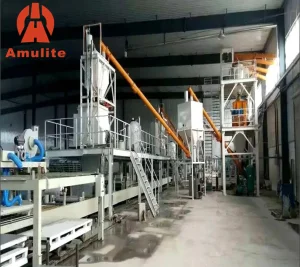
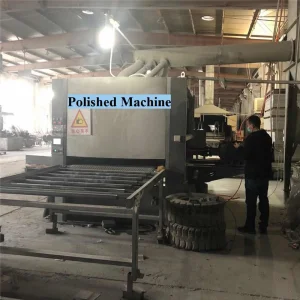
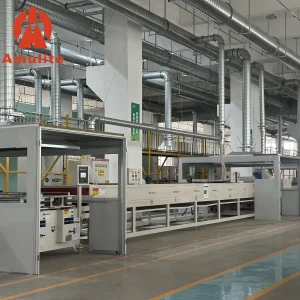
Explore precision-engineered roll forming systems, heavy-duty crushers, edge trimmers, and composite board lines designed for continuous 24/7 industrial production.
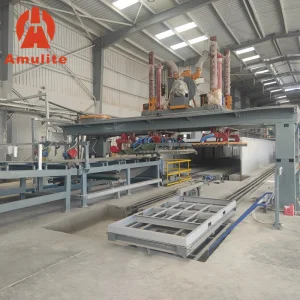
Analyzing macroeconomic drivers, structural transitions toward sustainable roofing, and the shifting dynamics of global EPC procurement.
The global construction and building envelope sector is currently undergoing a structural transformation driven by two main imperatives: accelerated urbanization in emerging markets and a strict global mandate for decarbonization and non-hazardous structural materials. Within this macro environment, roof forming machine companies and manufacturers of advanced corrugated sheet production lines occupy a critical node in the industrial supply chain.
Traditionally, roofing manufacturing relied on static press systems or low-speed forming machinery, which produced high scrap rates, inconsistent rib profiles, and severe material degradation under extreme environmental cycles. Modern industrial demand—ranging from wide-span commercial logistics centers to agricultural infrastructure and low-cost residential housing—demands continuous, high-speed automated roll forming systems and wet-process vacuum fiber cement corrugated board lines capable of operating at maximum uptime with zero defects.
Utilizing multi-stage pass roller sets (up to 24 stations) engineered from Cr12MoV vacuum-quenched alloy steel, ensuring zero profile distortion across high-tensile galvanized steel and pre-painted aluminum coils.
For corrugated fiber cement roofing, utilizing multi-vat slurry filtration, continuous felt vacuum dewatering, and automated corrugated profile forming to achieve A1 fire rating and extreme flexural strength.
Combining structural profiled outer metal/cement sheets with inline XPS insulation, PU foam, or PVC laminates for superior acoustical damping and thermal resistance in energy-efficient buildings.
Why leading global EPC firms and industrial plant operators prioritize Chinese roof forming machine manufacturers for high-CAPEX plant installations.
Chinese equipment hubs leverage full-cluster integration—from raw raw-material metallurgy, precision CNC machining, hydraulic power pack synthesis, to proprietary PLC software programming under one roof. This minimizes lead times from 12 months down to 90–120 days.
Utilizing high-frequency quenching, hard-chrome plating (>0.05mm thickness), and 5-axis CNC roller profile grinding. Roller surfaces achieve HRC 58-62 hardness, guaranteeing over 10 million linear meters of production without dimensional degradation.
By optimizing machine structural weight and incorporating high-efficiency gear transmission drives, Chinese machinery delivers matching European technical parameters at 40% to 60% lower upfront capital expenditure, dramatically shortening project payback periods.
Furthermore, China’s industrial automation ecosystem allows seamless integration of global component standards. Standard machine builds feature Siemens S7-1500 PLC control architectures, Schneider electrical switchgear, Yaskawa servo drive systems, and Yuken hydraulic valves. This ensures that overseas buyers gain the double advantage of optimized Chinese mechanical engineering paired with universally available, locally serviceable electrical spares.
Engineered for extreme performance across diverse geographic and structural deployment environments.
Wide-span trapezoidal and standing-seam profiles formed by high-speed roof machinery provide exceptional section modulus and moment of inertia. Capable of supporting heavy snow loads, solar PV array mountings, and high wind-uplift pressures without structural rib collapse.
In coastal chemical facilities and salt-fog tropical regions, metal roofs deteriorate rapidly. Autoclaved non-asbestos fiber cement corrugated roofing produced on Hatschek machinery delivers total rust immunity, zero chemical corrosion, and A1 incombustibility.
Lightweight hollow-core wall panels and XPS insulation tile backer boards work in synergy with profiled roofing systems to reduce structural building dead load, significantly dampening seismic shear forces and preventing thermal bridging in severe thermal climates.
| Engineering Parameters | Continuous Cold Roll Forming Line | Fiber Cement Corrugated Sheet Line | Sandwich Composite Roof Line |
|---|---|---|---|
| Raw Material Input | PPGI, GI, Aluminum Coils (0.3-0.8mm) | OPC Cement, Silica Sand, Pulp Fibers | Profiled Steel + XPS / PU / Rockwool |
| Forming Speed / Output | 15 - 45 meters / minute | 5 - 30 million m² / year | 4 - 12 meters / minute |
| Fire Resistance Class | Class A (Non-combustible metal) | Class A1 (Incombustible mineral matrix) | Class B1 to A1 (Core dependent) |
| Drive Power System | Servo Motor + Planetary Reducer | Multi-Vat Slurry Drive + Vacuum Pumps | Double Belt Continuous Tracking Drive |
| Cutting & Profiling | Hydraulic Non-Stop Flying Shear | Automatic Green-Sheet Cutter & Stacker | Synchronized Circular Flying Saw |
Innovations driving energy reduction, automated profile changeovers, and smart factory IoT integration.
Traditional roll formers required hours of manual roller adjustment. Next-generation machines feature PLC-controlled servo width adjustment and quick-change cassette systems, enabling profile changeover in under 15 minutes.
Optical laser sensors monitor sheet thickness, edge burrs, and wave distortion in real time. Closed-loop feedback auto-corrects roller pressure or hydraulic shear alignment before non-conforming product is produced.
Modern non-asbestos cement corrugated sheet production lines integrate closed-loop water treatment and solid waste re-slurrying systems, eliminating industrial effluent and cutting raw material costs by up to 8%.
A rigorous evaluation guide for industrial procurement directors, plant engineers, and project management consultants.
When capital procurement teams evaluate roof forming machine companies and machinery suppliers, focusing solely on the initial quotation leads to long-term operational failure. Equipment reliability must be verified through structural, electrical, and metallurgical audits:
Verify that frame structures use H-beam steel welding (>300mm to 400mm thickness) with stress-relief heat treatment to prevent frame warping after years of heavy hydraulic shearing forces.
Prioritize direct gear-box drive systems or heavy-duty 1.2 to 1.5-inch chain transmission over cheap belt-driven alternatives to maintain perfect phase synchronization between upper and lower rollers.
Ensure hydraulic power stations incorporate air/water cooling systems and proportional valves to prevent oil overheating during continuous 24-hour operation in tropical climates.
Expert insights addressing key operational, mechanical, and logistical questions for factory installations.
Discover complete production plants for lithium recycling, AAC block machinery, XPS foam boards, fiber cement lines, and automatic polishing systems.
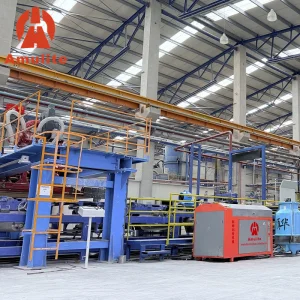
Submit your target product parameters, sheet thickness requirements, and annual capacity goals. Our senior process engineering team will deliver a customized equipment proposal within 24 hours.