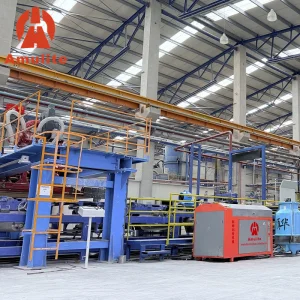
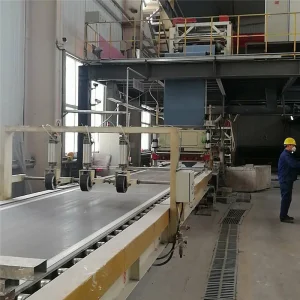
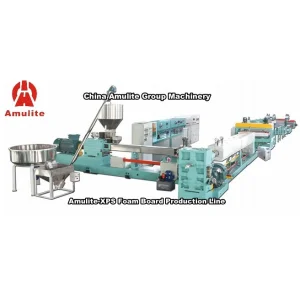
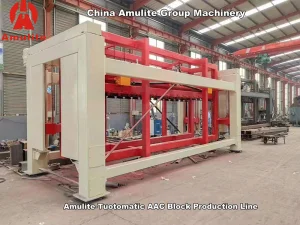
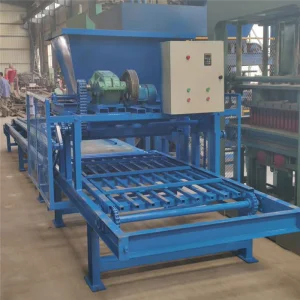
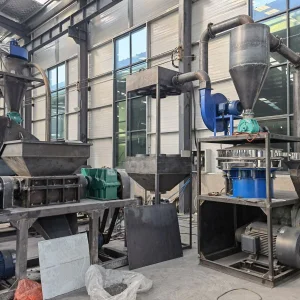
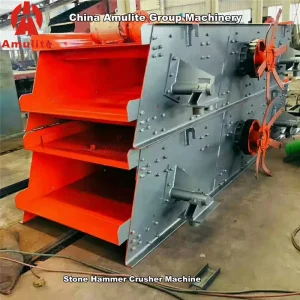
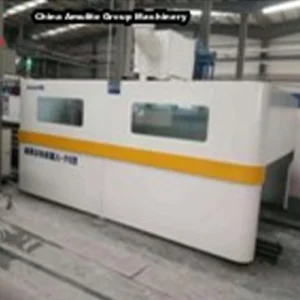
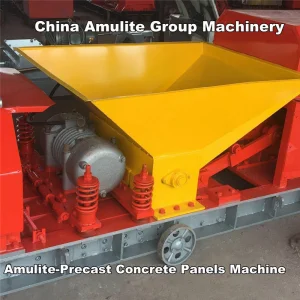
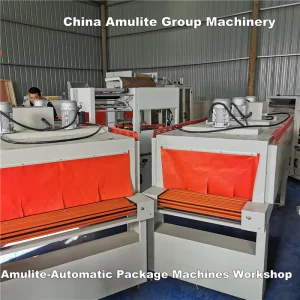
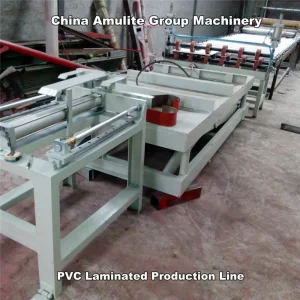
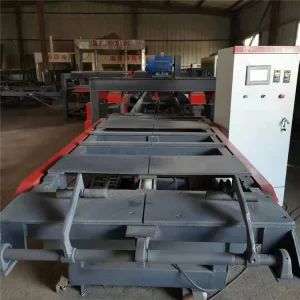
Explore our foundational industrial machinery solutions equipped with automated cutting, precision structural processing, and heavy-duty fabrication technologies.
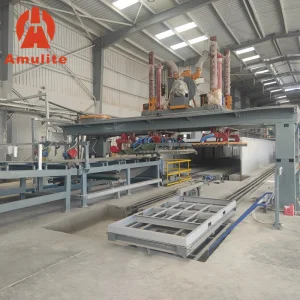
China Non-Asbestos/Asbestos Cement Corrugated Roof Sheets Production Line Company, Product
View ProductIndustrial photonics has undergone a seismic shift over the past decade. High-power solid-state fiber lasers have systematically superseded legacy carbon dioxide ($CO_2$) lasers, flashlamp-pumped Nd:YAG systems, and traditional mechanical tooling across modern fabrication facilities. By transmitting high-intensity laser energy directly through flexible optical silica fibers, modern Fiber Laser Products deliver unprecedented electro-optical conversion efficiency (EOC), superior beam quality ($M^2 < 1.1$ for single-mode units), and drastically lower total cost of ownership (TCO).
Whether integrated into multi-axis CNC sheet metal cutting cells, continuous line automated structural steel punchers, battery enclosure welding systems, or advanced mineral-cement edge profiling production lines, selecting high-quality fiber laser suppliers is no longer merely a procurement task—it is a critical strategic decision defining operational yield, energy footprint, and long-term market competitiveness.
China has established itself as the world's primary epicenter for fiber laser research, development, and mass manufacturing. Driven by massive domestic industrial automation, strong government support for advanced photonics, and highly integrated regional industrial clusters (such as Wuhan Optics Valley, the Yangtze River Delta, and northern heavy machinery manufacturing zones in Hebei), Chinese fiber laser suppliers offer unparalleled advantages to global buyers:
Chinese OEM suppliers control the complete value chain—from rare-earth element synthesis and active Ytterbium-doped fiber pulling to semiconductor pump diode packaging, optical fiber combiners, laser heads, and intelligent CNC cabinet assembly. This eliminates component supply bottlenecks and dramatically reduces manufacturing lead times.
Through massive economies of scale and localized production of core optics (gratings, beam delivery fibers, collimating lenses), top-tier Chinese manufacturers offer high-wattage fiber laser sources (10kW to 60kW) at a fraction of European or American capital expenditure without sacrificing beam stability or operational longevity.
Operating in the world’s most demanding industrial environment, Chinese fiber laser systems are field-tested across 24/7 continuous production cycles in automotive welding, heavy structural steel fabrication, high-speed sheet metal processing, and automated building product lines.
The photonics sector is undergoing rapid evolutionary shifts driven by Smart Manufacturing (Industry 4.0), decarbonization imperatives, and demanding material requirements in next-generation structural engineering.
Industrial applications are migrating from standard 6kW-12kW systems toward 30kW, 40kW, and 60kW+ fiber laser sources. High-power scaling enables single-pass cutting of thick stainless steel and carbon steel plates (up to 100mm), replacing costly mechanical beveling, plasma cutting, and oxy-fuel methods.
Modern fiber lasers now integrate intelligent active beam conditioning. By real-time switching between Gaussian mode (high peak intensity for thin sheet micro-cutting) and donut-shaped ring modes (for spatter-free high-speed welding of copper and aluminum), a single laser source can perform multiple specialized industrial roles seamlessly.
Leading fiber laser products incorporate IoT edge-computing sensors monitoring internal humidity, back-reflection levels, optical temperature, pump module voltage, and beam profile degradation in real-time. Cloud-connected machine learning models predict diode decay and schedule preventive maintenance, avoiding un-planned line shutdowns.
To overcome the high optical reflectivity of non-ferrous metals (copper, brass, gold) at standard near-infrared wavelengths (1064nm), hybrid systems combining 450nm blue or 532nm green lasers with high-power infrared fiber lasers are delivering spatter-free, highly conductive welds essential for electric vehicle (EV) battery packs and electronics manufacturing.
High-quality fiber lasers act as the central processing engine across diverse manufacturing industries. Below is a comprehensive analysis of how fiber laser sources are deployed within full-scale automated plant environments:
| Industrial Sector | Primary Laser Application | Typical Laser Power | Key Technical Requirement | System Integration Solution |
|---|---|---|---|---|
| Heavy Building Material Equipment | Edge cutting, perforated punching, structural frame welding | 3kW – 15kW CW | High resistance to harsh dust, vibration, and thermal fluctuations | Automated CNC cutting tables linked with board production lines (AAC blocks, Fiber Cement, Gypsum) |
| Automotive & EV Manufacturing | Body-in-white (BIW) welding, battery tab jointing, hair-pin motor welding | 2kW – 8kW (Hybrid/Ring Mode) | Zero spatter, ultra-low thermal distortion, high repeatability | Articulated 6-axis robotic cells with seam tracking and inline visual inspection |
| Aerospace & Defense | 3D additive manufacturing (DMLS), turbine blade drilling, titanium cutting | 1kW – 4kW Single Mode | Ultra-fine beam quality ($M^2 < 1.05$), tight dimensional tolerance | Multi-axis gantry machines with inert gas environmental chambers |
| Lithium-Ion Battery Recycling | Module disassembly laser cutting, casing slitting, pouch cell singulation | 1kW – 3kW Pulsed / CW | Non-contact thermal cutting without igniting reactive internal chemistries | Integrated extraction hoods with automated battery recycling production equipment |
| Sheet Metal Processing Hubs | High-speed sheet cutting, beveling, automatic tube punching | 6kW – 30kW CW | Maximum linear processing speed, automated nitrogen/oxygen gas selection | Full-servo flying optics cutter with automatic sheet loading and sorting towers |
When evaluating high-quality fiber laser suppliers, corporate procurement technical teams must look beyond initial equipment purchasing costs ($CAPEX$). A rigorous vendor assessment requires auditing key technical parameters and operational guarantees:
Demand certified measurement reports for Beam Parameter Product (BPP) and $M^2$ factors across the entire output power range. Ensure the system utilizes double-clad silica fibers with high-purity rare-earth doping (Ytterbium/Thulium) to prevent photodarkening effects over long-term continuous operation.
High-power fiber lasers generate considerable heat within pump modules. Audit the internal cooling loop architecture—dual-circuit water chillers, anti-condensation internal heating elements, and IP67-rated optical cabinet sealing are mandatory for operation in high-humidity tropical environments.
Processing highly reflective metals (aluminum, brass, copper) can send harmful back-reflected laser energy down the fiber feed cable, destroying pump diodes. Ensure your supplier incorporates multi-stage optical isolators and active hardware protection circuits that cut laser emission within nanoseconds of abnormal back-reflection detection.
Verify that supplier systems comply fully with global safety frameworks: CE Mark (Low Voltage & Machinery Directives), FDA CDRH Class 4 laser safety registration, ISO 9001 quality management, and ISO 14001 environmental standards. Establish strict Service Level Agreements (SLA) guaranteeing 24/7 technical response and global spare part dispatch within 48 hours.
High-quality fiber laser sources utilizing tier-1 semiconductor pump diodes feature a Mean Time Between Failures (MTBF) exceeding 100,000 operational hours. Under standard industrial operating conditions—maintaining clean deionized cooling water, ambient humidity under 60%, ambient temperature between 18°C–25°C, and dust-free environments—a fiber laser can reliably operate for 10 to 12 years with minimal power degradation (less than 1% per year).
Fiber lasers are dramatically more energy-efficient than traditional CO2 lasers. Fiber laser systems achieve a wall-plug electro-optical efficiency (EOC) of 35% to 45%+, whereas CO2 lasers typically achieve only 8% to 10%. Consequently, operating a 12kW fiber laser consumes up to 70% less electrical power than an equivalent 6kW CO2 laser setup, resulting in massive utility savings, simplified chiller infrastructure, and significantly lower operational carbon footprints.
Yes. Fiber lasers are increasingly integrated into modern high-speed building material lines (such as fiber cement board, calcium silicate board, and metal sandwich panel lines). They are utilized for non-contact high-speed edge trimming, perforated acoustic hole punching, precise corner notch cutting, and automated continuous welding of metal skin composites. Their non-contact cutting mechanism eliminates tool wear, dust generation, and mechanical vibration stress on uncured boards.
Assist gas selection depends entirely on the material type and desired edge quality:
• Oxygen ($O_2$): Used for carbon steel cutting. Oxygen initiates an exothermic oxidation reaction, allowing high cutting speeds with lower laser power, though leaving a slight oxide layer on the cut surface.
• Nitrogen ($N_2$): Used for stainless steel, aluminum, and brass. Nitrogen acts as a high-pressure inert cooling gas that blows molten metal out of the kerf, resulting in clean, oxide-free edges ready for immediate welding.
• Compressed Air: An economical alternative for thin carbon steel or sheet metal cutting where edge oxidation is acceptable, drastically reducing operational gas costs.
• Single-Mode Fiber Lasers: Feature a small core diameter (typically 10 to 14 microns), delivering an exceptionally tight focus, high energy density, and superior beam quality ($M^2 < 1.1$). They excel at high-speed micro-cutting, fine precision engraving, and thin metal sheet processing.
• Multi-Mode Fiber Lasers: Feature larger core diameters (50 to 300+ microns), combining multiple laser modules into a single output beam. They provide a broader focal spot and deeper energy penetration, making them ideal for heavy plate cutting (above 10mm), deep penetration welding, and wide-beam surface cladding.
Because the optical beam path in a fiber laser is fully enclosed inside solid silica fiber optics, there are no internal mirrors or flashlamps to align or clean. Primary routine maintenance is confined to:
1. Cleanliness inspection and periodic replacement of protective cover slides in the processing head.
2. Water chiller maintenance (monitoring water conductivity, replacing deionized filters every 3–6 months).
3. Inspecting gas filters and ensuring clean, dry assist air supply.
4. Keeping the external optical fiber delivery cable bend radius within manufacturer safety limits.
Complete your plant automation line with our robust manufacturing equipment—engineered for heavy duty performance and high precision compatibility.
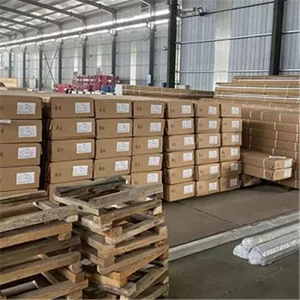
High-Quality Embossed Metal Composite Exterior Panels Production Line Manufacturers, Company
View Product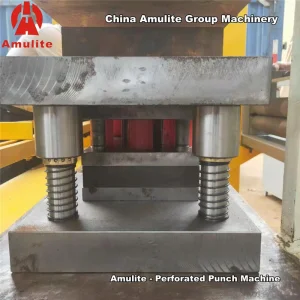
High-Quality Amulite Perforated Punch Machine System Technical Data Manufacturer, Suppliers
View ProductWhether upgrading existing machinery or establishing a complete turnkey automated factory line, our engineering teams provide end-to-end technical consultation, customized equipment integration, and full lifecycle support.