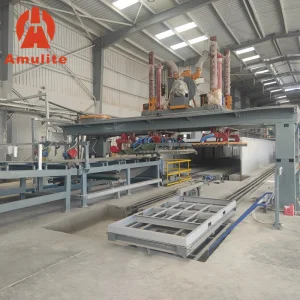
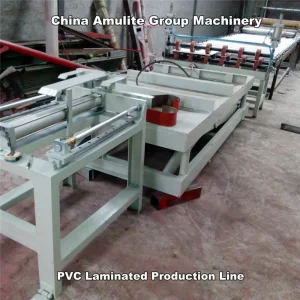
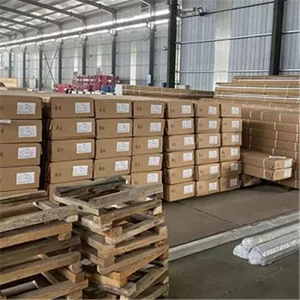
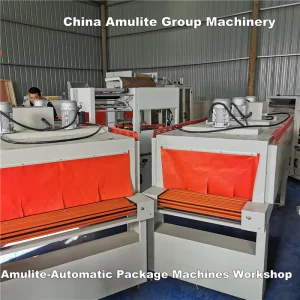
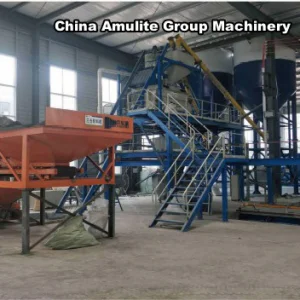
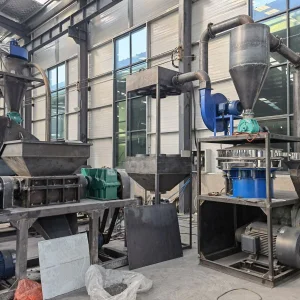
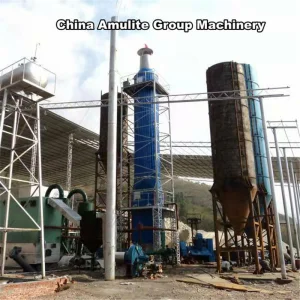
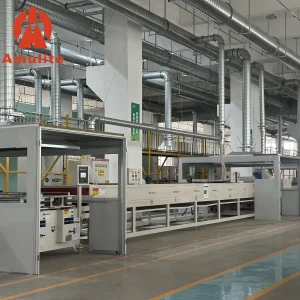
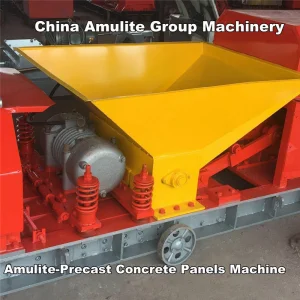
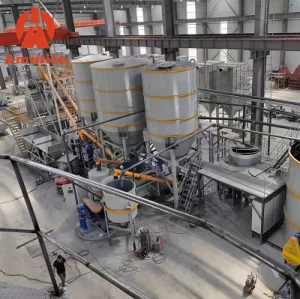
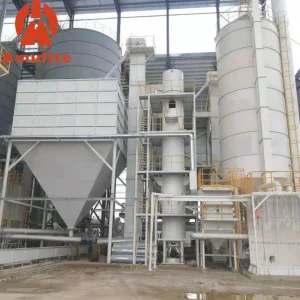
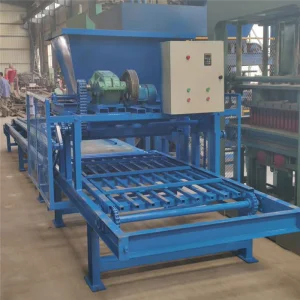
Explore our engineered equipment portfolio designed for heavy-duty structural operations, precise physical dewatering, and automated material handling.
In an era defined by global structural urbanization, rapid modular construction growth, and stringent environmental policies, the global architectural panel and board manufacturing industry is undergoing a foundational paradigm shift. Modern real estate infrastructure no longer tolerates traditional, labor-intensive, and thermally inefficient masonry materials. Instead, high-performance structural engineered boards—such as non-asbestos fiber cement boards, autoclaved calcium silicate boards, autoclaved aerated concrete (AAC) blocks, gypsum wallboards, and lightweight EPS sandwich panels—have emerged as the undisputed benchmarks for modern architectural design.
As a global premier manufacturer and process engineering pioneer in board manufacturing machinery, our organization bridges the gap between material science and high-speed mechanical automation. Operating extensive heavy-fabrication centers and utilizing precise CNC machining technologies, we deliver customized, high-yield, and zero-defect turnkey production infrastructure to multinational building material conglomerates, structural system integrators, and industrial manufacturing enterprises worldwide.
Understanding the fundamental mechanical and chemical requirements of diverse raw material matrices is essential when configuring an industrial board manufacturing machine. Each material matrix demands proprietary slurry preparation, sheet-forming mechanics, and thermal hydration cycles:
Utilizes multi-vat Hatschek forming or flow-on process technology. Requires high-vacuum multi-stage dewatering, high-pressure hydraulic pressing (up to 10,000 tons), and high-pressure steam autoclave curing (1.2 MPa, 190°C) to synthesize tobermorite crystalline structures for extreme flexural strength and A1 fire safety.
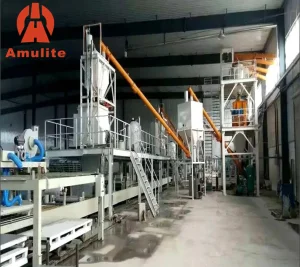
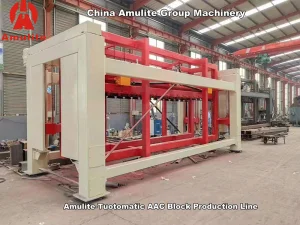
Features continuous raw slurry dosing, aluminum powder aeration reactions, precise green-cake tilting cutters, dynamic ferry cart logistics, and hydro-thermal autoclave conditioning to yield ultra-lightweight structural masonry elements.
Integrates high-density skin feeds (such as fiber cement or MGO) with core injection units (EPS beads, foam concrete, or expanded perlite mixtures) via continuous vertical or horizontal automatic moulding systems.
Over the past three decades, China has evolved from a regional machinery manufacturer into the premier global epicenter for building material machinery innovation. By combining full-spectrum domestic industrial supply chains with advanced European automation standards, Chinese board manufacturing machinery manufacturers deliver unparalleled engineering value to international procurement teams.
From raw metallurgy and heavy steel casting to high-precision CNC lathe processing and pneumatic control integration, Chinese manufacturing hubs provide immediate access to core components without reliance on cross-border sub-contracting.
Chinese machinery suppliers excel at engineering plants capable of utilizing local raw materials—such as low-grade silica sand, fly ash from thermal plants, slag, recycled cellulose pulp, or pozzolanic volcanic ash—drastically lowering operational expenditures.
Compared to traditional European legacy OEMs, complete turnkey production lines manufactured in China deliver equivalent throughput capacities and structural board densities at 30% to 50% lower capital outlay.
| Evaluation Parameter | Chinese Turnkey Engineering Standards | Legacy Western Machinery OEM Standards |
|---|---|---|
| Capital Investment (CAPEX) | Optimized (1.0x Base Benchmark) | High Capital Cost (2.2x - 3.0x Benchmark) |
| Lead Time to Commissioning | Rapid Manufacturing & Deployment (90 - 180 Days) | Extended Production Schedules (270 - 450 Days) |
| Raw Material Versatility | High flexibility for locally sourced, low-cost aggregates & fibers | Strict dependence on proprietary or high-spec raw materials |
| Control Systems Integration | Siemens PLC + Industrial SCADA with Remote IoT Connectivity | Proprietary closed-source architectures with locked software |
The next decade of board manufacturing machine engineering is defined by digitalization, decarbonization, and automated material handling. Enterprise investors and factory operators must align their equipment specifications with these transformative megatrends:
Modern board production lines no longer rely on manual operator adjustments. Advanced slurry vat density sensors, ultrasonic wet-sheet thickness monitors, and laser-guided auto-trimming saw systems feed real-time telemetry into centralized Programmable Logic Control (PLC) suites. Automated adjustments prevent board delamination, control moisture gradients, and eliminate edge fracturing prior to the autoclave phase.
Thermal energy consumption during drying and autoclaving accounts for a major share of operating costs (OPEX). Next-generation plant designs incorporate closed-loop steam condensate recovery systems, flash-steam heat exchangers, and multi-stage drying chamber airflow recirculators, reducing thermal consumption by up to 28% per thousand square meters of board produced.
With global regulatory bodies enforcing bans on chrysotile asbestos fibers, industrial board machinery must process synthetic organic fibers (such as PVA and PP) alongside refined kraft wood pulp. Machines require specially designed high-shear hydrapulpers, disc refiners, and gentle slurry agitators to preserve fiber length and maintain mechanical interlocking without clumping.
Our engineering team designs complete plant layouts tailored to specific architectural and structural product lines. Rather than offering one-size-fits-all machinery, we engineer process lines tailored to target board density, water absorption limits, and flexural strength requirements:
Engineered to produce high-density (1.4–1.7 g/cm³) exterior fiber cement cladding. Includes inline high-pressure hydraulic double-pressing stations, automated calendar embossing rollers for wood-grain or stone textures, and UV-curing painting lines for high weather resistance.
Focused on medium-to-low density (0.9–1.2 g/cm³) autoclaved calcium silicate and gypsum boards. Optimized for continuous high-speed production, precision thickness calibration, sanding systems, and automated stackers.
Designed for fast-track construction projects. Integrates automated core-batching systems, cement-EPS slurry injection pumps, automatic vertical mould cars, and automatic tilting and demoulding machinery.
Climate conditions, regional building codes, and available raw material deposits dictate distinct machine configurations for different global regional markets:
High humidity and heavy rainfall require building boards with minimal moisture movement and zero rot potential. Production lines destined for markets like Indonesia, Vietnam, and the Philippines are equipped with specialized post-autoclave waterproofing hydrophobic spray coaters and high-pressure hydraulic presses to achieve water absorption rates below 25%.
Severe desert thermal fluctuations require exterior envelope systems with low thermal conductivity. Machine configurations focus on lightweight AAC blocks and thermal EPS sandwich panels, incorporating multi-cavity dosing systems and precision dry-mix plaster board units engineered to withstand continuous ambient temperatures exceeding 50°C during plant operation.
Strict anti-seismic standards require building panels with superior elastic moduli and flexural strength. Equipment lines feature multi-layer mesh insertion mechanisms, specialized glass-fiber reinforcing feeds, and high-precision CNC edge profiling machinery (producing tongue-and-groove or bevel-edged profiles).
When global engineering firms, industrial developers, and building material manufacturers source a board manufacturing machine, procurement audit protocols must evaluate technical metrics beyond simple price points. A rigorous qualification process includes three vital phases:
Verification of machining tolerances on core components. Cylinder drums must undergo dynamic balancing tests to prevent vibration-induced sheet thickness variations. Autoclaves must carry certified pressure vessel documentation (ASME / CE / GB standards).
Prior to shipping, raw material samples from the client's local quarry or supplier (sand, cement, lime, pulp) undergo laboratory hydration tests, wet-slurry sedimentation analysis, and trial pressing to finalize precise plant dosing formulas.
On-site mechanical installation guided by resident engineering teams, followed by electrical PLC calibration, continuous 72-hour trial runs, and formal testing of final board flexural, density, and fire-resistance properties.
Explore our secondary and specialized line solutions, ranging from raw material preparation to automated finishing and recycling systems.