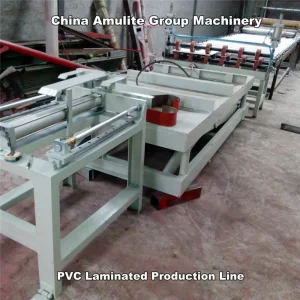
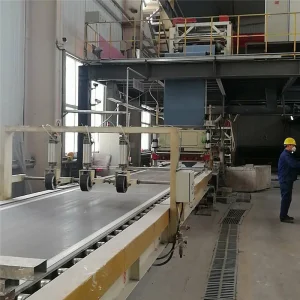
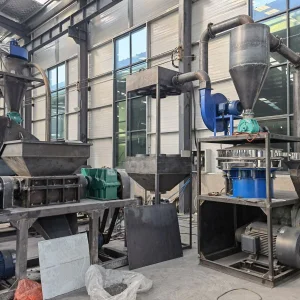
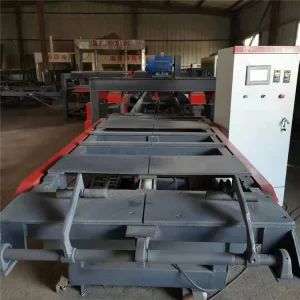
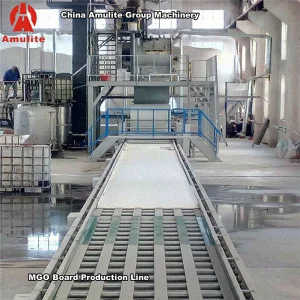
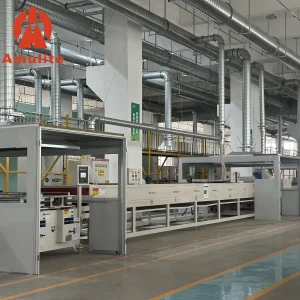
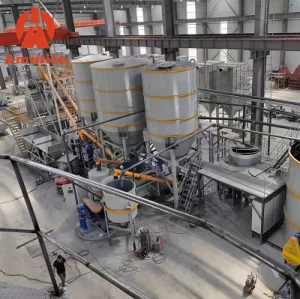
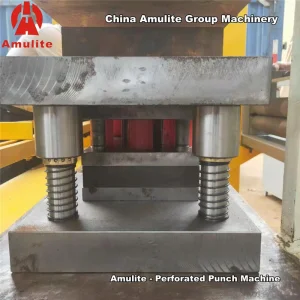
Explore our precision-engineered production infrastructure, optimized for maximum throughput, low energy consumption, and high structural reliability across worldwide installations.
The modern construction industry is undergoing a structural transition toward lightweight, moisture-resistant, flame-retardant, and low-maintenance interior cladding solutions. Polyvinyl Chloride (PVC) ceiling panels and wall boards have emerged as a primary architectural choice across emerging and developed markets alike. Driven by rapid urbanization in the Asia-Pacific region, extensive commercial renovations in North America, and rigorous energy-efficiency directives in Western Europe, the global market for high-quality PVC ceiling extrusion machinery is experiencing unprecedented technological acceleration.
Leading global manufacturers are no longer merely assembling mechanical extruders; they are offering fully integrated, automated Industry 4.0 production environments. Evaluating top-tier manufacturers requires analyzing their capability to process high ratios of Calcium Carbonate ($CaCO_3$) fillers while preserving screw shear integrity, lowering electrical kilowatt-hour consumption per kilogram of output, and ensuring millimetric surface consistency across multi-cavity extrusion profiles.
The major profitability driver for PVC ceiling production plants lies in the Plastification Efficiency Index. Advanced twin-screw extruders allow factory operators to increase $CaCO_3$ loading from standard 50-100 parts to over 200-300 parts relative to PVC resin, drastically reducing raw material costs while keeping flexural strength within ISO 178 specifications.
A complete industrial-grade PVC ceiling manufacturing system comprises several synchronized operational modules. Understanding the precise mechanical interplay within these modules allows plant managers to optimize product density, wall thickness uniformity, and aesthetic surface finishing.
Utilizing SJSZ series conical twin-screws, the extruder delivers uniform plastification for dry-blend PVC powder. High-torque AC Siemens motors, combined with oil-cooled internal screw thermal regulation, prevent thermal degradation of the polymer matrix under continuous 24/7 extrusion.
Constructed from anti-corrosive stainless steel (SUS304), the calibration table incorporates multi-stage vacuum pumps and high-flow water cooling channels. This ensures perfect dimensional stability and crisp hollow internal rib geometry without surface sinking.
Extruded panels pass seamlessly through online surface finishing stations: Thermal Transfer Hot Stamping, Laminating (PUR eco-friendly glue), or High-Gloss UV Coating lines to apply marble, wood grain, or metallic patterns directly before cutting.
| Machinery Component | Standard Specification | High-End Enterprise Configuration | Operational Impact |
|---|---|---|---|
| Extruder Unit | SJSZ 51/105 Twin Screw | SJSZ 65/132 or SJSZ 80/156 Twin Screw | Increases output from 150 kg/h up to 450-600 kg/h. |
| Control System | Relay Switch / Basic PLC | Siemens S7-1500 + Full SCADA Touch Screen | Enables closed-loop feedback, remote diagnosis, and formulation memory. |
| Haul-Off Machine | 2-Caterpillar Rubber Belt | Multi-Caterpillar VFD Synchronized Haul-off | Prevents panel crushing or slipping during high-speed production. |
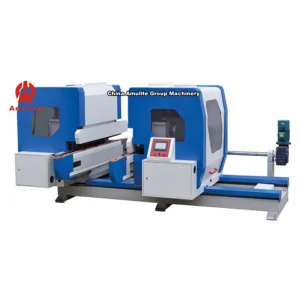
| Cutting Unit | Manual / Blade Cutter | Auto Dust-Free Saw Cutter / Flying Knife | Ensures clean 90-degree cuts with zero burrs and automated length sensing. |
High-quality PVC ceiling panel making machinery is flexible enough to produce a vast spectrum of cellular and hollow profiles. Depending on die design and formulation adjustments, factory owners can quickly shift output between distinct regional market demands:
In rapid-assembly housing and affordable residential complexes, lightweight PVC ceiling panels replace traditional gypsum ceilings. They eliminate water damage risks in kitchens and bathrooms, require zero painting, and install 70% faster via tongue-and-groove interlocking profiles.
Using high-definition hot stamping and laminated wood/marble textures, commercial designers utilize heavy-duty PVC ceiling profiles for hotel lobbies, shopping malls, and office complexes, meeting modern aesthetics with strict class B1 fire safety compliance.
Food processing facilities, pharmaceutical cleanrooms, and intensive agricultural livestock farms require non-porous, chemical-resistant ceiling paneling that can withstand daily high-pressure chemical washdowns without mold growth or structural swelling.
To maintain competitive dominance in international procurement, machinery manufacturers and final product operators must adhere strictly to global regulatory frameworks and physical testing benchmarks.
All electrical panels, pneumatic systems, and pressure-rated vessels must carry verified CE markings alongside ISO 9001 factory audits. Overload protection, emergency stop loops, and shielded wiring ensure operator safety under high ambient temperatures.
Extruded panels produced via our technical lines achieve EN 13501-1 Class B-s1,d0 and UL94 V-0 flame ratings. Formulations automatically extinguish within seconds of flame removal without producing flaming droplets.
Modern PVC extruders utilize Ca/Zn (Calcium-Zinc) eco-friendly thermal stabilizers, completely eliminating lead ($Pb$) and toxic heavy metals to comply with stringent EU REACH directives and indoor air quality certifications.
The future of PVC ceiling production lies in intelligence, energy recovery, and sustainable circular manufacturing. Leading R&D centers are currently deploying technologies that will define the market over the next decade:
Clear, actionable answers regarding capital expenditure, equipment installation, raw material formulation, and daily operation.
Browse additional high-performance building material equipment, auxiliary processing units, and wall panel manufacturing machinery.