Explore engineered manufacturing plant modules, fully automated dosing systems, high-speed cutting machinery, and complete recycling solutions engineered for global building material enterprises.
The global building materials ecosystem is undergoing a seismic technological shift driven by carbon neutrality mandates, skyrocketing urban infrastructure demands, and the critical need for extreme-weather-resistant roofing systems. Within this macro environment, selecting an authoritative, high-efficiency China Roof Tile Making Machinery Factory has evolved from a simple procurement decision into a strategic capital investment that dictates a manufacturer's market competitiveness for decades.
Modern roofing substrate production encompasses four primary mechanical technology branches: Fiber Cement Corrugated Sheet Lines (Hatschek wet-process), Concrete & Cement Ridge Tile High-Pressure Hydraulic Forming Machines, Color-Coated Steel Glazed Tile Roll Forming Assemblies, and Flexible Clay Polymer Roof Tile Extrusion Units. Modern industrial buyers demand machinery capable of processing alternative recycled materials—such as pulverized fly ash, blast furnace slag, silica fume, and recycled fiber cellulose—without compromising flexural modulus (MOR), freeze-thaw endurance, or tensile fracture resistance under severe climatic stress.
Information Gain Key Takeaway: Traditional single-profile tile pressing machinery is rapidly being rendered obsolete. Modern turnkey factories engineered by Chinese manufacturing leaders incorporate multi-layer PLC SCADA automation, energy-reclaiming vacuum dewatering circuits, and adaptive hydraulic proportional valves, reducing plant operational costs (OpEx) by up to 34% compared to legacy European setups.
Integration of closed-loop heat exchangers within steam curing autoclaves and drying tunnels, dramatically lowering natural gas or heavy oil consumption per square meter of finished roof tiles.
Multi-stage vacuum compaction eliminate micro-porosity within concrete and fiber-matrix slurries, yielding roof tiles compliant with EN 492 and ASTM C1185 mechanical performance standards.
Fully integrated SCADA networks matching real-time raw material dosing with high-precision optical cut-off saws and robotic stacking gantries for seamless continuous output.
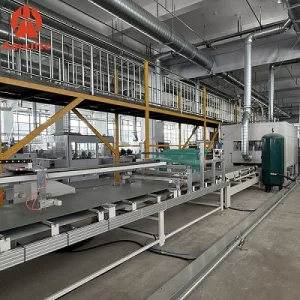
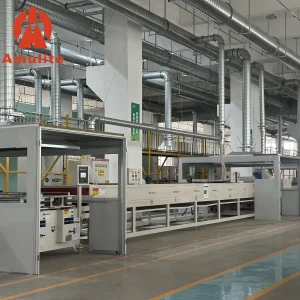
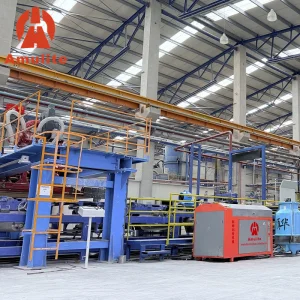
Our specialized heavy industrial machine fabrication bases in China set the global standard for mechanical durability, output speed, and structural precision.
When evaluating a China Roof Tile Making Machinery Factory, enterprise procurement teams must align specific end-product physical demands (such as wind resistance, flexural strength, thermal conductivity, and water impermeability) with the correct mechanical forming technology. Below is a detailed technical analysis of the primary roof tile manufacturing lines engineered in our facility.
The Hatschek process remains the premier industrial methodology for manufacturing fiber cement corrugated roof sheets, non-asbestos building boards, and decorative exterior tiles. Raw materials—comprising Portland cement, refined silica sand, cellulose pulp, and synthetic PVA reinforcement fibers—are processed into a homogeneous liquid slurry (solid concentration: 8%–12%).
The slurry flows through multiple agitation vats where rotating sieve cylinders deposit micro-thin film layers onto a running felt belt. A high-efficiency vacuum dewatering box extracts excess water, consolidating the film onto a master forming drum. Once the pre-programmed sheet thickness (ranging from 4mm to 12mm) is reached, an automated high-speed flying cutter slices the sheet. The green sheets are subsequently transferred into corrugated steel molds for profile shaping, followed by pre-curing and high-pressure steam autoclaving to achieve complete tobermorite crystalline matrix formation.
Designed specifically for high-density, interlocking concrete roof tiles and specialized ridge tiles, this machinery utilizes heavy-duty hydraulic pressing stations operating between 150 to 1,200 metric tons of force. Sand, cement, water, and inorganic iron-oxide color pigments are precisely metered in a intensive planetary mixer before being fed into precision CNC-machined steel molds.
The high tonnage forces all trapped air pockets out of the wet concrete mix, achieving exceptional density (typically exceeding 2.2 g/cm³) and an extremely low water absorption rate (<6%). Automated mechanical arm manipulators strip the formed tiles onto curing racks, where controlled temperature and humidity accelerate hydration without surface micro-cracking.
For high-speed production of continuous metal roof panels, step-glazed steel tiles, and corrugated steel structural sheets, China-engineered cold roll forming machines lead in speed and tolerance control. Pre-painted galvanized steel (PPGI), Galvalume (PPGL), or aluminum coils (0.3mm–0.8mm thickness) are continuously uncoiled, leveled, and guided through 12 to 22 sequential forming roller stations made of forged Cr12MoV alloy steel with hard chrome plating.
An integrated hydraulic stepping press die creates the classic glazed step-tile appearance, followed by an encoder-guided post-cutting blade that delivers burr-free cuts at linear speeds up to 15 meters per minute.
| Machinery Type | Raw Material Input | Production Capacity | Key Standard Compliance | Target Roof Application |
|---|---|---|---|---|
| Hatschek Fiber Cement Line | Cement, Silica, PVA/Cellulose Fiber | 2,000,000 – 15,000,000 m²/Yr | EN 492 / ASTM C1185 | Industrial Sheds, Corrugated Sheets |
| Hydraulic Concrete Tile Press | Sand, Portland Cement, Pigments | 12 – 40 Pieces / Minute | EN 490 / JIS A5402 | Residential Villas, Commercial Ridge Tiles |
| Glazed Steel Roll Former | PPGI, PPGL, Aluminum Coils | 8 – 15 Meters / Minute | GB/T 12754 / ASTM A755 | Rapid Modular Housing, Commercial Roofs |
| Flexible Clay Tile Line | Modified Soil, Polymer Binder | 500,000 – 3,000,000 m²/Yr | ISO 13006 / Green Building Class A | Flexible Architectural Facades & Roofs |
Procuring heavy-duty building material manufacturing plant from an OEM manufacturer in China requires rigorous evaluation beyond initial machinery CapEx quotes. To ensure continuous high-yield production (24/7 continuous duty cycles) and minimal planned downtime, industrial buyers must apply a 4-step engineering verification protocol during factory inspection and vendor audit:
Verify that all heavy structural steel stands, press beds, and roller side-plates undergo thermal annealing and vibration stress-relieving processes post-welding. This prevents structural deformation over decades of high-vibration operational loads.
Ensure PLC units, human-machine interfaces (HMI), and servo drives use globally accessible brands such as Siemens S7-1500, Schneider Electric, or Omron. This guarantees local availability of replacement modules and remote cloud diagnostics support.
For fiber cement sheet lines, inspect the multi-stage vacuum box configurations and liquid ring vacuum pump sizing. Higher vacuum gradient stability directly correlates with sheet green strength and reduces drying energy costs downstream.
An authoritative factory supplier must send experienced process engineers to conduct chemical trial runs using locally sourced aggregate, sand, and cement on the buyer's factory site, fine-tuning water-cement ratios and curing curves.
Heavy rainfall and salt-mist corrosion require roof tiles with zero salt-efflorescence and high impact resistance against tropical storms. Our engineered fiber cement lines incorporate specialized acrylic surface-coating stations that seal tile micro-pores against algae growth and UV breakdown.
In environments experiencing severe winter freezing cycles, moisture trapped inside low-grade tiles expands, causing surface spalling. Our high-pressure hydraulic concrete tile machines utilize high-frequency vibration mold technology to eliminate micro-cavities, ensuring frost resistance across 100+ freeze-thaw cycles.
Lightweight flexible polymer tiles and interlocking corrugated fiber sheets lower overall structural roof loads. Specialized interlocking side-lap cutter dies engineered into our machine lines ensure roof tiles anchor mechanically together, resisting typhoon uplift forces exceeding 240 km/h.
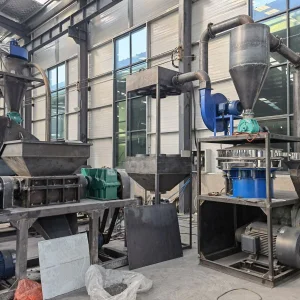
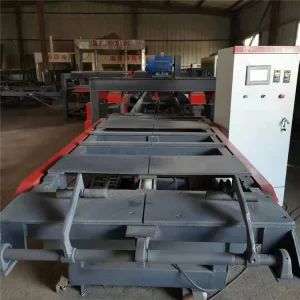
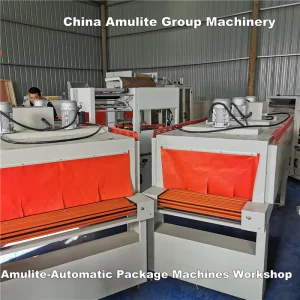
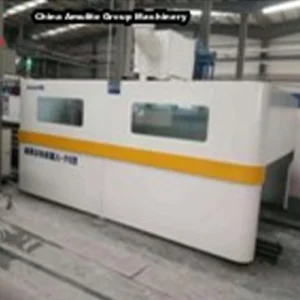
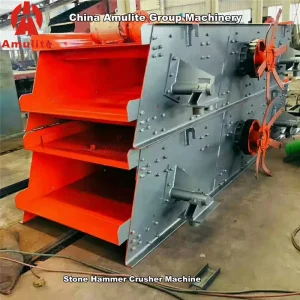
Extend your factory's production ecosystem with our auxiliary cutting, surface treatment, raw material crushing, and automated packaging plant machinery.
Manufacturing machine components, machining forming cylinders, and assembling control panels takes 90 to 120 days. On-site civil foundation verification, mechanical installation, electrical wiring, and commissioning take an additional 45 to 60 days, during which our field engineers train your local team on raw material formulation and maintenance.
Yes. Prior to contract finalizing, our process laboratory analyzes samples of your local sand, cement, fly ash, and fibers. We adjust the mechanical beating process, slurry water-to-cement ratios, and autoclave pressure schedules to guarantee that your end products meet international flexural strength and water absorption criteria.
China roof tile machinery delivers 90–95% of European mechanical throughput at 35–50% of the initial capital expenditure (CapEx). When combined with lower replacement component costs and standardized global PLC parts (Siemens/Schneider), overall return on investment (ROI) is typically achieved within 18 to 28 months of commercial operation.
All automated lines include integrated industrial IoT router modules, allowing our software engineers in China to perform real-time PLC diagnostics, code optimization, and troubleshooting remotely over encrypted cloud links. We maintain 24/7 technical hotlines and stock wearing parts for immediate global express dispatch.