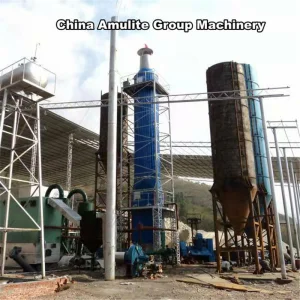
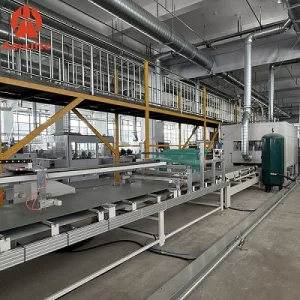
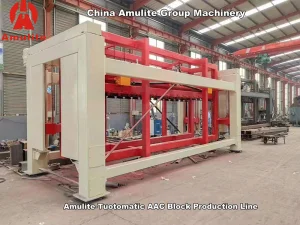
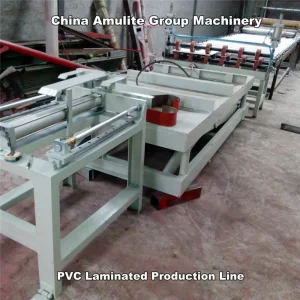
Industrial-grade machinery configured for structural panel forming, mineral compaction, automated recycling, and specialized material processing.
An authoritative analysis of structural shifts, technical breakthroughs, and procurement metrics defining modern hydraulic machinery ecosystems.
In the contemporary landscape of heavy industrial machinery, hydraulic press manufacturing in China has undergone a monumental shift from standard mechanical pressing systems to sophisticated, IoT-enabled servo-hydraulic machinery. Global enterprise buyers—ranging from civil engineering conglomerates and building panel plants to automotive stamping facilities and battery recycling operators—now view Chinese manufacturing clusters as premier sources of high-tonnage, custom-engineered hydraulic equipment.
This industry whitepaper explores the critical engineering parameters, procurement considerations, technology roadmaps, and sector-specific applications that define modern hydraulic press machinery. By bridging advanced mechanical engineering with energy-efficient digital hydraulic control, Chinese OEM factories provide high Information Gain (IG) and operational reliability across demanding industrial environments worldwide.
Understanding the multi-tier OEM manufacturing ecosystem in China and key criteria for enterprise procurement.
Traditional fixed-displacement hydraulic pumps suffer from substantial continuous power loss during idling and dwelling phases. Modern Chinese press OEMs integrate dynamic servo-driven variable displacement pumps, modulating motor speeds in real-time according to pressure curves. This cuts power consumption by 30% to 50% while dramatically reducing hydraulic oil thermal breakdown.
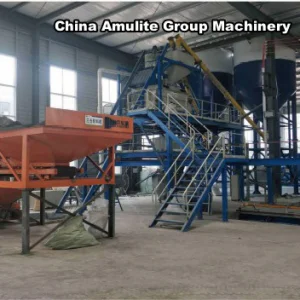
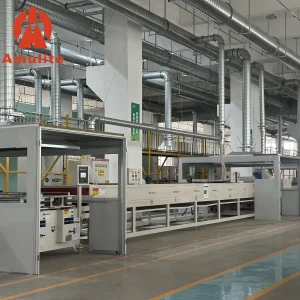
International procurement directors increasingly avoid fragmented vendor sourcing. China's top tier press manufacturers deliver complete turnkey production lines—combining raw material dosing, hydraulic pressing, automated destacking, curing autoclaves, and robotic edge profiling into single unified control architectures (PLC + SCADA).
Structural frame integrity under continuous max-tonnage cycling is paramount. Modern factories utilize 3D dynamic FEA stress simulation during design to prevent frame deflection, ensure even platen pressure distribution, and guarantee equipment lifespans exceeding 15 to 20 years under heavy multi-shift operation.
Comparing structural configurations to align plant processing requirements with machine kinematics.
| Hydraulic Press Type | Typical Tonnage Range | Core Application Focus | Structural Rigidity & Precision | Key Automation Features |
|---|---|---|---|---|
| Four-Column Hydraulic Press | 100T – 5,000T | Deep drawing, composite molding, rubber compaction, general metal stamping. | High guiding precision; adjustable clearance 4-column guide bushings. | Proportional pressure control, optical safety light curtains, auto-ejectors. |
| H-Frame / Gantry Hydraulic Press | 500T – 10,000T+ | Heavy plate forming, fiber cement panel pressing, structural beam forging. | Ultra-high torsional resistance; heavy welded steel plate frame stress-relieved by annealing. | Multi-axis CNC sliding tables, quick die-change (QDC) systems, automatic lubrication. |
| C-Frame Hydraulic Press | 25T – 300T | Small part punching, riveting, press-fitting, edge trimming. | Open 3-side access for easy manual or robotic loading; compact footprint. | High-speed stroke execution, digital stroke counters, foot-switch / dual button activation. |
| Servo-Hydraulic Composite Press | 300T – 4,000T | SMC/BMC/LFT automotive panels, lightweight ceramic tiles, specialized wall panels. | Active electronic leveling control (±0.01mm parallel tolerance during stroke). | Multi-stage velocity/pressure programming, heating/cooling platen integration. |
Technical Insight on Energy Harvesting: Next-generation hydraulic presses developed in leading Chinese machinery hubs incorporate regenerative hydraulic circuit technology. During the downward gravity stroke of heavy main rams, kinetic energy is recaptured via hydraulic accumulators and servo generators, reducing net plant kilovolt-ampere (kVA) grid load requirements by up to 25%.
Tailored hydraulic press and processing line configurations across distinct global sector demands.
Non-metallic building materials—such as Fiber Cement Boards, Calcium Silicate Boards, AAC Blocks, and EPS Sandwich Panels—require exact hydromechanical pressure profiles to expel excess moisture and dense-bind cementitious slurries. High-tonnage hydraulic dewatering presses exert uniform static forces (up to 10,000 Metric Tons) across wide-area platens, yielding A1-fire-rated structural boards with dense, void-free matrix structures.
The global push for EV lightweighting demands high-tonnage SMC (Sheet Molding Compound) and carbon fiber hydraulic compression presses. Chinese press factories engineer thermal insulated platens with precision heating (oil/electric steam) up to 300°C, combined with fast-closing, slow-pressing kinematics to eliminate micro-air pockets in complex structural automotive body parts.
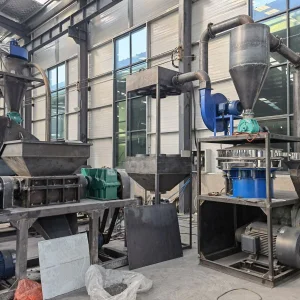
Industrial sustainability requires dedicated hydraulic briquetting, material compaction, and mechanical crushing machinery. High-density hydraulic presses compress black mass and spent battery casings into stable block shapes for pyrometallurgical and hydrometallurgical processing, maximizing furnace throughput and reducing transit volume logistics costs.
In refractory brick and mineral block production, hydraulic presses must withstand abrasive fine dust and extreme cyclic tonnages. Specialized hydraulic circuits feature double-action pressing (simultaneous top and bottom compression) to eliminate density gradients across thick refractory blocks, ensuring stable performance in high-temperature kilns.
Key risk-mitigation vectors when sourcing heavy hydraulic press plant equipment from China.
Ensure your Chinese equipment manufacturer utilizes globally accessible hydraulic and electrical components. Leading export-tier factories specify Bosch Rexroth / Parker hydraulic valves, Siemens S7-1500 PLCs, Schneider electrical switchgear, and NOK high-pressure cylinder seals to guarantee local spare parts availability worldwide.
Rigorous structural verification involves Non-Destructive Testing (NDT)—such as Ultrasonic Testing (UT) of heavy forging cylinders and Magnetic Particle Inspection (MPI) of frame welds. Mandate full factory acceptance testing (FAT) with real material trial runs prior to export packing.
Export machinery must adhere to region-specific industrial standards: CE Machinery Directive 2006/42/EC for European markets, ASME Pressure Vessel Code for hydraulic accumulators, and UL/CSA electrical certification for North American grid connections.
Bridging geographical gaps with hybrid physical engineering deployment and cloud IoT tele-diagnostics.
Procuring capital-intensive machinery requires continuous operational assurance beyond equipment delivery. Premier Chinese hydraulic press manufacturers have built international field engineering support networks capable of deploying resident engineers for installation, civil foundation layout design, hydraulic piping assembly, and local crew operational training.
Integrated VPN routers connect main PLC cabinets to factory headquarters in real time. Process engineers can remotely analyze pressure fluctuations, diagnose valve response latencies, update PLC code, and troubleshoot sensor faults instantly without operational delays.
Turnkey shipments include structured 2-year wearable spare parts packages—including seal kits, high-pressure hose assemblies, proportional valve coils, oil filter elements, and position transducers to ensure zero unbudgeted downtime.
For board and panel pressing plants, engineering teams adjust hydraulic dwell times and pressure ramping stages to match locally sourced raw materials (cement grades, silica sand fineness, fly ash, and pulp fiber quality), verifying final board strength before formal sign-off.
Anticipating Industry 4.0 standards, green hydraulics, and AI-driven precision forming.
Future presses feature self-learning hydraulic algorithms that automatically adjust tonnage ramping, speed deceleration, and hold times based on real-time mold temperature, ambient humidity, and material density variations.
Transitioning toward water-glycol hydraulic fluids and bio-degradable synthetic esters, matched with hermetically sealed, oil-free electro-servo actuators for cleanroom building material manufacturing.
Full 3D physical-digital twin integration running parallel to machine operation, predicting mechanical component fatigue, valve spalling, and pump cavitation weeks before physical symptoms emerge.
Expert answers regarding hydraulic press machine selection, custom engineering, and international logistics.
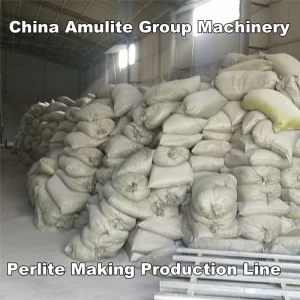
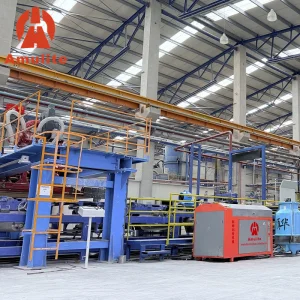
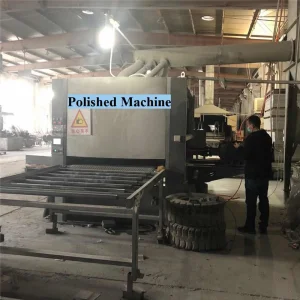
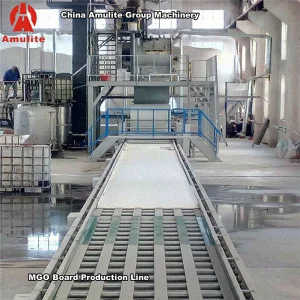
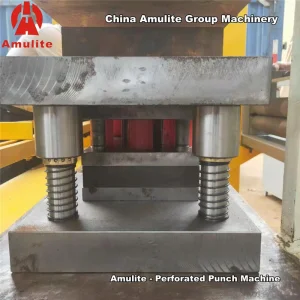
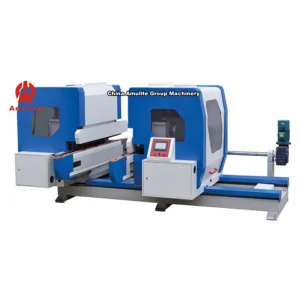
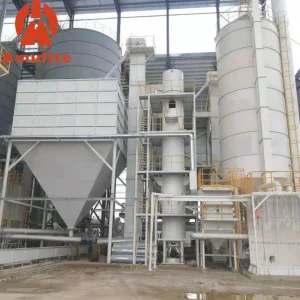
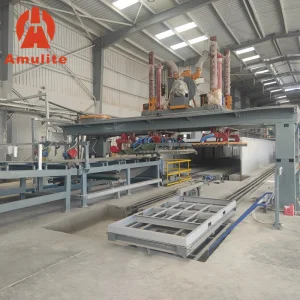
Complete industrial plant configurations engineered for insulation processing, finishing, and panel fabrication.
Request customized hydraulic press blueprints, FEA stress calculations, power consumption audits, or schedule an on-site factory audit with our senior technical engineering team.