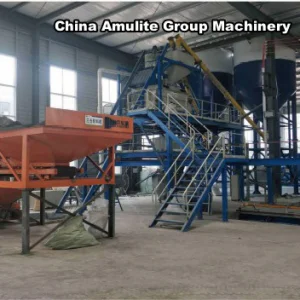
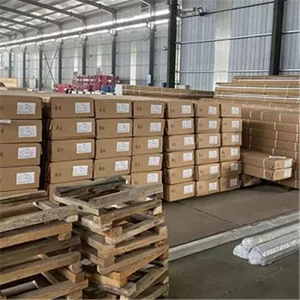
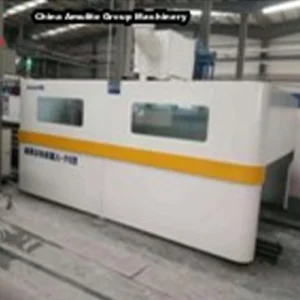
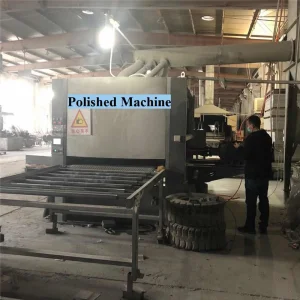
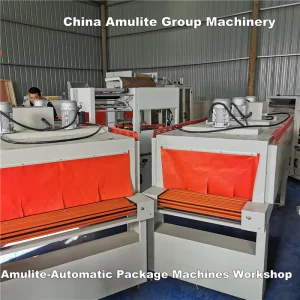
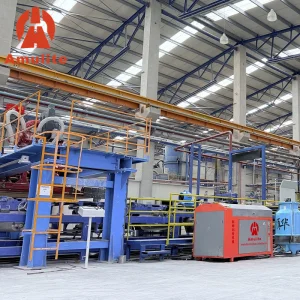
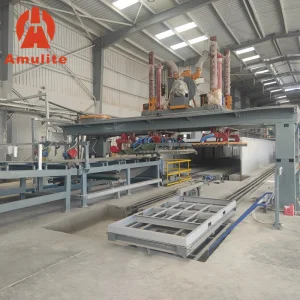
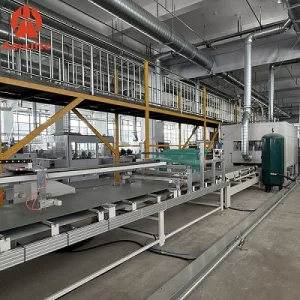
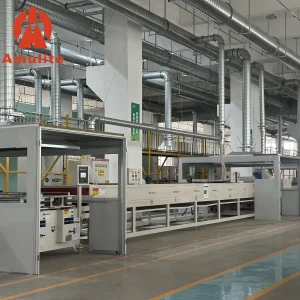
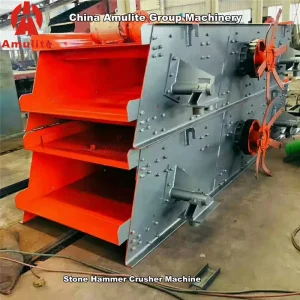
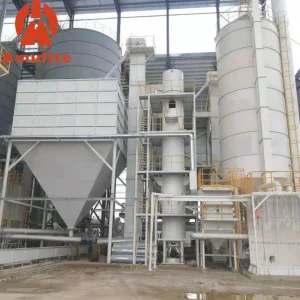
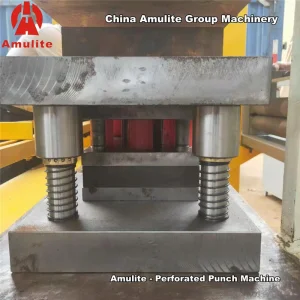
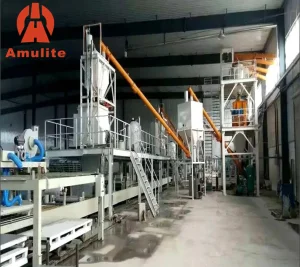
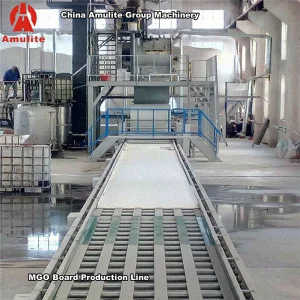
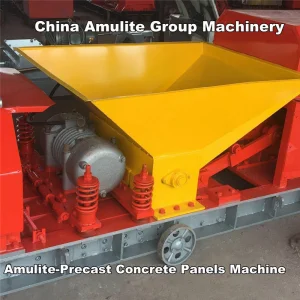
Explore our baseline heavy-duty industrial production plants, ranging from autoclaved lightweight panel forming machinery to precise surface profiling and core line solutions.
In modern commercial architecture and modular industrial construction, the term "T Board" spans a spectrum of specialized architectural components—ranging from fiber cement T-channel structural wall cladding and tongue-and-groove jointed panels to cold-formed T-grid suspension systems for acoustic ceilings. When engineering buyers search to buy T Board making machine suppliers & factories, their intent reaches far beyond basic hardware acquisition. Sourcing directors require automated industrial solutions capable of maintaining extreme structural tolerances, ultra-low thermal bridging, and continuous high-volume output.
The commercial imperative for upgrading T Board production machinery lies in the global shift toward prefabricated building systems (PEB) and dry-wall installation methods. Traditional on-site masonry is rapidly giving way to high-density calcium silicate, autoclaved aerated concrete (AAC), and composite fiber-cement T-boards. Machinery designed for these applications must seamlessly integrate slurry dosing, continuous extrusion or Hatschek wet-layer forming, vacuum dewatering, precision profile routing, and automated curing cycles.
Designed to mill, press, or extrude exact T-profile interlocking edges with sub-millimeter variance, reducing field installation labor by up to 35%.
Closed-loop slurry recirculation systems capture aggregate runoff, bringing raw material waste down below 1.5% across full-scale continuous operations.
Capable of processing lightweight acoustic densities (0.8 g/cm³) up to heavy-duty exterior structural board densities (>1.4 g/cm³) on a single line.
Achieving superior flexural strength (Bending Resistance > 16 MPa) and Class A1 fireproofing requires a robust mechanical workflow. A modern turnkey production line incorporates several engineered subsystems designed for 24/7 continuous operation.
High-shear turbo pulpers mix Ordinary Portland Cement (OPC), ground quartz sand (silica flour), cellulose fibers, and performance additives into a homogenous slurry. Automated loss-in-weight feeders guarantee precise chemical stoichiometry for autoclave hydrothermal synthesis.
Multiple sieve cylinders deposit ultra-thin film layers onto a synthetic felt belt. Vacuum dewatering boxes extract excess moisture, compressing the film layers onto a heavy-duty accumulator roll to build the desired T-board thickness (from 6mm up to 30mm).
A high-pressure dynamic waterjet cutter or automated diamond profiling saw cuts the green board into precise T-geometry dimensions. Edge-routing modules carve exact tongue-and-groove profiles prior to initial setting.
Below are standard engineering specs engineered into our advanced T Board line configurations:
Global buyers evaluating equipment suppliers face a strategic decision: balancing high engineering reliability with realistic capital expenditure (CapEx). Chinese manufacturing clusters—specifically located in Hebei—have evolved into global epicenters for non-metallic building material equipment synthesis.
By integrating Industry 4.0 digital twin modeling, robotic structural welding, and large-scale CNC gantry machining, top-tier Chinese factories deliver turnkey T Board manufacturing systems at 35% to 50% lower investment cost than legacy European machinery suppliers, while matching or exceeding key operational metrics.
From heavy steel plate casting to custom gear reducer assembly and electrical control cabinet wiring, key components are engineered within one industrial ecosystem.
Pre-assembled frame modules and skid-mounted hydraulic units reduce on-site installation timelines from 6 months down to less than 90 days.
Tailor-made adjustments for local raw material matrix peculiarities, such as substituting expensive virgin wood pulp with locally sourced unbleached waste paper or fly ash.
Investing in a versatile T Board production line allows plant owners to target high-margin sectors across modern commercial, residential, and specialized industrial sectors:
Lightweight calcium silicate T-boards paired with acoustic micro-perforations offer fireproof, moisture-resistant suspended ceilings for high-traffic transport hubs, shopping centers, and office towers.
Smooth, anti-microbial T-board wall panels featuring flush-interlocking joint lines prevent dust accumulation and withstand aggressive chemical washdowns in pharmaceutical facilities.
High-density fiber cement exterior T-panels withstand severe freeze-thaw cycles, high wind loads, and intense UV exposure without warping or moisture degradation.
Acquiring a T Board line represents a multi-million-dollar capital commitment. To mitigate operational risk and optimize the Total Cost of Ownership (TCO), engineering procurement teams must execute a structured four-stage evaluation methodology:
Send local samples (cement, sand, fibers) to supplier labs for slurry flowability, green strength, and autoclave curing trials before locking mechanical specs.
Conduct dry-run factory testing of forming cylinders, PLC logic cabinets, cutter accuracy, and hydraulic pressure pumps prior to container packing.
Review foundation load distribution, steam boiler piping, wastewater pit drainage, and automated forklift material flow routes with supplier civil engineers.
Execute live on-site commissioning to achieve contractually guaranteed square-meter output, flexural strength, and scrap rate thresholds.
Deploying industrial machinery into North American, European, Middle Eastern, or Latin American jurisdictions demands strict adherence to localized safety, environmental, and electrical codes:
Autoclave curing vessels meet ASME Section VIII Div 1, CE-PED (Pressure Equipment Directive), and EAC standards, complete with non-destructive weld testing and hydrostatic pressure certifications.
All control enclosures conform to CE Mark, UL 508A, or CSA standards, incorporating premium international components from Siemens, Schneider Electric, ABB, and Omron for global spare parts availability.
Integrated VPN gateways enable real-time PLC troubleshooting, telemetry monitoring, and firmware updates from our central engineering center, backed by resident field engineers for rapid dispatch.
As environmental regulations intensify and carbon-reduction targets take effect worldwide, the architectural panel industry is entering a phase of rapid technology modernization:
Next-gen machine dosing units are optimized for alkali-activated slag, geopolymers, and calcined clays—slashing embodied CO2 emissions by up to 60% compared to traditional Portland cement formulas.
High-resolution vision cameras scan continuous board surfaces at 50 meters/minute, identifying micro-fractures, edge chipping, or thickness variances in real-time before automatic robotic sorting.
Advanced green-state reclamation systems shred and re-hydrate side trimmings, instantly recycling 100% of uncured scrap material back into the wet slurry stream without quality degradation.
Direct answers to the most common questions raised by plant managers and procurement officers during project evaluation:
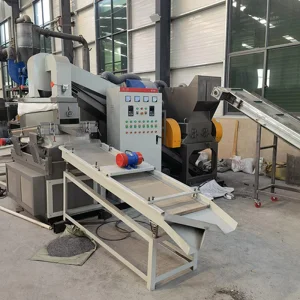
Complete your factory setup with our specialized coating lines, secondary crushing equipment, lightweight insulation lines, and material recycling plants.