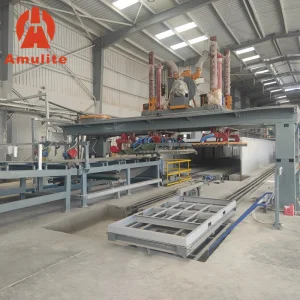
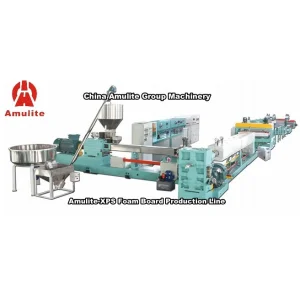
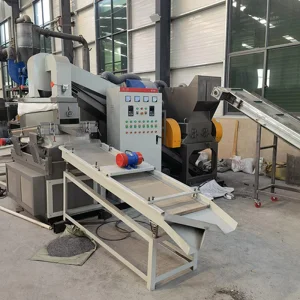
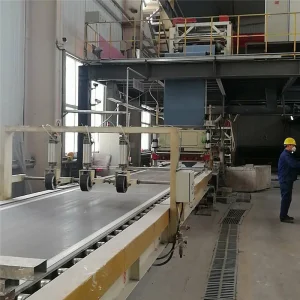
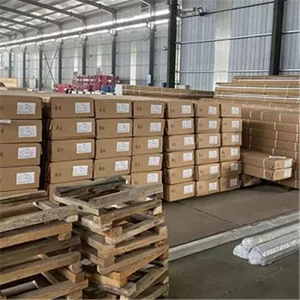
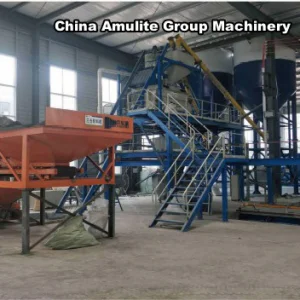
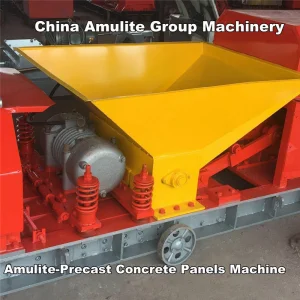
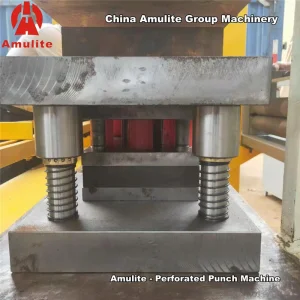
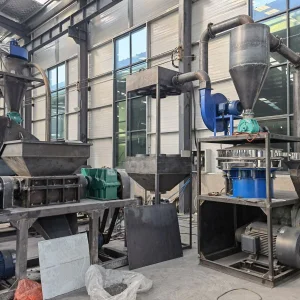
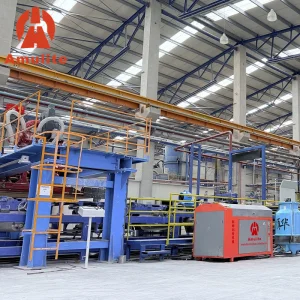
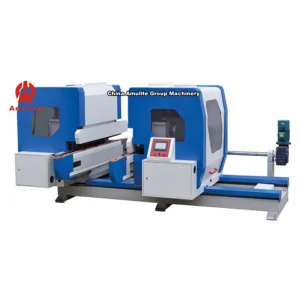
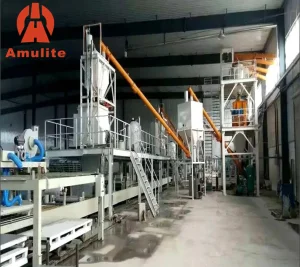
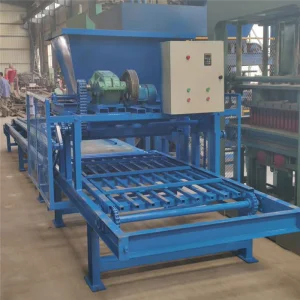
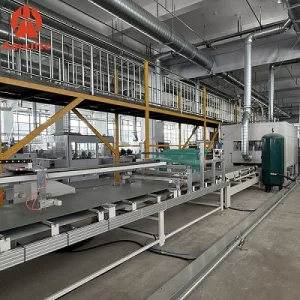
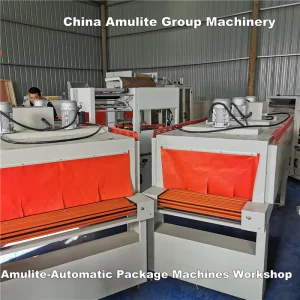
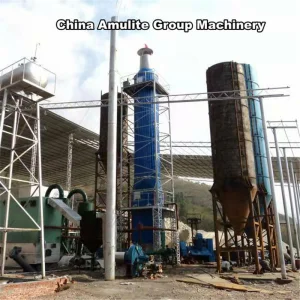
Explore our core manufacturing units and automated equipment lines engineered for global construction and prefabricated building systems.
Analyzing the macro-economic forces, structural engineering shifts, and equipment supply-chain developments transforming the precast wall panel ecosystem worldwide.
The global construction sector is undergoing a seismic transition away from high-labor, carbon-intensive wet masonry toward automated, off-site prefabrication. At the absolute center of this structural transformation is the Sandwich Concrete Panel Machine. Industrial real estate developers, municipal infrastructure contractors, and commercial panel manufacturers are increasingly prioritizing advanced automated sandwich wall panel casting machinery to solve critical productivity challenges: rising field labor costs, stringent carbon footprint caps, and demanding building completion timelines.
From a global procurement perspective, selecting qualified Sandwich Concrete Panel Machine Manufacturers & Factories requires evaluating systemic engineering capability rather than mere individual machinery cost. High-capacity production lines must seamlessly integrate raw material batching, micro-foaming core dispersion, automated fiber cement board face-feeding, high-frequency core consolidation, and accelerated thermal curing tunnels. Leading manufacturers now offer fully turnkey plants capable of producing anywhere from 500,000 m² to over 3,000,000 m² of certified wall panels per annum.
In rapidly urbanizing zones across Asia-Pacific, Latin America, and the Middle East, the adoption of lightweight cement EPS sandwich wall panels has accelerated due to severe seismic code compliance mandates. The lower structural dead load of precast sandwich panels directly reduces the required reinforcement steel and concrete mass in primary building frames, delivering up to 15% overall CapEx savings on foundation and superstructural framing.
Deep-dive technical breakdown of vertical battery molds, horizontal continuous casting systems, automated slurry dosing, and board-handling robotics.
When auditing potential manufacturing facilities, industrial procurement teams must scrutinize the mechanical integrity, hydraulic pressure stability, and automation architecture of the panel machinery. Modern sandwich concrete panel machines are engineered around two distinct operational archetypes: Vertical Battery Mold Systems and Horizontal Continuous Automatic Production Lines.
Utilizes precision-machined vertical steel partitions with integrated heating channels. Vertical casting minimizes plant footprint, prevents core density segregation, ensures mirror-finish panel surfaces on both faces, and enables high daily throughput per square meter of factory floor space.
Designed for ultra-high-volume manufacturing. Features continuous track conveyors, automated calcium silicate / fiber cement board positioning, synchronized slurry pouring, and inline infrared/steam curing chambers for automated 24/7 manufacturing operations.
The core matrix of the sandwich concrete panel typically comprises Ordinary Portland Cement (OPC), Expanded Polystyrene (EPS) beads, fly ash, silica fume, specialty chemical foaming agents, and superplasticizers, sandwiched between two 4.5mm to 6mm fiber cement boards or calcium silicate boards. Technical performance parameters for commercial-grade machinery are detailed in the matrix below:
| Performance Indicator | Standard Specification Class | High-Performance Industrial Class | Engineering Significance |
|---|---|---|---|
| Panel Thickness Range | 60 mm – 150 mm | 75 mm – 200 mm (Customizable) | Determines thermal insulation & structural shear strength. |
| Volumetric Core Density | 550 – 700 kg/m³ | 450 – 600 kg/m³ (Ultra-Lightweight) | Optimizes structural dead-load & transport logistics costs. |
| Compressive Strength | ≥ 3.5 MPa | ≥ 5.0 – 7.5 MPa | Ensures load-bearing capacity & wall anchor security. |
| Airborne Sound Insulation | 38 – 42 dB | 45 – 52 dB (STC Rated) | Critical for acoustic isolation in multi-family residential towers. |
| Fire Resistance (GB/T 9978) | ≥ 3 Hours (100mm Panel) | ≥ 4.5 Hours (A1 Non-Combustible) | Compliance with high-rise life safety & building codes. |
| Drying Shrinkage Value | ≤ 0.6 mm/m | ≤ 0.4 mm/m | Prevents long-term joint cracking and plaster failure. |
Examining AI-driven batching, carbon capture integration, geopolymers, and robotic automation in modern precast machinery manufacturing.
Next-generation panel production lines feature real-time moisture sensors, automated viscometers, and machine-learning slurry dosing algorithms. Systemic adjustments dynamically compensate for aggregate humidity variations, preventing density stratification during casting.
To meet stringent ESG directives, leading machinery builders are redesigning slurry mixers to handle alkali-activated slag, fly ash, and volcanic pozzolans. Zero-cement formulations cut embodied carbon by up to 70% while improving chemical acid resistance.
High-speed vacuum end-effectors, autonomous guided vehicles (AGVs), and robotic arm demolding systems remove physical labor from the stripping phase, cutting panel edge-breakage rates to below 0.2%.
The industry roadmap points unequivocally toward total digital twin integration. Machinery factories are now supplying plant operators with cloud-linked diagnostic dashboards that monitor hydraulic pressure curves, steam consumption per cubic meter, battery mold wear metrics, and preventative maintenance schedules in real-time.
Tailoring sandwich concrete panel production systems to regional climate demands, seismic safety standards, and commercial building archetypes.
In seismic zones (e.g., Pacific Ring of Fire, Mediterranean Basin), heavy masonry infill walls present lethal structural hazards during ground motion events. Lightweight EPS sandwich panels installed with flexible male-female tongue-and-groove joints allow seismic inter-story drift without brittle catastrophic cracking. Panel machinery designed for seismic zones incorporates specialized perimeter tongue-and-groove profiling dies and rebar slotting capabilities.
For GCC desert environments or Nordic sub-zero regions, panel machinery is customized to produce dual-core insulated panels featuring embedded XPS/PU insulation cores surrounded by lightweight cellular concrete. The elimination of continuous thermal bridges prevents internal moisture condensation, mold growth, and HVAC energy leakage.
Logistics parks, cold storage warehouses, and emergency housing projects demand ultra-long wall panels (up to 3.6 meters in height) with rapid click-lock assembly capabilities. Machinery tailored for industrial applications features specialized vertical mold height extension modules and high-rate automated core vibration systems to ensure consistent density across extra-long panel spans.
Evaluating the direct economics, material inputs, operational expenditure (OpEx), and capital investment payback timeline for investors.
Investing in an automated sandwich concrete panel production plant requires a clear understanding of the direct material balance and unit cost breakdown. A standard 100mm thick EPS cement sandwich panel typically follows the formulation envelope detailed below:
From an ROI standpoint, a well-optimized automated battery mold line running two 8-hour shifts daily can achieve full CapEx amortization within 14 to 22 months, driven by the massive gross margin spread between raw material input costs and regional market sales prices for finished wall panels.
Addressing essential technical, operational, and procurement queries raised by engineering leaders during factory selection.
Discover complete manufacturing lines for fiber cement boards, recycling systems, brick plants, and automated packaging equipment.