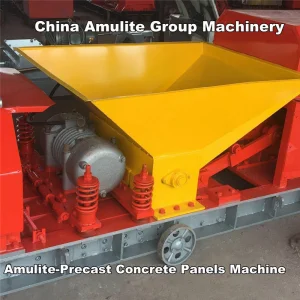
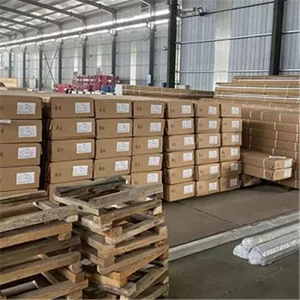
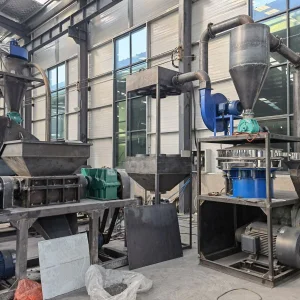
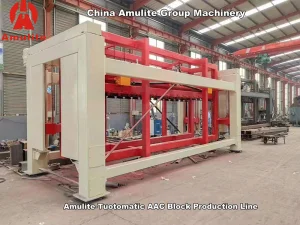
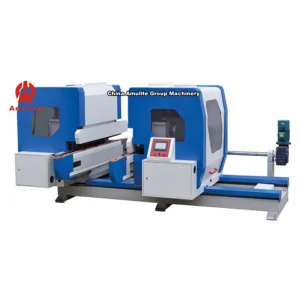
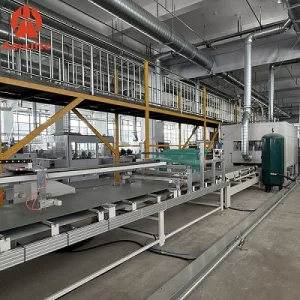
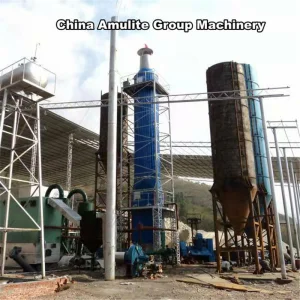
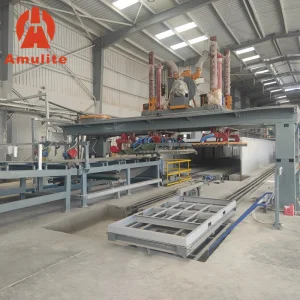
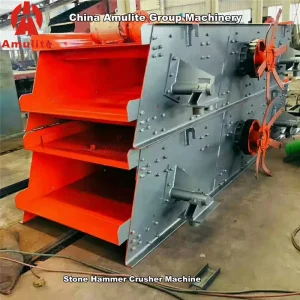
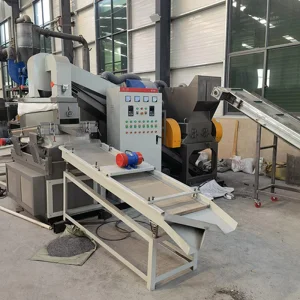
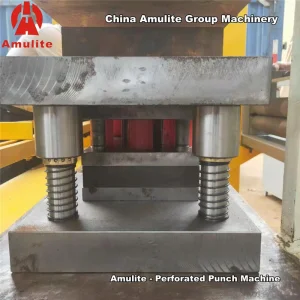
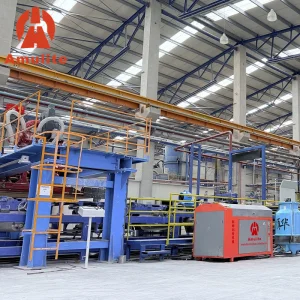
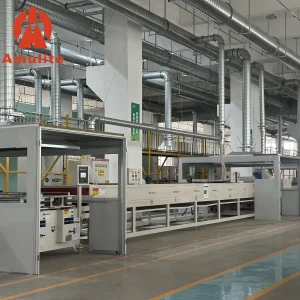
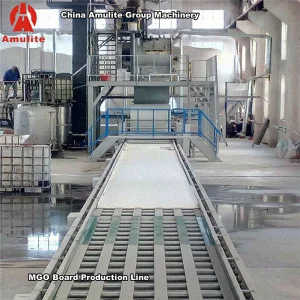
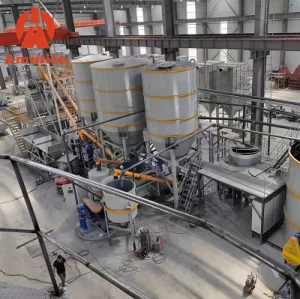
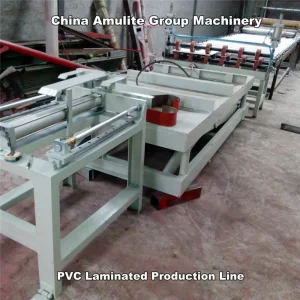
Select from our enterprise-grade equipment portfolio engineered for structural panels, exterior cladding, non-asbestos fiber boards, and advanced building material processing.
The global construction industry is undergoing a structural paradigm shift toward Industrialized Building Systems (IBS), driven by severe labor shortages, tightening environmental regulations, and demanding project timelines. At the center of this transformation lies high-throughput precast concrete panel making machinery. Capital equipment investments in this domain are no longer limited to basic mechanical casting; today's procurement teams demand intelligent, multi-layer automated production lines that blend precise dosing, continuous extrusion, autoclaved curing, and robotic handling.
Modern precast panel manufacturing systems produce architectural facade elements, hollow-core wall panels, lightweight insulated EPS sandwich panels, fiber-reinforced cement boards, and autoclaved aerated concrete (AAC) units. Selecting the right original equipment manufacturer (OEM) or turnkey machinery supplier requires a comprehensive evaluation of material adaptability, hydraulic compression power, PLC control flexibility, dynamic mold adjustments, and long-term energy consumption per square meter of finished product.
Engineering directors, EPC contractors, and building material plant owners face complex capital expenditure (CapEx) decisions when sourcing precast panel manufacturing lines. A successful machine purchase must align technical performance with local raw material availability, such as Ordinary Portland Cement (OPC), fly ash, silica sand, expanded perlite, and synthetic or cellulose fibers.
Evaluating CapEx against operational costs (OpEx), including electric power per ton, boiler steam load, hydraulic seal lifespans, and mold wearing factors. Optimized lines cut electrical load by 18-25% via inverter-driven motor drives.
The capability to process diverse slurries without mechanical re-tooling. Modern plants toggle between fiber-reinforced lightweight partition panels, dense exterior cladding, and fireproof magnesium silicate boards.
Siemens or Schneider PLC architectures equipped with remote SCADA diagnostics, automatic oil spraying systems, emergency hydraulic shut-offs, and light-curtain safety barriers compliant with CE machinery directives.
Depending on the target application—whether high-rise commercial interior partitions, residential exterior facade systems, or acoustic highway barriers—manufacturers deploy three primary machinery technological routes:
Designed for thin, ultra-high strength non-asbestos fiber cement and calcium silicate sheets (4mm to 30mm). Uses multiple slurry vats, cylinder molds, felt dewatering systems, vacuum accumulator units, and high-pressure hydraulic presses reaching up to 10,000 metric tons.
Utilizes heavy-duty twin-shaft auger extruders or vertical hydraulic battery molds to produce thick hollow-core concrete wall panels (60mm to 200mm). Features internal tongue-and-groove joint profiling for rapid field assembly.
Integrates double-belt continuous pressing conveyors, precise EPS micro-bead core batching, cement slurry bonding injectors, and dual face board feeders for high-speed manufacturing of pre-insulated lightweight composite wall units.
Deploying industrial heavy machinery overseas demands stringent adherence to international electrical, pressure-vessel, and mechanical safety codes. A reliable supplier provides complete turn-key engineering support, ensuring your plant passes local factory acceptance tests (FAT) and site acceptance tests (SAT) without delays.
Autoclaves used in silica-lime curing operate under high pressure steam environment. Machinery must be manufactured according to ASME Section VIII Div 1 or PED 2014/68/EU codes, complete with non-destructive testing (NDT) report certificates. Electrical control cabinets conform to IEC 60204-1 and UL 508A standards with multi-voltage support (380V–480V, 50/60Hz).
Turnkey delivery includes on-site civil engineering foundation design approval, mechanical structural erection, hydraulic piping assembly, and software commissioning. Expert engineers conduct chemical mix optimization using local raw materials, providing intensive operator training to achieve targeted board output within 30 days of startup.
The future of concrete panel manufacturing is defined by decarbonization, digital-twin real-time tracking, and zero-waste closed-loop material recycling. Sourcing platforms are evolving to incorporate next-generation technological milestones:
High-speed optical visual sensors detect surface micro-cracks, edge chipping, and thickness variations down to 0.02mm before panels enter curing ovens.
Injecting captured flue gas CO2 into curing chambers accelerates calcium silicate hydrate (C-S-H) matrix formation while permanently sequestering carbon.
Replacing 100% of OPC cement with alkali-activated slag and fly ash geopolymers, creating zero-clinker fireproof exterior insulation panels.
End-to-end robotic demolding, automated guided vehicle (AGV) internal logistics, self-adjusting dimensional cutting saws, and automated strapping.
Key answers for plant managers, project engineers, and procurement directors evaluating precast machinery.
Explore auxiliary crushers, automated cutting systems, coating equipment, and recycling solutions designed to integrate into high-yield wall panel manufacturing hubs.