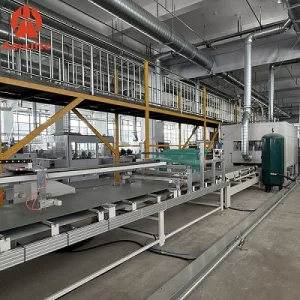
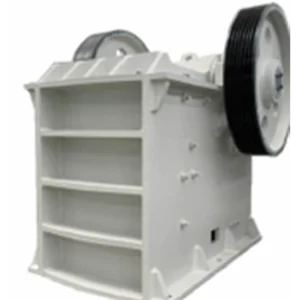
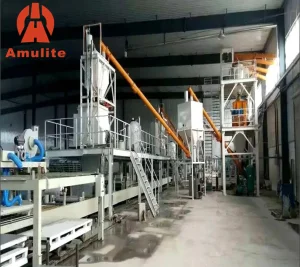
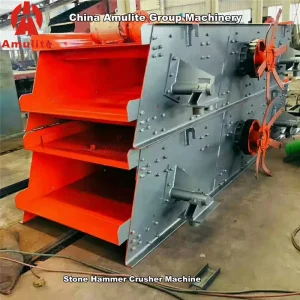
Explore precision-engineered production lines, crushing plants, cutting systems, and automated packaging infrastructure built for maximum volumetric output and strict structural tolerance.
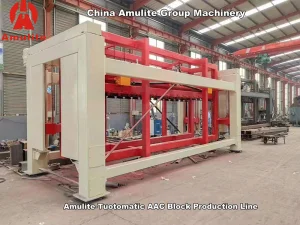
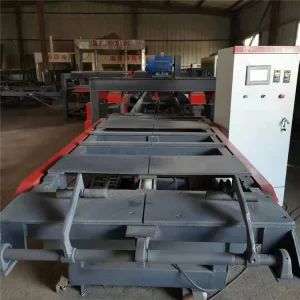
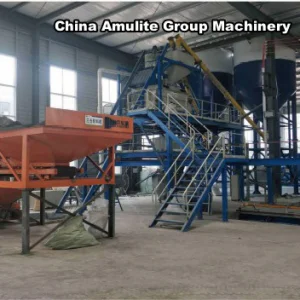
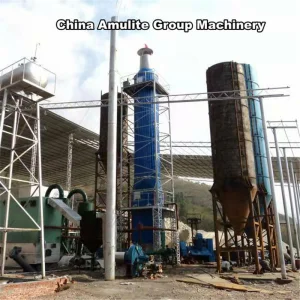
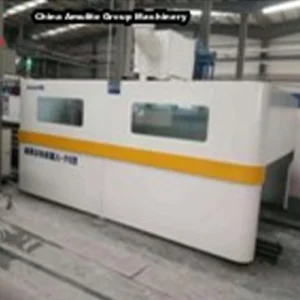
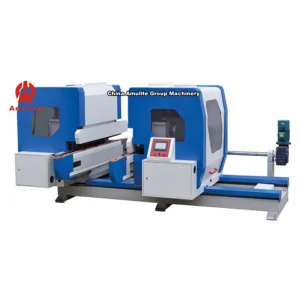
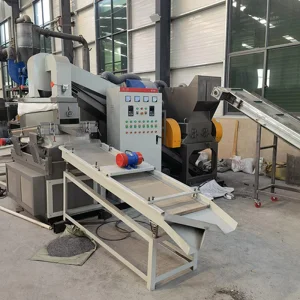
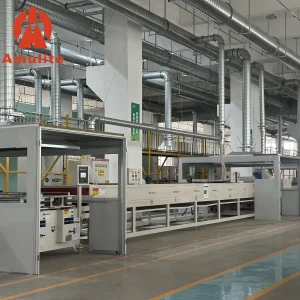
The global construction ecosystem is experiencing a structural migration toward modern methods of construction (MMC), Driven by tight labor markets, aggressive carbon-neutrality targets, and strict project timelines, prefabricated non-structural and structural wall elements have become vital components of commercial, industrial, and residential building blueprints. At the heart of this manufacturing shift is the search to buy concrete wall panel mold machine solutions from certified manufacturers capable of guaranteeing high volumetric accuracy, minimal cycle times, and robust structural integrity.
Industrial precast concrete wall panel molds are specialized mechanical casting matrices designed to process fluid or semi-dry cementitious slurries—often modified with expanded polystyrene (EPS) beads, lightweight aggregate, fly ash, silica fume, or synthetic fibers—into load-bearing or partition wall assemblies. Selecting an optimum mold machine requires evaluating continuous hydraulic pressure capability, compaction vibration dynamics, automatic thermal curing integration, and rapid demolding turnarounds.
Key Insight for Procurement Directors: Equipment selection directly determines raw material yield and labor costs. Advanced vertical battery mold machines with integral steam jackets reduce curing times by up to 60%, delivering significant operational expenditure (OPEX) reductions compared to traditional stationary horizontal casting beds.
Industrial concrete wall panel machinery can be broadly categorized into three core operational typologies: Vertical Battery Mold Systems, Horizontal Automatic Circulation Lines, and Continuous Extrusion Core-Forming Equipment. Understanding the mechanical, fluid dynamic, and structural trade-offs of each system is critical before issuing a Request for Proposal (RFP).
Designed for compact spatial footprints and maximum volumetric production density. Utilizes vertical steel separator plates squeezed by hydraulic rams, forming 10 to 20 casting pockets per gang matrix. Excellent for smooth double-sided architectural finishes.
Employs high-frequency vibratory augers and pneumatic core formers to extrude continuous lightweight or heavy-aggregate concrete slabs. Ideal for long-span non-load-bearing partition walls with internal conduit channels.
Engineered to bond facing boards (such as fiber cement or calcium silicate sheets) with lightweight EPS-cement slurry cores. Incorporates automated side-rail positioning and integrated thermal curing tunnels.
When reviewing manufacturer equipment lists, plant technical managers must evaluate four core sub-assemblies to ensure reliable long-term performance:
| Machine Subsystem | Standard Specs | Heavy-Duty Industrial Specs | Engineering Impact |
|---|---|---|---|
| Mold Plate Steel Grade | Q235 / Mild Carbon Steel | Q345B / Manganese Alloy Steel | Prevents warping under thermal stress & hydraulic pressure |
| Hydraulic Pump Station | Single-Stage Gear Pump (7.5kW) | Dual-Variable Piston Pump (15-22kW) | Faster opening/closing cycles & precise pressure control |
| Vibration Frequency | 2,800 RPM Fixed Speed | 0-4,500 RPM Inverter Controlled | Optimizes slurry compaction for varying particle sizes |
| Surface Roughness (Ra) | Ra 3.2 µm | Ra 1.6 µm (Polished / Chrome Plated) | Ensures smooth surface finishes without plastering needs |
B2B buyers actively searching to buy concrete wall panel mold machines fall into three distinct operational categories: precast concrete plant expansions, real estate developers verticalizing their supply chain, or engineering, procurement, and construction (EPC) contractors managing large-scale housing projects. Navigating the commercial landscape requires a structured framework to differentiate original equipment manufacturers (OEMs) from secondary trading intermediaries.
To mitigate capital expenditure risk, procurement committees should audit prospective equipment manufacturers against six key operational metrics:
Total Cost of Ownership (TCO) Formula for Precast Plants:
TCO = Capital Equipment Cost + (Energy Consumption per m² × Annual Volume) + (Maintenance Costs / Useful Life) - (Labor Savings from Automation)
Investing in higher-grade automated vertical mold machines typically yields a full ROI within 14 to 22 months due to reduced cycle times and a 70% decrease in manual labor required per square meter of panel output.
China has established itself as the world center for non-metallic building material machinery and heavy structural casting equipment. Industrial machinery clusters in Hebei, Shandong, and Jiangsu offer unmatched vertical integration, combining steel metallurgy, hydraulic engineering, precision machining, and industrial software development within concentrated regional ecosystems.
Direct access to world-leading steel production facilities guarantees premium alloy steel plates (Q345B/Q355B) at competitive prices, providing robust structural frames that resist cyclic fatigue.
China's machinery ecosystem leverages standardized component sizing for hydraulic cylinders, bearings, reducers, and electrical relays, drastically reducing long-term spare part procurement costs.
Dense technical expertise enables rapid engineering turnarounds—customizing mold lengths, thickness ranges, and interlocking tongue-and-groove profiles in weeks rather than months.
Deploying concrete wall panel machinery across diverse geographical regions requires adapting line designs to local power grids, raw material characteristics, and regional environmental standards. Machinery configured for high-humidity tropical zones requires distinct electrical insulation and cooling systems compared to equipment operating in sub-zero arid climates.
Mechanical precision accounts for only half of precast plant productivity; the remaining half relies on controlling slurry rheology, binder ratios, and chemical hydration kinetics. A well-designed concrete wall panel mold machine must handle varying slurry viscosities without surface honeycombing, void formation, or edge chipping during stripping.
| Panel Type | Core Binder System | Lightweight Aggregate / Filler | Target Density (kg/m³) | Compressive Strength (MPa) |
|---|---|---|---|---|
| EPS Sandwich Cement Panel | OPC 42.5R Cement + Fly Ash | Expanded Polystyrene (EPS) Beads (1-3mm) | 550 – 750 kg/m³ | 3.5 – 7.5 MPa |
| Lightweight Hollow-Core Panel | Portland Cement + Silica Fume | Ceramsite / Expanded Perlite / Sand | 700 – 1000 kg/m³ | 5.0 – 12.0 MPa |
| Fiber-Reinforced Solid Wall Panel | OPC 52.5N + Blast Furnace Slag | Washed Silica Sand + Basalt Fiber | 1200 – 1600 kg/m³ | 15.0 – 25.0 MPa |
| AAC Panel (Autoclaved Aerated) | Quicklime + Cement + Gypsum | Ground Quartz Sand Slurry + Aluminum Powder | 420 – 620 kg/m³ | 3.0 – 5.5 MPa |
Achieving stable demolding strength within short cycle times requires optimizing chemical admixtures: polycarboxylate ether (PCE) superplasticizers maintain flowability at low water-cement ratios (W/C: 0.28–0.34), while triethanolamine-based accelerators speed up initial calcium silicate hydrate (C-S-H) needle crystal formation.
The latest generation of industrial concrete panel mold machinery integrates AI vision systems, IoT sensor networks, and SCADA monitoring platforms to minimize reliance on manual operator experience. Sensors placed across the mold matrix track slurry moisture, compaction energy, and exothermic hydration temperatures in real time.
AI algorithms adjust vibration frequency dynamically based on real-time ultrasonic density feedback, ensuring uniform material compaction without air pocket formation.
Telemetry modules track hydraulic oil degradation, pump pressure spikes, and mechanical wear, alerting plant managers to upcoming maintenance windows before failures occur.
High-resolution laser scanners analyze panel dimensions immediately following demolding, automatically flagging micro-variations and recalibrating mold side-rail positioning.
Direct answers from our engineering team on capital investment, operational logistics, and plant setup requirements.
A standard vertical battery mold machine configured with 20 mold cavities running on a 4-hour steam curing cycle produces 120 to 160 wall panels per 8-hour shift. Adding an automated overnight thermal curing shift doubles daily plant capacity without expanding the factory footprint.
Variations in local sand silt content, fly ash reactive silica levels, or cement fineness alter slurry viscosity and initial setting times. We perform raw material sampling and slurry rheology testing in our factory laboratory before final machine sizing, adjusting vibration motor frequency and mixer blade geometries accordingly.
Vertical battery mold machinery requires a minimum clear ceiling height of 6.0 to 7.5 meters to allow overhead crane travel for panel extraction. Concrete foundations must support dynamic loads of 25 to 35 kN/m² under hydraulic battery gang zones.
Precision-milled Q345B steel separator plates treated with anti-corrosion chemical passivators typically last over 50,000 casting cycles before requiring mechanical resurfacing or recoating, provided appropriate release agents are applied between cycles.
Yes. Our battery mold machines use adjustable side-rail gaskets and modular end-stop bulkheads. Panel thickness can be adjusted from 60mm to 200mm in 10mm increments by swapping side seal strips, while length can be adjusted along continuous guide rails.
We deploy a specialized team consisting of a lead mechanical millwright, a PLC automation engineer, and a concrete formulation specialist to supervise foundation setup, equipment assembly, hydraulic testing, slurry trials, and local staff training through final acceptance.
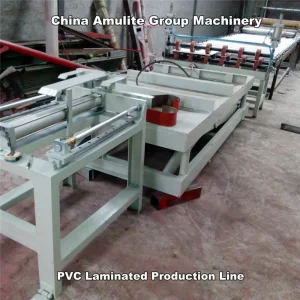
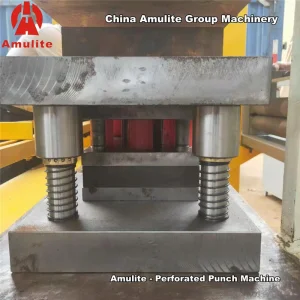
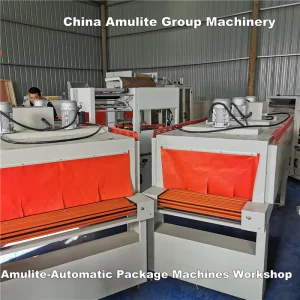
Integrate your concrete panel line with specialized surface coating, tile backing, material crushing, and automated packaging systems engineered for global operational reliability.