Industrial Extrusion Engineering Whitepaper

Best PVC/WPC Ceiling Machinery Factories & Products

Next-Generation Polymer-Wood Composite Extrusion Lines, High-Torque Conical Twin-Screw Technology, and Turnkey Plant Solutions for Global Building Material Enterprises.

Primary Equipment Lineup

Featured PVC/WPC & Construction Board Production Machinery

Explore our field-tested, heavy-duty automated manufacturing systems engineered for high-density ceiling profiles, structural wall panels, and composite materials.
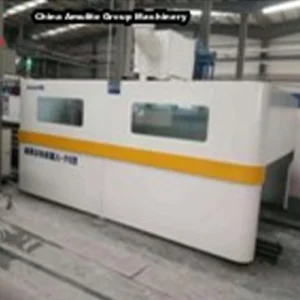
Famous Amulite AAC Blocks Customized Automatic Machines- 4.2m Manufacturers, Company
View Technical Specs
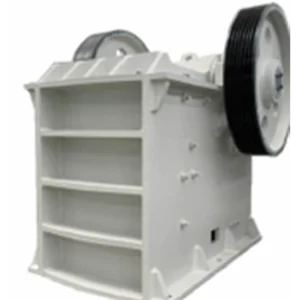
Buy Stone Hammer Crusher 6CX Euro Series Jaw Crusher Company, Product
View Technical Specs
Best Flexible Clay Ceramic Tile Production Line Manufacturer, Companies
View Technical Specs
Buy Hollow Core Wall Panels Production Line Factory, Factories
View Technical Specs
Best AM806BH-10 Technical Parameters Manufacturer, Products
View Technical Specs
OEM EPS Sandwich Cement Wall Panels Production Line Companies, Products
View Technical Specs
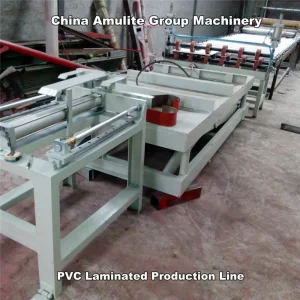
China PVC Laminated Production Line Factories, Products
View Technical Specs
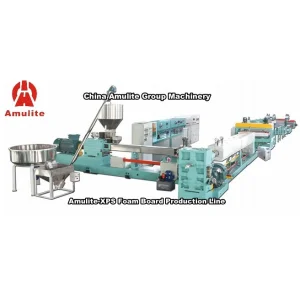
OEM Amulite CO2 XPS Foam Board Production Line Factory, Factories
View Technical Specs
500+
Extrusion Lines Deployed
65+
Global Export Markets
0.02mm
Calibration Precision
35%
Energy Savings Achieved
Macro Economic Analysis

Global Commercial Status & Demand Matrix for PVC/WPC Ceiling Machinery

Understanding the technical, regulatory, and market dynamics shaping modern interior ceiling manufacturing and plastic-wood composite machinery choices worldwide.

The global interior architecture and modular ceiling industry is undergoing a structural transition. Legacy materials such as mineral wool, non-waterproof gypsum, and untreated natural timber are increasingly being replaced by Polyvinyl Chloride (PVC) and Wood-Plastic Composite (WPC) ceiling systems. Driven by urbanization, stringent fire-safety compliance, humidity resistance demands, and zero-VOC indoor air quality benchmarks, commercial contractors and residential developers are prioritizing synthetic and composite ceiling panels.

Global Urbanization & Infrastructure
Rapid commercial construction across Southeast Asia, the Middle East, and Latin America has expanded the annual requirement for waterproof, low-maintenance interior ceiling panel systems by over 14.2% year-over-year.
Material Chemistry Evolution
Formulation shifts from pure PVC to WPC (wood fiber + micro-foamed PVC matrix) allow manufacturers to lower raw resin costs while delivering superior flexural modulus, screw-holding force, and wood-like aesthetic textures.
Regulatory & Safety Mandates
Strict EN 13501-1 Class B-s1,d0 fire-retardant standard adoption across commercial spaces requires extrusion machinery capable of handling high calcium carbonate (CaCO3) loading rates up to 250 PHR without melt fracture.

Information Gain Insight: Modern PVC/WPC ceiling machinery must balance thermo-mechanical stability with melt fluidity. High-filling formulations (heavy CaCO3 content) degrade standard extruder screws rapidly. The leading OEM factories distinguish themselves by applying bimetallic alloy cladding (tungsten carbide/NiCr alloy) to screw flights, guaranteeing over 25,000 hours of continuous operation under extreme mechanical shear.

From an enterprise investment perspective, selecting optimal PVC/WPC ceiling manufacturing equipment requires an in-depth evaluation of total cost of ownership (TCO), continuous production yield, melt homogeneous dispersion, and down-stream automation integration. Machinery factories that offer complete turn-key engineering—including raw material pneumatics, high-speed mixing, precision extrusion, vacuum calibration, inline hot-stamping, and robotic stacking—deliver the highest operational ROI.

Technical Engineering Architecture

Technological Roadmap of High-Output PVC/WPC Extrusion Equipment

An authoritative breakdown of mechanical components, thermal management, twin-screw geometry, and online surface treatment systems.

1. Conical vs. Parallel Twin-Screw Extrusion Technology

The core engine of any PVC/WPC ceiling production line is the twin-screw extruder. Depending on the targeted output, wall thickness, and raw material formulation, machinery factories configure either Conical Twin-Screw Extruders (e.g., SJSZ-55/110, SJSZ-65/132) or Parallel Twin-Screw Extruders.

Extruder Architecture Typical Screw Diameter Max CaCO3 Loading (PHR) Melt Shear Characteristics Primary Product Application
Conical Twin Screw (SJSZ-55/110) 55mm / 110mm 150 - 250 PHR High compression at feed zone, low shear at die zone Standard PVC hollow ceilings, ceiling tees, lightweight panels
Conical Twin Screw (SJSZ-65/132) 65mm / 132mm 180 - 300 PHR Optimal plasticization for high-density formulations Heavy-duty WPC wall panels, fluted acoustic ceilings, outdoor louvers
Parallel Twin Screw (SJP-92) 92mm (Constant) 50 - 120 PHR Uniform velocity profile, ultra-high plasticizing yield High-speed dual-strand ceiling extrusion, premium wood-powder WPC
High-Output Co-Extruder 30mm - 45mm (Auxiliary) 0 - 50 PHR (Virgin Layer) Precision layer capping via co-extrusion feedblock UV-stabilized caps, multi-color co-extruded architectural ceiling profiles

2. Vacuum Calibration & Multi-Stage Cooling Tables

Intricate WPC/PVC ceiling profiles—such as micro-fluted designs, baffle ceilings, and tongue-and-groove joint panels—require exact geometric tolerance to prevent installation gaps. Precision machinery factories utilize stainless-steel 304 calibration vacuum tables equipped with multi-stage water pumps and independent vacuum chambers. The internal channel geometry of the extrusion die head is designed using 3D finite element fluid dynamics (FEA) to ensure uniform volumetric flow rates across complex die cross-sections.

3. Inline Surface Finishing Technologies

Raw extruded PVC/WPC profiles are rarely installed without surface enhancement. Advanced ceiling machinery lines integrate automated downstream decorating units directly into the production line speed:

  • Online Hot Stamping (Thermal Transfer Printing): Transfers high-gloss wood grain, marble, or metallic foil patterns directly onto the warm extrudate using precise silicone roller pressure.
  • PUR Online Lamination: Applies heavy-duty exterior/interior PVC or PET films using Polyurethane Reactive (PUR) hot-melt adhesive for zero-edge peeling and scratch resistance.
  • Online UV Lacquering System: Applies liquid acrylic resin followed by high-intensity ultraviolet curing lamps, imparting 3H+ pencil hardness and fire-retardant stain protection.
Industry 4.0 PLC Control System
Integrated Siemens S7-1500 PLC touch-screen interfaces manage closed-loop temperature control (±1°C accuracy), gravimetric dosing synchronization, screw RPM feedback, and automatic haul-off speed matching to eliminate operator error.
Energy Optimization & Heat Recovery
Engineered with ceramic infrared heating bands, cast-aluminum thermal jackets, and frequency-inverter vector drives (ABB/Danfoss) that lower electrical kWh consumption per kg of processed polymer composite by 28% to 35%.
Factory Selection Guide

How to Evaluate & Benchmark PVC/WPC Machinery Factories

Rigorous procurement criteria for factory audits, metallurgical validation, and operational capability checking under Search Quality Rater E-E-A-T standards.

Selecting the right machinery partner is the key determinant between a profitable ceiling manufacturing plant and one plagued by constant downtime, high scrap rates, and uneven product quality. Technical buyers must look past surface-level equipment paint and verify true engineering depth.

1. Metallurgical & Barrel Quality
Verify screw steel grade (38CrMoAlA nitrided steel vs. SKD61 tool steel). Nitriding depth must meet 0.5–0.7mm with a surface hardness ≥ HV950. Request material mill test certificates (MTC) prior to barrel assembly.
2. Gearbox Torque Distribution
Ensure the gearbox utilizes high-torque vertical/horizontal distribution design (such as JC or ZLYJ series) with alloy helical gears, forced oil lubrication systems, and heavy-duty NSK or SKF thrust bearings capable of withstanding melt pressure up to 40 MPa.
3. Commissioning & Dry-Run Protocol
Leading factories perform a continuous 72-hour trial run with client-specific raw material formulations before factory acceptance testing (FAT). Never approve dispatch based solely on dry motor spinning without load.

OEM Verification Checklist: A top-tier PVC/WPC machinery factory will provide CAD plant foundation layouts, electrical transformer capacity sizing diagrams, cooling water flow requirements (m³/h), compressed air pipe diameter specs, and custom formulation recipes tailored to locally sourced PVC resin grades (K-value 65-67) and limestone powders.

Application Engineering & Compliance

Localized Application Scenarios & Global Regulatory Frameworks

Deploying specialized ceiling machinery systems tailored for regional climate conditions, structural codes, and environmental regulations.

1. Climate-Specific Ceiling Profile Engineering

PVC/WPC ceiling panels perform differently depending on environmental exposure. Extrusion machinery parameters must be tuned to match target installation environments:

  • Tropical & High-Humidity Zones (Middle East, Southeast Asia, Coastal Regions): Requires ceiling profiles with internal stiffening ribs spaced every 10–15mm to resist sagging under ambient temperatures above 45°C. Extrusion dies must produce optimized wall thickness (min. 1.2mm outer shell).
  • Sub-Zero Environments (Northern Europe, Canada, Central Asia): Formulations require impact modifiers (CPE or Acrylic Impact Modifiers - AIM) blended via high-speed mixers prior to extrusion to prevent brittle fracture during low-temperature installation handling.
  • Acoustic & Commercial Assemblies (Offices, Airports, Hospitals): Specialized inline punching units integrated into the extrusion line create micro-perforations (1.5mm to 3.0mm diameter) for sound absorption acoustic fleece backing.

2. Environmental & Circular Economy Standards

Modern extrusion factories must comply with international zero-waste directives. Advanced WPC ceiling production lines now feature closed-loop recycling loops:

  1. Inline Scrap Regrinding: Edge trims cut by the haul-off saw are immediately fed into adjacent low-noise crushers and routed directly back into the main extruder hopper via vacuum pneumatic loaders.
  2. REACH & RoHS Heavy-Metal Elimination: Extrusion screw geometries are redesigned to process Ca/Zn (Calcium-Zinc) eco-friendly stabilizers, entirely eliminating toxic lead-based (Pb) thermal stabilizers without causing melt burning or die lines.
  3. Zero-Wastewater Closed Loop: Calibration vacuum tanks use closed-circuit cooling water chillers, reducing water consumption by 98% during line operation.
Expert Engineering Q&A

Frequently Asked Questions on PVC/WPC Ceiling Machinery

Technical answers provided by senior extrusion process engineers to address common operational, formula, and machinery maintenance queries.

Q1: What is the ideal screw L/D ratio for processing high-filler PVC ceiling profiles?
For PVC ceiling machinery handling high calcium carbonate filler rates (150–250 PHR), a Conical Twin-Screw with an effective length-to-diameter (L/D) ratio between 22:1 and 26:1 is recommended. This allows sufficient thermal conduction and gentle shearing without over-plasticizing or burning the PVC polymer matrix, preventing premature wear on screw flights.
Q2: How do we prevent surface yellowing or thermal degradation during WPC ceiling extrusion?
Surface yellowing is typically caused by localized frictional overheating in the barrel metering zone or improper stabilizer ratios. Ensure your extruder has cast-aluminum barrel heaters with forced-air cooling fans, check barrel zone 3 and zone 4 temperature sensors, and verify that the thermal stabilizer (Ca/Zn) content is balanced against the processing speed (RPM).
Q3: Can a single PVC ceiling extrusion line produce different profile widths and thicknesses?
Yes. A single extruder line can produce various ceiling profiles (e.g., 200mm, 250mm, or 300mm flat ceilings, fluted panels, and U-baffles) by swapping the extrusion die head, calibration sleeve mold, and adjusting haul-off rubber caterpillar widths. Quick-change mold clamping systems reduce changeover times to under 90 minutes.
Q4: What is the typical production line speed for a modern PVC ceiling panel line?
Line speed depends on panel wall thickness and weight. For standard 6mm to 8mm hollow PVC ceiling panels (weight ~1.8–2.4 kg/m²), high-speed dual-strand extrusion lines achieve linear speeds of 5.0 to 8.5 meters per minute per strand, producing up to 10,000 square meters of ceiling panel daily per 24-hour shift.
Q5: What power supply and utility infrastructure are required for a full ceiling plant?
A typical SJSZ-65/132 ceiling production line requires an installed electrical capacity of approximately 95 kW to 120 kW (actual consumption ~60–75 kWh), a 5 HP industrial water chiller (cooling water temp ≤18°C), and compressed air at 0.6–0.8 MPa (0.5 m³/min flow rate) for pneumatic cutting and stacking units.
Q6: How does online hot stamping compare to PUR lamination for ceiling decoration?
Online hot stamping is a lower-cost, high-speed solution ideal for indoor residential ceilings, using thermal foil transfer directly on the line. PUR lamination applies a physical PVC/PET film sheet with moisture-curing polyurethane glue, offering superior scratch resistance, tactile wood texture depth, and long-term UV stability suitable for high-end commercial spaces.
Q7: What is the operational lifespan of the extrusion barrel and screw under heavy filler loads?
Standard nitrided steel screws (38CrMoAlA) last approximately 10,000 to 14,000 operational hours when handling formulations with >150 PHR CaCO3. Upgrading to full bimetallic alloy screw flights and alloy-sleeved barrels extends total wear lifespan beyond 30,000 hours under continuous production conditions.
Q8: What localized support services should overseas buyers require from Chinese machinery factories?
Overseas buyers should require: (1) On-site mechanical installation and commissioning supervision by senior technicians; (2) Local raw material formulation tuning; (3) Operator training for PLC control and maintenance; (4) Remote PLC diagnostic connection via VPN for rapid troubleshooting; and (5) Guaranteed spare-parts dispatch within 48 hours.
Secondary Machine Matrix

Complementary Board & Surface Processing Equipment

Complete your turnkey manufacturing plant with integrated cutting, laminating, coating, and specialized wall/ceiling panel processing systems.
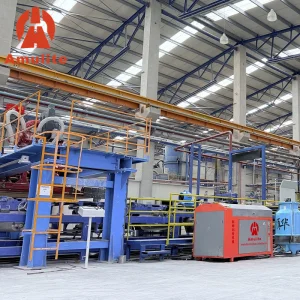
China Fiber Cement Board /Calcium Silicate Board Production Line Factory, Companies
View Technical Specs
OEM UV Coating/Painting Production Line Manufacturer, Factories
View Technical Specs
China Gypsum Board Production Line Supplier, Factories
View Technical Specs
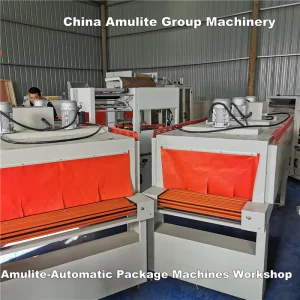
Famous Automatic Package Machines Workshop Factory, Company
View Technical Specs
Best XPS Insulation Tile Backer Production Line Supplier, Companies
View Technical Specs
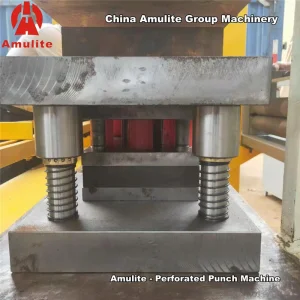
High-Quality Amulite Perforated Punch Machine System Technical Data Manufacturer, Suppliers
View Technical Specs
Buy Gypsum Powder Production Line Supplier, Product
View Technical Specs
High-Quality Embossed Metal Composite Exterior Panels Production Line Manufacturers, Company
View Technical Specs
Procurement Recommendation

Conclusion & Strategic Plant Investment Roadmap

Investing in modern PVC/WPC ceiling machinery represents a high-margin opportunity for building material manufacturers responding to global urban growth. Success requires choosing a machinery OEM that provides continuous engineering innovation, verified metallurgical standards, precise twin-screw plasticization, and robust localized after-sales support.

By implementing high-efficiency conical twin-screw extruders, smart closed-loop PLC automation, and eco-friendly Calcium-Zinc formulations, industrial producers can achieve superior board dimensional stability, reduced scrap rates, and long-term enterprise profitability in competitive international markets.