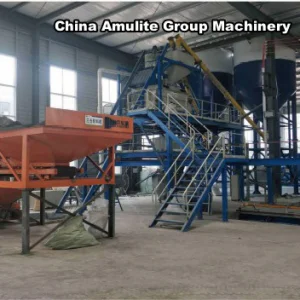
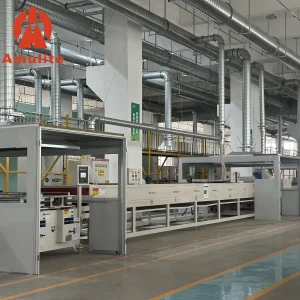
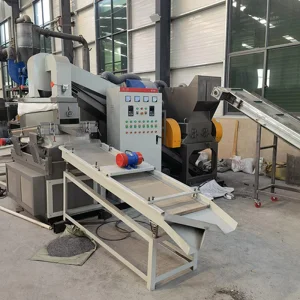
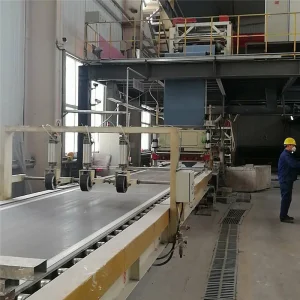
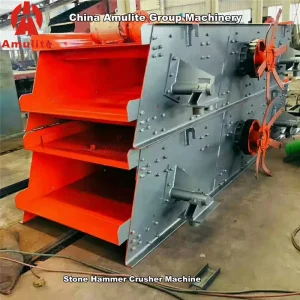
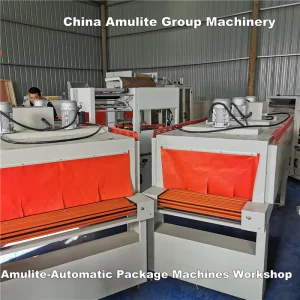
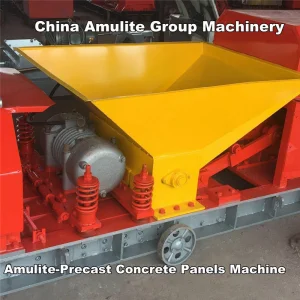
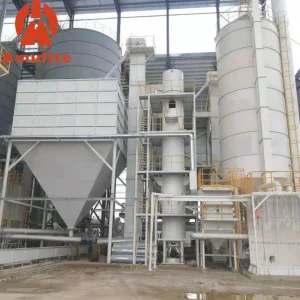
High-yield industrial production machinery engineered for automated wall panel manufacturing, fiber cement board processing, and resource recovery.
Understanding the strategic market forces driving automation, capacity expansions, and modular material adoption across global construction sectors.
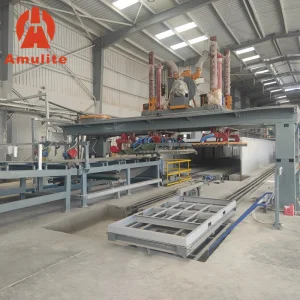
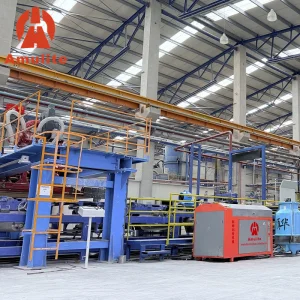
The global construction equipment and panel machinery landscape is undergoing a structural transformation. Driven by the rapid acceleration of modular prefabrication, stringent net-zero building regulations, and acute regional labor shortages, the demand for sophisticated panel machines—encompassing fiber cement, autoclaved aerated concrete (AAC), gypsum plasterboard, and EPS sandwich wall panel lines—has reached unprecedented high-water marks.
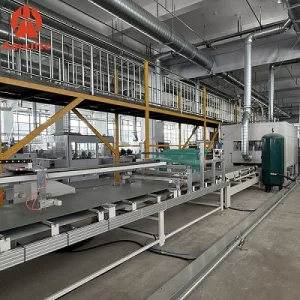
Modern building material production is no longer framed around simple standalone mechanical presses. Today's commercial ecosystem demands integrated, cyber-physical plant installations capable of continuous raw material dosing, dynamic slurry dewatering, high-pressure steam hydrothermal synthesis, and robotic edge profiling. Industry estimates indicate that the market for structural wall panel and board production lines will exceed multi-billion dollar valuations over the next decade, expanding at a CAGR of over 7.4%.
Global shift toward off-site construction reduces job-site waste by up to 60% and shortens erection timelines by 40%, pushing high-capacity panel plant investments.
Stricter carbon compliance (LEED, BREEAM) requires machinery OEMs to innovate low-emission thermal curing cycles and enable industrial byproduct utilization.
Modern lines seamlessly blend fly ash, slag, perlite, and post-industrial mineral residues to engineer lightweight, fire-rated structural wall panels.
High-precision mechanics combined with real-time SCADA and PLC control architecture deliver industry-leading operational efficiencies.
In fiber cement board machinery, the Hatschek process utilizes multi-vat cylinder molds to filter dilute aqueous slurries (consisting of Portland cement, silica quartz sand, cellulose fibers, and performance additives). Each mesh cylinder deposits a micro-layer (~0.2mm) onto a running felt. Vacuum dewatering boxes extract excess moisture until the desired board thickness is accumulated on the format roller, ensuring unparalleled mechanical flexural strength (up to 28 MPa upon autoclave curing).
From carbon-neutral curing environments to full line automation, explore the advancements defining top-tier panel machine manufacturing.
Modern zero-discharge production lines recycle 98% of process water and reclaim uncured edge-trimming residues. High-efficiency hydro-cyclones and sedimentation tanks re-inject slurries directly back into the primary mixing phase without compromising green sheet integrity.
Next-generation autoclaves incorporate direct carbon-dioxide injection systems during the hydrothermal curing phase (170°C–190°C at 1.0 MPa steam pressure). Supercritical CO2 reacts with calcium hydroxide to form durable calcium carbonate matrixes, permanently sequestering carbon within the building panel.
A detailed cross-analysis of core machinery parameters across major building board production lines.
| Panel Machine Type | Core Raw Materials | Forming Technology | Density Range (g/cm³) | Typical Applications | Energy Profile |
|---|---|---|---|---|---|
| Fiber Cement Board Line | Cement, Silica Sand, Cellulose Fiber | Hatschek / Flow-On Dewatering | 1.2 - 1.7 | Exterior Cladding, Facades, Subflooring | Medium Electrical / High Thermal (Autoclave) |
| Calcium Silicate Board Line | Lime, Quartz Powder, Fiber, Cement | Multi-Cylinder Forming | 0.8 - 1.2 | Fireproof Partitions, Acoustic Ceilings | High Thermal Curing (Tobermorite Reaction) |
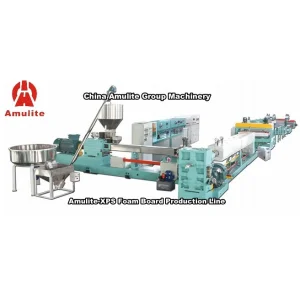
| EPS Sandwich Panel Line | Cement, EPS Beads, Surface Sheets | Vertical/Horizontal Mould Injection | 0.45 - 0.75 | Lightweight Interior & Exterior Partition Walls | Low Thermal / Medium Pneumatic Assembly |
| Gypsum Plasterboard Line | Desulfurized Gypsum, Starch, Paper | Continuous Extrusion & Slurry Banding | 0.65 - 0.90 | Drywall Interiors, False Ceilings | High Thermal (Multi-Deck Drying Chamber) |
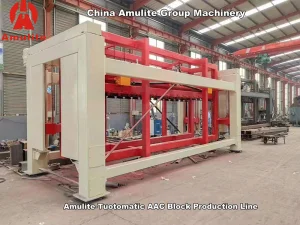
| AAC Block & Panel Line | Sand/Fly Ash, Lime, Cement, Aluminum Powder | High-Precision Tilting Mould & Cutting Wire | 0.40 - 0.65 | Structural Load-Bearing Walls, Roof Slabs | High Steam Pressure Autoclaving |
Tailoring machinery configurations, raw material chemistry, and curing protocols to regional environmental and building code requirements.
High humidity and extreme rainfall necessitate non-asbestos fiber cement sheets with high water impermeability and anti-fungal properties. Machinery is configured with inline water-repellent coating and UV-curing lines.
Extreme thermal swings demand ultra-insulating wall panels. EPS sandwich cement panel lines integrated with automatic lightweight aggregate dosing are deployed to supply thermal envelope boards meeting strict UAE and Saudi building standards.
Emphasis on zero-asbestos, low volatile organic compound (VOC) emissions, and high fire resistance (A1 rating). Plants feature automated camera-based defect inspection systems and precision edge profiling CNC mills.
The next decade of panel machinery engineering will be defined by three convergence pillars: Artificial Intelligence Control Systems, Material Decarbonization, and Unified Resource Recovery Integration.
Fluctuations in raw material moisture and pulp freeness historically required manual operator tweaks. Upcoming smart plants integrate microwave moisture sensors and inline rheometers connected to AI neural networks. The system automatically adjusts flocculant and water dosing in real-time, holding wet-sheet basis weight variations within ±0.5%.
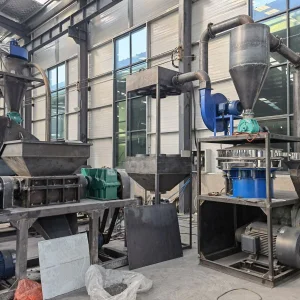
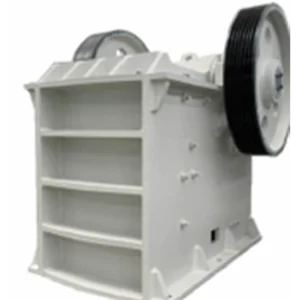
Forward-thinking panel machine plants are co-located with auxiliary recycling equipment. Processing post-industrial scrap, lithium battery casing mineral slags, and crushed stone residues allows plants to offset virgin OPC cement usage by up to 35%, drastically lowering embodied carbon metrics.
Edge-computing IoT sensor clusters mounted on format rollers, vacuum pumps, and autoclaves track vibrational anomalies and thermal signatures. Predictive maintenance algorithms schedule component servicing before catastrophic failure occurs, maintaining line uptime above 99%.
Explore our full line of specialized block machinery, crushed aggregate processing systems, and recycling equipment.
In-depth answers covering capital investment, raw material adaptation, quality control, and turn-key commissioning.