Explore our core engineering product portfolio designed for high-density, fireproof, and structural non-metallic building board production.
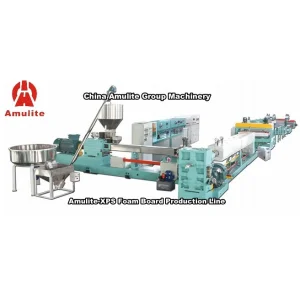
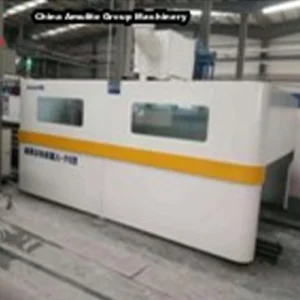
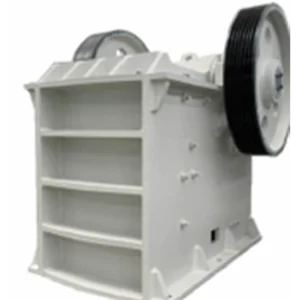
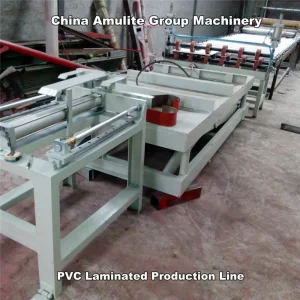
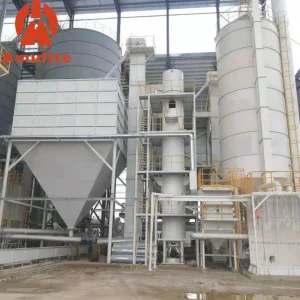
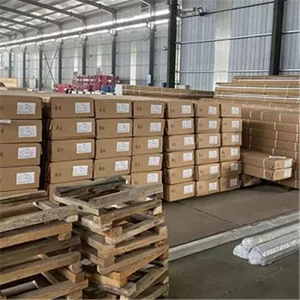
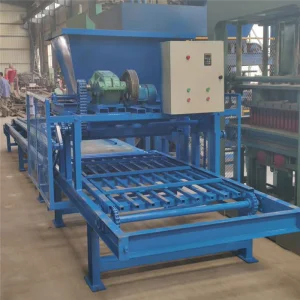
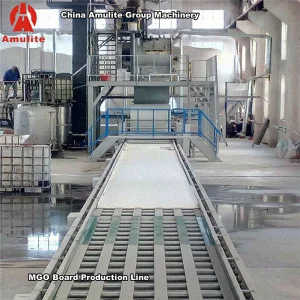
An in-depth analysis of modern slurry forming technologies, hydrothermal synthesis curing, and industrial automated line configurations.
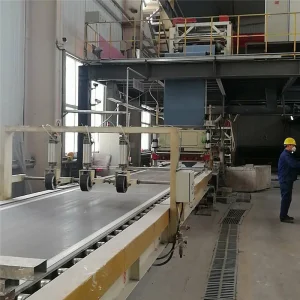
The global manufacturing landscape for fiber cement board sheets is dominated by two primary forming principles: the Hatschek Process and Flow-On Technology. Modern top-tier equipment suppliers configure multi-vat Hatschek machines (typically 3 to 5 forming vats) using fine synthetic felt filters. As the sieve cylinders rotate in dilute slurry (concentration 6–10%), thin film layers (0.2–0.3 mm) are continuously transferred onto the felt and accumulated onto a forming drum until the exact target board thickness (4 mm to 30 mm) is achieved. This thin-layer lamination creates exceptional multi-directional flexural tensile strength.
The structural integrity of autoclaved calcium silicate and fiber cement boards relies on the formation of Tobermorite (C5S6H5) crystalline structures. Modern high-capacity lines integrate pressurized autoclaves operating at 170°C to 190°C under 10–12 bar saturated steam pressure over an 8- to 12-hour curing cycle. The reaction between reactive silica sand (SiO2 > 90%, milled to < 200 mesh) and Portland cement (CaO) creates a dense, non-combustible matrix with superior dimensional stability, low moisture movement (< 0.15%), and Class A1 fire rating compliance according to EN 13501-1 standards.
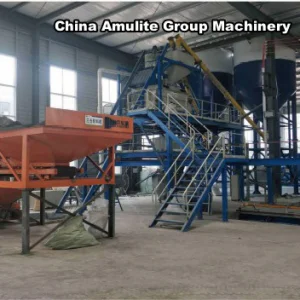
Leading Chinese equipment engineering groups, such as China Amulite Group, have revolutionized the raw material utilization rate by integrating multi-stage cyclone separators and continuous water clarification systems. The process water from vacuum dewatering couch rolls is completely recycled into slurry batching tanks, achieving a 98.5% water recycling rate and zero liquid discharge (ZLD) operational compliance.
| Performance Parameter | Autoclaved Fiber Cement Line (High Density) | Air-Cured Fiber Cement Line (Medium Density) | AAC / Light Wall Panel Line |
|---|---|---|---|
| Raw Material Matrix | Quartz Sand (Silica), Cement, Cellulose Pulp, Mica | Ordinary Portland Cement, Fly Ash, Pulp, Micro-Silica | Fly Ash/Sand, Lime, Gypsum, Cement, Aluminum Powder |
| Density Range (g/cm³) | 1.30 – 1.75 g/cm³ | 1.10 – 1.30 g/cm³ | 0.45 – 0.70 g/cm³ |
| Flexural Strength (MPa) | ≥ 16 – 28 MPa (Category 4 / 5) | ≥ 9 – 14 MPa | ≥ 3.5 – 6.0 MPa |
| Curing Methodology | 175°C High-Pressure Autoclave (10-12 hr) | Pre-curing Chamber + 28-day Ambient/Moist Air | Autoclave 180°C (12 hr) |
| Fire Resistance Class | Non-combustible Class A1 (BS 476 Part 4) | Non-combustible Class A1 / A2 | Non-combustible Class A1 |
| Key Machinery Component | Forming Drum, 7000T Stack Press, Autoclaves | Forming Machine, Pre-curing Tunnel, Stacker | Tilting Cutter, Ferry Cart, Autoclave Trays |
Architectural demand for energy-efficient, dry-wall prefabrication systems is driving unprecedented innovation in fiber cement machinery automation.
Modern production lines feature closed-loop PLC SCADA integration (Siemens S7-1500 / Schneider Electric ecosystem). Laser thickness sensors measure wet sheet thickness in real-time, instantly adjusting forming cylinder rotation speed and vacuum box pressure values to keep thickness variation within ±0.15 mm.
Global regulatory prohibitions against chrysotile asbestos have shifted manufacturing 100% to PVA (Polyvinyl Alcohol) and refined wood cellulose pulp fibers. Chinese machinery designers have re-engineered pulp hydration systems (hydrapulpers, disc refiners) to ensure optimal fiber fibrillation without shortening fiber length.
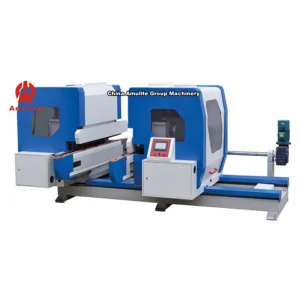
Off-site volumetric construction requires high-strength, lightweight exterior siding boards, soffit panels, and structural floor backer boards. This demand has accelerated adoption of continuous UV-coating lines, edge-profiling equipment, and automated four-side trimming systems.
Why Tier-1 EPC contractors and global building material conglomerates partner with specialized Chinese machinery manufacturers.
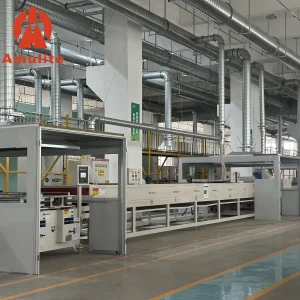
Unlike regional machinery assemblers, top-scale Chinese manufacturers maintain over 100,000 square meters of localized heavy manufacturing capacity. From large-diameter forming cylinder CNC machining, heavy-duty frame welding, stress-relieving heat treatments, to PLC wiring testing, every critical mechanical module is fabricated under one roof. This guarantees rigid structural integrity under continuous 24/7 industrial vibration.
Procuring complete fiber cement board lines from top Chinese OEMs yields a 45% to 60% CAPEX savings compared to Western European alternatives without compromising component quality. Leading Chinese equipment utilizes internationally standardized parts: Siemens motors, Schneider electricals, NSK bearings, Festo pneumatics, and SEW reducers—ensuring long-term global spare part availability and rapid ROI (typically under 24 months).
Eliminating operational risks across North America, Europe, the Middle East, Southeast Asia, and Latin America.
Autoclaves comply with ASME Section VIII Div 1, CE PED (Pressure Equipment Directive 2014/68/EU), and SELO (China Special Equipment License). Electrical panels conform to UL 508A and CE Low Voltage Directive standards.
Before equipment delivery, our chemistry team tests locally sourced sand, cement, fly ash, and cellulose pulp. We adjust formulation ratios to ensure the finished board achieves targeted density, water absorption (< 28%), and flexural strength specifications.
We dispatch dedicated mechanical, electrical, and raw material formulation engineers directly to your site for 60 to 90 days. We provide comprehensive hands-on training for local operators, maintenance staff, and QC laboratory technicians.
Adaptable manufacturing equipment producing versatile fiber cement sheets for modern civil and industrial projects.
Thickness: 8 mm – 16 mm
Density: > 1.40 g/cm³
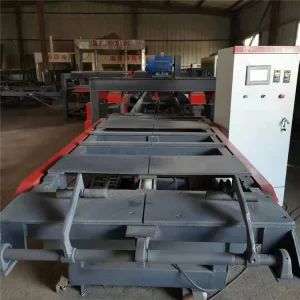
Configured with heavy hydraulic press units and automatic grain-embossing rollers for wood-grain and stone facade textures.
Thickness: 6 mm – 12 mm
Density: 1.20 – 1.35 g/cm³
Engineered for high-speed output with multi-blade automatic edge trimming and stacking machines for interior dry-wall partitions.
Thickness: 18 mm – 30 mm
Density: > 1.55 g/cm³
High-thickness forming drums combined with heavy-duty stack press equipment to yield flexural resistance surpassing 22 MPa for mezzanine floors.
Thickness: 4 mm – 6 mm
Density: 1.15 – 1.25 g/cm³
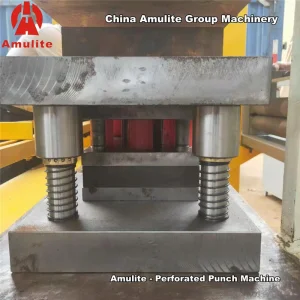
Integrated with high-speed acoustic micro-perforating punching machines and continuous UV coating/painting production lines.
Explore auxiliary processing equipment, edge cutters, and complete board line solutions designed by China Amulite Group.
Comprehensive technical answers provided by senior project managers and process engineers at China Amulite Group.