



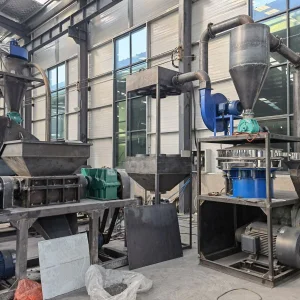
Engineered to meet rigorous Kuwait Environmental Public Authority (KEPA) and GCC industrial standards, delivering high throughput, low energy consumption, and high-purity metal extraction.
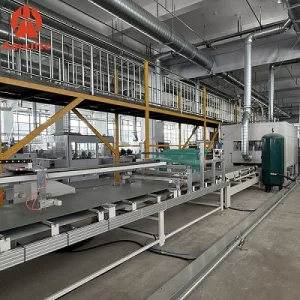
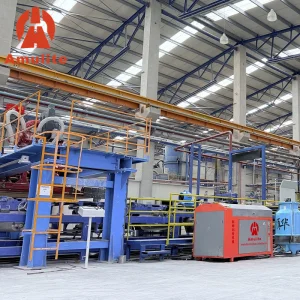
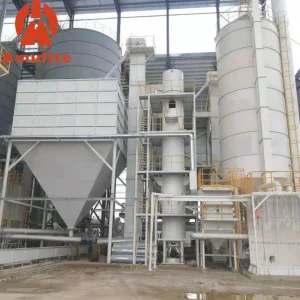
As part of Kuwait Vision 2035 ("New Kuwait"), the State of Kuwait is aggressively accelerating its industrial diversification and green transition. With massive investments poured into renewable energy megaprojects such as the Shagaya Renewable Energy Park and widespread grid electrification across Shuaiba Industrial Area, Mina Abdulla, and Subiya, the demand for high-capacity Battery Energy Storage Systems (BESS) and Electric Vehicles (EVs) is reaching unprecedented levels in the Arabian Gulf region.
However, this rapid transition towards renewable energy integration introduces a critical downstream challenge: managing end-of-life (EOL) energy storage assets. Lithium-ion batteries (LIBs)—encompassing Lithium Iron Phosphate (LFP), Nickel Manganese Cobalt (NMC), and Lithium Cobalt Oxide (LCO) chemistries—contain valuable critical minerals including Cobalt, Nickel, Lithium carbonate, Copper, and Aluminum. Without sophisticated local recycling infrastructure, discarded batteries pose severe fire hazards in desert landfills and lead to significant economic loss of non-renewable metal assets.
"Establishing localized, high-purity lithium battery recycling plants in Kuwait is no longer merely an environmental compliance metric—it represents a high-yield strategic entry into the GCC's burgeoning circular economy. By converting battery waste into refinery-ready Black Mass, Kuwaiti operators can supply global battery material supply chains while meeting Kuwait Environmental Public Authority (KEPA) mandates."
Deploying heavy-duty, climate-adapted lithium battery recycling machinery is essential to withstand Kuwait’s harsh desert ambient temperatures (exceeding 50°C in summer) while maintaining zero-VOC emissions, sealed nitrogen inert shredding, and maximum material recovery efficiency.
Modern lithium battery recycling equipment supplied to Kuwait industrial facilities utilizes a multi-stage closed-loop process designed to maximize purity while ensuring complete operational safety. The machinery integrates automated mechanical pretreatment, low-temperature vacuum pyrolysis, ultra-fine air classification, and magnetic-eddy current separation.
Prevents thermal runaway and dust explosion hazards during the initial crushing stage by maintaining a strict N2 inert gas blanket within dual-shaft heavy crushers.
Decomposes organic binders (PVDF) and extracts NMP solvents at controlled temperatures (350°C-500°C), drastically enhancing subsequent copper and cathode powder liberation.
Employs airflow gravity separators and pulse-jet dust collectors to separate lightweight plastic foils, copper granules, aluminum flakes, and fine Black Mass.
When selecting lithium battery recycling equipment for Kuwait industrial park installation, process engineers must evaluate technical operational thresholds:
| Process Metric | Standard Factory Benchmark | Kuwait Climate-Adapted Line Specification |
|---|---|---|
| Processing Capacity | 1,000 – 10,000 Tons / Year | Fully Scalable Modular Design (Up to 20,000 T/Y) |
| Black Mass Recovery Rate | > 96.0% | > 98.5% Total Black Powder Yield |
| Copper / Aluminum Separation Purity | 95% – 97% | > 99.0% High-Purity Metallic Granules |
| Operational Ambient Temp Range | 0°C – 40°C | High-Ambient Desert Cooling (Up to 55°C) |
| Off-Gas Purification System | Basic Wet Scrubber | RTO Thermal Oxidizer + HEPA + Carbon Adsorption |
| Automation Level | Semi-Automated PLC | Siemens SCADA Fully Integrated Industry 4.0 PLC |
Our senior process engineering team provides customized plant layout design, utility consumption analysis, and turnkey equipment quotes compliant with GCC industrial standards.
Send Inquiry NowAs the global capital of lithium battery manufacturing and raw material refining, China controls over 70% of the world's battery processing technology ecosystem. Chinese machinery manufacturers possess unmatched field experience, backed by thousands of operating hours across diverse battery chemistries (EV battery packs, energy storage modules, 18650/21700 cylindrical cells, and consumer pouch batteries).
For Kuwait industrial procurement groups, contracting turnkey recycling equipment directly from top-tier Chinese OEM factories offers major strategic advantages:
Executing a successful lithium battery recycling plant project in Kuwait requires an integrated macro solution spanning civil infrastructure, environmental engineering, and downstream buyer alignment. A standard turnkey procurement scope for a Kuwait battery recycling project includes four vital phases:
Deep saltwater bath discharging or automated electrical energy feedback systems to bring incoming high-voltage EV packs down to a zero-energy state prior to mechanical processing.
Continuous nitrogen-purged shredding followed by indirect thermal pyrolysis ovens, separating aluminum foils, copper foils, and black mass powder efficiently.
Multi-stage tail gas treatment combining spray towers, UV photolysis, active carbon adsorption, and Regenerative Thermal Oxidizers (RTO) ensuring zero chemical odors.
Acid leaching, solvent extraction, and crystallization equipment to convert crude Black Mass into battery-grade Cobalt Sulfate, Nickel Sulfate, and Lithium Carbonate.
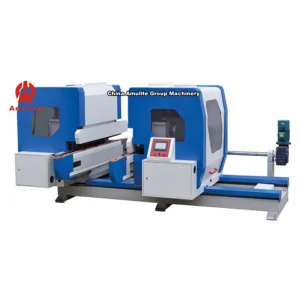
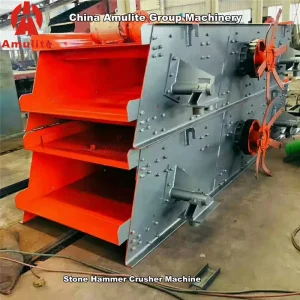
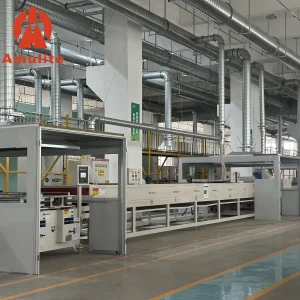
Explore our broader portfolio of automated production lines, heavy crushing equipment, and specialized industrial manufacturing systems built for export worldwide.
Key technical, regulatory, and commercial insights answered by senior recycling plant engineers.
Given the high intrinsic market value of extracted Black Mass (containing up to 30% Nickel, 15% Cobalt, and 7% Lithium), payback periods for a standard 5,000 Ton/Year facility operating in Kuwait range from 14 to 22 months, depending on local feedstock acquisition costs and operational efficiency.
Our export recycling lines come equipped with fully sealed negative-pressure air collection systems, high-efficiency RTO thermal oxidizers for VOC decomposition, and multi-stage alkaline wet scrubbers. Off-gas discharge contains less than 0.5 ppm of hazardous fluorine or organic gases, far exceeding KEPA standards.
Yes. By utilizing modular pre-treatment shredders, our lines can handle heavy EV battery modules (after auto-discharging) as well as cylindrical (18650, 21700), prismatic, and pouch lithium batteries without requiring separate machinery lines.
We provide full EPC engineering support: certified mechanical and automation engineers are dispatched directly to your plant site in Kuwait to oversee civil foundation setup, electrical wiring, mechanical assembly, trail production runs, and comprehensive operator safety training.
Take the lead in Kuwait's sustainable industrial transition. Contact our engineering team today to receive a comprehensive technical proposal, ROI financial model, and customized factory layout drawing.
Send Inquiry Now