Technical White Paper & Industry Report

OEM PU Sandwich Wall Panel Company & Product

Architectural Envelope Engineering, Thermal Insulation Kinetics, Global Supply Chain Mechanics & High-Gain Structural Solutions

Product Catalog Part I

Featured Industrial Machinery & Production Systems

Explore our core engineering machinery lines powering non-metallic wall panel fabrication and automated building material manufacturing globally.
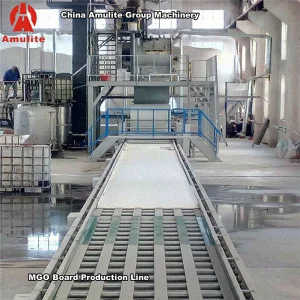
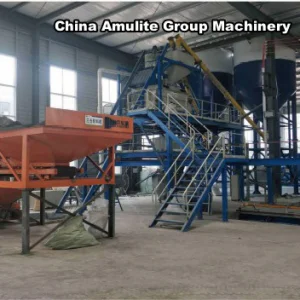
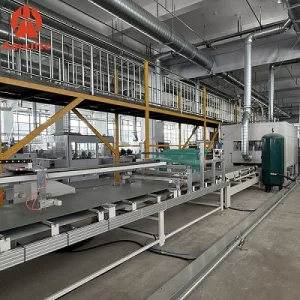
OEM China Amulite Group MGO Board Production Line
OEM China Amulite Group MGO Board Production Line Factories, Product
View Specifications →
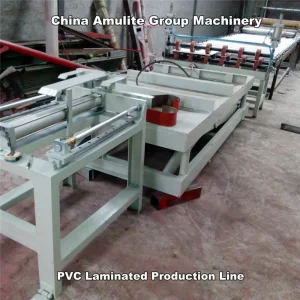
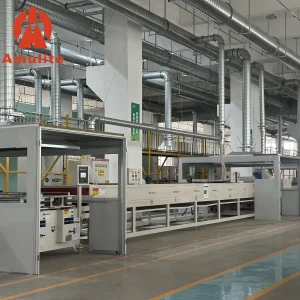
China PVC Laminated Production Line
China PVC Laminated Production Line Factories, Products
View Specifications →
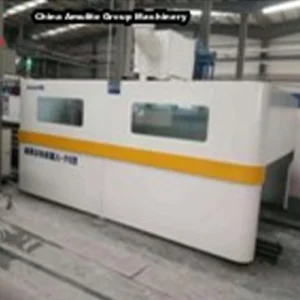
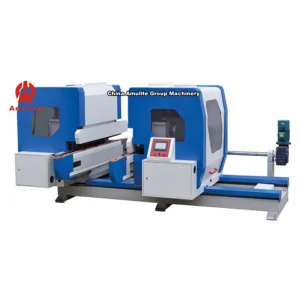
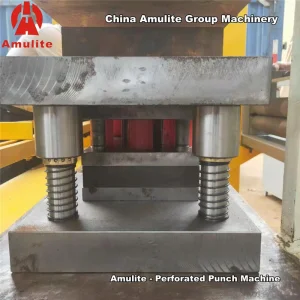
Amulite Perforated Punch Machine System
High-Quality Amulite Perforated Punch Machine System Technical Data Manufacturer
View Specifications →
Amulite AAC Blocks Automatic Machines
Famous Amulite AAC Blocks Customized Automatic Machines- 4.2m Manufacturers
View Specifications →
Fiber Cement Board Production Line
China Fiber Cement Board /Calcium Silicate Board Production Line Factory
View Specifications →
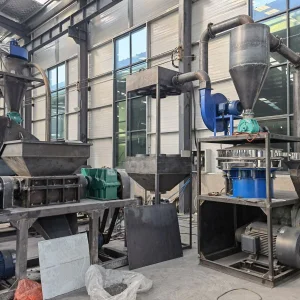
Lithium Battery Recycling Equipment
OEM Lithium Battery Recycling Equipment Factory, Company
View Specifications →
OEM UV Coating Painting Production Line
OEM UV Coating/Painting Production Line Manufacturer, Factories
View Specifications →
Best AM806BH-10 Technical Parameters
Best AM806BH-10 Technical Parameters Manufacturer, Products
View Specifications →
Thermodynamic Analysis

Material Science & Polyurethane Chemistry in Modern Envelope Design

A rigorous evaluation of PUR and PIR core formulations, thermal dissipation metrics, and mechanical shear strength for industrial building envelopes.

0.018
λ Thermal Conductivity (W/m·K)
> 95%
Closed-Cell Ratio
40-42
Core Density (kg/m³)
B1 / PIR
Fire Reaction Grade (EN 13501-1)

Polyisocyanurate (PIR) Molecular Kinetics

Polyisocyanurate (PIR) represents an advanced evolutionary leap over conventional rigid Polyurethane (PUR). Formulated at a significantly higher trimerization index (typically exceeding 250), PIR introduces cyclic isocyanurate ring structures. These chemical linkages exhibit exceptionally high bond energy, enabling the core to form a stable protective carbonaceous char under flame exposure.

  • Superior thermal degradation resistance up to 300°C.
  • Substantially reduced smoke density generation (EN ISO 5659-2).
  • Self-extinguishing polymer matrix without toxic dripping.

Insulation Efficiency & R-Value Superiority

Thermal resistance (R-value) per unit thickness is the primary benchmark for cold storage, cleanrooms, and climate-controlled industrial facilities. Polyurethane sandwich panels achieve the lowest thermal conductivity coefficient (λ ≤ 0.018–0.022 W/m·K) among commercially available structural cladding materials, allowing building owners to minimize wall thickness while maximizing usable floor space.

  • 50% higher insulation efficiency compared to EPS panels.
  • 2x thermal resistance relative to standard mineral wool cores.
  • Zero long-term thermal drift due to ultra-low gas permeability.

Continuous Double-Belt Laminating Dynamics

High-performance OEM PU sandwich panels are manufactured via automated continuous double-belt pressure lamination lines. The liquid chemical mixture (Polyol, Isocyanate, catalyst, and eco-friendly blowing agents like Cyclopentane or HFOs) is injected between two metal facings under precise high-pressure metering, expanding uniformly inside a temperature-controlled polymerization tunnel.

  • 100% continuous skin-to-core chemical adhesion bond.
  • Elimination of thermal bridging and micro-cavities.
  • High shear strength (> 0.10 MPa) under heavy wind loads.

Technical Benchmark Matrix: PU/PIR vs. Alternative Insulation Cores

Performance Parameter PIR (Polyisocyanurate) PUR (Polyurethane) Rock Wool / Mineral Wool EPS (Expanded Polystyrene)
Thermal Conductivity (W/m·K) 0.018 - 0.022 0.022 - 0.024 0.038 - 0.044 0.035 - 0.040
Density Range (kg/m³) 40 - 42 38 - 40 80 - 140 15 - 25
Fire Reaction Class (EN 13501-1) B-s1, d0 / B-s2, d0 B2 / B3 A1 / A2 (Non-combustible) E / F
Moisture Absorption (Vol %) < 1.0% < 1.5% > 5.0% (Hydrophilic) 2.0 - 4.0%
Closed-Cell Content (%) ≥ 95% ≥ 90% Open Fibrous Matrix Closed Structure
Structural Weight-to-Strength Ratio Exceptional High Low (Heavy Self-weight) Moderate
Manufacturing Integration

China Factory Supply Chain Advantages & OEM Customization Economics

How vertically integrated Chinese manufacturing ecosystems deliver superior quality control, scaled material procurement, and flexible OEM engineering options.

Upstream Chemical & Metallurgical Raw Integration

China's industrial infrastructure offers direct raw material sourcing—from MDI/Polyol monomer chemical complexes to world-class continuous hot-dip galvanizing steel mills. This vertical cluster eliminates multi-tier middleman margins, securing premium grade steel coils (PPGI / PPGL / Stainless Steel) and high-index chemical components at optimized baseline costs.

  • Direct steel mill partnerships (Baosteel, Shougang, Guanzhou).
  • Full chemical purity verification via in-house chromatography.
  • Consistent zinc coating weights (Z80 to Z275 g/m²).

Comprehensive OEM Engineering & Profile Flexibility

OEM wall panel customization goes far beyond dimensional length adjustments. Modern manufacturing plants offer fully adaptable cold-roll forming cassette stations, allowing global architectural firms and EPC contractors to specify tailored surface geometry, coating chemistry, joint interlocking designs, and integrated structural reinforcement strips.

  • Facings: Micro-rib, pure flat, corrugated, mini-wave, textured embossing.
  • Coatings: PVDF (Fluorocarbon), HDP (High-Durability Polyester), SMP, PE, ESD.
  • Jointing Systems: Concealed fastener (blind rivet), tongue-and-groove, cam-lock.

Advanced Automation & Quality Control Infrastructure

State-of-the-art Chinese OEM factories feature fully automated 40-meter to 60-meter continuous double-track caterpillar systems. Online ultrasonic thickness gauges, infrared foam density monitors, and automated inline stacking systems ensure panel thickness tolerances within ±0.5 mm and surface flatness conforming to international EN 14509 standards.

  • Real-time foam expansion pressure regulation along caterpillar belts.
  • Laser-guided flying band-saw cutting for precise panel end geometry.
  • Automated PE protective film application and vacuum bundling.
Procurement Engineering

Global Procurement Demands: Addressing EPC Contractors & Enterprise Buyers

Understanding the strict procurement, logistics, structural calculation, and lifecycle criteria demanded by international engineering firms.

Cold Chain Logistics Infrastructure

For large-scale distribution hubs, pharmaceutical cold storage, and blast freezers operating at temperatures from -40°C to +5°C, thermal leakages represent severe operational costs. Procurement managers demand PU sandwich panels with specialized labyrinth joint seals, dual EPDM gasket insertion capability, and anti-thermal-bridge PVC splines to prevent internal moisture condensation and frost formation.

Industrial Cleanroom & Healthcare Environments

Semiconductor fabrication plants, biotech laboratories, and food processing facilities require completely flush wall surfaces that resist aggressive chemical decontamination. OEM PU wall panels configured with anti-static (ESD) coatings, flush aluminum joints, and non-outgassing polyols ensure strict ISO 14644-1 cleanroom class compliance.

Modular Prefabrication & Fast-Track Erection

With global construction labor costs rising, developers favor prefabricated panel systems that compress installation timelines by up to 60%. OEM PU wall panels offer exceptional span-to-weight performance, enabling wider purlin spacings (up to 3.5 to 4 meters), reducing structural steel frame tonnage while accelerating envelope closure.

Regulatory Assurance

Compliance Guarantees, Fire Safety Certifications & Overseas Support

Navigating global building codes, fire classifications, environmental directives, and local site engineering support.

International Fire Safety Standards Compliance

Navigating localized building regulations requires robust test documentation from accredited international labs (SGS, Intertek, TUV). PIR sandwich panel systems engineered by top OEM providers meet rigid fire safety protocols across global jurisdictions:

  • European Union: EN 13501-1 Class B-s1, d0 (Low smoke, zero droplets).
  • North America: ASTM E84 Flame Spread Index < 25, NFPA 285 multi-story approval.
  • Factory Mutual Assurance: FM 4880 / FM 4881 approval for external wall assemblies.

Localized Engineering & On-Site Installation Guidance

Beyond panel manufacturing, tier-one OEM suppliers provide complete structural engineering calculation packages, panel shop drawings, joint flashing detail designs, and on-site field support. Dedicated technical teams assist overseas contractors during site erection to ensure air tightness (blower door compliance) and thermal integrity.

  • BIM model integration (Revit / IFC files) for clash detection.
  • Wind load calculation reports aligned with ASCE 7 / Eurocode 1.
  • Custom export packaging (heavy-duty wooden crates, anti-UV film).

Environmental Sustainability & Low-GWP Blowing Agents

Modern polyurethane manufacturing adheres strictly to global environmental protocols, including the Montreal and Kigali Amendments. Rigid foam cores utilize fourth-generation Hydrofluoroolefins (HFOs) or Cyclopentane blowing agents, completely eliminating Ozone Depleting Potential (ODP = 0) while achieving near-zero Global Warming Potential (GWP < 1).

  • LEED V4 & BREEAM contribution credits for green building projects.
  • 100% recyclable steel facings and inert foam core waste recovery.
  • Environmental Product Declarations (EPD) available for verification.
Future Outlook

Next-Generation Industry Trends: BIPV Integration & Smart Envelopes

The evolution of polyurethane wall panels toward energy-positive building facades and automated smart factory envelopes.

BIPV (Building-Integrated Photovoltaics) Synergy

The convergence of structural insulated panels with solar technology is reshaping commercial architecture. OEM manufacturers are developing specialized standing-seam and interlocking PU panels designed for direct mechanical mounting or lamination of thin-film solar modules, transforming static factory walls into active power generators without breaching weather seals.

Bio-Based Polyols & Circular Economy Chemistry

Decarbonization mandates are driving chemical research into bio-based polyols derived from castor oil, recycled PET, and agricultural byproduct biomass. Incorporating up to 30% bio-content into the polyurethane matrix significantly lowers embodied carbon footprints while maintaining equivalent insulation values and structural density.

Architectural Aesthetic Aesthetics & Camouflage Joints

Modern industrial buildings require high aesthetic value. Micro-ribbed horizontal panel layouts, hidden fastener systems with custom corner flashings, and advanced metallic or wood-grain PVDF coatings enable industrial facilities to match corporate branding standards while delivering heavy-duty thermal performance.

Field Engineering

Localized Application Blueprints & Architectural Scenarios

Tailored structural configurations designed for demanding operational environments around the globe.

Scenario A: Deep-Freeze Logistics & Cold Stores

Operating Temperature: -25°C to -40°C
Recommended Specification: 150mm–200mm PIR core panel, tongue-and-groove joint with double EPDM gasket sealant, stainless steel 304 or 0.6mm PPGI skin with anti-corrosion film. Ensures complete moisture barrier preventions under high vapor pressure differentials.

Scenario B: High-Precision Cleanroom Enclosures

Target Environment: ISO 5 / Class 100 Semiconductor & Pharma Labs
Recommended Specification: 50mm–75mm flat surface PUR/PIR panel, blind-fastener connection, anti-static (ESD) white coating, aluminum coved corners. Designed for smooth washdown resistance and resistance to hydrogen peroxide (VHP) sterilization.

Scenario C: High-Humidity Livestock & Agricultural Sheds

Target Environment: Swine / Poultry Farms & Fertilizer Storage
Recommended Specification: 50mm–100mm PU panel with interior HMWPE (High Molecular Weight Polyethylene) or Fiber Reinforced Polymer (FRP) internal skin. Eliminates ammonia degradation, acid vapor attack, and high-pressure water washdown damage.

Expert Guidance

Frequently Asked Procurement & Engineering Questions

Direct answers from our structural engineering and export compliance department.

What is the key technical difference between PUR and PIR sandwich wall panels?
The primary difference lies in the chemical formulation index of the core foam. PUR (Polyurethane) operates at an isocyanate-to-polyol index of around 100-110, delivering excellent thermal insulation but moderate fire resistance (Class B2/B3). PIR (Polyisocyanurate) is formulated at an index exceeding 250, creating cyclic trimer ring structures that form a stable carbon char when exposed to flame, achieving superior fire resistance (EN 13501-1 Class B-s1, d0 / ASTM E84 Class A).
How does thermal bridging prevention work in cold storage wall panel joints?
Thermal bridging at panel junctions is prevented through engineered tongue-and-groove or labyrinth male-female joint profiles. High-density PVC splines, continuous factory-applied polyurethane joint foam, and factory-integrated EPDM gaskets stop vapor migration and prevent metal-to-metal thermal conduction across the joint interface, eliminating condensation and ice build-up.
What steel thickness and surface coating should be specified for coastal industrial plants?
For marine or coastal industrial environments (within 3 km of saltwater), we recommend a minimum steel thickness of 0.5mm to 0.6mm with a Galvanized/Galvalume substrate weight of Z275 or AZ150. Surface coating should specify PVDF (Fluorocarbon) with a minimum total dry film thickness of 25–30 microns, or HDP (High-Durability Polyester) to withstand salt spray corrosion, UV degradation, and chemical fading.
Can OEM PU wall panels be integrated into modular container houses and steel structures?
Yes. OEM PU sandwich panels are highly versatile for off-site modular prefabrication. They can be custom cut to exact height dimensions at the factory, pre-punched for service conduits, and supplied with concealed interlocking connections that lock directly onto steel framing channels, minimizing site labor and installation time.
What export packaging standards are utilized to prevent transport damage?
Panels are stacked with protective PE film applied to both metal facings, separated by soft foam buffer sheets, wrapped in moisture-proof stretch wrap, and bundled onto heavy-duty timber or EPS skids. Corner protectors are installed prior to banding, allowing safe forklift handling and tight container packing (40ft HQ container loading optimization).
Product Catalog Part II

Complementary Building Material Equipment & Machinery Solutions

Explore our extended machinery matrix supporting full-scope wall panel, block, and mineral board manufacturing plants worldwide.

Hollow Core Wall Panels Production Line
Buy Hollow Core Wall Panels Production Line Factory, Factories
View Specifications →
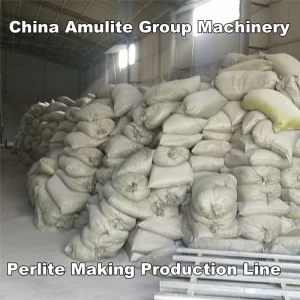
Perlite Production Line
Buy Perlite Production Line Manufacturers, Company
View Specifications →
Embossed Metal Composite Exterior Panels Production Line
High-Quality Embossed Metal Composite Exterior Panels Production Line
View Specifications →
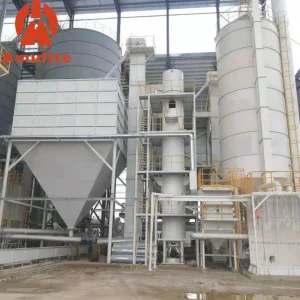
Gypsum Powder Production Line
Buy Gypsum Powder Production Line Supplier, Product
View Specifications →
EPS Sandwich Cement Wall Panels Production Line
OEM EPS Sandwich Cement Wall Panels Production Line Companies
View Specifications →
Flexible Clay Ceramic Tile Production Line
Best Flexible Clay Ceramic Tile Production Line Manufacturer
View Specifications →
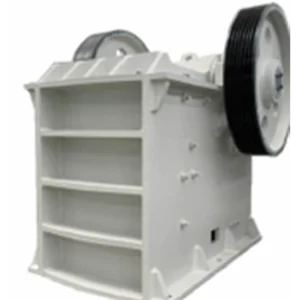
Stone Hammer Crusher Jaw Crusher
Buy Stone Hammer Crusher 6CX Euro Series Jaw Crusher Company
View Specifications →
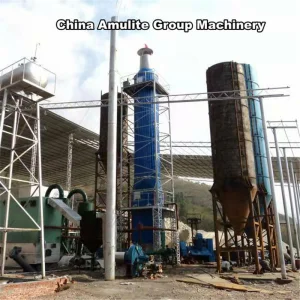
Expanded Perlite Production Line
China Expanded perlite production line Supplier, Products
View Specifications →