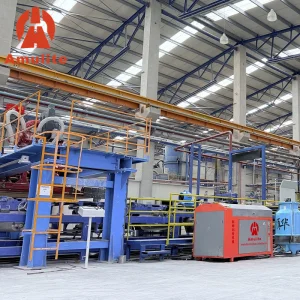
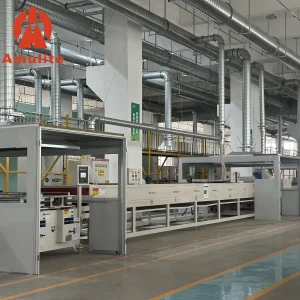
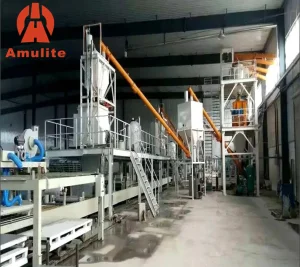
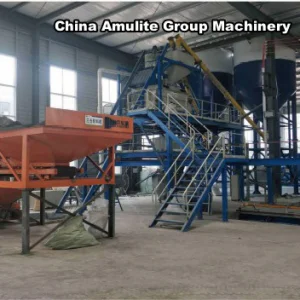
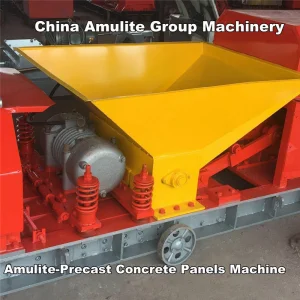
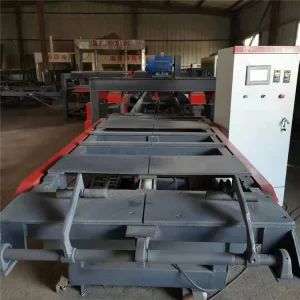
Explore our high-performance production lines, custom-engineered for non-metallic building materials, wall panels, and automated manufacturing systems.
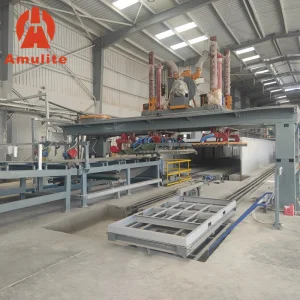
The global modern construction sector is undergoing a structural paradigm shift from traditional wet-masonry techniques toward high-efficiency prefabricated building systems. As urban centers expand rapidly across the Middle East, Southeast Asia, Latin America, and Sub-Saharan Africa, contractors and developers face escalating labor costs, aggressive project deadlines, and increasingly stringent thermal efficiency mandates. At the epicenter of this modern industrial transition is the EPS (Expanded Polystyrene) Cement Wall Panel Making Machine.
Engineered to synthesize lightweight aggregate cores—composed of Portland cement, expanded polystyrene beads, fly ash, sand, and proprietary chemical admixtures—sandwiched between heavy-duty calcium silicate or fiber cement facing boards, modern EPS wall panel manufacturing machinery enables mass production of composite structural elements. These non-load-bearing wall panels deliver unmatched benefits: high strength-to-weight ratio, superior acoustic isolation (42dB to 52dB sound transmission class), and exceptional thermal insulation (R-values exceeding regional green building standards).
According to current market intelligence, global demand for lightweight precast concrete machinery is projected to expand at a CAGR of 8.4% through 2032. Procurement heads, industrial investment groups, and modular building factories are actively seeking reputable OEM EPS Cement Wall Panel Machine Manufacturers capable of delivering reliable turnkey engineering solutions, custom mold configurations, and long-term technical lifecycle support.
| Performance Indicator | EPS Cement Sandwich Panel | Autoclaved Aerated Concrete (AAC) | Hollow Concrete Blocks | Traditional Clay Brick |
|---|---|---|---|---|
| Dry Area Weight (kg/m²) | 55 – 70 kg/m² (90mm) | 90 – 120 kg/m² | 180 – 220 kg/m² | 240 – 300 kg/m² |
| Installation Speed (m²/worker/day) | 35 – 50 m² | 15 – 20 m² | 8 – 12 m² | 5 – 8 m² |
| Fire Resistance (Hours @ 1000°C) | > 4 Hours (A1 Level) | 3 – 4 Hours | 2 – 3 Hours | 2 – 4 Hours |
| Thermal Conductivity (W/m·K) | 0.058 – 0.075 | 0.11 – 0.16 | 0.45 – 0.81 | 0.70 – 1.00 |
| Acoustic Isolation Index (dB) | 42 – 52 dB | 38 – 45 dB | 40 – 46 dB | 35 – 42 dB |
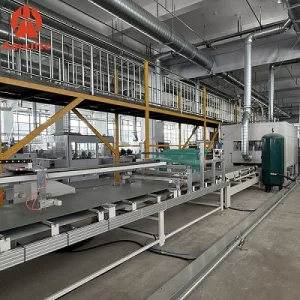
A high-capacity, commercial-grade OEM EPS Cement Wall Panel Production Line is a sophisticated integration of mechanical automation, pneumatic fluid transfer, thermal expansion technology, and computerized central process control (PLC). Understanding the multi-stage manufacturing workflow is essential for plant owners seeking to optimize output quality and minimize operational expenditures.
Fully automated gravimetric dosing silos meter OPC cement, fine fly ash, and sand. Simultaneously, raw polystyrene granules undergo precise steam expansion inside an industrial EPS Pre-Expander. Continuous fluid-bed drying and aging silos stabilize EPS bead density (typically calibrated to 8-12 kg/m³).
Engineered dual-shaft paddle mixers combine water, chemical foaming agents, water-reducing polymers, cementitious slurries, and expanded EPS beads. The high-shear action prevents EPS bead flotation, ensuring uniform cellular distribution across the mortar matrix.
The core slurry is injected under pressure into precision-machined vertical mold cars lined with pre-inserted calcium silicate skin boards. Double-sided tongue-and-groove profiles are formed simultaneously by high-precision side molds equipped with hydraulic locking pins.
Mold cars travel through automated curing tunnels maintaining controlled micro-climates (45°C to 65°C). After initial hydration curing (approx. 3-4 hours), hydraulic tilting demolding systems rotate panels 90 degrees for automatic stacking and packaging.
Global procurement teams evaluating panel machinery suppliers frequently look to China's advanced manufacturing hubs—specifically within Hebei, Shandong, and Jiangsu industrial regions. As a premier source of heavy construction equipment, Chinese OEMs provide unmatched competitive edges in technology maturity, capital efficiency, and customization depth.
Integrated Supply Chain Ecosystem: Chinese machine manufacturers benefit from localized supply chains for heavy structural steel, CNC machining centers, high-torque hydraulic drive systems, and Siemens/Schneider-certified electrical control cabinets. This high industrial density reduces machinery lead times by up to 45% compared to European counterparts.
Capital Efficiency & Total Cost of Ownership (TCO): Sourcing an complete EPS cement panel production line directly from an established Chinese OEM manufacturer delivers substantial capital expenditure savings. Investors can achieve initial plant setup at 30% to 50% of Western European equipment quotes without compromising structural rigidity, PLC automation depth, or safety compliance (CE & ISO9001 standards).
Tailored OEM / ODM Customization: Professional Chinese factories provide complete technical adaptation. Whether an international project requires unique panel dimensions (e.g., length up to 3000mm, thickness from 60mm to 200mm), specialized male-female joint profiles, or specific local power supply matching (380V-480V, 50Hz/60Hz), OEM customization is embedded directly into the engineering design workflow.
EPS Cement Wall Panels manufactured by engineered machinery lines demonstrate exceptional adaptability across vastly diverse climatic zone challenges and architectural demands globally:
In high-ambient-temperature regions like Saudi Arabia and the UAE, the core EPS foam matrix delivers low heat transmission (U-values < 0.35 W/m²K), significantly reducing HVAC power consumption in residential towers and villa developments.
Utilized extensively in the Philippines, Indonesia, and Chile, the lightweight interlocking male-female joint design allows structural flexure during seismic events, preventing catastrophic wall collapse common in traditional brick masonry.
With water absorption rates under 10% and inorganic cement-silicate facing boards, EPS sandwich panels resist mold growth, moisture degradation, and salt-air corrosion in coastal infrastructure projects.
Ideal for commercial steel-frame structures, panels serve as fast-erection exterior curtain walls and internal partition firewalls with up to 4-hour fire endurance ratings certified under international standards.
When conducting vendor due diligence for a complete EPS Cement Wall Panel Making Machine Factory procurement, industrial procurement directors must evaluate key technical indicators beyond initial purchase price:
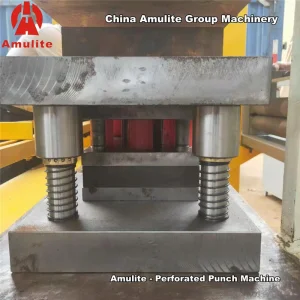
Explore the extended machinery catalog designed for heavy-duty panel cutting, surface finishing, block extrusion, and material recycling systems.
Ready to establish or upgrade your precast lightweight wall panel production plant? Our process engineers provide comprehensive feasibility reports, customized plant layout CAD drawings, raw material formulation testing, and complete turnkey machinery pricing.