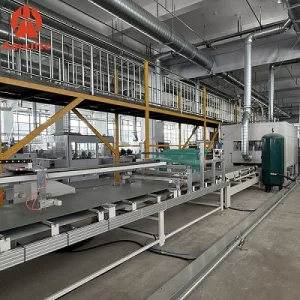
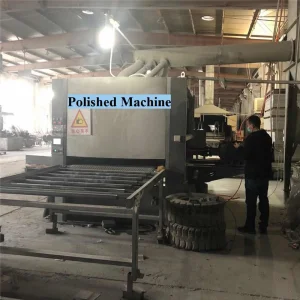
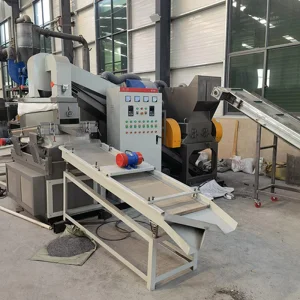
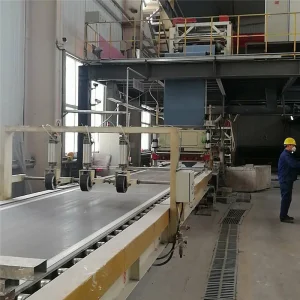
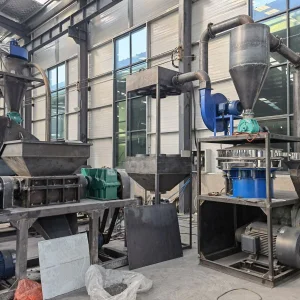
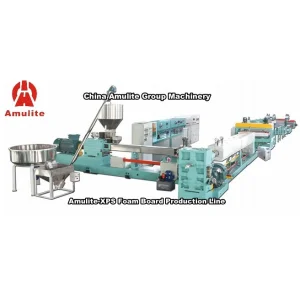
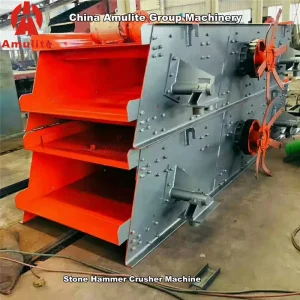
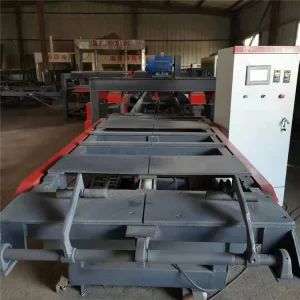
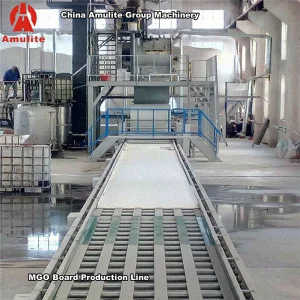
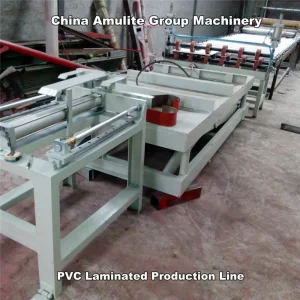
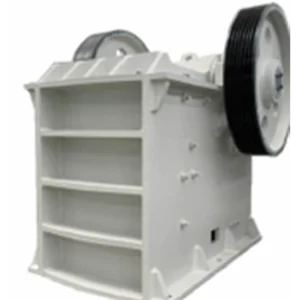
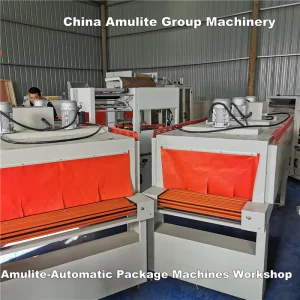
Explore our core engineering capabilities, ranging from automated silicate board setups to specialized concrete panel and material recycling machinery.
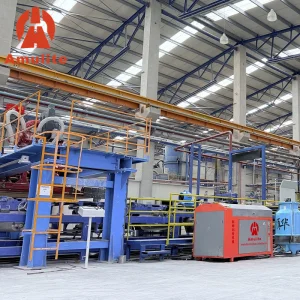
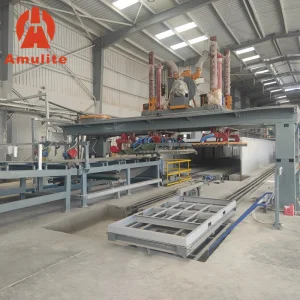
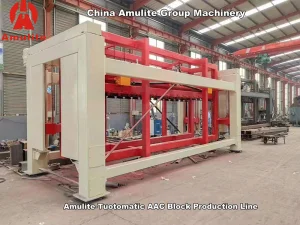
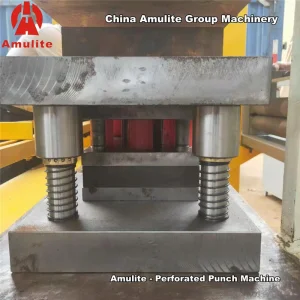
An authoritative analysis of how advanced OEM concrete sandwich panel machinery is revolutionizing modern modular construction, accelerating decarbonization, and lowering site assembly overhead.
Global demand for prefabricated building components is accelerating at a CAGR of 7.4%. Lightweight EPS (Expanded Polystyrene) concrete sandwich panels offer superior strength-to-weight ratios, enabling rapid structural assembly and drastically reducing job-site labor dependency.
With stringent building energy codes (such as EU NZEB and US ASHRAE 90.1), concrete sandwich panels featuring integrated EPS core matrices achieve exceptional U-values, eliminating thermal bridging and lowering HVAC operational consumption by up to 40%.
Composite sandwich panels utilizing calcium silicate or fiber cement face boards combined with lightweight aggregate cores exhibit superior structural integrity under seismic stress, achieving Class A fireproofing ratings and up to 48 dB sound isolation.
A complete technical breakdown of automated batching, foam-concrete mixing, vertical mould car casting, and automated de-moulding workflows.
Precision batching of Portland Cement (OPC), Fly Ash, Expanded Perlite, and specialized additives. High-shear foaming generators combine water and surfactant agent to inject uniform micro-bubbles into the slurry, targeting controlled core densities from 450 to 800 kg/m³.
Our heavy-duty hydraulic mould cars allow double-sided surface skin board loading (Fiber Cement or Calcium Silicate) and central core slurry injection. Designed with mechanical locking devices to prevent dimensional swelling during cement hydration.
Initial setting occurs within temperature-regulated pre-curing tunnels running at 50–65°C. Automated ferry transfer cars transition mould batteries seamlessly between pouring, curing, and de-moulding stations without manual forklift intervention.
Automated vacuum suction crane systems tilt finished panels to 90 degrees, strip them safely from the mould faces, inspect panel dimensions, and stack them onto wooden pallets ready for strapping and film wrapping.
Unlike off-the-shelf equipment traders, our specialized engineering plant modifies slurry delivery pressure, vibration frequency, and mould car dimensions to fit your exact local raw materials (e.g., volcanic ash, pozzolan, bottom ash, or recycled EPS beads). We customize line capacities from 50,000 m²/year up to 2,000,000 m²/year per factory unit.
Comparative structural and engineering parameters across standard plant configurations.
| Plant Configuration | Annual Capacity (m²/Year) | Mould Car Type | Core Material Compatibility | Total Power (kW) | Automation Grade |
|---|---|---|---|---|---|
| Amulite LiteMax-50 | 100,000 – 300,000 | Manual Hydraulic Battery | EPS Beads + OPC Cement + Sand | ~85 kW | Semi-Automated PLC |
| Amulite LiteMax-100 | 500,000 – 800,000 | Auto-Rail Vertical Mould Cars | EPS + Fly Ash + Perlite + Core Pipes | ~160 kW | Fully Automated SCADA |
| Amulite LiteMax-200 Ultra | 1,000,000 – 2,000,000+ | Continuous High-Speed Battery | Lightweight Concrete / Foamed Cement | ~280 kW | AI-Integrated Smart Factory |
| Amulite Custom OEM Line | Tailored to Project Specs | Horizontal / Vertical Hybrid | Recycled Aggregates & Slag | Customized | Modular Upgradeable |
How we mitigate procurement risk for international investors, EPC contractors, and building material manufacturers across 60+ countries.
All mechanical structures comply with ISO 9001:2015 quality frameworks. Electrical and automation systems feature CE-certified Siemens, Schneider, and ABB components ensuring regional code compliance across Europe, the Middle East, and the Americas.
Our in-house material testing lab analyzes your locally sourced cement grades, aggregate sieve sizes, and pulp fibers. We provide exact chemical dosage recipes to guarantee target compressive strength (>5.0 MPa) and low moisture absorption.
From civil foundation design to on-site mechanical erection, electrical wiring, commissioning, and operator training—our resident engineers remain on site until commercial mass production targets are fully validated.
Pioneering smart industrial solutions that drive sustainable, carbon-neutral building production.
Integrating inline ultrasound sensors to continuously measure wet slurry density prior to pouring into mould cars. Dynamic automated feedback loops automatically regulate water-cement ratios and micro-foam dosing in milliseconds.
Transitioning standard OPC formulas toward alkali-activated blast furnace slag (GGBS) and bio-based foamed matrices, reducing embodied carbon of finished concrete sandwich panels by over 60% while improving early flexural strength.
Deploying 3D vision systems and robotic manipulators to detect microscopic surface micro-cracks, edge chipping, or core voids prior to palletization, feeding quality analytics back into the SCADA control core.
Essential guidance for decision-makers, factory directors, and project engineers evaluating OEM sandwich panel production equipment.
Explore auxiliary production equipment, foam board lines, crushing setups, and recycling plant solutions.
Consult with our lead process engineering directors today. Receive customized plant layout blueprints, preliminary utility load analyses, and complete turnkey machinery pricing within 24 hours.