A definitive guide to high-capacity OEM calcium silicate board production technology, plant automation, material optimization, and global supply chain resilience.
The global demand for non-combustible, moisture-resistant, and structural building panels has transformed the OEM Calcium Silicate Board Production sector. Modern lines demand higher thermal efficiency, zero-defect sheet formation, and full integration with Industry 4.0 SCADA controls to meet strict international building standards.
From wet raw material dosing to autoclaved hydrothermal synthesis, optimized machinery lines minimize power consumption while maximizing sheet flexural strength. Incorporating modern slurry recycling and heat recovery units significantly reduces operational expenditure across large-scale manufacturing runs.
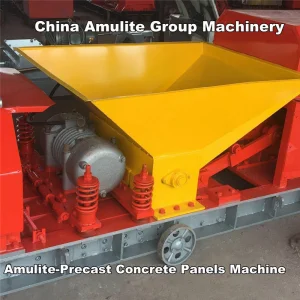
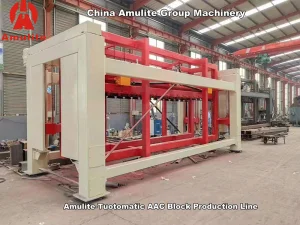
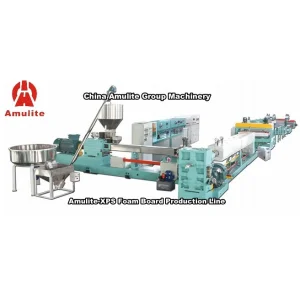
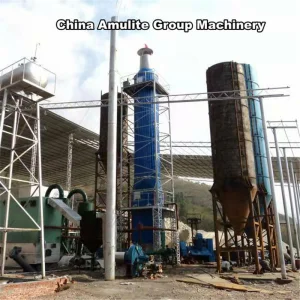
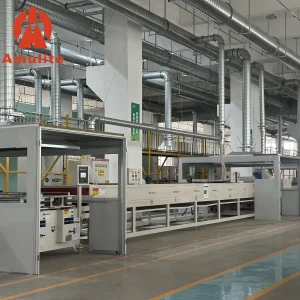
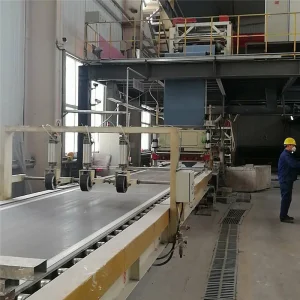
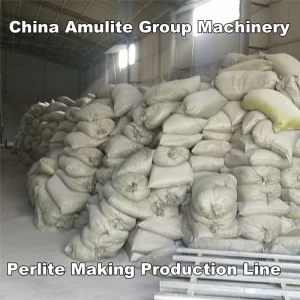
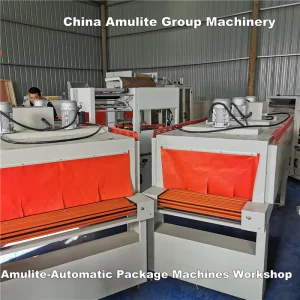
Explore our core machinery portfolio engineered for fiber cement, calcium silicate, and wall panel manufacturing plants worldwide.
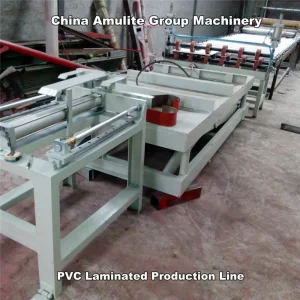
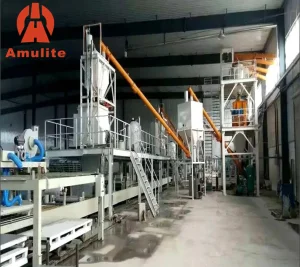
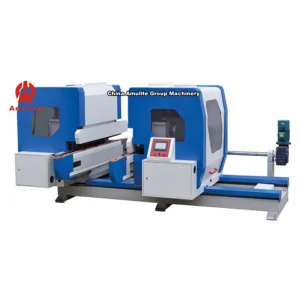
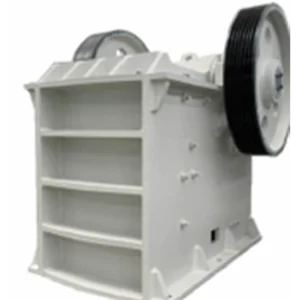
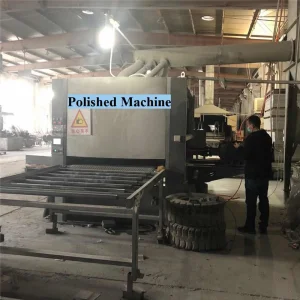
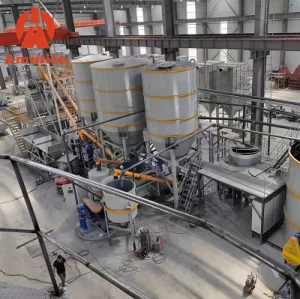
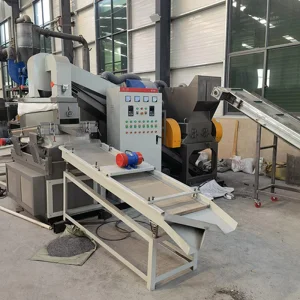
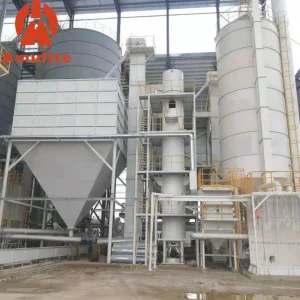
Understanding the chemistry, mechanics, and process control of modern calcium silicate board lines.
Core Chemical Synthesis: Calcium Silicate Board manufacturing relies on the hydrothermal reaction between siliceous materials (silica sand, quartz powder, fly ash) and calcareous materials (slaked lime, Portland cement). Under high steam pressure (1.0–1.2 MPa) and elevated temperature (180°C–195°C) inside an autoclave, the mixture synthesizes into crystalline Tobermorite (C5S6H5), providing exceptional structural stability, fire resistance, and zero water deformation.
Silica flour, lime slurry, cement, organic/inorganic reinforcing fibers (cellulose pulp), and processing aids are proportioned using high-precision gravimetric feeders. Wet pulping units ensure optimal fiber dispersion (Canadian Standard Freeness 400-500ml) to create a homogenous binder matrix.
The slurry is routed into multi-vat Hatschek forming machines. Continuous mesh cylinders pick up ultra-thin wet films, transferring them onto a running felt belt. Multi-stage vacuum dewatering boxes reduce moisture content before the film is wound around a heavy-duty forming drum to reach the target sheet thickness (4mm to 30mm).
High-speed hydraulic vacuum stackers transfer green sheets onto steel templates. The stacked pallets move into a humidity-controlled pre-curing tunnel (45°C–55°C) for 4–6 hours to build sufficient initial green strength for template separation.
Bare green boards enter saturated-steam autoclaves. Precise automated ramp-up, soak, and ramp-down cycle control ensures complete quartz dissolution and Tobermorite crystal growth, preventing internal micro-cracks and ensuring zero warp.
Autoclaved sheets pass through multi-pass jet dryers to drop moisture below 10%. High-precision double-side sanders calibrate thickness tolerances within ±0.2mm, while automatic edge trim saws finish exact length and width specifications.
| Performance Indicator | Standard Calcium Silicate Line | High-Density Structural Board Line | Test Standard Alignment |
|---|---|---|---|
| Board Density Range | 0.95 - 1.20 g/cm³ | 1.25 - 1.55 g/cm³ | ASTM C1185 / EN 12467 |
| Bending Strength (MOR) | ≥ 10.5 MPa (Cross / Parallel) | ≥ 16.0 MPa (High Density Class) | GB/T 7019 / EN 12467 |
| Thermal Conductivity | ≤ 0.18 W/(m·K) | ≤ 0.24 W/(m·K) | ISO 8302 |
| Combustibility Rating | Class A1 Non-Combustible | Class A1 Non-Combustible | BS 476 Part 4 / EN 13501-1 |
| Moisture Movement | ≤ 0.15 % | ≤ 0.08 % | ASTM C1186 |
Why leading global building material developers partner with Chinese machinery original equipment manufacturers (OEMs).
China's heavy machinery ecosystem brings together raw material metallurgy, pressure vessel fabrication (autoclaves), precision CNC machining centers, and PLC automation vendors into dense regional clusters. This drastically cuts lead times for custom machine assemblies.
Deploying an OEM line designed and built in China reduces upfront equipment expenditures by 40% to 60% compared to Western European alternatives, without sacrificing essential electrical component quality (utilizing Siemens PLC, Schneider electrics, ABB drives, and SEW gearboxes).
Standardized sub-assembly modules allow entire production lines (from 2 million to 10 million m²/year capacity) to be manufactured, shop-tested, pre-wired, and containerized within 90 to 120 days from contract approval.
Engineering board properties for distinct regional market demands and architectural requirements.
Southeast Asia, Middle East & Latin America: In tropical climates, traditional gypsum boards fail due to mold and sag. OEM calcium silicate lines produce boards with hydrophobic surface treaters and ultra-low water absorption (<15%), making them the premier choice for ceiling soffits and damp-room linings.
Europe & North America: Commercial interiors require 2-to-4-hour passive fire protection. Autoclaved calcium silicate boards retain structural integrity under high heat (1000°C) without liberating toxic gases, making them critical for fire wall partitions, smoke duct enclosures, and steel beam cladding.
Industrial & Modular Prefab Buildings: Medium-to-high density autoclaved boards are coated with UV-cured fluorocarbon finishes or laminated with decorative films for exterior ventilated facades, sandwich wall panel skins, and heavy-duty floor underlayments.
Turnkey project delivery backed by rigorous safety standards, international field engineering, and localized commission management.
Navigating global safety directives is a cornerstone of our OEM machinery program. Autoclaves are custom-fabricated to meet ASME Code Section VIII Div 1 (USA), PED 2014/68/EU (Europe), DOSH (Malaysia), or EAC (Eurasian Customs Union) requirements, ensuring rapid local site permitting.
Our field engineering team stays on site from foundation layout verification to full-capacity commercial runs. Crucially, our process chemists adjust raw material recipes based on local cement grades, silica quartz purity, and local pulp fiber availability to guarantee board strength.
Key technological innovations redefining the next generation of calcium silicate and fiber cement board machinery.
Emerging autoclave technologies introduce flue gas CO2 injection during the steam curing phase. This accelerates carbonation curing, sequesters greenhouse gases within the calcium matrix, and yields higher early compressive strength.
Modern plant designs eliminate wet process effluent completely. Closed-loop water filtration systems recover 98% of process water, while green sheet off-cuts and trim dust are continuously recycled straight back into the primary mixer.
Integrating non-contact laser sensor arrays and ultrasonic flaw detection onto the wet sheet conveyor allows real-time thickness profiling and automatic rejection of delaminated green boards before entering the autoclave.
Expert answers to critical engineering, investment, and operational queries.
Standard plant capacities range from 2 million m²/year to 10 million m²/year based on a standard 6mm board thickness equivalent. Modular designs allow for phase-one installation of a single Hatschek machine, with site planning reserved for parallel lines and additional autoclaves in phase two.
The primary raw materials are Quartz Sand/Silica Powder (SiO2 > 85%), Slaked Lime/Quicklime (CaO > 85%), Ordinary Portland Cement (Grade 42.5 or higher), and Kraft Cellulose Pulp (for structural reinforcement). Alternative siliceous materials like fly ash or slag can also be integrated depending on local availability.
While both use fiber reinforcement and cementitious binders, calcium silicate boards undergo high-pressure steam autoclaving to synthesize quartz and lime into Tobermorite crystals. This gives calcium silicate lower density, superior thermal insulation, and higher fire resistance compared to standard air-cured fiber cement boards.
Civil engineering groundwork typically requires 60 days. Machinery installation on site takes approximately 90 to 120 days. Trial commissioning, raw material recipe optimization, and staff training until full commercial output is achieved typically requires 30 days under the guidance of our resident engineers.
Explore our extended catalog of board manufacturing, block production, recycling systems, and finishing machinery.
Contact our senior engineering advisory team today for plant feasibility studies, custom layout design, and comprehensive project budgeting.