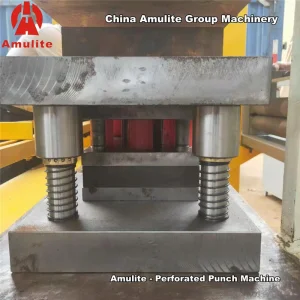
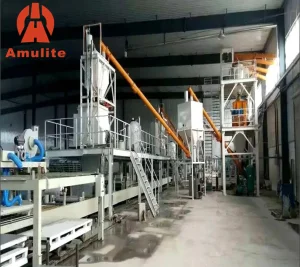
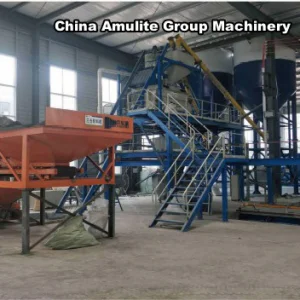
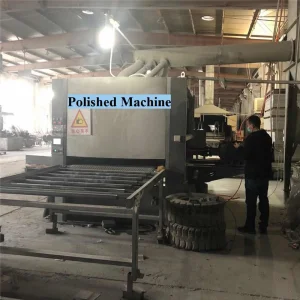
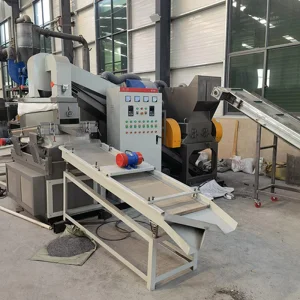
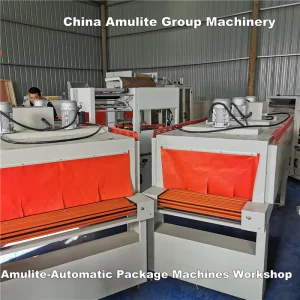
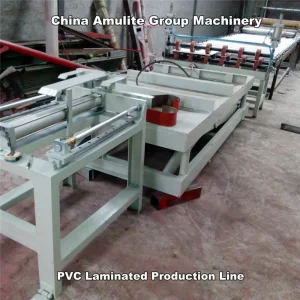
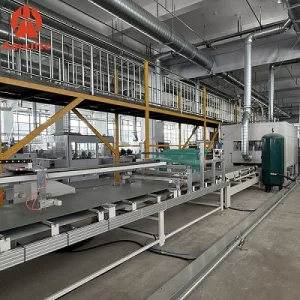
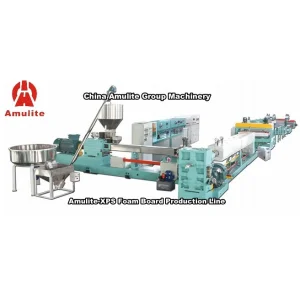
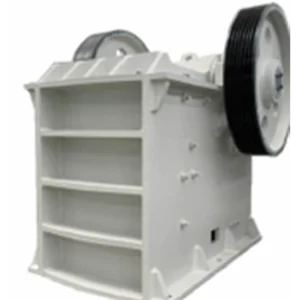
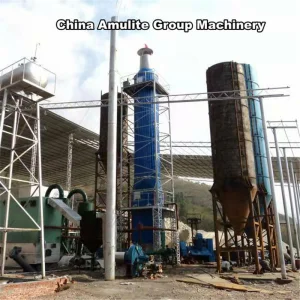
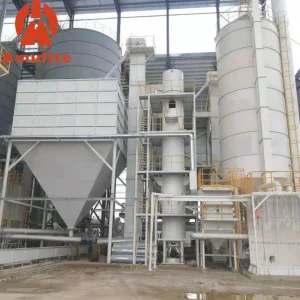
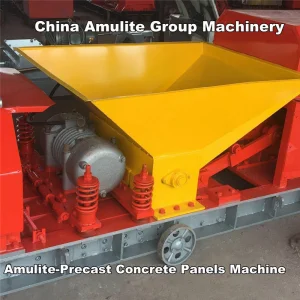
Explore our primary range of heavy-duty production machinery and high-precision edge sealing technologies engineered for maximum output stability and complete moisture barrier protection.
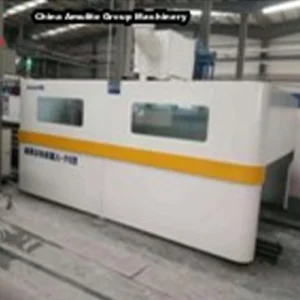
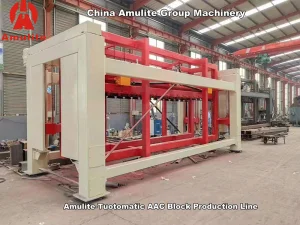
In modern architectural engineering and prefabricated structural design, the perimeter integrity of wall panels, insulation boards, and composite slabs represents the single most vulnerable interface against environmental degradation. High-Quality Edge Sealing Products serve as the primary line of defense against moisture intrusion, thermal bridging, and structural delamination. When non-metallic or metallic composite building panels—such as Autoclaved Aerated Concrete (AAC), Extruded Polystyrene (XPS) insulation boards, calcium silicate panels, and embossed metal composite systems—are deployed in demanding climates, exposed or improperly sealed edges permit capillary action, leading to micro-cracking and loss of thermal resistance over time.
From an engineering standpoint, edge sealing is not merely a cosmetic finishing step; it is a vital chemical and mechanical encapsulation process. Advanced industrial sealants and automated edge profiling machines apply cross-linking polymers, polyurethane (PUR) formulations, and hydrophobic silane compounds directly to trimmed panel margins. This micro-barrier prevents liquid water from penetrating the internal porous matrix while maintaining vapor permeability where required. By integrating automated edge sealing directly into continuous production lines, manufacturers achieve compliance with stringent international building envelope standards, extending the operational lifecycle of civil and commercial structures by decades.
Global building thermal compliance frameworks (such as EU Energy Performance of Buildings Directive and ASHRAE 90.1) enforce near-zero thermal bridging along envelope boundaries. Edge sealing products guarantee continuity of continuous insulation systems (CI).
Industrialized building methodologies require factory-sealed edge profiles that withstand transportation stresses, onsite weather exposure before final cladding installation, and rapid modular assembly.
Procurement requirements worldwide have shifted heavily toward solvent-free, ultra-low VOC polyurethane hot-melts and bio-based resin sealants to fulfill LEED v4.1 and BREEAM environmental scoring metrics.
Modern high-volume manufacturing lines require seamless integration between mechanical shaping and chemical edge sealing. China Amulite Group’s engineered solutions unite precision edge profiling equipment with real-time automated coating units. Rather than treating edge sealing as a manual secondary step, our automated lines utilize high-frequency milling spindles, automated dust extraction, infrared pre-heating, and precision metering pumps to apply uniform sealant layers at line speeds up to 45 meters per minute.
Diamond-tipped cutter heads create exact tongue-and-groove, shiplap, or square edge geometry on lightweight concrete, XPS, or gypsum substrates to ensure perfect mechanical interlock.
Inline IR heater arrays raise surface temperature along the trimmed panel edge, driving out residual moisture and promoting deep penetration of polymeric sealing agents into microscopic pores.
High-precision dosing nozzles deliver uniform micron-thin protective coats of acrylic emulsion, silane, or hot-melt PUR, forming an impenetrable barrier without changing finished panel dimensions.
Procuring turnkey edge sealing machinery and automated building panel equipment for international projects requires absolute compliance with regional regulatory standards and robust after-sales engineering support. Global procurement officers must balance initial capital expenditure (CAPEX) with operational effectiveness (OPEX), verifying that equipment meets regional electrical codes, environmental safeguards, and structural testing protocols.
All automated production lines, electrical control cabinets, and pneumatic systems manufactured by Amulite conform strictly to European CE safety directives and international quality management standards.
Panels processed with our edge sealing machinery undergo rigorous testing under ASTM C1185 (fiber cement), EN 13164 (XPS insulation), and ASTM E84 (flame spread / smoke development ratings).
With resident installation teams and real-time remote diagnostics enabled via Siemens / Schneider SCADA controllers, our engineers ensure minimal downtime and fast technical response across 60+ countries.
The next decade of industrial edge sealing will be defined by intelligent closed-loop automation, nano-engineered hydrophobic coatings, and ultra-high-speed inline inspection. China Amulite Group remains committed to pioneering sustainable building machinery through five core developmental phases:
Automated slot-die application of reactive polyurethane hot-melts with instant moisture-curing characteristics.
Optical high-speed cameras detecting micron-level voids or uneven sealant thickness along moving panel margins.
Integration of self-assembling nano-silica dispersions for absolute liquid repellency without film thickness.
Transitioning from fossil-derived resins to 100% bio-based lignin and vegetable-oil sealant chemistries.
Self-optimizing machinery automatically adjusting edge profiles and sealant dosing based on ambient humidity and substrate porosity.
Expert technical answers addressing key engineering, procurement, and process optimization inquiries for factory operators and building material buyers.
AAC (Autoclaved Aerated Concrete) and fiber cement boards possess porous internal structures. Unsealed edges act like capillary wicks when exposed to moisture during construction or long-term external use. Water absorption causes localized volumetric expansion, freeze-thaw spalling, reduced flexural strength, and thermal resistance degradation. High-quality edge sealing forms a hydrophobic membrane that completely blocks liquid penetration while preserving panel dimensional integrity.
Polyurethane (PUR) hot-melt reactive sealants form covalent chemical bonds with the substrate and undergo a secondary moisture cure, resulting in exceptional heat resistance, mechanical flexibility, and chemical resistance. Acrylic water-based coatings are cost-effective for general dust-proofing and mild water resistance, but PUR hot-melts offer superior long-term performance under severe thermal cycling, immersion, and high-impact conditions.
Our automated edge profiling and sealing equipment is installed directly downstream of the main cutting or trimming section. Panels are fed continuously via motorized roller conveyors, locked by high-friction alignment belts, milled to precise edge profiles (tongue-and-groove, bevel, or shiplap), dust-cleaned via high-velocity air knives, pre-heated, and coated with edge sealants in a single uninterrupted inline pass.
Yes. Amulite manufactures customized machinery tailored to panel thicknesses ranging from 4 mm to over 200 mm and widths up to 1600 mm. Operating speeds are fully synchronized with master line rates (up to 45+ meters per minute) via servomotor drives and central PLC integration.
Every project delivery includes a comprehensive engineering dossier: CE conformity certificates, ISO 9001 quality check reports, factory acceptance test (FAT) documentation, electrical schematics (EC 60204 compliance), spare parts catalogs, operator safety manuals, and maintenance schedules.
Discover our expanded portfolio of raw material processing, panel lamination, foam board extrusion, and decorative finishing lines available worldwide.