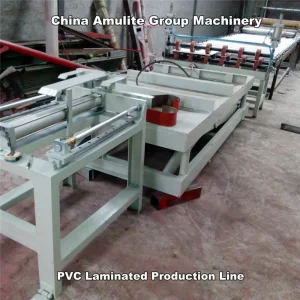
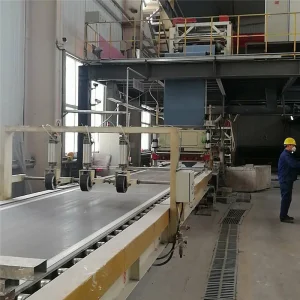
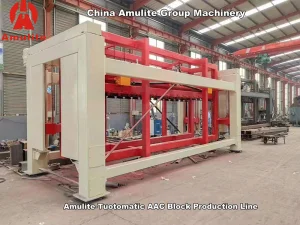
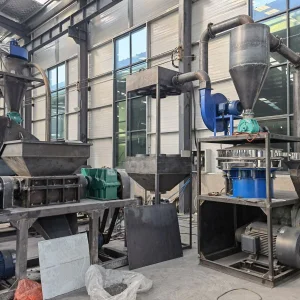
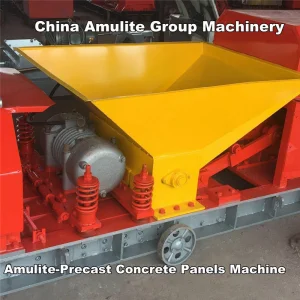
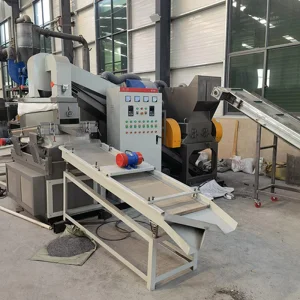
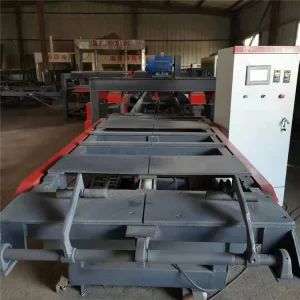
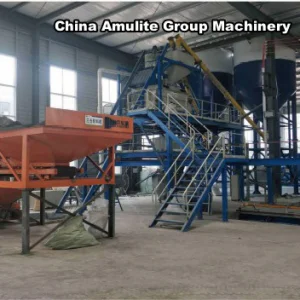
Explore our flagship industrial equipment designed for high-density sheet production, structural panel extrusion, and advanced raw material processing.
Understanding polymer rheology, thermal dynamics, twin-screw screw profile optimization, and closed-loop melt pressure feedback in modern panel extrusion manufacturing.
In modern industrial manufacturing, selecting a Famous Plastic Panel Extrusion Machine Supplier & Products is no longer merely a matter of machinery procurement—it is a strategic decision that directly impacts operational yield, raw material efficiency, energy consumption, and product structural integrity. High-performance plastic panel extrusion systems form the backbone of sectors spanning lightweight building materials, automotive interior substrates, acoustic insulation, logistics packaging, and chemical storage solutions. As global standards shift toward carbon neutrality and zero-waste manufacturing, plastic extrusion technology has undergone a monumental shift toward closed-loop automated processing, bio-polymer compatibility, and ultra-high-output twin-screw extrusion designs.
Traditional single-screw extrusion setups often suffer from melt temperature volatility, localized thermal degradation, and uneven wall thickness distribution when handling high filler ratios (e.g., CaCO3 contents exceeding 60-80%). Modern co-rotating and counter-rotating twin-screw plastic panel extrusion lines integrated with gravimetric dosing and real-time ultrasonic wall thickness gauges achieve a melt homogeneity variation of less than ±0.5%, yielding energy savings up to 22% per ton of output.
To establish true authority (E-E-A-T), top-tier OEMs focus heavily on barrel metallurgy, screw geometry customization (ranging from L/D ratios of 28:1 to 36:1), and precision T-die melt distribution manifolds. Whether producing Polyvinyl Chloride (PVC) architectural ceiling panels, Polypropylene (PP) hollow fluted sheets, High-Density Polyethylene (HDPE) heavy-duty structural boards, or Acrylonitrile Butadiene Styrene (ABS) composite sheets, precise temperature control across multiple heating zones is imperative to prevent material degradation while ensuring uniform plasticization.
| Extrusion Parameter | Legacy Extrusion Lines | Next-Gen Industrial Smart Lines | Operational Impact & Advantage |
|---|---|---|---|
| Screw Architecture | Standard Single Screw (L/D 24:1 - 28:1) | Conical / Parallel Twin Screw (L/D 32:1 - 36:1) | Higher shear efficiency, superior mixing of high-filler formulations. |
| Thickness Control | Manual Mechanical Lip Adjustment | Automatic Thermal Bolt Gauge Control (PLC) | Reduces gauge variation to ±0.01mm, eliminating raw material waste. |
| Energy Efficiency | Resistance Heating (High Loss) | Induction Barrel Heating & Servo Hydraulics | Lowers power consumption by 25-35% kW/kg processed. |
| Dosing Precision | Volumetric Dosing Feeder | Multi-Component Gravimetric Loss-in-Weight | Ensures exact formulation consistency for flame retardants & UV additives. |
Exploring next-generation polymer processing, AI-driven predictive control, and sustainable circular economy integration.
Future extrusion lines leverage machine learning algorithms connected to inline NIR (Near-Infrared) spectroscopy and pressure sensors. By analyzing viscosity shifts in real-time, the system automatically adjusts screw RPM, melt pump speed, and barrel zone temperatures to maintain flawless sheet density without operator intervention.
Advanced co-extrusion feedblocks allow manufacturers to encapsulate recycled Post-Consumer Resin (PCR) or heavily filled cores between pristine outer virgin polymer layers. This co-extrusion engineering drastically slashes raw material costs while retaining superior surface aesthetic, UV protection, and chemical resistance.
Replacing chemical blowing agents, physical foaming via direct injection of supercritical CO2 or Nitrogen into the melt polymer matrix creates micro-cellular structures. This tech cuts panel weight by up to 40% without compromising flexural strength or structural stiffness.
How engineered plastic panels engineered by top extrusion suppliers power critical infrastructure, commercial construction, and sustainable packaging worldwide.
Plastic panel extrusion machines produce heavy-duty WPC (Wood Plastic Composite) decking, PVC marble sheet wall claddings, and exterior UV-stabilized decorative facades. These rot-proof, fire-retardant materials replace traditional timber and stone, delivering a lifespan exceeding 30 years in humid or marine environments.
PP hollow structural sheet extrusion equipment supplies durable, reusable corrugated plastic boxes, layer pads, and insulated container liners. These moisture-resistant sheets provide superior impact cushioning, replacing single-use paper cardboard across automated global supply chains.
Multi-layer ABS/PMMA and HDPE panel extrusion machinery supplies lightweight thermoforming sheets for vehicle interiors, door panels, commercial truck box linings, and agricultural vehicle cabs—offering high thermal resistance and exceptional scratch resistance.
Why premier global enterprises partner with top-tier Chinese extrusion equipment OEMs to maximize capital efficiency and rapid deployment scalability.
The global dominance of leading Chinese machinery manufacturers in the building material and polymer equipment sectors is built on decades of continuous supply chain integration, massive capital investments in CNC machining centers, and an unparalleled engineering talent pool. Operating from sprawling industrial clusters such as Hebei and Jiangsu, top suppliers like China Amulite Group have pioneered modular equipment design and automated heavy fabrication.
100% in-house fabrication of critical drive assemblies, screw barrels, forming cylinders, and heat exchangers prevents supply chain delays.
Integration of tier-one global electrical brands including Siemens PLC, Schneider switchgear, ABB drives, and Omron temperature modules.
Full-line mechanical and dry-run pre-assembly before export guarantees minimal site commissioning time and hassle-free startup.
Delivering European-grade mechanical tolerances and throughput specs at a CAPEX footprint 30-50% lower than Western alternatives.
By controlling every link in the manufacturing process—from raw steel cutting and heat treatment to PLC software programming—Chinese extrusion leaders ensure that plant operators receive equipment capable of continuous 24/7 industrial production with minimal maintenance downtime.
A structured evaluation matrix for procurement officers and plant operations managers evaluating plastic panel extrusion investments.
When processing abrasive materials like calcium carbonate, fly ash, or recycled polymer flake, standard nitride steel wears rapidly. Demanded specs must include bimetallic screw barrels with tungsten carbide or nickel-based alloy coatings, guaranteeing a operational lifespan exceeding 25,000 continuous hours.
Panel flatness and surface gloss depend heavily on the downstream vacuum calibration table and multi-stage cooling rollers. Ensure the supplier utilizes high-efficiency stainless steel vacuum chambers with independent water circuit regulation to eliminate internal structural stresses.
A premier supplier delivers a fully integrated turn-key system: from high-speed turbomixers, gravimetric loss-in-weight feeders, and melt pumps to cross-cut flying saws, robotic suction stackers, and inline protective film laminators.
Bridging geographical boundaries through resident field engineers, remote AR diagnostics, and international safety certifications.
Deploying major building material and plastic panel extrusion production lines across international borders requires stringent adherence to local electrical standards, safety directives, and environmental regulations. Top-tier manufacturers back their hardware with comprehensive global service engineering packages:
Complete compliance with CE (Low Voltage Directive & Machinery Directive), UL/CSA electrical cabinet standards, and ASME/PED pressure vessel certifications for autoclaves and heating systems.
Multilingual mechanical and electrical commissioning engineers stationed globally to manage foundation layout verification, mechanical erection, formulation adjustment, and local team training.
Secure cloud-connected PLC telemetry enabling real-time remote diagnostics, software patches, predictive maintenance alerts, and live video troubleshooting assistance 24 hours a day.
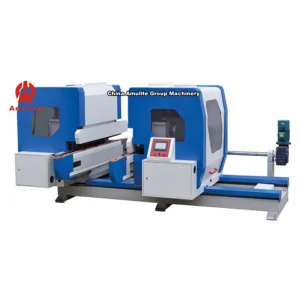
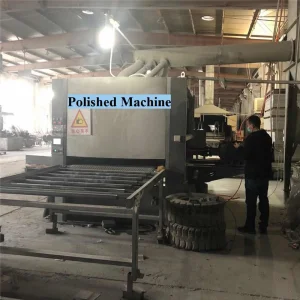
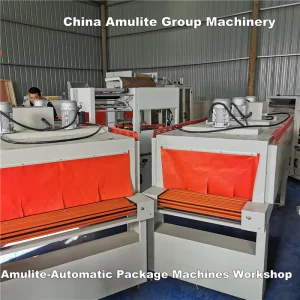
Browse our extended product portfolio including recycling machinery, board finishing systems, edge profiling equipment, and automated packaging lines.
Direct technical answers regarding plastic panel extrusion line sizing, raw material formulations, installation timelines, and ROI metrics.
Depending on screw diameter (ranging from 65mm to 180mm twin-screw configurations) and board thickness (ranging from 1mm to 30mm), modern panel extrusion lines achieve throughput capacities between 300 kg/h up to 1,500 kg/h per line. Annual output can range from 1.5 million m² to over 10 million m² based on continuous 24/7 operating schedules.
Yes. By integrating high-vacuum melt degasification systems, continuous double-column hydraulic screen changers, and co-rotating screw elements designed for variable shear rates, our extrusion machinery reliably processes post-industrial and post-consumer recycled HDPE, PP, and PVC flake without causing melt fracture or void formation.
Equipment manufacturing and factory dry-run testing typically require 60 to 90 days following layout design approval. On-site installation, electrical wiring, mechanical erection, and formulation commissioning by our resident field engineers usually take 25 to 40 days, culminating in staff operational handover.
An automated T-die utilizes thermal expansion bolts linked to an inline thickness scanner (X-ray or ultrasonic). When a gauge deviation is detected, the PLC adjusts the localized heat on specific die lip bolts, expanding or contracting the gap in micron increments to maintain uniform sheet gauge across the entire width.
Every turnkey machinery package includes custom formulation recipe testing. Our process engineers analyze your locally sourced raw materials (polymers, fillers, processing aids, heat stabilizers, and color pigments) in our laboratory to optimize melt strength, flexural modulus, and impact resistance prior to shipment.