Explore our premium machinery solutions engineered for high-density fiber cement, XPS insulation, lightweight wall panels, and automated manufacturing systems.
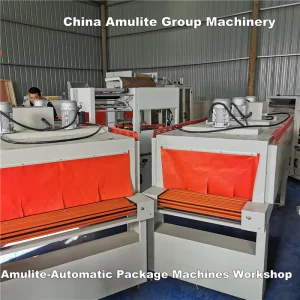
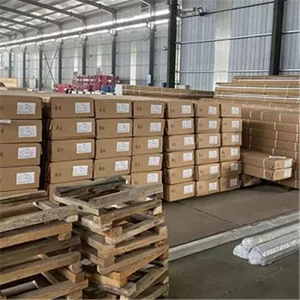
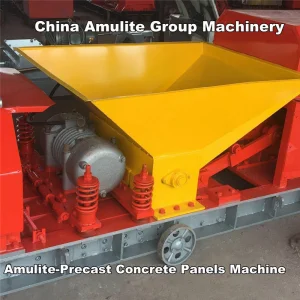
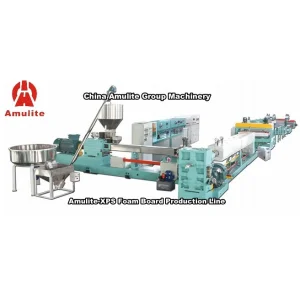
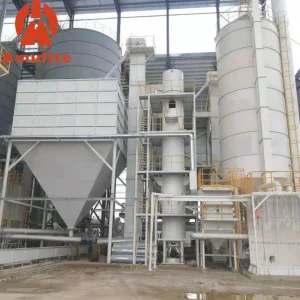
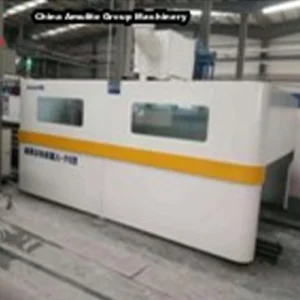
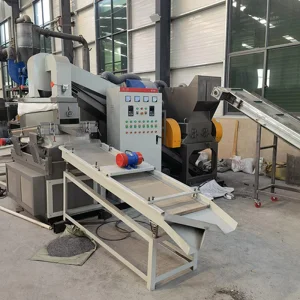
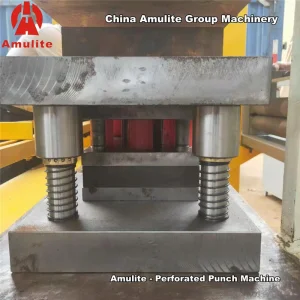
An engineering breakdown of how world-class fiber cement board machinery integrates raw slurry processing, vacuum dewatering, sheet formation, and high-pressure steam autoclaving.
Fiber cement sheets have become the cornerstone of modern sustainable construction, delivering unmatched durability, Class A1 fire resistance, high flexural strength, and moisture-proof characteristics for exterior facades, interior drywalls, flooring substrates, and roofing systems. Behind every premium board is a sophisticated, highly automated manufacturing plant engineered to turn raw cement, quartz sand, cellulose pulp, and synthetic reinforcing fibers into high-density structural sheets.
Selecting the optimal technical route between Hatschek sheet-forming and Flow-on casting determines the operational flexibility, density range, and capital expenditures of your plant. Below is an engineering comparison matrix designed for technical directors and plant procurement leaders:
| Performance Parameter | Hatschek Continuous Process | Flow-on Slurry Casting Process | Extrusion Technology |
|---|---|---|---|
| Primary Application | Thin to Medium Sheets (4mm - 20mm), Ceilings, Cladding | Thick Boards (12mm - 30mm), Heavy Duty Floors, Structural Substrates | Custom Architectural Profiles, Hollow Panels |
| Slurry Consistency | Dilute Slurry (~8% to 12% solids content) | Concentrated Slurry (~25% to 35% solids content) | High-Viscosity Paste (~65% to 75% solids) |
| Layer Formation | Multi-film lamination (0.2mm - 0.3mm per cylinder revolution) | Direct single-pass pouring with top vacuum dewatering | Continuous die extrusion under high pressure |
| Density Range | 1.1 g/cm³ to 1.7 g/cm³ (Post-press capable) | 1.0 g/cm³ to 1.4 g/cm³ | 1.3 g/cm³ to 1.8 g/cm³ |
| Fiber Alignment | Oriented along belt direction (High tensile strength) | Isotropic multi-directional orientation | Longitudinal alignment along extrusion axis |
Pioneering the next decade of eco-friendly, carbon-neutral, and smart-factory building material machinery.
Integration of mineral carbonation reactors inside autoclaves. Capturing industrial flue gas CO2 to accelerate hydrothermal reactions, converting calcium hydroxide into permanent, super-hard calcium carbonate matrices.
Real-time laser sensors measure green sheet thickness and moisture profile down to 0.01mm, automatically adjusting slurry vat agitation speeds, felt vacuum pressure, and flocculant dosing pumps.
Transitioning from virgin softwood kraft pulp to ultra-high-performance PVA (Polyvinyl Alcohol) fibers, basalt mineral fibers, and recycled agricultural waste cellulose without sacrificing flexural strength.
How versatile fiber cement machinery enables modular construction, exterior rainscreen cladding, fireproof lining, and roofing infrastructure globally.
Engineered to produce high-density (1.4g/cm³ - 1.7g/cm³), autoclaved fiber cement boards designed for harsh weather exposure. Integrated with online surface texturing rolls to replicate wood grain, slate, stone, and 3D architectural geometric patterns. Combined with online hydrophobic coating lines for UV and water stain resistance.
Optimized for lightweight, sound-insulating ceiling tiles and non-combustible interior wallboards. Utilizing calcium silicate chemistry (silica sand + quicklime hydrothermal reaction) to yield boards with low thermal conductivity (≤0.12 W/m·K) and strict adherence to ISO 834 fire endurance tests.
Equipped with automatic vacuum corrugated forming machines, chain-drive corrugation templates, and synchronization cutters. Capable of manufacturing asbestos-free wave roofs tailored for industrial warehouses, agricultural livestock shelters, and rural housing schemes worldwide.
Designed to produce heavy gauge structural boards (20mm to 30mm thick) featuring extreme impact resistance and flexural strength exceeding 16 MPa. Used as permanent floor decking in steel-structure mezzanine systems, lightweight precast villa floors, and container homes.
Why leading global building material conglomerates partner with China’s premier fiber cement equipment manufacturing hubs.
The global shift toward non-metallic green building materials has placed demanding pressures on machinery manufacturers. China’s advanced machinery manufacturing ecosystem—exemplified by industrial leaders like Amulite Group—combines complete localized supply chain control, heavy CNC machining capabilities, and rapid custom engineering execution.
From dynamic balance testing of 1600mm forming cylinders to multi-axis CNC milling of autoclave locking rings, 100% of critical mechanical components are machined in-house to guarantee micron-level precision.
Delivering European-tier performance at 40-50% lower capital expenditure. Utilizing global standardized electrical hardware (Siemens PLC, Schneider Electric switches, ABB inverter drives) for seamless international parts replacement.
Every fiber cement sheet making line undergoes dry-run trial assembly, hydraulic pressure testing of autoclaves (up to 1.6 MPa), and PLC communication simulation inside the factory prior to export shipping.
A comprehensive procurement roadmap for EPC contractors, investors, and industrial board manufacturers evaluating new production plant projects.
Investing in a fiber cement board production line requires a rigorous evaluation of utility infrastructure, raw material availability, labor automation, and operational expenditure (OPEX). Below is an engineering framework outlining the key inputs required for site planning and equipment sizing:
From civil engineering design to resident engineers on-site: guaranteeing seamless plant installation and ISO compliance worldwide.
Custom civil foundation drawings, 3D plant layout, cable tray routing, and piping schematic diagrams tailored to local site topography.
Manufactured strictly under ISO9001 quality systems. Pressure vessels (autoclaves) comply fully with ASME Section VIII / CE-PED standards.
Deployment of senior mechanical and electrical engineers to supervise equipment mounting, alignment, wiring, and piping installation.
Conducting raw material trial runs using local cement, sand, and pulp to adjust formulation ratios until target board strength is achieved.
Clear, unvarnished technical answers directly from our senior engineering team.
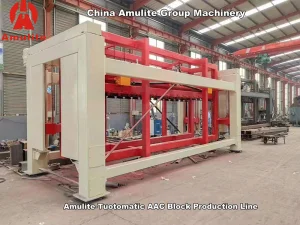
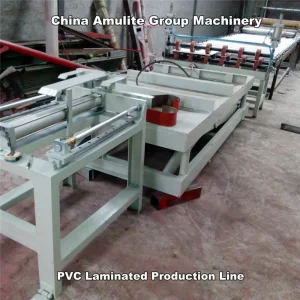
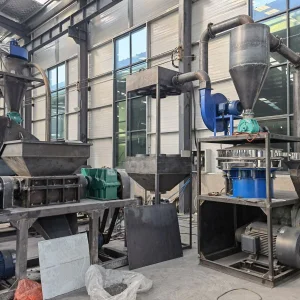
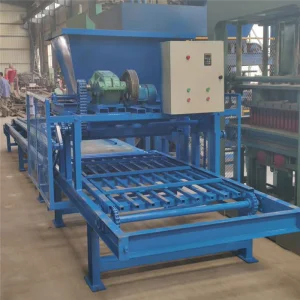
Explore our complete manufacturing machinery spectrum, including gypsum, AAC blocks, crushing equipment, ceramic tile, and recycling production lines.