Engineered for heavy-duty structural stability, high volumetric extrusion output, and low kilowatt-hour energy efficiency per metric ton.
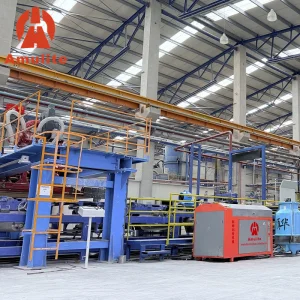
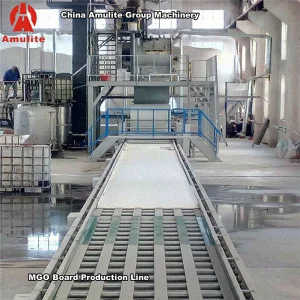
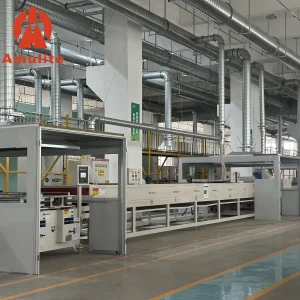
The global demand for high-performance thermoplastic sheets, rigid PVC foam boards, WPC (Wood-Plastic Composite) architectural profiles, XPS insulation panels, and multi-layer co-extruded plastic sheets has experienced a paradigm shift. Modern industrial construction, modular building design, interior wall cladding, and heavy-duty logistics packaging require high tensile strength, precise thickness uniformity, thermal efficiency, and minimal material degradation.
As premier China Plastic Panel Production Machine Manufacturers & Suppliers, Chinese machinery engineering conglomerates have transitioned from basic mechanical assembly to smart, digitalized manufacturing. By utilizing advanced twin-screw extrusion technology, microcellular physical foaming techniques, precise melt-pump dosing systems, and closed-loop PLC SCADA integration, Chinese suppliers now lead the global market in providing industrial-grade plastic panel extrusion machinery.
Key Information Gain Metric: Advanced twin-screw plastic panel extrusion lines manufactured in China can lower specific electrical consumption (kWh/kg of melt throughput) by up to 22% while guaranteeing melt temperature stability within ±1.0°C across 2,600 mm T-die widths.
Plastic panel manufacturing machines process a vast array of polymer resins—including Polyvinyl Chloride (PVC), Polypropylene (PP), High-Density Polyethylene (HDPE), Polystyrene (PS), and Polycarbonate (PC). The core challenge in continuous panel production resides in controlling polymer rheology, thermal histories, and pressure profiles within the extruder barrel and through the T-die opening.
When producing thick PVC Celuka foam boards or WPC structural panels, maintaining an optimal balance between chemical foaming agent decomposition and polymer melt strength is crucial. Chinese extrusion lines integrate custom screw profiles featuring L/D ratios ranging from 28:1 to 36:1, configured with specialized kneading blocks, barrier flights, and mixing elements that prevent polymer degradation while ensuring homogenous filler dispersion (such as high-ratio CaCO3 blending).
Innovations driving next-generation plastic board production lines: zero-carbon processing, AI-driven thickness calibration, and physical gas foaming.
Transitioning from chemical azodicarbonamide (ADC) blowing agents to eco-friendly Supercritical CO2 (sCO2) injection. Reduces operational raw material costs by up to 15% while manufacturing non-toxic, recyclable XPS insulation and lightweight PVC boards.
Integration of infrared and beta-ray gauge scanners communicating directly with thermal expansion bolts on the T-die. Automatically adjusts lip gap profiles every 10 seconds to maintain tight thermal sheet thickness specs (±0.03 mm).
Advanced ABA and ABC 3-layer to 7-layer feedblock engineering. Enables factories to utilize recycled PCR/PIR plastics in the core layer while shielding outer surfaces with virgin polymers, UV stabilizers, and anti-scratch additives.
Turnkey machinery lines engineered for specific high-growth market segments globally.
Plastic panel extrusion machinery coupled with high-speed online lamination and UV coating units (as featured in our product matrix) produces high-gloss marble-effect PVC sheets, outdoor WPC wall panels, and interior decorative boards. These products replace heavy natural stone and moisture-sensitive wood panels.
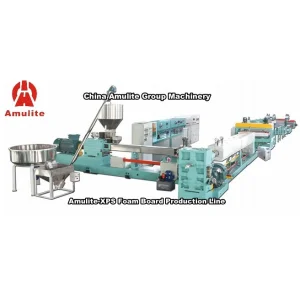
XPS board production equipment utilizing CO2 foaming technologies creates dense, closed-cell extruded polystyrene sheets. Essential for cold storage facilities, under-floor radiant heating systems, and civil engineering foundation insulation.
Thick PP/PE sheet extrusion machinery (up to 30 mm thickness) delivers chemical-resistant, high-impact panels designed for industrial tank fabrication, electroplating equipment linings, and heavy-duty sleeve pack containers.
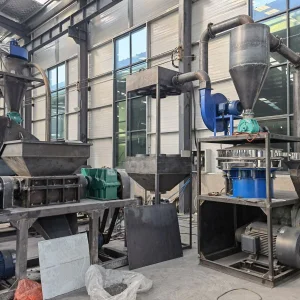
Incorporating specialized crushing, washing, and pelletizing machinery—alongside lithium battery and e-waste recycling lines—allows manufacturers to process post-industrial waste directly into composite construction panels.
Comprehensive benchmark of machinery line configurations for industrial buyers and plant engineering teams.
| Equipment Type | Target Polymer | Screw Configuration | Thickness Range | Max Production Width | Drive Power (kW) |
|---|---|---|---|---|---|
| PVC Celuka Foam Board Line | Rigid PVC + CaCO3 + Additives | Conical / Parallel Twin Screw | 3 mm - 30 mm | 1,220 mm - 2,050 mm | 110 kW - 160 kW |
| WPC Door & Wall Panel Line | PVC + Wood Powder + Calcium | Conical Twin Screw (SJZ-80/156) | 5 mm - 45 mm | 600 mm - 1,000 mm | 75 kW - 132 kW |
| XPS Insulation Board Line | GPPS + sCO2 / Ethanol Blowing | Tandem Single + Single Screw | 20 mm - 120 mm | 600 mm - 1,200 mm | 160 kW - 315 kW |
| PP/PE Rigid Sheet Line | 100% PP/PE (Virgin or Recycled) | Single Screw (33:1 or 36:1 L/D) | 2 mm - 30 mm | 1,500 mm - 2,600 mm | 132 kW - 250 kW |
| PC Hollow Grid Sheet Line | Polycarbonate Resin | Single Screw with Melt Pump | 4 mm - 16 mm | 2,100 mm | 160 kW - 220 kW |
Purchasing plastic panel extrusion machinery from China offers global business leaders unmatched strategic advantages in capital efficiency, custom engineering flexibility, and robust supply chain integration. Leading Chinese machinery plants leverage advanced manufacturing infrastructure to deliver high-tier equipment at competitive total costs of ownership (TCO).
The concentration of metallurgical foundries, precision gear reducer plants, bimetallic screw/barrel specialists, and electrical component warehouses in China ensures short manufacturing lead times. Components like 38CrMoAlA nitrided screws, SKF/NSK heavy-duty bearings, and Siemens PLC systems are seamlessly integrated into custom machine frames within 45 to 60 days of order confirmation.
Extruder barrels and T-dies undergo multi-stage thermal stress relief, deep nitriding, and bimetallic alloy spraying (PTFE or tungsten carbide coatings). This prevents barrel wear and screw abrasion when processing formulas containing high concentrations of abrasive fillers like calcium carbonate ($CaCO_3$) or glass fiber reinforcement.
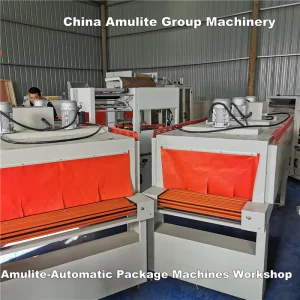
Prior to international container packing, entire production lines—including raw material dosing units, extruders, T-dies, calibration tables, haul-off units, transverse cutters, and stacking systems—are fully assembled and dry/wet tested in the workshop to eliminate on-site commissioning delays overseas.
For international procurement directors, VP of Engineering, and plant managers, selecting the ideal China Plastic Panel Machine Manufacturer & Supplier requires rigorous evaluation of total engineering capability, compliance certifications, and operational transparency.
Evaluate extruders based on specific energy consumption ($kWh/kg$). Premium Chinese extrusion systems utilize electromagnetic barrel heating zones, direct-coupled torque motors, and variable frequency drives (VFD) to reduce continuous power draw by 18-25% compared to legacy gear-driven models.
Top-tier Chinese manufacturers standardize key auxiliary items—using global brands like Schneider electrical contactors, Omron temperature controllers, ABB inverter drives, and Festo pneumatic cylinders—ensuring maintenance teams can source replacement components locally anywhere in the world.
Professional suppliers define explicit performance acceptance standards in contracts—specifying hourly output rate ($kg/h$), maximum line speed ($m/min$), board density range ($g/cm^3$), surface hardness (Shore D), and dimensional tolerance ($mm$).
Deploying heavy industrial extrusion equipment into overseas markets like North America, the European Union, the Middle East, Southeast Asia, and South America demands compliance with local electrical codes and safety standards.
Leading Chinese machinery OEMs provide complete engineering support tailored to regional power grids (e.g., 380V/50Hz, 460V/60Hz, or 220V/60Hz 3-Phase), CE marking, UL electrical cabinet certifications, and pressure vessel compliance for steam/oil heat exchangers. Human-Machine Interfaces (HMI) are pre-programmed in multiple languages including English, Spanish, Russian, Arabic, and French for effortless operator control.
Turnkey Field Engineering Services: On-site installation supervision, foundation layout verification, raw material formulation tuning, trial running, and operator training are executed by dedicated field engineers equipped with remote augmented reality (AR) support tools.
Clear answers to crucial engineering, procurement, and operational questions regarding plastic panel extrusion machinery.
Production capacity ranges from 350 kg/h to 1,200 kg/h depending on the extruder size (such as conical SJZ-80/156 or parallel twin-screw extruders) and board density specs. A standard 1,220 x 2,440 mm Celuka foam board line typically generates 12 to 18 tons of rigid PVC foam boards per 24-hour cycle.
Thickness precision is maintained through high-precision T-dies equipped with adjustable top lips and flexible lower lips, combined with multi-roller calenders featuring independent servo drive units and internal oil/water liquid temperature controllers. Automatic closed-loop thickness gauges with auto-bolt T-dies can achieve tolerances within ±0.03 mm to ±0.05 mm.
Yes. By configuring co-extrusion technology (such as ABA 3-layer structural dies), manufacturers can process up to 70% to 100% recycled polymers (regrind scrap, post-consumer flakes) in the core middle layer while using a thin layer of virgin resin on the outer surface to maintain pristine aesthetic appearance, UV resistance, and structural strength.
Manufacturing and factory dry-testing standard plastic panel machinery usually takes 60 to 90 days. On-site installation supervision, civil foundation alignment, electrical wiring, trial production runs, and staff training take approximately 20 to 30 days depending on local site readiness.
Reputable Chinese suppliers offer full CE compliance (LVD & MD directives), ISO 9001 quality management standards, and can customize electrical cabinets with CSA, UL, or NEMA standards to satisfy strict North American and European regulatory frameworks.
Top machinery suppliers do not just deliver hardware; they supply starter chemical recipes tailored to locally sourced resins and additives (e.g., PVC resin K-value 67, heat stabilizers, lubricants, acrylic processing aids, blowing agents, and calcium carbonate content), ensuring buyers achieve target board density and strength from day one.
Explore our extended machinery catalog engineered for non-metallic building materials, recycling, and panel finishing.