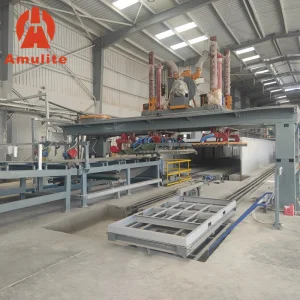
Explore our high-performance building material production systems engineered for modern construction demands.
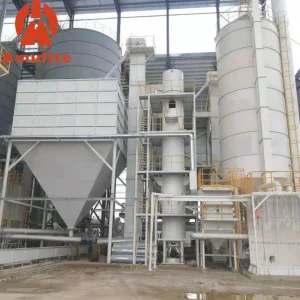
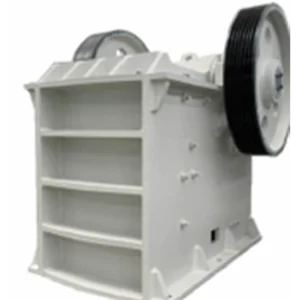
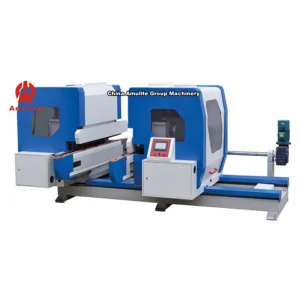
Proven production line throughput, structural compliance, and deployment stats across global industrial projects.
The global structural building sector is currently undergoing a systemic transition toward Modular Construction, Industrialized Building Systems (IBS), and Decarbonized Material Processing. At the epicenter of this technological shift is the EPS (Expanded Polystyrene) Precast Concrete Foaming Wall Panel Machine. This machinery integrates mechanical engineering, polymer chemistry, and automated hydraulic extrusion to yield composite lightweight core panels (often wrapped with Fiber Cement Board or Calcium Silicate Board facings).
As traditional brickwork and cast-in-place concrete walls face severe labor constraints, rising raw material costs, and strict carbon limits, China has surfaced as the world’s leading hub for EPS foaming machine engineering. Modern Chinese equipment manufacturers have shifted from mechanical duplication to original research in micro-cellular void distribution, continuous vertical mold casting, and automatic core slurry dosing.
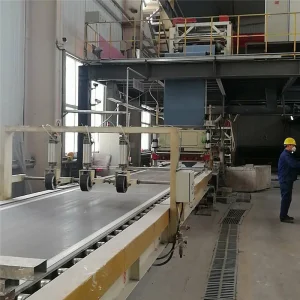
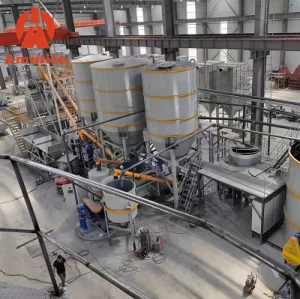
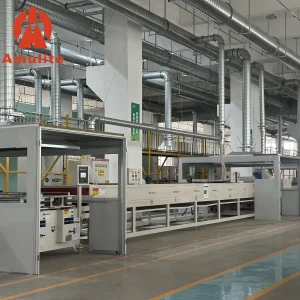
A high-efficiency EPS precast concrete wall panel line requires synchronized integration between chemical expansion, dry material batching, liquid metering, and hydraulic mold management. Below is an engineering overview of the essential subsystem modules:
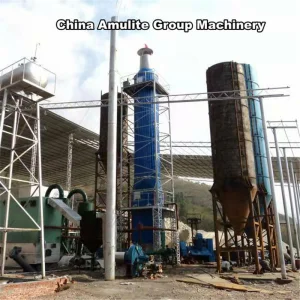
Converts raw expandible polystyrene beads into controlled micro-spheres (1.5–3.0mm diameter) via fluid-bed steam expansion, stabilized inside fluidized thermal aging silos to prevent pressure breakdown.
Gravimetric weight loss feeders precisely meter Ordinary Portland Cement (OPC Class 42.5/52.5), Sand/Fly Ash slurry, chemical foaming agents, setting accelerators, and expanded EPS beads under vacuum agitation.
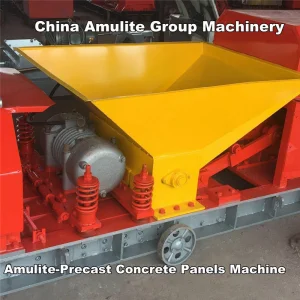
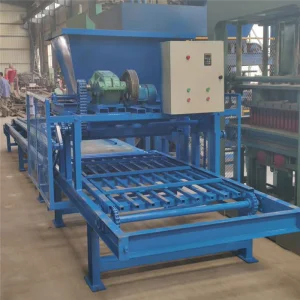
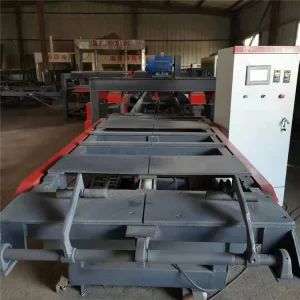
Heavy-duty steel mold batteries holding 20–40 panels per cycle. Features side-locking hydraulic gates, floor vibration dampening arrays, and double-sided tongue-and-groove profile formers.
The slurry preparation utilizes specialized physical and micro-foaming agents that introduce thousands of closed micro-air pockets within the cementitious matrix. When combined with EPS beads, the resulting density drops down to 550 – 700 kg/m³, while maintaining compressive strengths exceeding 3.5 to 5.0 MPa.
Understanding the material property gains of EPS precast foamed concrete panels is vital for structural engineers and project developers when selecting machinery assets.
| Performance Metric | Standard Clay Brick Wall | Autoclaved Aerated Concrete (AAC) | EPS Precast Foamed Sandwich Panel |
|---|---|---|---|
| Dry Density (kg/m³) | 1800 - 2000 | 600 - 750 | 550 - 680 |
| Installation Speed (m²/worker/day) | 15 - 20 | 25 - 35 | 40 - 65 |
| Acoustic Insulation (dB - 90mm) | ~38 dB | ~40 dB | 44 - 48 dB (Higher Dampening) |
| Thermal Conductivity (W/m·K) | 0.81 | 0.16 | 0.065 - 0.09 |
| Moisture Absorption Rate | High (>18%) | Moderate (~15%) | Ultra-Low (<6% due to fiber skin) |
| Seismic Resistance Capacity | Low (Brittle failure) | Medium | High (Flexible Joint Lock System) |
Sourcing wall panel machinery from premier Chinese manufacturers provides systemic capital and technical benefits:
The EPS precast concrete foamed panel machine is designed to supply panels across highly diverse global architectural environments:
Provides lightweight, thin-profile (75mm/90mm/100mm) fireproof dividing walls that maximize internal usable floor area while reducing total building gravity load on foundation piles.
Enables rapid erection of affordable social housing projects across Africa, Latin America, and Southeast Asia without requiring heavy crane infrastructure on site.
Utilizes thick core panels (150mm/200mm) engineered with ultra-low thermal conductivity to minimize HVAC thermal loss in commercial warehouse facilities.
International procurement officers must audit five essential mechanical parameters prior to finalizing equipment supply agreements:
Expert engineering insights regarding EPS wall panel plant investment, operation, and formulation.
The standard production formulation requires Ordinary Portland Cement (OPC Class 42.5 or 52.5), Expandable Polystyrene (EPS) beads, Silica Sand or Coal Fly Ash, Water, Chemical Foaming Agent, and Water Reducer/Accelerator additives. External face panels require 4.5mm or 5mm Fiber Cement Boards or Calcium Silicate Boards.
Under standard ambient temperatures (25°C to 35°C) with chemical setting accelerators, panels achieve initial setting for demolding in 3 to 4 hours. Utilizing thermal steam heating circuits built inside the vertical mold cars reduces cycle time to just 1.5 to 2 hours per batch.
Precision-machined vertical mold side plates, combined with high-rigidity hydraulic clamping frames, keep thickness tolerances within ±0.5mm across a standard 2440mm x 610mm panel size. Automatic four-side trimming saws ensure perfect squareness prior to packaging.
A standard semi-automatic plant (producing 300,000 m²/year) requires a factory footprint of approximately 3,500 m² to 5,000 m² (including raw material storage and finished panel curing yards). Electric power load requires approximately 120 kW to 180 kW, with a 1-ton to 2-ton steam boiler unit.
Yes. EPS precast concrete wall panels constructed with non-combustible fiber cement skins and high-density cementitious core matrix achieve 2-hour to 4-hour fire endurance ratings under ISO 834, BS 476 (Part 22), and ASTM E119 testing standards.
Browse our complete catalog of specialized crushing, molding, coating, and recycled material machinery.