Explore fully engineered building material production hardware, continuous roll forming equipment, and automated processing lines engineered for maximum uptime and material efficiency.
The modern global industrial sector is undergoing a profound paradigm shift driven by stringent thermal efficiency mandates, accelerated prefabricated construction schedules, and strict net-zero carbon goals. At the epicenter of this structural transformation is the demand for advanced insulated building enclosures—specifically Roof Sandwich Panels utilizing Polyurethane (PU), Polyisocyanurate (PIR), Mineral Rockwool, and Expanded Polystyrene (EPS) cores.
According to industry market intelligence, the global market for structural insulated roof sandwich panels is projected to expand at a CAGR exceeding 6.8% through 2032. This growth is heavily concentrated in logistics parks, ultra-large-scale cold chain storage facilities, automated distribution centers, microchip fabrication plants, and gigafactories. As a result, commercial building owners and general contractors can no longer rely on site-built multi-layer roofing systems. They require factory-produced, high-precision, lap-sealed insulated roof panels produced by enterprise-grade Roof Sandwich Forming Machines.
When evaluating a prospective roof sandwich forming machine supplier, enterprise buyers must look beyond initial hardware cost. Sourcing decisions require a thorough evaluation of long-term equipment reliability, total cost of ownership (TCO), material yield optimization, and raw sheet metal springback mitigation. High-speed continuous manufacturing lines operate under intense mechanical stress; minor deviations in roll tooling accuracy or metering pump precision lead to costly delamination, structural failure, or water penetration in end-use commercial installations.
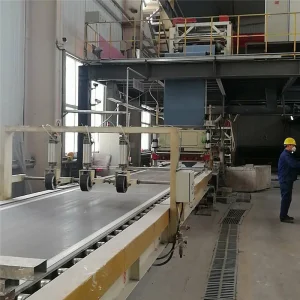
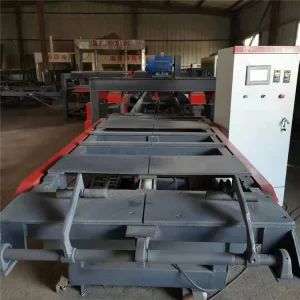
A commercial-grade continuous roof sandwich forming machine is an integrated electro-mechanical assembly spanning up to 120 meters in length. It seamlessly combines precision metal roll forming, chemical metering/dispensing, heavy double-belt vulcanization/lamination, and flying mechanical shearing. Understanding each sub-system is vital for selecting a supplier capable of maintaining tight tolerances across decades of continuous operation.
High-tonnage hydraulic uncoilers with automatic expansion and tension control feed steel coils (0.4mm – 0.8mm GI, PPGI, or Stainless Steel) into multi-station roll formers. Precision chrome-plated tooling passes form the upper crowned roof profile (typically 3 or 5 ribs with overlap joint geometries) and the micro-ribbed or flat bottom facing sheet.
For PU/PIR lines, high-pressure liquid metering pumps precisely mix Polyol and Isocyanate with eco-friendly pentane blowing agents. A high-speed oscillating mixing head distributes the reaction mix across the bottom sheet. For Rockwool sandwich panels, automated block cutters and turn-over machines lay vertical structural fibers to maximize compression strength.
The heart of continuous polymerization. Heavy-duty caterpillar-style double belts (18 to 30 meters long) maintain uniform heat (typically 50°C – 70°C) and extreme mechanical pressure (up to 6 bar). This guarantees complete expansion of the foam core, eliminating internal voids, delamination zones, and surface blistering.
Comparing baseline machine parameters against modern industrial standards for high-capacity manufacturing plants:
| System Parameter | Standard Commercial Line | High-Precision Enterprise Line | Engineering Impact / Benefit |
|---|---|---|---|
| Operating Speed | 4 – 8 m/min | 10 – 15 m/min (Continuous) | Increases annual board yield by up to 120% without core distortion. |
| Roll Forming Stations | 18 – 22 Stations | 28 – 36 Heavy Cast-Iron Stations | Gradual stress reduction, preventing coil oil-canning and micro-cracking. |
| Double Belt Length | 12m – 16m Track | 24m – 30m Caterpillar Track | Provides required residence curing time for ultra-thick (200mm) PIR panels. |
| Blowing Agent Compatibility | 141b / Water-blown | Pentane / Cyclopentane (Explosion-Proof) | Achieves Zero-ODP & ultra-low GWP, complying with European / US environmental laws. |
| Shearing Mechanism | Stop-and-Cut Shear | Servo-Driven Flying Band-Saw / Disc Shear | Zero line deceleration during cutting; clean edges without dust or thermal distortion. |
To secure a competitive advantage in building material manufacturing, enterprise buyers must perform rigorous technical audits on prospective equipment manufacturers. Evaluating raw machine tonnage is insufficient; engineers must inspect structural rigidities, PLC synchronization protocols, and foam reaction dynamics.
Verify that roll forming shafts are CNC-machined from forged 40Cr steel, quenched, and hard-chrome plated to HRc 58–62. Inferior non-treated steel shafts flex under thermal expansion, causing uneven seam interlocking and water leakage on commercial roofs.
If producing PIR/PUR panels using Pentane blowing agents, the supplier's line must feature explosion-proof enclosure zones (ATEX Class 1 Div 1 certified), gas detection sensors, automated nitrogen purging, and emergency exhaust blowers.
The roof seam geometry is critical. Premium suppliers engineer hidden-screw (capless) or overlapping weather-seal joints with integrated anti-capillary grooves to withstand hydrostatic pressure during tropical storm downpours.
Failure to lock down these structural parameters before placing an OEM order often leads to structural panel warping, thickness variations exceeding EN 14509 standards, and premature equipment degradation under continuous shift schedules.
Roof sandwich panels manufactured by modern roll forming equipment operate across harsh ambient environments—from sub-zero Arctic cold-storage infrastructure to high-humidity, ultra-saline coastal areas in Southeast Asia and Middle Eastern desert climates. Machinery design must be customized based on regional application requirements:
Cold storage roofs require panel thicknesses from 150mm to 200mm with tongue-and-groove joint seals. Continuous forming lines must incorporate multi-side sealing foil applicators and precision foam core profiling to prevent thermal bridging and ice crystal formation inside panel joints.
In regions subject to typhoons (e.g., Caribbean, Coastal China, Philippines), roof sandwich machines must form deep structural rib profiles (up to 40mm – 50mm height) to increase moment of inertia and bending strength, preventing panel uplift under extreme negative wind suction.
For high-density commercial structures, Rockwool mineral core sandwich panels offer non-combustible Class A fire performance. Machinery suppliers must provide heavy-duty dual side-band feeders, automated mineral fiber slitting/lamination, and specialized polyurethane adhesive spraying heads.
Procuring a enterprise-level roof sandwich forming machine requires a robust factory acceptance testing (FAT) program and localized commissioning support. Leading international suppliers adhere to strict quality management frameworks that guarantee rapid line installation and minimum scrap during initial trial runs.
Before dispatch, the complete forming line should undergo full dry runs and live chemical foaming tests at the manufacturer's assembly hall. Line alignment, roll calibration, hydraulic pressure stability, and emergency shutdown interlocks are rigorously verified.
Senior mechanical and electrical commissioning engineers are deployed to the client's plant to oversee foundation anchoring, main double-belt levelling, power cabinet integration, and chemical line piping. Local operators receive complete training in PLC recipe management and preventive maintenance schedules.
All control enclosures and power cabinets must meet CE, UL, or CSA standards depending on destination country regulations. Main electrical components (Siemens, Schneider, ABB) ensure global spare parts availability and reduced operational risk.
The next generation of roof sandwich panel lines integrates advanced sensor arrays, industrial Internet of Things (IIoT) connectivity, and closed-loop AI thickness management. The transition from manual line adjustment to automated smart manufacturing is already underway:
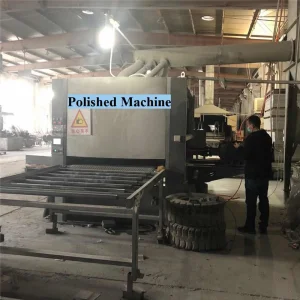
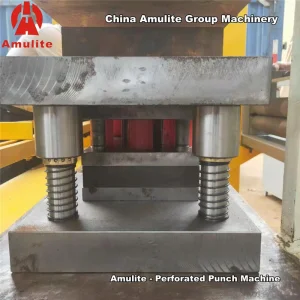
Additional specialized machinery solutions, material processing systems, and custom automated plant equipment available for global procurement.
Clear engineering and commercial responses to critical buyer queries regarding Roof Sandwich Forming Machinery procurement, installation, and capacity optimization.