Explore our high-capacity engineering lines optimized for energy-efficient construction components, composite board lamination, and automated structural panel manufacturing.
The worldwide construction sector is undergoing an unprecedented structural transition from labor-intensive, wet-trade site operations to off-site prefabricated assembly. At the nucleus of this evolution sits the high-performance Lightweight Cement Expanded Polystyrene (EPS) Sandwich Panel line.
Global energy codes (such as EU NZEB standards, ASHRAE 90.1, and China's GB50186) mandate strict envelope thermal resistance. EPS sandwich panels provide composite thermal conductivity values as low as 0.038 W/m·K, effortlessly fulfilling green building certification requirements.
Weighing only 1/6th of traditional brick masonry walls (approx. 45–65 kg/m² for a 100mm panel), EPS lightweight panels reduce structural foundation dead loads by up to 25%, while increasing floor space utilization by 4.2% through thinner wall profiles.
Featuring tongue-and-groove interlocking geometries reinforced with micro-silica matrix cement and fiber cement/calcium silicate facings, EPS sandwich wall systems withstand seismic shockwaves up to 9 Richter scale while achieving acoustic insulation ratings exceeding 45 dB.
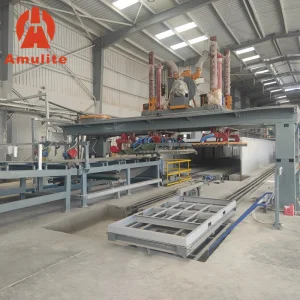
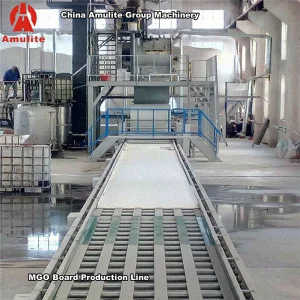
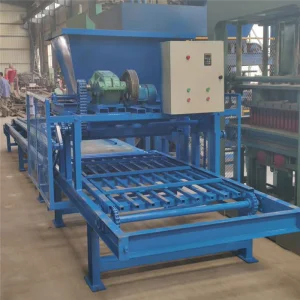
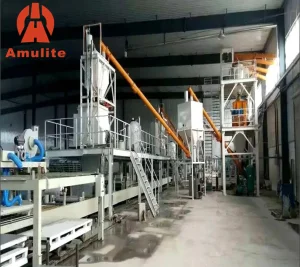
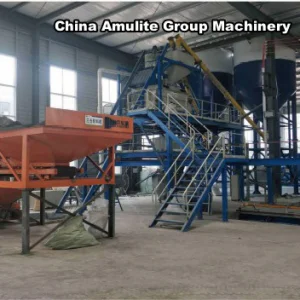
Purchasing an EPS sandwich panel production line from a qualified manufacturer requires a granular understanding of the mechanical, chemical, and automation stages involved. A turnkey plant integrates six critical sub-systems operating in synchronized rhythm.
Computer-controlled pneumatic conveying feeds Ordinary Portland Cement (OPC 42.5/52.5), Class F Fly Ash, silica sand, and customized chemical additives into multi-stage loss-in-weight batching hoppers with ±0.5% dosing precision.
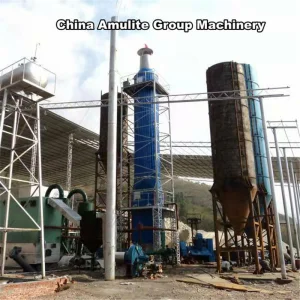
Raw expandable polystyrene beads undergo precise thermal expansion using dry saturated steam inside a pressurized stainless steel fluid bed. Automated density sensors ensure uniform bead expansion within target densities of 8–16 kg/m³ with zero bead agglomeration.
A twin-shaft planetary slurry mixer blends cementitious paste, mineral fillers, hydrophobic agents, and pre-expanded EPS beads. Specialized surfactants create a microscopic air-void network, enhancing structural ductility without compromising compressive strength.
Heavy-duty hydraulic mould cars accept fiber cement board or calcium silicate board skins on both lateral faces. High-frequency pneumatic vibrators settle the core slurry into precision male/female side grooves, eliminating internal void pockets.
Automated transfer cars maneuver loaded mould batteries into temperature-controlled tunnel curing zones (45–60°C). Accelerated hydration cures the cement-EPS bond in 3 to 4 hours, enabling rapid mould car cycling and high daily turnover.
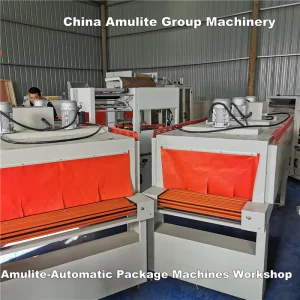
Vacuum suction manipulators strip side plates, extract cured wall panels, trim peripheral flashing with diamond saws, and stack completed panels onto wooden pallets. Automatic stretch-wrapping units bundle products for immediate yard dispatch.
When evaluating factories to buy an EPS sandwich panel production line, plant owners must select between three primary manufacturing architectures: Manual Stationary, Semi-Automated Horizontal, and Fully Automated Vertical Continuous lines.
| Evaluation Parameter | Manual Batch Line | Semi-Auto Horizontal Line | Fully Auto Vertical Battery Line |
|---|---|---|---|
| Annual Output Capacity | 100,000 m² – 300,000 m² | 500,000 m² – 1,000,000 m² | 1,500,000 m² – 3,000,000 m²+ |
| Direct Workshop Labor | 18–25 Workers per Shift | 8–12 Workers per Shift | 3–5 Supervisory Technicians |
| Thickness Precision Tolerance | ± 3.0 mm | ± 1.5 mm | ± 0.5 mm (Laser Calibrated) |
| Slurry Core Density Range | 550 – 800 kg/m³ | 450 – 700 kg/m³ | 380 – 650 kg/m³ (Ultra-Light) |
| Mould Cycle Time | 8 – 12 Hours | 4 – 6 Hours | 2.5 – 3.5 Hours |
| Facing Sheet Compatibility | Fiber Cement Board Only | FCB, Calcium Silicate, MGO | Universal Multi-Facing Interface |
| PLC Telemetry & SCADA | Not Available / Analog | Basic HMI Panel Control | Full Industry 4.0 IoT & Remote Support |
| CapEx Return on Investment | 18 – 24 Months | 12 – 16 Months | 9 – 14 Months (High Volume) |
Different global markets present unique environmental, structural, and regulatory challenges. A customized EPS panel line allows manufacturers to tailor mix formulas and panel geometry for localized building code requirements.
Geographies: Southeast Asia (Indonesia, Philippines, Vietnam), Latin America, Coastal Africa.
Challenge: Extreme moisture penetration, mold growth, and high humidity degradation.
Machinery Solution: Integration of liquid silane/siloxane hydrophobic dosing pumps in the mix unit. Panels produced exhibit water absorption rates below 3.5%, preventing efflorescence and preserving internal insulation values during monsoon conditions.
Geographies: Eastern Europe, Central Asia (Kazakhstan, Uzbekistan), Northern China, Canada.
Challenge: Severe freeze-thaw thermal cycles leading to micro-cracking and panel delamination.
Machinery Solution: Micro-air-entraining foam generators combined with low-alkali cement matrix controls. Panels achieve over 50 freeze-thaw cycles (-20°C to +20°C) with zero loss in flexural shear strength.
Geographies: Middle East (Turkey), South Asia, Pacific Rim.
Challenge: Inter-story drift and lateral shear forces during earthquake events.
Machinery Solution: Double-groove male-female interlocking profile cutters on the panel line. Jointed panels utilize flexible polymer-modified mortar and anti-crack fiber tape, allowing structural movement up to 1/50 drift ratio without structural failure.
Investing in an EPS sandwich panel machine requires complete confidence in engineering credentials, manufacturing provenance, and international compliance guarantees.
All panel machinery and end-product lines engineered by our accredited partners adhere strictly to global standard specifications, ensuring rapid architectural approvals for factory buyers:
To safeguard customer investments, factory contracts include mandatory site-engineering deployment provisions:
Senior mechanical and electrical engineers reside on site for 30–45 days to oversee foundation setting, piping layout, electrical hookup, and trial production runs.
Our chemical engineers analyze your local sand grain distribution, cement hydration curves, and fly ash reactivity to formulate the lowest cost per cubic meter mix recipe.
Integrated industrial router links allow master technicians to audit PLC code, update batching algorithms, and troubleshoot field sensors in real time from anywhere worldwide.
The future of lightweight wall panel manufacturing belongs to intelligent, low-carbon, highly automated production environments. Key technology vector deployments currently entering commercial scale include:
Inline nuclear magnetic resonance (NMR) or microwave moisture density sensors continually scan slurry flow, dynamically adjusting steam injection and foam volume to maintain wet density variations below ±1.0% across 6-meter continuous pours.
Advanced slurry mixers are retrofitted to process alkali-activated industrial waste streams (GGBS blast furnace slag and calcined clay), eliminating 80% of embodied carbon emissions compared to traditional OPC cement formulations.
High-speed 3D laser vision systems identify micro-chips or edge burrs on cured panels, directing 6-axis robotic arms to perform chamfering, side-grouting, or automatically routing panels to secondary rework stations.
Direct engineering clarity addressing common technical, operational, and commercial buyer inquiries during factory equipment procurement.
The total direct manufacturing cost for a standard 100mm thickness panel typically ranges between $5.50 and $7.80 USD per m², depending on local raw material pricing. Typically: Facing Board (Fiber Cement/Calcium Silicate): 40-45%; OPC Cement & Fly Ash Slurry: 25-30%; EPS Beads: 15-18%; Water, Additives & Power: 5%; Direct Labor: 5-8%.
AAC block lines rely on high-pressure steam autoclaving (12 bar, 190°C) to induce chemical reactions in silica sand, requiring immense capital investment in steam boiler infrastructure. Gypsum board lines utilize paper facing with calcined gypsum plaster. In contrast, EPS panel lines use low-pressure curing (or ambient curing), composite outer rigid facing boards, and a cement-polystyrene core, requiring significantly lower energy input while delivering superior impact strength and water resistance.
A standard 500,000 m²/year semi-automated line requires a covered workshop area of approximately 3,500 to 5,000 square meters with a clear height of at least 6.0 meters. Essential utilities include: Electrical Power: 180 kW installed transformer capacity; Industrial Steam Boiler: 1.5 to 2.0 Ton/hour capacity (0.8 MPa pressure); Compressed Air: 3.0 m³/min at 0.8 MPa; Water Supply: 15–20 m³/day (recyclable settling pit systems recommended).
Yes. Modular machinery designs feature interchangeable mould side-bars and removable core-tube insertion assemblies. By switching side templates and bypassing outer board placement, the plant can produce solid EPS cement panels, hollow-core lightweight partition panels, or single-face acoustic decorative panels on the same hydraulic casting system.
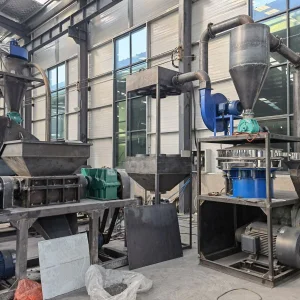
Discover specialized machinery components, recycling systems, and processing equipment to expand your building material factory capability.