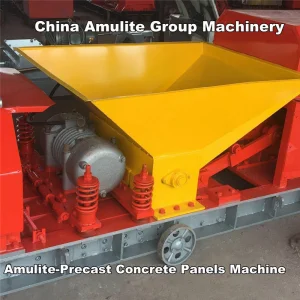
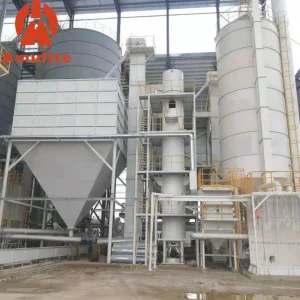
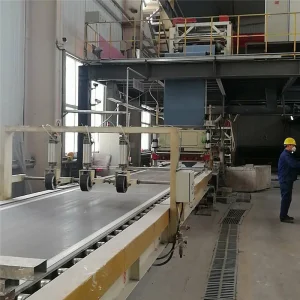
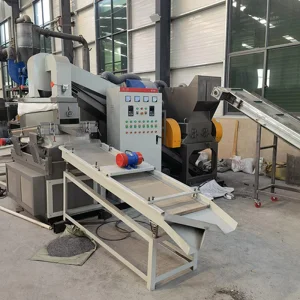
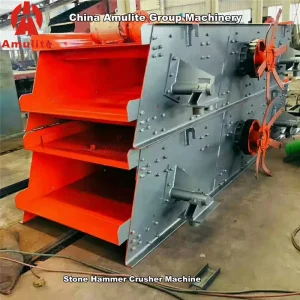
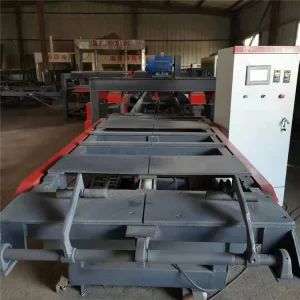
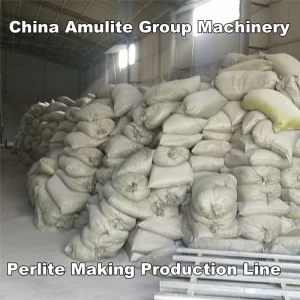
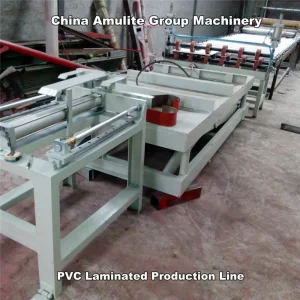
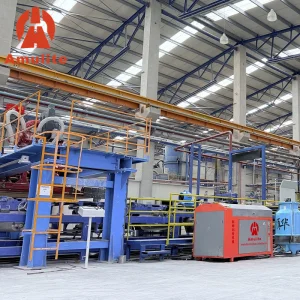
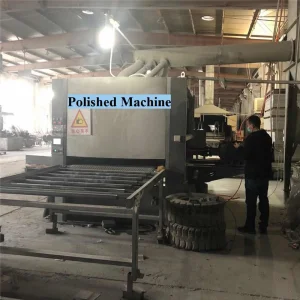
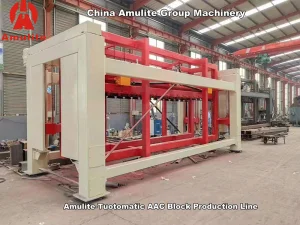
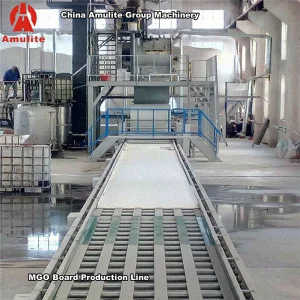
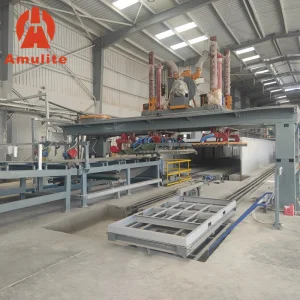
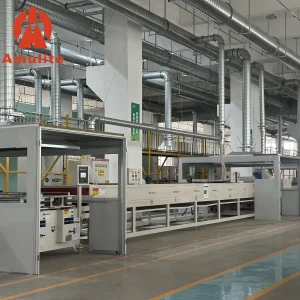
Explore our core industrial production lines and auxiliary heavy machinery engineered for maximum throughput, low energy consumption, and high operational stability.
The global construction sector is undergoing a massive transformation driven by strict carbon-neutrality mandates, accelerating urban expansion, and the universal shift toward prefabricated modular building systems. Modern structural design demands building envelopes and interior partition systems that combine low volumetric weight with superior structural integrity, Class A fire endurance, exceptional acoustic isolation, and rapid job-site installation capabilities.
Selecting the optimal lightweight wall panel equipment supplier requires deep technical understanding of chemical matrix reactions. Modern production lines process composite formulations comprising Ordinary Portland Cement (OPC), expanded polystyrene (EPS) beads, expanded perlite, calcium silicate, fly ash, and cellular aerated voids. Controlling slurry hydration dynamics, rheology, and curing kinetics is fundamental to preventing panel warpage, thermal shrinkage, and micro-cracking.
Industry 4.0 architecture has redefined wall panel fabrication. Leading manufacturing setups integrate closed-loop PLC dosing systems, multi-axis automated gang moulds, continuous extrusion units, and real-time thickness laser scanners. This degree of automation eliminates batching errors, minimizes material waste by up to 14%, and guarantees strict dimensional tolerances across high-volume production cycles.
A comprehensive overview of the core subsystems required to establish a fully automated lightweight wall panel manufacturing facility.
The foundation of structural integrity starts with uniform raw material dispersion. Industrial batching systems utilize multi-component weight hoppers equipped with load cells (precision within ±0.5%).
Forming technologies vary based on board specifications. Suppliers offer continuous vertical mould cars, horizontal press lines, or specialized Hatschek wet-process machines.
Controlled thermal hydration ensures panels achieve target compressive strength without surface micro-fissures prior to packaging and transport.
China has established an unassailable global lead in the manufacturing of heavy building material production lines. As an experienced lightweight wall panel equipment supplier base, Chinese industrial clusters offer unmatched advantages across CAPEX efficiency, technological iteration speed, and vertical component integration.
International project owners, real estate developers, and building material conglomerates require robust technical verification before deploying capital for turnkey plants.
When evaluating international machinery suppliers, global procurement directors analyze five non-negotiable operational benchmarks:
Deploying machinery globally requires strict alignment with regional construction codes and on-the-ground engineering presence to ensure seamless plant operations.
Lightweight EPS cement sandwich panels and hollow-core panels dramatically reduce dead-load parameters in multi-story skyscrapers. This permits structural engineers to optimize steel rebar and foundation sizing, saving up to 12% in total building structural costs.
Fast-track residential construction demands pre-cut, high-precision wall elements. Tongue-and-groove lightweight wall panels enable rapid dry-work assembly on site, accelerating project completion schedules by up to 50% compared to traditional brick masonry.
Equipment designs comply with regional building standards including ASTM C1185, EN 12467, and GCC GSO requirements. Technical teams provide on-site installation, local aggregate formulation tuning, and continuous 24/7 remote PLC diagnostics assistance globally.
Strategic technological shifts shaping the next decade of lightweight wall panel production equipment.
Transitioning from traditional OPC binder systems toward alkali-activated slag and fly ash geopolymers, cutting embodied carbon emissions by up to 70%.
Smart sensors measuring slurry viscosity and hydration temperatures in real time, automatically adjusting water-cement ratios and chemical additive pumps dynamically.
Integration of agricultural side-streams (rice husk ash, hemp shives, bamboo fiber) into lightweight cores to improve thermal insulation ($k$-value reduction) while maintaining structural density.
Fully autonomous end-of-line packaging cells equipped with vision-guided robots, automatic plastic wrapping, and timber pallet positioning for reduced labor overhead.
Review our specialized board lines, recycling plants, AAC block equipment, and surface finishing machine options.
Detailed insights from our chief process engineers regarding plant setup, equipment selection, formulation optimization, and operational parameters.