



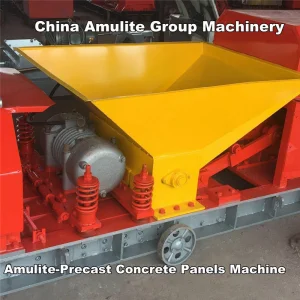
Engineered for high thermal efficiency, compliance with CIDB IBS standards, and high-speed throughput in Malaysia’s fast-paced construction sectors.
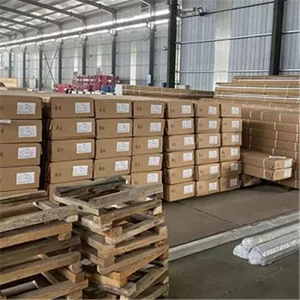
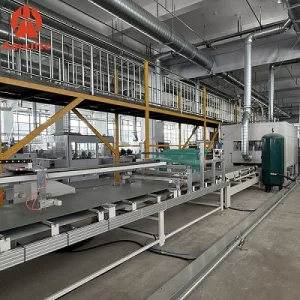
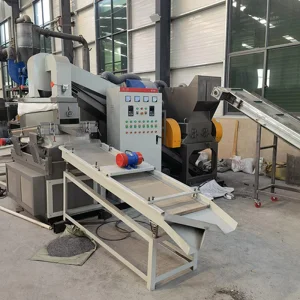
The construction ecosystem across Kuala Lumpur, Selangor, and the broader Klang Valley region is undergoing an unprecedented structural transformation. Driven by the Construction Industry Development Board (CIDB) Malaysia’s strategic mandate for the Industrialised Building System (IBS), commercial developers and civil contractors are aggressively phasing out traditional cast-in-situ wet construction in favor of pre-engineered, high-precision precast concrete panels.
Under current CIDB regulations, public and large-scale private projects in Kuala Lumpur are evaluated on their IBS Score, requiring a minimum score threshold (often 70+ points) to obtain regulatory approvals and development incentives. This policy landscape has triggered a surge in demand for state-of-the-art Precast Concrete Panels Machines, Autoclaved Aerated Concrete (AAC) lines, and EPS Sandwich Wall Panel production systems. Local machinery buyers in KL—ranging from established concrete fabricators in Shah Alam and Rawang to infrastructure consortia near Tun Razak Exchange (TRX) and Bandar Malaysia—require machinery that delivers uncompromising dimensional accuracy, rapid batching cycles, and resistance to tropical equatorial weather degradation.
Furthermore, major transit-oriented developments (TODs), high-density residential towers in Mont Kiara, and logistics hubs surrounding Port Klang necessitate lightweight partition panels that reduce structural dead load while achieving fire resistance ratings of up to 4 hours. Consequently, local producers in Kuala Lumpur are upgrading from manual tilt-table operations to fully automated, PLC-controlled continuous production lines capable of producing hollow-core panels, solid lightweight panels, and decorative insulated cladding panels under rigorous ISO 9001 and MS (Malaysian Standards) compliance.
Quantifiable benchmarks defining modern high-efficiency building material equipment performance globally.
On a global scale, the precast concrete machinery market has transitioned from isolated batch processing to integrated, smart-factory automation. Modern panel fabrication systems employ vertical battery molds with hydraulic opening/closing mechanisms, high-frequency internal vibrators, and automated slurry dosing pumps. This eliminates common casting defects such as honeycomb voids, aggregate segregation, and thickness variations.
Advanced production systems incorporate Automated Demolding & Stacking Robots, real-time ultrasonic density monitoring, and closed-loop thermal steam curing chambers. By optimizing hydration heat and regulating humidity curves, plant operators achieve 28-day target flexural and compressive strength in less than 16 hours, drastically shortening project delivery schedules for international contractors.
For Kuala Lumpur concrete panel producers, sourcing complete precast manufacturing equipment directly from top-tier Chinese original equipment manufacturers (OEMs) provides an unmatched balance of technological sophistication, industrial-scale durability, and optimized Capital Expenditure (CAPEX).
Forming cylinders, mold frames, and main drive shafts utilize high-tensile Q355B structural steel and wear-resistant alloy linings. CNC gantry machining guarantees sub-millimeter tolerances across 12-meter continuous mold beds.
Control systems are standardized with Siemens S7-1500 PLC platforms, Schneider electric components, SEW Eurodrive gearboxes, and AirTAC pneumatic valves, ensuring instant local spare parts availability in Malaysia.
From initial raw material slurry analysis (evaluating local Malaysian OPC cement, fly ash, silica sand, and palm oil fuel ash) to foundation civil drawings, factory layout optimization, and resident technician training.
By leveraging China’s mature industrial manufacturing clusters, plant investors in Greater Kuala Lumpur can deploy automated, large-capacity production lines at 40% to 60% lower initial capital investment compared to European equivalents. This dramatic reduction in payback period empowers local producers to bid competitively on massive infrastructure and residential projects while securing healthy operating margins.
Detailed performance indicators across different panel production technology configurations available for Kuala Lumpur factory deployments.
| Machine Specification | Vertical Battery Mold Line | EPS Sandwich Cement Panel Line | Continuous AAC Panel Line |
|---|---|---|---|
| Target Panel Types | Solid Wall Panels, Facades | Lightweight EPS Partition Panels | Autoclaved Aerated Boards/Blocks |
| Annual Production Capacity | 300,000 m² – 1,500,000 m² | 500,000 m² – 3,000,000 m² | 100,000 m³ – 600,000 m³ |
| Panel Thickness Range | 75 mm – 200 mm | 60 mm – 200 mm | 50 mm – 300 mm |
| Main Automation Level | Semi-Auto / Fully Auto PLC | PLC Central Slurry Batching | SCADA Integrated Control |
| Curing Method | Accelerated Steam / ambient | Self-Curing Hydrothermal Chamber | High-Pressure Steam Autoclave (1.3MPa) |
| KL Raw Material Compatibility | OPC, Sand, Crushed Granite | OPC, EPS Beads, Fly Ash, Fiber | Silica Sand, Quicklime, Gypsum, Fly Ash |
How precast concrete panels engineered by automated production lines are utilized across Malaysia's built environment.
Lightweight EPS cement sandwich panels provide exceptional sound isolation (STC rating > 45 dB) and structural weight reduction, allowing structural engineers in KL high-rise towers to optimize foundation pile designs.
Fiber cement and embossed decorative metal composite panels offer architecturally versatile exterior skins that withstand severe monsoon downpours and high solar radiation without delamination or fading.
Heavy-duty precast hollow-core panels enable rapid perimeter fencing for logistics parks in Subang, Shah Alam, and Sepang, reducing installation timelines from months to days.
The global precast concrete sector is rapidly aligning with international ESG (Environmental, Social, and Governance) framework targets. Future-proof precast panel production lines are incorporating three core technological shifts:
When evaluating precast concrete machine manufacturers for contracts in Kuala Lumpur or internationally, procurement directors must inspect key technical parameters beyond basic machinery pricing:
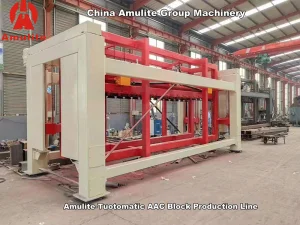
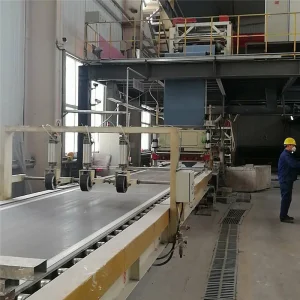
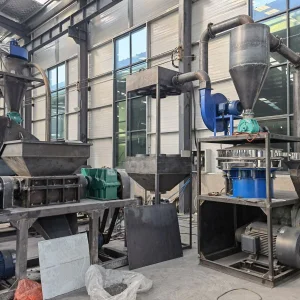
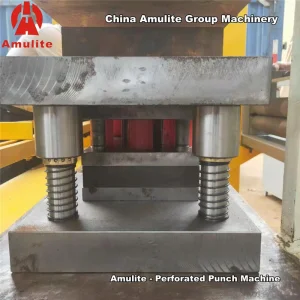
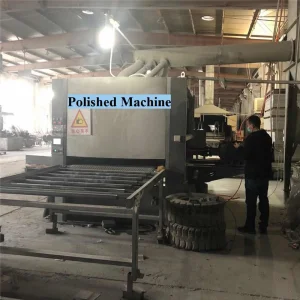
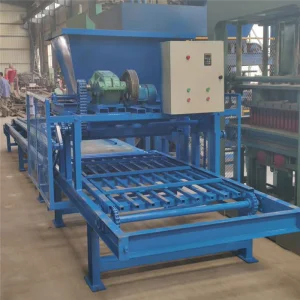
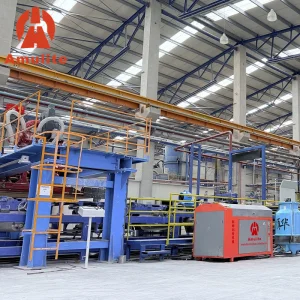
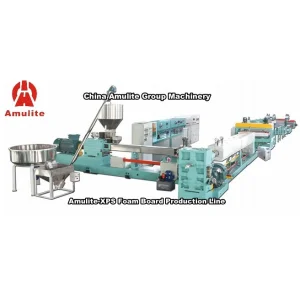
Full range of building material production lines engineered for global infrastructure and prefab construction projects.
Direct answers from our senior industrial engineers regarding precast concrete panel machinery operations in Malaysia and worldwide.