Engineered for high compressive strength aggregates, Deccan trap basalt, and sustainable building materials across Maharashtra.
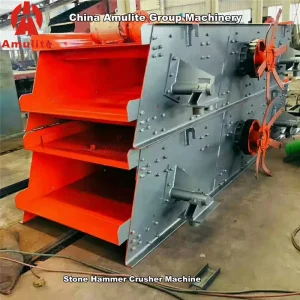
High-manganese alloy hammer rotors optimized for rapid reduction of high-abrasion basalt rock in Mumbai quarrying operations.
Explore Technical Details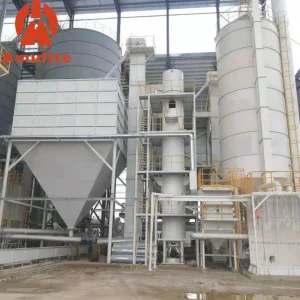
Energy-efficient vertical expansion furnace for high-performance thermal and acoustic aggregate fillers engineered for green urban housing.
Explore Technical Details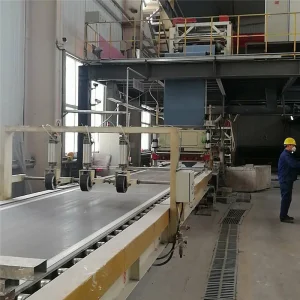
Fully automated paper-faced gypsum board plant featuring multi-deck dryer heat recycling for MMR mega-construction projects.
Explore Technical Details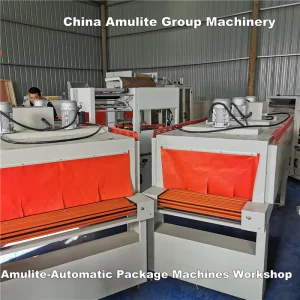
Robotic palletizing and shrink-wrapping machinery designed for high-throughput material dispatch in port and quarry hubs.
Explore Technical DetailsNavigating the technical requirements, mechanical selection, and supply chain dynamics for crushing machinery in Western India.
The Mumbai Metropolitan Region (MMR) is undergoing an unprecedented infrastructure transformation. Mega-engineering projects such as the Navi Mumbai International Airport (NMIA), the extended Mumbai Coastal Road Project, the Goregaon-Mulund Link Road (GMLR) tunnels, and over 300 kilometers of new metro corridors have elevated the demand for high-grade construction aggregates to historic peaks.
To meet the stringent concrete standards specified by the Mumbai Metropolitan Region Development Authority (MMRDA) and Municipal Corporation of Greater Mumbai (MCGM), infrastructure contractors and quarry developers require advanced heavy-duty crushing machinery. Specifically, Stone Hammer Crusher Machines have emerged as the primary solution for single-stage crushing of tough Deccan Trap Basalt rock, delivering cubical sand and aggregate products with superior particle shape and minimal flakiness.
This technical guide is authored by senior process control engineers and mineral processing specialists. It evaluates key performance metrics including high-manganese composite hammer metallurgy, dust-enclosed casing standards mandated by the Maharashtra Pollution Control Board (MPCB), power-to-ton throughput optimization, and direct Chinese OEM supply chain routes through Jawaharlal Nehru Port Trust (JNPT / Nhava Sheva).
Understanding the unique mineralogical characteristics of Deccan Trap Basalt and quarry clusters across Maharashtra.
Mumbai and surrounding belts (Thane, Raigad, Navi Mumbai, Panvel) sit atop dense, fine-grained Deccan Trap Basalt. With compressive strengths ranging from 200 to 350 MPa and high silica/iron content, standard crushers suffer rapid hammer gouging and excessive liner wear if unsuited metallurgically.
Indian Standards (IS 383:2016) strictly limit combined flakiness and elongation indices for high-grade concrete aggregates to below 15-20%. Stone Hammer Crusher Machines deliver dynamic high-velocity impact, achieving ideal cubical shape in a single pass without needing secondary cone crushers.
With river sand mining heavily restricted by the National Green Tribunal (NGT) in Maharashtra, Mumbai contractors rely almost entirely on M-Sand and P-Sand (Plaster Sand). Fine-grinding hammer mills produce controlled sub-4.75mm particle distribution with optimized micro-fines.
| Quarry Hub / Region | Predominant Rock Type | Avg Compressive Strength | Target Aggregate Product | Recommended Crusher Configuration |
|---|---|---|---|---|
| Navi Mumbai & Panvel | Dense Black Basalt | 250 - 320 MPa | 10mm, 20mm, 40mm & M-Sand | Heavy-Duty Rotor Hammer Crusher + VSI Finisher |
| Thane & Bhiwandi | Weathered / Amygdaloidal Basalt | 180 - 240 MPa | Sub-base GSB & Wet Mix Macadam (WMM) | Single-Stage Hammer Crusher with Adjustable Grates |
| Palghar & Vasai | Hard Gray Basalt | 280 - 350 MPa | Concrete Aggregates for High-Rise Structures | Dual-Rotor Reversible Hammer Crusher System |
| Raigad & Karjat | Extrusive Volcanic Rock | 220 - 290 MPa | Railway Ballast & Road Asphalt Layer | High-Capacity Primary Impact Hammer Crusher |
Inside the high-efficiency kinetic impact mechanism engineered for zero-maintenance performance.
The heart of a stone hammer crusher lies in its rotating hammer metallurgy. Standard carbon steel hammers wear out within 48 hours when processing abrasive Mumbai basalt. Advanced Chinese manufacturers utilize Mn13Cr2, Mn18Cr2, and Bimetallic Composite Castings (Titanium Carbide - TiC inserts). Under continuous high-impact loading, the surface layer work-hardens from 220 HB to over 600 HB, while maintaining a ductile core to absorb shock loads without catastrophic fracture.
The heavy rotor disk is forged from alloy structural steel, undergoing 3D finite element analysis (FEA) and high-speed dynamic balancing. This eliminates operational vibration, reducing main bearing stresses and extending spherical roller bearing service life to over 40,000 continuous operating hours.
Equipped with hydraulic gap adjustment mechanisms, operators can fine-tune the clearance between the hammer circle and the breaker plates from the main control panel. This allows real-time compensation for wear and precise control over output graduation (0-5mm, 5-10mm, 10-20mm).
To comply with urban environmental directives in the Mumbai Metropolitan Region, modern hammer crushers incorporate fully sealed housing assemblies, heavy rubber internal dampening curtains, and integrated dust extraction spouts designed for negative-pressure dust collectors.
Run-of-mine basalt rock enters the crusher throat directly from vibrating grizzly feeders.
Rotating hammers strike incoming rock at 35-45 m/s, instantly shattering internal grain boundaries.
Accelerated fragments rebound against serrated breaker plates for secondary shaping.
Material passes through adjustable grate bars; oversized stones recirculate automatically.
Navigating Maharashtra Pollution Control Board norms, dust suppression technology, and noise abatement.
Under the Maharashtra Air (Prevention and Control of Pollution) Act, crushing plants in the Mumbai Metropolitan Region must restrict Suspended Particulate Matter (SPM) emissions below 600 µg/Nm³ (or 50 mg/Nm³ in eco-sensitive urban buffer zones). Our hammer crushers feature modular multi-point misting nozzles at feed opening, transfer points, and discharge chutes.
Operation within suburban belts like Thane and Navi Mumbai requires strict acoustic barriers. Double-walled heavy casing construction combined with elastic rubber damper pads beneath the crusher foundation reduces structural vibration transmission by 85%, ensuring operational noise remains within CPCB daytime industrial limits.
Why leading Indian infrastructure EPC companies choose direct procurement from Chinese heavy machinery hubs.
Direct factory procurement yields 35% to 50% capital expenditure savings compared to European or domestic tier-1 OEMs without compromising steel quality or motor specifications (using Siemens/ABB motors and SKF/FAG bearings).
Chinese foundries possess specialized electric arc furnace (EAF) casting facilities that allow tailoring chromium-manganese alloy ratios to match the exact Silica (SiO₂) density of target Mumbai basalt samples.
Direct ocean shipping routes from Shanghai/Ningbo/Qingdao ports to Jawaharlal Nehru Port Trust (JNPT, Nhava Sheva) ensure transit times of 14-18 days. Spare parts and wear components can be dispatched rapidly via air freight to Mumbai Chhatrapati Shivaji Maharaj International Airport (BOM).
Key technical considerations for Mumbai EPC project managers prior to issuing purchase orders.
Field deployment examples in infrastructure, aggregate manufacturing, and industrial recycling.
Processing raw quarry rock into 10mm and 20mm graded aggregates for high-strength RMC batching plants operating across Navi Mumbai, Thane, and Western Suburbs.
With urban redevelopment under Slum Rehabilitation Authority (SRA) and Dharavi projects, hammer crushers pulverize reinforced demolition concrete and brick scrap into recycled aggregates and road base sub-layers.
Crushing blast furnace slag and fly-ash clinkers from nearby steel plants and thermal power stations across Maharashtra for use in eco-friendly blended cements.
Technical and commercial answers addressing quarry operations, maintenance, shipping, and compliance.
While jaw crushers excel at primary reduction and cone crushers at secondary/tertiary fine crushing, heavy-duty hammer crushers offer superior single-stage reduction ratios (up to 1:20). They produce an exceptionally cubical product shape that meets strict Indian Standards (IS 383:2016) without requiring a multi-stage cone-and-VSI setup, significantly lowering initial plant capital costs.
With typical Deccan Basalt having a compressive strength of 250-320 MPa and moderate silica content, standard Mn13Cr2 hammers last approximately 80 to 120 operational hours before requiring flipping or replacement. Upgraded Mn18Cr2 or Titanium Carbide (TiC) bimetallic composite hammers extend wear life to 250 - 350 operational hours per set.
MPCB regulations require crushing plants in the Mumbai Metropolitan Region (MMR) to maintain dust emission levels below strict ambient standards. Essential measures include fully enclosed crusher housings, heavy-duty rubber curtains at feed chutes, high-pressure water mist cannons, and automated pulse-jet bag filters integrated at material transfer points.
The typical ocean shipping transit time from main Chinese ports (Shanghai, Ningbo, Qingdao) to Jawaharlal Nehru Port Trust (JNPT) is 14 to 18 days. Factoring in manufacturing lead time (typically 25-35 days for standard modular crushers) and customs clearance, equipment can be installed on site in Mumbai within 50 to 65 days from purchase order confirmation.
Yes. By adjusting the bottom grate screen bar spacing (e.g., down to 3mm or 5mm) and increasing rotor tip velocity to over 40 m/s, specialized fine-hammer mills efficiently crush basalt fines into high-quality M-Sand (sub-4.75mm) compliant with Zone II grading curves for concrete.
Our hammer crushers are fitted with 380V/415V, 50Hz 3-phase heavy industrial motors compatible with MSEDCL (Maharashtra State Electricity Distribution Co. Ltd.) grid power supplies. Star-Delta or Soft-Starter panels (or VFDs) are included to manage starting current spikes.
Yes. Standard wear parts such as hammer heads, breaker plates, side liners, and grate bars are engineered to standardized dimensional tolerances. We maintain designated spare parts reserves and can ship replacement wear sets via fast sea freight or air cargo directly to Mumbai.
We provide comprehensive field service options, including on-site engineering supervision during foundation civil works, mechanical alignment, electrical commissioning, and trial crushing runs with local basalt. Local operator maintenance training is delivered in English with full technical manuals provided.
Explore our extensive range of turnkey manufacturing plants, block production lines, and high-performance equipment.
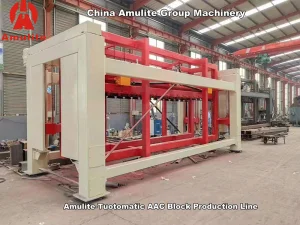
Turnkey autoclaved aerated concrete block plant producing lightweight, thermal-insulated walling for high-rise residential towers.
Explore Technical Details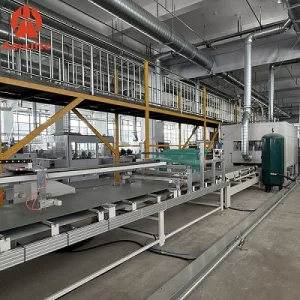
Eco-friendly exterior architectural cladding tile forming line offering rapid curing and low carbon energy consumption.
Explore Technical Details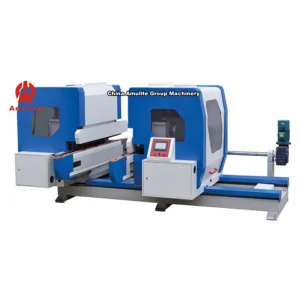
Specialized technical parameters engineered for heavy mineral processing, aggregate sizing, and high-duty quarry throughput.
Explore Technical Details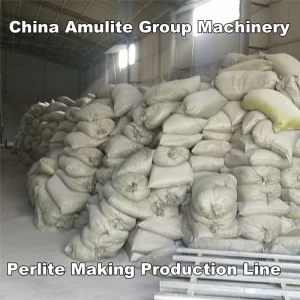
Complete ore preheating, expansion furnace, and grading classifier plant ideal for lightweight concrete applications.
Explore Technical Details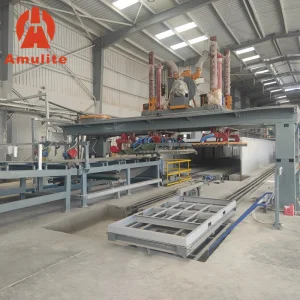
Automated Hatschek process line engineered for weather-resistant industrial roofing sheets serving coastal Maharashtra.
Explore Technical Details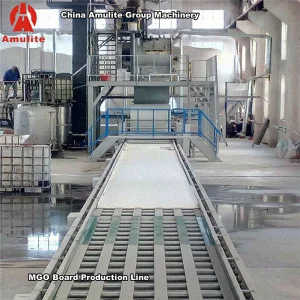
High-capacity fireproof building board line utilizing glass-fiber mesh reinforcement for commercial interiors.
Explore Technical Details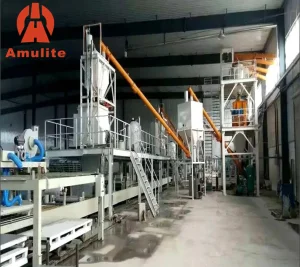
Extruded polystyrene insulation panel line featuring continuous lamination for waterproof wall assemblies.
Explore Technical Details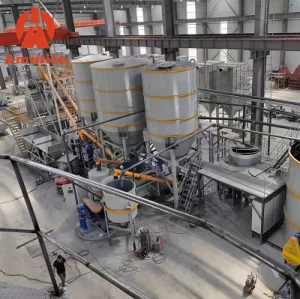
Lightweight partition wall panel line engineered for rapid prefab construction and modular housing across India.
Explore Technical DetailsRequest a comprehensive engineering proposal, localized layout design, wear-part life calculation, and direct factory pricing tailored to your Maharashtra project requirements.