Top-tier manufacturing lines tailored for Pakistani climatic conditions, optimized for local raw materials, high throughput, and long-term operating efficiency.
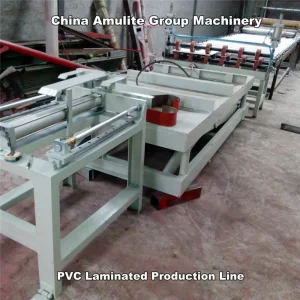
Fully automated PVC film laminating equipment designed for high humidity tolerance and seamless operation across Pakistani ceiling board plants.
Explore Line Details →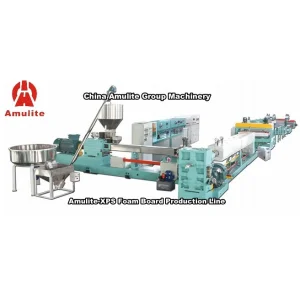
Eco-friendly, CO2-foamed insulation board line providing superior thermal resistance for green commercial projects in Lahore, Karachi, and Islamabad.
Explore Line Details →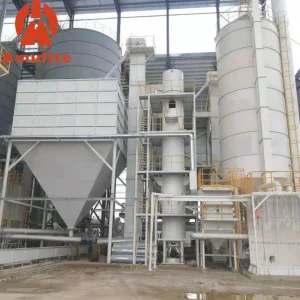
High-efficiency vertical furnace expansion system producing lightweight, fire-rated insulation core panels for industrial facilities.
Explore Line Details →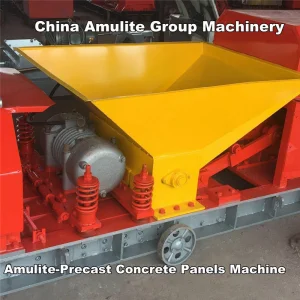
Robust precast concrete forming machinery ideal for rapid infrastructure development and large-scale modular construction projects.
Explore Line Details →A comprehensive analysis of how automated PVC laminated production lines are replacing traditional interior finishing methods across South Asia.
The global construction sector is undergoing a structural transition from wet trade plastering to dry modular interior solutions. Modern architectural specifications demand materials that offer high speed of installation, acoustic attenuation, flame retardancy, and superior aesthetic flexibility. Among these solutions, PVC laminated gypsum ceiling tiles and PVC laminated functional wall boards have emerged as the primary choice for commercial offices, healthcare facilities, educational institutions, and residential developments worldwide.
In the global market, automated lamination machinery has evolved beyond simple roll-coating. State-of-the-art lines integrate precision tension control, non-solvent PUR hot-melt adhesive dosing systems, infrared foil pre-heating, automatic edge wrapping, and real-time vision-based defect inspection. This shift drastically reduces raw material wastage, eliminates VOC emissions during manufacturing, and guarantees high bonding strength capable of withstanding extreme environmental humidity variations.
Pakistan represents one of the fastest-growing building material markets in South Asia. Rapid urbanization across metropolitan hubs like Karachi, Lahore, Rawalpindi-Islamabad, and Faisalabad, paired with massive infrastructure investments under the China-Pakistan Economic Corridor (CPEC), has created unprecedented demand for interior finishing products.
However, Pakistan’s unique climatic conditions pose severe challenges to traditional building materials:
Historically, a significant portion of PVC laminated ceiling tiles imported into Pakistan came from overseas vendors, subjecting local distributors to currency fluctuations, freight surcharges, and import tariff barriers. Establishing localized PVC lamination production lines inside Pakistan allows manufacturers to leverage locally sourced raw gypsum boards and convert them into high-value decorative acoustic tiles (such as standard 600x600mm ceiling tiles).
By producing locally, Pakistani plant owners achieve a dramatic competitive edge: lowering production costs by up to 30%, guaranteeing prompt delivery timelines for domestic construction contracts, and capturing substantial market share in expanding regional export corridors.
An in-depth look into the mechanical engineering, automated control systems, and process workflow driving high-efficiency lamination plants.
Automated hydraulic suction lift feeders load raw substrate boards onto the processing line. High-power rotating nylon brushes and pulse vacuum cleaning units remove micro-dust particles to ensure flawless adhesive wetting.
Equipped with dual-roll precision applicators and thermal oil-heated reservoir tanks. Applies an ultra-uniform coat of polyurethane (PUR) or specialized water-based cold adhesive, matching exact density settings (30–50 g/m²).
PVC decorative film is fed via tension-controlled magnetic powder brake unwinding mandrels. Infrared heating lamps soften the film instantly before high-pressure silicone press rollers fuse the film onto the board substrate without air bubbles.
Simultaneously applies moisture-proof aluminum foil to the reverse side of the board. This dual-sided protective layer blocks capillary water ingress, vital for preventing sagging in Pakistan's high-humidity climates.
CNC-guided high-speed carbide saws execute precise ripping and cross-cutting. Automated edge profiling stations trim and bevel tile edges to standard architectural grid specifications (e.g., 595x595mm, 603x603mm).
Finished ceiling tiles pass through electrostatic dust collectors to robotic stacking arms. Tiles are stacked, automatically bundled with edge protectors, and wrapped in protective thermal shrink film ready for container shipment.
| Parameter / Parameter Class | Standard Commercial Line | High-Speed Industrial Line | Heavy-Duty Continuous EPC Line |
|---|---|---|---|
| Designed Annual Capacity | 2,000,000 - 5,000,000 m² | 5,000,000 - 12,000,000 m² | 12,000,000 - 25,000,000 m² |
| Substrate Compatibility | Gypsum Board, PVC Board | Gypsum, Fiber Cement, MGO | Universal Multi-substrate Board |
| Line Speed (m/min) | 15 - 35 m/min | 35 - 60 m/min | 60 - 90 m/min (Continuous Feed) |
| Adhesive Type | Water-based PVAc / Acrylic | PUR Hot-Melt & Cold PVA Dual | Solventless High-Speed PUR Hot-Melt |
| Lamination Thickness Range | 7.0 mm - 15.0 mm | 4.0 mm - 25.0 mm | 3.0 mm - 35.0 mm |
| Automation Level | Semi-Automated PLC Control | Fully Automated Siemens S7-1500 | Industry 4.0 Smart SCADA Network |
| Installed Power Load | ~ 45 kW | ~ 85 kW | ~ 135 kW |
| Labor Requirement per Shift | 4 - 5 Operators | 2 - 3 Operators | 1 - 2 Supervisory Engineers |
Amulite machinery exported to Pakistan is integrated with wide-voltage variable frequency drives (VFDs) and uninterrupted power supply (UPS) bypass circuits for PLC memory protection. This ensures that transient voltage fluctuations or sudden industrial power cuts do not freeze glue rollers or damage semi-laminated boards on the conveyor line.
Demonstrated performance metrics and forward-looking innovations powering next-generation modular production plants.
Future-proof Amulite lines integrate high-resolution linear camera inspection systems at the output stage. Powered by computer vision algorithms trained on thousands of surface anomalies, the system flags micro-scratches, air pockets, foil misalignments, or edge chips in real-time, automatically sorting sub-standard tiles without interrupting production.
As global environmental regulations tighten, Amulite is pioneering 100% solventless Polyurethane (PUR) hot-melt technology across South Asian factories. PUR adhesives create a moisture-cured chemical bond that is completely impervious to water vapor, withstands temperatures from -40°C to +120°C, and emits zero volatile organic compounds during plant operation.
In-depth technical answers addressing operational, economic, and engineering queries regarding PVC lamination machinery installation in Pakistan.
Based on operational data from our existing plants in South Asia, local production of 600x600mm PVC laminated ceiling tiles typically yields a complete capital payback within 12 to 18 months. Local manufacturers benefit from substantial margins by purchasing raw base boards locally, laminating them with high-definition PVC film and backing foil, and supplanting expensive imported finished tiles.
Yes. Amulite lines are engineered with adaptable feed roller tensioners and dual-stage surface calibration sanders/dusters. This guarantees smooth lamination even when handling slight thickness tolerances or surface roughness common in locally produced gypsum or calcium silicate boards in Pakistan.
China Amulite Group dispatches dedicated mechanical and electrical field service engineers directly to your plant location in Pakistan (Karachi, Lahore, Faisalabad, etc.). Our engineers supervise factory foundation checking, machine assembly, electrical wiring, trial runs, raw material adhesive formulation, and train local staff until full production speed is achieved.
The combination of a front PVC decorative film face and a protective aluminum foil backing creates a hermetically sealed barrier around the gypsum core. Moisture vapor cannot penetrate the tile, completely eliminating sagging, edge-curling, surface staining, and fungal growth even in relative humidity exceeding 90%.
A standard 5-million m²/year automated lamination line requires a workshop footprint of approximately 60 meters in length by 8 meters in width. Power requirements average 85 kW (380V, 50Hz, 3-phase). Compressed air supply of 0.6–0.8 MPa is required for pneumatic knife systems and suction loaders.
Explore our extended catalog of heavy-duty machinery for crushing, brick making, board punching, profiling, and structural wall sheet production.
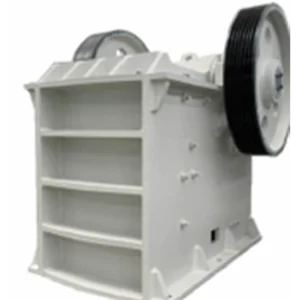
Heavy quarry crushing machinery engineered for high aggregate output in Pakistan construction and mining operations.
View Product Specs →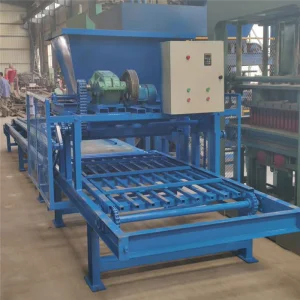
High-pressure hydraulic brick pressing plant tailored for eco-friendly masonry block manufacturing across Punjab & Sindh.
View Product Specs →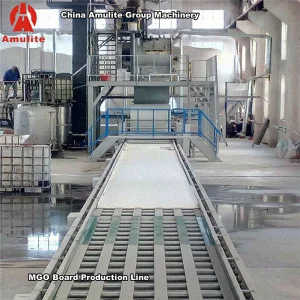
Advanced non-combustible MGO board plant producing high-strength interior wall sheathing and acoustic sub-floor panels.
View Product Specs →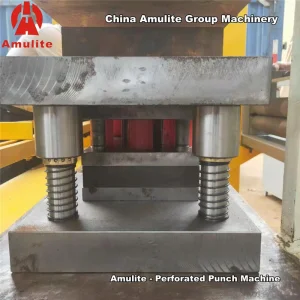
Automated punching equipment for creating high-performance acoustic ceiling pattern holes in gypsum and fiber cement tiles.
View Product Specs →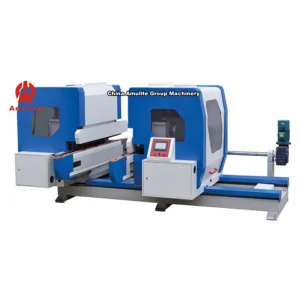
Heavy-duty precision surface sanding and thickness calibrating station designed for continuous industrial board production.
View Product Specs →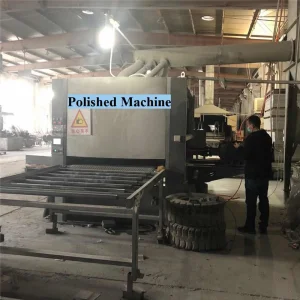
Automated polishing unit delivering high-gloss and ultra-smooth finishes for high-end decorative building sheets.
View Product Specs →
Multi-functional lamination line capable of handling thin PVC film, decorative foil, and heavy polymer sheet overlays.
View Product Specs →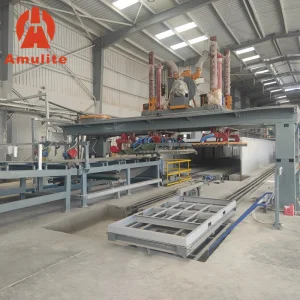
High-capacity machinery for producing weather-resistant, non-asbestos roofing sheets for agricultural and industrial warehouses.
View Product Specs →