Industrial Precast Engineering

Famous Hollow Core Concrete Panels Machine Factory & Company

Architecting Next-Generation Extrusion Technology, High-Frequency Slipformer Systems, and Automated Turnkey Manufacturing Lines for Global Infrastructure

Primary Machinery Catalog

Featured Production Lines & Equipment

Explore our core precast concrete, fiber cement, and industrial building material machinery lines currently deployed worldwide.
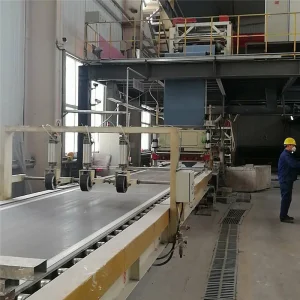
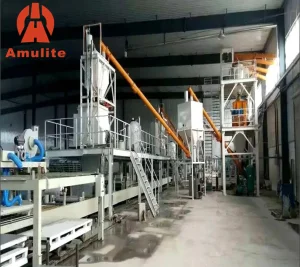
China Gypsum Board Production Line Supplier, Factories

China Gypsum Board Production Line Supplier, Factories

View Equipment Details
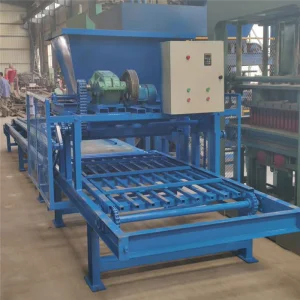
China Automatic Bricks Making Production Line Manufacturers

China Automatic Bricks Making Production Line Manufacturers, Products

View Equipment Details
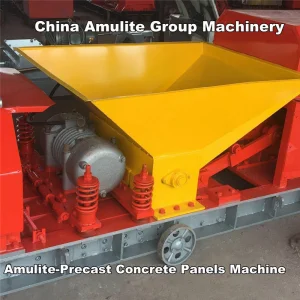
Best Precast Concrete Products Machinery Manufacturers

Best Precast Concrete Products Machinery Manufacturers, Products

View Equipment Details
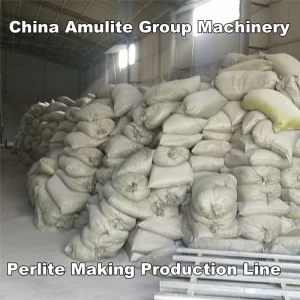
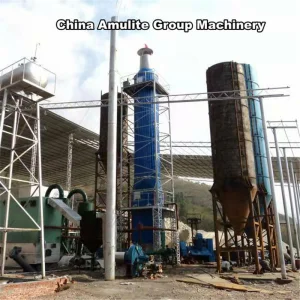
Buy Perlite Production Line Manufacturers

Buy Perlite Production Line Manufacturers, Company

View Equipment Details
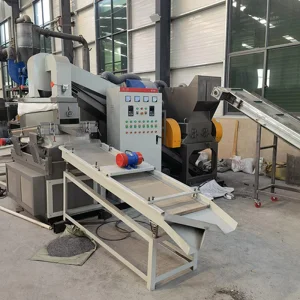
Buy Copper Wire Recycling Machine Companies

Buy Copper Wire Recycling Machine Companies, Products

View Equipment Details
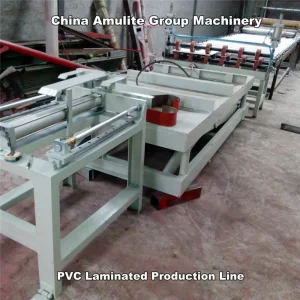
China PVC Laminated Production Line Factories

China PVC Laminated Production Line Factories, Products

View Equipment Details
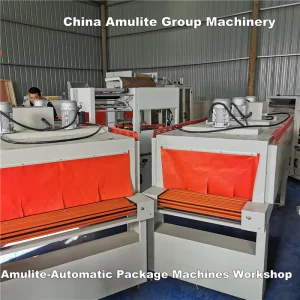
Famous Automatic Package Machines Workshop Factory

Famous Automatic Package Machines Workshop Factory, Company

View Equipment Details
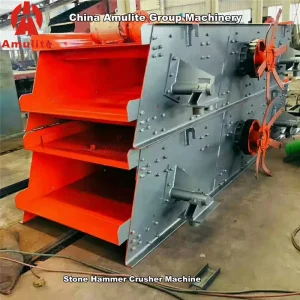
OEM Stone Hammer Crusher Machine Suppliers

OEM Stone Hammer Crusher Machine Suppliers, Factory

View Equipment Details
Macro Industry Insight

The Global Shifts Driving Hollow Core Concrete Panel Automation

Analyzing procurement shifts, structural efficiency gains, and carbon-reduction imperatives in modern industrialized construction.

40%
Weight Reduction vs Solid Slabs
60%
Faster On-Site Erection
1860 MPa
Prestressing Strand Yield Strength
Zero
Formwork Timber Waste

Urbanization & Labor Shortages

Global civil engineering faces severe skilled labor deficits. Modern hollow core concrete panels machine factories answer this challenge by shifting site labor to controlled factory environments. Extrusion and slipformer technologies automate casting, reducing physical headcount requirements by up to 75% per square meter of slab produced.

Structural Optimization

Hollow core slabs utilize continuous longitudinal voids. This engineered design reduces concrete mass by 30% to 45% without sacrificing flexural strength or structural load bearing capacity. Reduced dead load translates to lighter foundation designs and lower seismic mass for high-rise commercial structures.

Global Sustainability Mandates

With embodied carbon compliance gaining regulatory enforcement (e.g., EU Green Deal, LEED v4.1), automated hollow core slipformer and extruder machines enable precise cement-to-aggregate formulations using dry-cast concrete (low water-binder ratio of 0.28–0.32), cutting overall CO2 footprint per span significantly.

Technical Deep-Dive

Machine Engineering: Extrusion vs. Slipformer Systems

A rigorous comparison of mechanical core formation, vibration dynamics, and prestressing methodologies.

Performance Specification Extruder System (Auger-Driven) Slipformer System (Vibration / Piston) Wet Cast Hydraulic Mold Line
Core Formation Mechanism Continuous Arch-Screw (Augers) Vibrating Tubes & Compacting Shoes Hydraulic Core Tubes (Wet Mix)
Concrete Mix Consistency Zero-Slump Dry Mix (W/C: 0.26 - 0.30) Semi-Dry Earth Mix (W/C: 0.30 - 0.34) High-Slump Wet Concrete (W/C: 0.40 - 0.45)
Production Speed Range 1.2 - 2.5 meters / minute 1.0 - 1.8 meters / minute Batch / Mold Cycle Dependent
Slab Thickness Versatility Fixed Auger Diameter (80mm - 500mm) Modular Height Change within Minutes Fixed Steel Mold Dimensions
Prestressing Wire Integration High Tensile 7-Wire Strands (up to 1860 MPa) High Tensile Strands & Top Reinforcement Standard Rebar Cages & Wire Mesh
Ideal Application Matrix Long-Span Floor Slabs & Roof Panels Beam Profiles, Lintel & Wall Panels Architectural & Insulated Sandwich Walls

Auger Gearbox & Drive Mechanics

Our heavy-duty extruder machines incorporate hardened alloy augers subjected to multi-stage induction heat treatment. Powered by planetary gearboxes engineered for extreme torque resistance, the augers compact dry-cast concrete backward, propelling the machine forward along the casting bed smoothly without external winch reliance.

High-Frequency Vibration Systems

In slipformer configurations, synchronized electric or hydraulic vibrators operate at frequencies between 4,500 and 6,000 RPM. This intense mechanical fluidization eliminates internal air pockets, ensuring pristine shear-key profiling and high compressive early strength (exceeding 30 MPa within 18 hours of curing).

Prestressing & Abutment Engineering

To resist massive tension loads (up to 250 kN per strand), concrete hollow core manufacturing plants utilize hydraulic strand tensioning pumps and multi-strand anchorage blocks. Computer-controlled tensioning software logs hydraulic pressure vectors to guarantee uniform camber across every cast slab.

Factory Automation

Turnkey Hollow Core Production Line Architecture

End-to-end operational flow from raw material aggregate dosing to automated panel sawing and storage.

1

Raw Material Dosing & Planetary Mixing

Automated aggregate bins with microwave moisture sensors feed precise ratios of sand, gravel, Portland cement, and mineral admixtures into high-efficiency counter-current planetary mixers. The water-cement ratio is dynamically adjusted per batch to maintain zero-slump consistency.

2

Abutment Cleaning & Steel Strand Laying

Long casting beds (typically 100m to 150m steel tables) are cleaned, oiled by automatic bed-cleaning robots, and strung with high-tensile prestressing steel strands pulled by motorized wire-pulling trolleys.

3

Continuous Extrusion / Slipforming

The core machine receives dry concrete from overhead flying buckets. As it travels down the track, it forms continuous hollow core slabs with smooth top finishes, calibrated side keyways, and precise longitudinal voids.

4

Accelerated Thermal Curing

Under-bed heating pipes utilizing steam, hot water, or thermal oil maintain ambient curing temperatures between 50°C and 65°C. Embedded temperature sensors monitor maturity curves to determine optimal strand release timing.

5

Diamond Blade Sawing & Automated Stacking

Programmable multi-angle diamond saw machines execute straight or angular cuts across prestressed slabs based on BIM shop drawings. Overhead clamp gantry cranes automatically lift, transport, and stack finished panels onto transport trailers.

Compliance & Quality Control

Global Procurement Standards & Regulatory Frameworks

Ensuring precast concrete machinery meets international structural codes, safety directives, and quality control protocols.

Structural Product Standards

Machinery output must comply with strict international product specifications, including EN 1168 (European Standard for Precast Hollow Core Slabs), ACI 318 (Building Code Requirements for Structural Concrete), and PCI MNL-116. Dimensional tolerances for width, height, core wall thickness, and camber must remain within ±2mm accuracy.

CE & Electrical Safety Engineering

Every extrusion unit, concrete feeder, and saw machine built in our manufacturing facility carries official CE certification compliant with the Machinery Directive 2006/42/EC and Low Voltage Directive 2014/35/EU. Electrical cabinets feature IP55 dust/waterproof ratings, equipped with Siemens S7-1500 PLCs and Schneider safety relays.

Cross-Border Procurement Criteria

EPC contractors and precast plant managers evaluating hollow core machine companies must inspect heavy structural fabrication capabilities. Critical factors include laser-aligned bed tracks, automated wear-plate adjustments, local availability of spare parts (e.g., auger shoes, core formers), and full factory acceptance testing (FAT).

Lifecycle Ecosystem

Localized Engineering Support & Operational Guarantee

Minimizing plant downtime through rapid deployment teams, remote telemetry, and preventative maintenance protocols.

Field Commissioning

Resident field service engineers dispatched globally for concrete bed foundation alignment, track laying, and initial machine calibration.

Remote IoT Diagnostics

Real-time cloud analytics monitor auger motor amperage, hydraulic pressure spikes, and vibration frequency shifts to prevent catastrophic failure.

Wear Parts Inventory

Consumables including tungsten-carbide coated augers, side forming plates, and diamond saw blades stocked globally for 48-hour delivery.

Operator Academy

Comprehensive theoretical and practical operator training programs covering concrete mix optimization, safety protocols, and daily machine maintenance.

Technical Knowledge Base

Frequently Asked Questions on Hollow Core Concrete Machines

In-depth technical answers curated by senior precast concrete machinery engineers.

What is the difference between an Extruder machine and a Slipformer machine for hollow core panels?
An Extruder machine uses rotating Archimedean screws (augers) to force extremely dry concrete (zero-slump) into the mold cavity, pushing the machine along the casting track. Extruders are highly specialized for producing high-volume hollow core floor slabs with excellent compaction and fast casting speeds. A Slipformer machine uses a combination of high-frequency vibration and reciprocating compaction pistons. Slipformers offer superior versatility, allowing operators to change slab heights, manufacture solid slabs, beams, lintels, and wall panels on the same casting bed by swapping forming modules.
What concrete mix design is required for hollow core concrete extruders?
Hollow core extruders require a zero-slump, dry-cast concrete mix with a low water-cement ratio ranging strictly between 0.26 and 0.30. Aggregates typically feature a maximum grain size of 10mm to 16mm (depending on slab thickness and core wall dimensions). Well-graded quartz sand, coarse crushed stone, high-grade Portland cement (CEM I 42.5N or 52.5R), and plasticizing admixtures are used to ensure the concrete holds its shape instantly upon exit from the machine forming tube without collapsing the voids.
How long must precast hollow core slabs cure before cut-off and tension release?
Strand release and cutting can occur once the concrete achieves its design transfer strength (typically 30 MPa to 35 MPa). Under ambient factory conditions (20°C), this process usually takes 18 to 24 hours. However, when utilizing integrated thermal bed heating (steam or circulating hot oil at 60°C), transfer strength can be achieved in as little as 8 to 12 hours, allowing plant owners to run two casting cycles per bed daily.
What typical panel dimensions can be produced on a hollow core panel production line?
Standard panel widths are manufactured universally at 1,200mm (4 feet). Panel thicknesses range from 80mm (for lightweight internal partition walls) up to 500mm (for heavy load-bearing structural roof spans reaching up to 20 meters). Core configurations vary from 4 to 8 circular, oval, or engineered shaped voids based on structural shear resistance calculations.
What infrastructure is required to establish a turnkey hollow core concrete panel factory?
A full-scale factory setup requires: (1) A covered plant hall of at least 100m to 150m in length with overhead bridge cranes (10-15 ton capacity); (2) Precision-leveled steel casting beds with integrated heating pipes; (3) An automated planetary concrete batching plant capable of delivering dry mix concrete via overhead monorail or bucket; (4) High-pressure strand tensioning equipment; (5) Automated diamond saw cutting machinery; and (6) Water recycling and slurry treatment systems.
How do augers and wear parts perform under high-abrasion dry concrete extrusion?
Because dry-cast concrete is highly abrasive, standard steel components degrade rapidly. Our factory applies tungsten-carbide hardfacing layers and chromium alloy coatings to auger flights, mold shoes, and side forming plates. Under standard operating maintenance, tungsten-treated augers achieve an operational lifespan of 30,000 to 50,000 linear meters of slab production before re-welding or replacement is required.
Extended Equipment Portfolio

Specialized Industrial Machinery & Processing Lines

Explore auxiliary systems, specialized cutting, polishing, and material recycling plants manufactured across our group facilities.
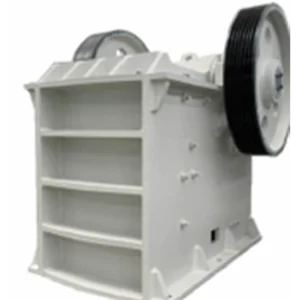
Buy Stone Hammer Crusher 6CX Euro Series Jaw Crusher

Buy Stone Hammer Crusher 6CX Euro Series Jaw Crusher Company, Product

View Equipment Details
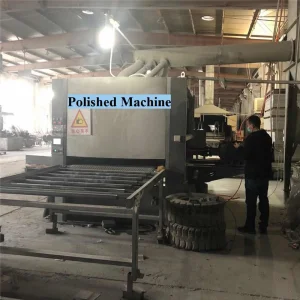
China Single Face Polished Machine Manufacturers

China Single Face Polished Machine Manufacturers, Suppliers

View Equipment Details
Buy Gypsum Powder Production Line Supplier

Buy Gypsum Powder Production Line Supplier, Product

View Equipment Details
Best XPS Insulation Tile Backer Production Line Supplier

Best XPS Insulation Tile Backer Production Line Supplier, Companies

View Equipment Details
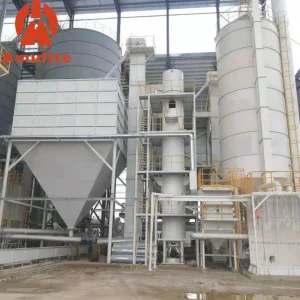
China Expanded perlite production line Supplier

China Expanded perlite production line Supplier, Products

View Equipment Details
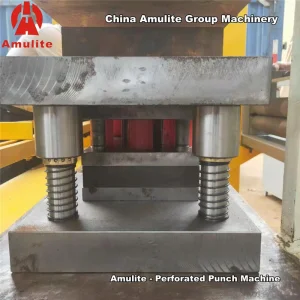
High-Quality Amulite Perforated Punch Machine System

High-Quality Amulite Perforated Punch Machine System Technical Data Manufacturer, Suppliers

View Equipment Details
Best AM806BH-10 Technical Parameters Manufacturer

Best AM806BH-10 Technical Parameters Manufacturer, Products

View Equipment Details
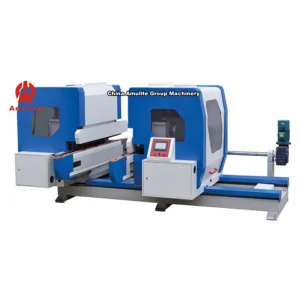
OEM 1300 II Type Automatic Four Side Edge Cutting Machine

OEM 1300 II Type Automatic Four Side Edge Cutting Machine Factory, Companies

View Equipment Details