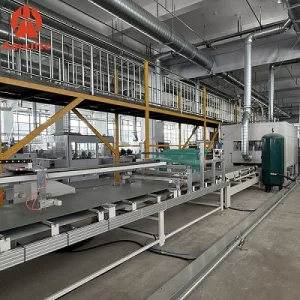
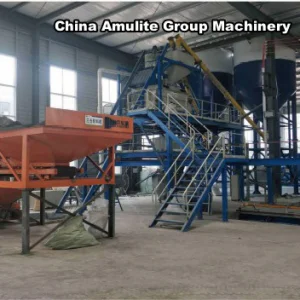
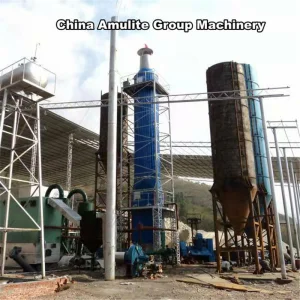
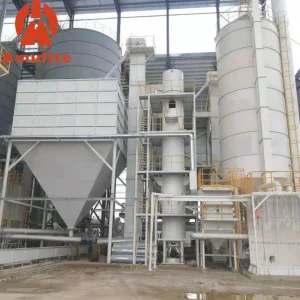
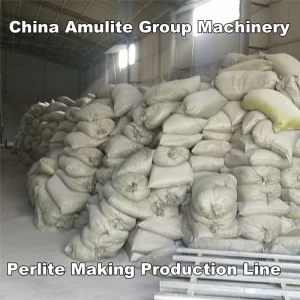
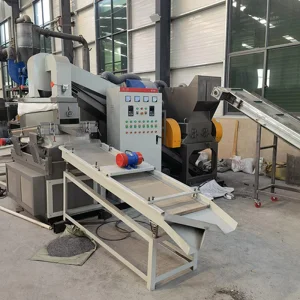
Precision-engineered manufacturing lines designed for high-density fiber cement, calcium silicate, XPS foam, and lightweight cement composite wall panels.
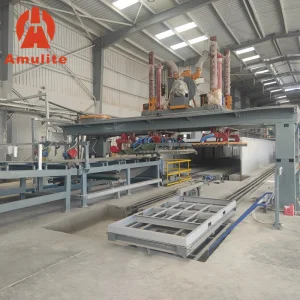
Analyzing the shift from traditional wet-construction methods to automated, low-carbon, high-precision off-site manufacturing systems.
The global construction sector is undergoing an unprecedented paradigm shift toward off-site prefabricated precast elements, modular building systems, and energy-efficient building envelopes. According to global industrial market analyses, the worldwide prefabricated building market size is projected to expand at a compound annual growth rate (CAGR) exceeding 7.8% through 2032. Driving this transformation is the urgent market demand for accelerating construction timelines, reducing labor overheads, minimizing site material wastage, and satisfying stringent international ESG (Environmental, Social, and Governance) compliance directives.
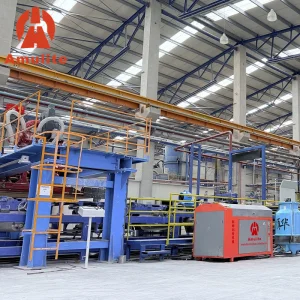
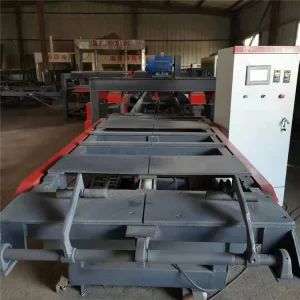
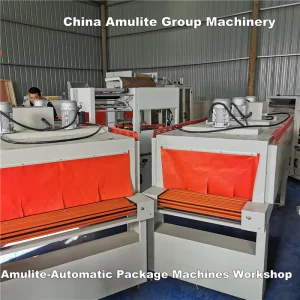
At the center of this industrial revolution is the advanced China Wall Panel Forming Machine infrastructure. Historically limited to basic roll-forming mechanisms, modern Chinese engineering conglomerates—exemplified by enterprise leaders such as China Amulite Group—have elevated wall panel production technology into automated, multi-disciplinary manufacturing ecosystems. Integrating advanced material dosing, continuous slurry dewatering, high-pressure hydraulic compaction, autoclave hydrothermal curing, and automated digital stacking, these machines serve as the foundational backbone for modern civil and commercial infrastructure projects globally.
Industrial buyers often evaluate machinery strictly on upfront Capital Expenditure (CapEx). However, real economic yield in board manufacturing is determined by Operational Efficiency (OpEx), raw material adaptability, energy recovery ratios, and line uptime. Modern Chinese forming lines engineered with industrial PLC feedback loops reduce raw material waste by up to 14% while lowering kilowatt-hour consumption per square meter of finished board by 22% compared to legacy European systems.
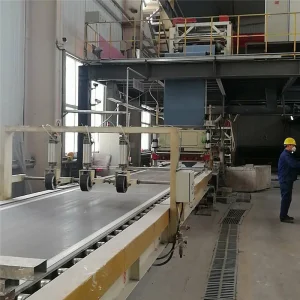
Precision hydraulic engineering, continuous Hatschek slurry processes, and automated multi-layer extrusion technologies.
Utilizing 3 to 8 multi-vat cylinder forming units with vacuum dewatering belts to ensure ultra-high density, uniform sheet thickness, and superior flexural strength across diverse board formulations.
Siemens and Schneider hardware integrated with proprietary PLC algorithms for real-time density monitoring, precision cutting alignment, auto-oiling, and robotic stacker synchronization.
High-pressure steam curing vessels (1.0–1.3 MPa at 175°C–195°C) inducing Tobermorite crystalline reactions for zero shrinkage, maximum dimensional stability, and Class A1 fire rating.
| Machinery Type | Primary Raw Materials | Annual Output Capacity | Density Range (g/cm³) | Key Applications |
|---|---|---|---|---|
| Fiber Cement / Calcium Silicate Line | OPC, Quartz Sand, Kraft Pulp, Wollastonite | 1,000,000 – 30,000,000 m² | 1.0 – 1.7 g/cm³ | Exterior Cladding, Interior Partitions, Ceilings |
| EPS Sandwich Cement Panel Line | Cement, EPS Beads, Fly Ash, Sand, Facing Board | 200,000 – 2,000,000 m² | 0.5 – 0.8 g/cm³ | Lightweight Load-bearing Walls, Prefab Housing |
| Automatic AAC Block & Panel Line | Lime, Silica Sand / Fly Ash, Cement, Aluminum Powder | 50,000 – 600,000 m³ | 0.4 – 0.7 g/cm³ | Thermal Insulation Blocks, Structural Floor Panels |
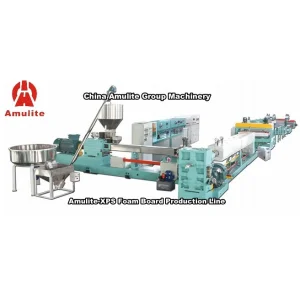
| CO2 XPS Foam Board Production Line | Polystyrene Resin, Eco-Friendly CO2 Foaming Agent | 150,000 – 500,000 m³ | 0.028 – 0.045 g/cm³ | Cold Chain Logistics, Floor Insulation, Roof Panels |
Engineering customized machinery configurations adapted to regional raw material chemistry, climate stress, and international building codes.
One of the vital principles emphasized in Google's Quality Rater Guidelines is demonstrating real-world operational experience and context-aware authority. Building material production lines cannot follow a "one-size-fits-all" engineering template. Industrial environments in North America, Southeast Asia, the Middle East, and Eastern Europe require localized machinery adaptations:
High-humidity climate resistance engineering. Machines are calibrated to produce ultra-low water absorption fiber cement boards utilizing local high-silica volcanic ash and unbleached kraft pulp, passing rigorous weatherometer testing.
Focus on extreme thermal insulation and rapid installation. Extruded EPS cement sandwich panel lines designed to yield hollow-core structural elements certified under Civil Defense 4-Hour Fire Endurance standards.
Strict CE Marking, ISO 14001 environmental management, and zero-asbestos compliance. Systems engineered with enclosed dust extraction units, water recycling circuits, and Noise Emission Control guarding.
The integration of Artificial Intelligence, Computer Vision quality inspection, and carbon-capture mineral curing.
The next decade of wall panel machinery development will focus on three core technological frontiers designed to drive zero-carbon prefabrication:
Implementing multi-camera machine vision scanning directly post-cutting. Laser triangulating sensors automatically adjust hydraulic press pressures to correct thickness deviations down to ±0.05mm in real time.
Injecting industrial flue-gas CO2 directly into curing chambers during the calcination and hydration phases. This permanently locks carbon monoxide within the calcium silicate substrate, enhancing structural strength while offsetting plant carbon credits.
Cloud-connected PLC cabinets allowing OEM factory engineers to remotely analyze vibration metrics on main drive motors, monitor autoclave steam valve wear, and deploy over-the-air firmware updates to prevent unscheduled plant downtime.
Expert answers covering plant capacity sizing, raw material selection, installation lead times, and quality assurance.
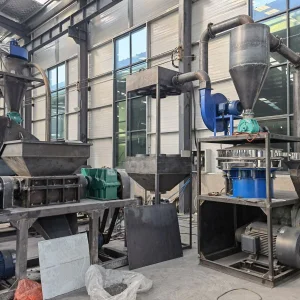
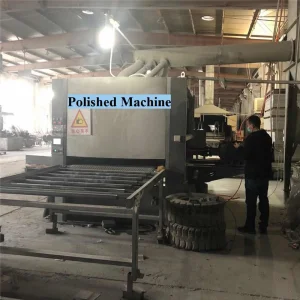
High-precision finishing tools, recycling machinery, AAC block lines, and expanded perlite processing systems.