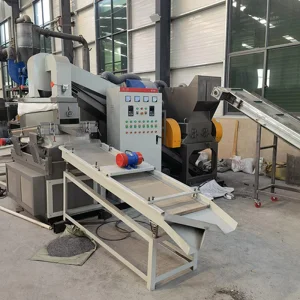
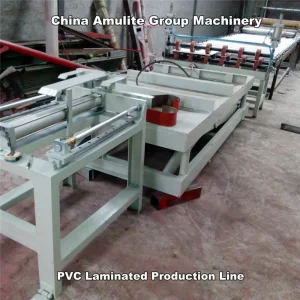
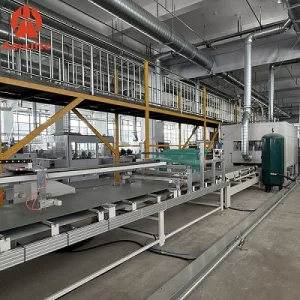
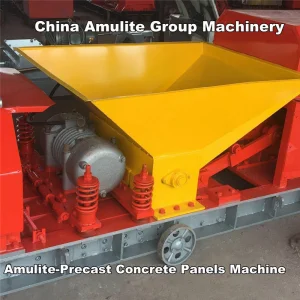
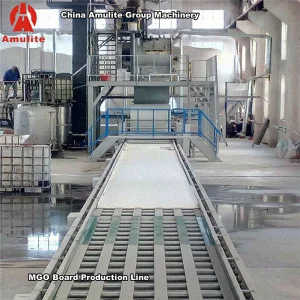
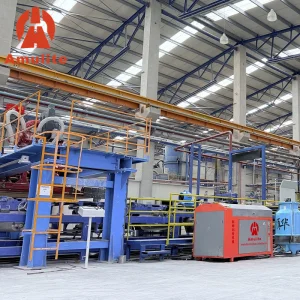
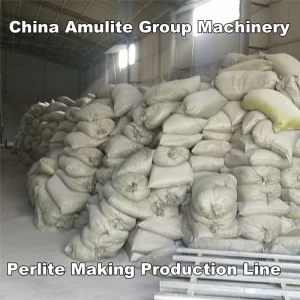
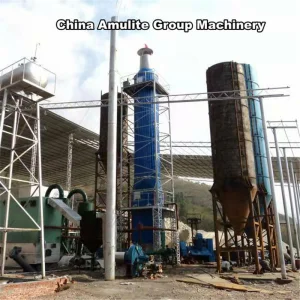
Advanced engineering machinery solutions engineered for sustainable building material output, high line speeds, and strict operational precision.
Analyzing market shifts toward sustainable cladding, automated offsite drywall construction, and high-efficiency production lines from China manufacturers.
The global construction sector is undergoing a structural transition toward rapid offsite assembly, lightweight building materials, and low-carbon architectural envelopes. Traditional masonry and wet-plaster techniques are increasingly superseded by engineered non-metallic wall boards, including Fiber Cement Boards (FCB), Calcium Silicate Boards (CSB), Lightweight EPS Sandwich Panels, and Magnesium Oxide (MgO) Fireproof Boards. This transition is driven by severe labor shortages in developed markets, stringent urban fire-safety regulations (such as EN 13501-1 A1 non-combustibility ratings), and demanding thermal efficiency benchmarks (ASHRAE 90.1 / EU NZEB standards).
As the demand for prefabricated interior partitions and weather-resistant exterior facade systems grows, the global procurement focus has gravitated toward China interior and exterior wall board production line suppliers. Chinese machinery builders have evolved from component assemblers into full turnkey process engineering authorities. By integrating heavy mechanical fabrication with industrial PLC automation, real-time slurry diagnostics, and closed-loop heat recovery autoclaving, top-tier Chinese OEMs provide scalable production line solutions that dramatically lower global capital expenditure (CAPEX) while matching or exceeding European operational parameters.
High-density fiber cement cladding lines produce zero-asbestos exterior boards rated for extreme weather, UV degradation, and A1-class fire resistance in high-rise structures.
Interior calcium silicate and EPS sandwich panel equipment optimizes acoustic attenuation (STC 45-55dB) and thermal insulation for modern modular housing.
China-engineered production lines reduce initial capital outlay by 35% to 50% compared to Western counterparts, delivering accelerated ROI for global industrial ventures.
| Board Type | Primary Raw Materials | Forming Process | Density Range | Primary Application |
|---|---|---|---|---|
| Fiber Cement Board | OPC Cement, Quartz Sand, Kraft Pulp, Additives | Hatschek Wet Slurry Deposition | 1.2 - 1.7 g/cm³ | Exterior Cladding, Ventilated Facades, Wet Area Linings |
| Calcium Silicate Board | Lime, Quartz Powder, Cellulose Fiber, Wollastonite | Flow-On / Hatschek + Autoclave Hydrothermal Synthesis | 0.8 - 1.2 g/cm³Interior Fireproof Ceilings, Drywall Partitions, Industrial Insulation | |
| EPS Sandwich Wall Panel | Cement, EPS Beads, Sand/Fly Ash, Fiber Cement Skins | Vertical Mould Core Injection / Continuous Lamination | 550 - 800 kg/m³Lightweight Load-Bearing Walls, Prefab Steel Structures | |
| Magnesium Oxide Board (MgO) | Active MgO, MgCl₂ / MgSO₄, Glass Fiber Mesh, Perlite | Continuous Mesh Roll Layup & Chemical Reaction Curing | 0.9 - 1.4 g/cm³Fire-Rated Shaft Walls, Subflooring, SIP Panel Substrates |
Exploring next-generation Hatschek multi-vat forming, smart closed-loop dewatering, and carbon-neutral binding chemistries.
Modern lines integrate 3 to 8 vat slurry deposition cylinders with pneumatic doctor blades, ensuring micro-layer thickness accuracy under ±0.1mm and eliminating structural delamination.
High-efficiency vacuum boxes equipped with variable frequency drives (VFD) dynamically adjust dewatering curves based on slurry viscosity, reducing moisture content prior to pre-pressing.
Hydrothermal reaction vessels operating at 1.2–1.4 MPa steam pressure (190°C) convert silica sand and lime into crystalline Tobermorite C-S-H matrix, delivering zero-shrinkage board stability.
Integrated laser sensors and AI computer vision scan board edges, surface planarity, and density profiles in real-time, automatically ejecting out-of-spec sheets without interrupting line flow.
The next decade of wall board manufacturing belongs to sustainable binder chemistries. Advanced Chinese suppliers are leading the development of production lines capable of utilizing industrial by-products—such as fly ash from power plants, blast furnace slag, desulfurization gypsum, and recycled cellulose fibers. By replacing a portion of standard Portland cement with pozzolanic industrial waste, plant operators can cut embodied carbon per square meter of board by 30% to 45% while decreasing raw material procurement costs.
Why international project developers and board manufacturers partner with Chinese industrial clusters for turn-key machinery projects.
China’s dominant position in the global supply of interior and exterior wall board production lines stems from an unmatched industrial cluster ecosystem. Concentrated across provinces like Hebei, Shandong, and Jiangsu, Chinese machinery builders benefit from immediate access to heavy steel fabrication bases, precision CNC machining hubs, specialized gear reducer manufacturers, and world-class PLC automation integrators (Siemens, Schneider, and Omron partnerships).
From heavy autoclave shell welding and mechanical stress-relieving to forming drum precision grinding, zero critical component manufacturing is outsourced.
Proximity to major international deep-water seaports (Tianjin, Qingdao, Shanghai) enables rapid flat-rack and open-top container shipping of ultra-wide equipment.
Pre-engineered structural skids and plug-and-play electrical cabinets reduce field installation timelines from 6 months down to less than 90 days.
Tailoring wall board production machinery and raw material formulations to diverse climatic zones and regional building codes worldwide.
Target Markets: Southeast Asia (Indonesia, Vietnam, Thailand), Latin America (Brazil, Colombia).
Lines configured for tropical zones prioritize hydro-phobic siloxane chemical dosing systems and high-pressure autoclaving. The resulting fiber cement boards exhibit near-zero moisture movement (<0.12%), completely preventing fungal growth, warping, and delamination in 100% relative humidity environments.
Target Markets: Central Asia (Uzbekistan, Kazakhstan), Japan, Chile, Turkey.
Focuses on high-flexural strength (MOR >16 MPa) fiber-reinforced boards and lightweight EPS sandwich panels. These lightweight wall assemblies absorb lateral shear forces during seismic events while delivering thermal insulation performance in sub-zero winters.
Target Markets: Middle East (Saudi Arabia, UAE, Qatar), North Africa (Egypt, Algeria).
Wall board lines incorporate rapid automated curing tunnels and precise thermal control. Heavy-duty Calcium Silicate and MgO fireproof boards manufactured on these systems offer superior thermal barrier capabilities, reducing air-conditioning loads in commercial complexes.
Ensuring full alignment with global machinery safety standards, international building codes, and lifecycle operational support.
All mechanical and electrical systems comply strictly with CE Machinery Directive 2006/42/EC, ISO 9001:2015 quality management systems, and ASME pressure vessel guidelines for steam autoclaves.
Before equipment dispatch, our in-house materials laboratory conducts chemical assays and trial batchings using your locally sourced cement, sand, lime, and pulp to guarantee target board properties.
Resident engineering teams provide on-site civil layout planning, mechanical erection, PLC electrical integration, formulation tuning, and local workforce training until stable commercial output is achieved.
Direct technical answers addressing key decision factors for investors, engineers, and plant operators.
Annual output ranges from 2 million m² to over 20 million m² per line, depending on sheet machine width (standard 1,300mm to 1,600mm), the number of forming cylinders (3 to 8 vats), board thickness spectrum (4mm to 30mm), autoclave capacity, and line automation levels.
Yes. Every line engineered by leading Chinese suppliers is customized to match locally available raw materials—such as regional Ordinary Portland Cement (OPC), silica sand, fly ash, agricultural fibers, or local waste pulp. Raw material testing is performed prior to manufacturing design.
Manufacturing lead time typically takes 90 to 150 days. On-site civil foundations, mechanical installation, electrical wiring, and trial batch commissioning take an additional 60 to 90 days under direct supervision of resident field engineers.
Autoclaved lines use high-pressure steam curing (1.2 MPa, 190°C) to induce a chemical hydrothermal reaction between silica and lime, yielding high-density, dimensionally stable, zero-shrinkage boards for exterior walls. Non-autoclaved lines rely on air-curing or room-temperature hydration, ideal for lightweight interior partition boards with lower CAPEX investment.
Modern production lines feature closed-loop vacuum water recycling (reducing process water waste by up to 95%) and autoclave exhaust steam heat exchangers that re-use thermal energy for slurry pre-heating and pre-curing chambers.
Core PLC automation systems use globally supported brands (Siemens / Schneider / ABB). Critical mechanical wear parts (forming belts, doctor blades, cutter knives) are standardized, and lines are fitted with remote IoT diagnostics modules for real-time online troubleshooting.
Complementary auxiliary machinery systems for total raw material recycling, surface finishing, and high-precision board trimming.
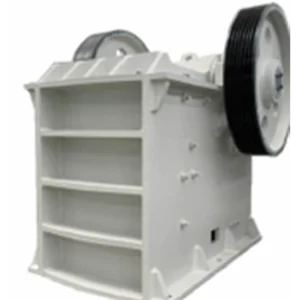
Buy Stone Hammer Crusher 6CX Euro Series Jaw Crusher Company, Product
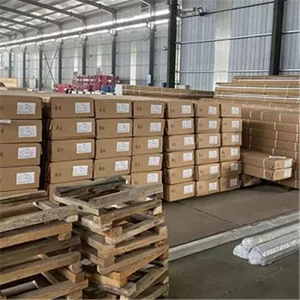
High-Quality Embossed Metal Composite Exterior Panels Production Line Manufacturers, Company
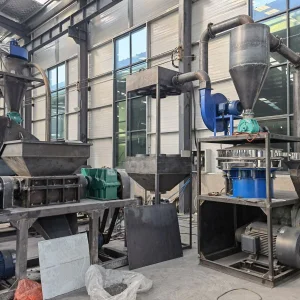
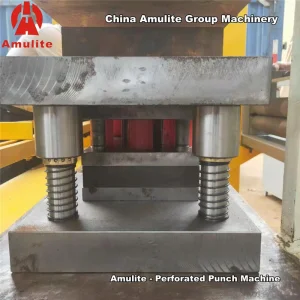
High-Quality Amulite Perforated Punch Machine System Technical Data Manufacturer, Suppliers
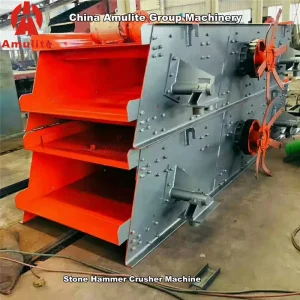
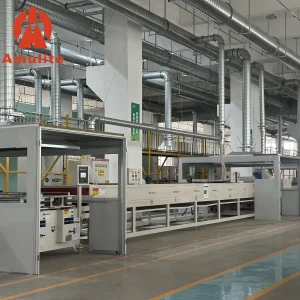
OEM UV Coating/Painting Production Line Manufacturer, Factories
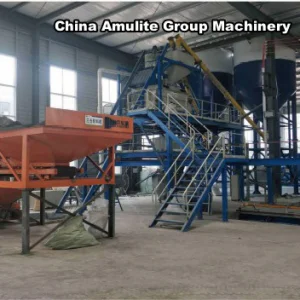
Buy Hollow Core Wall Panels Production Line Factory, Factories
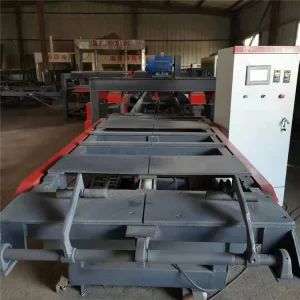
OEM 1300 II Type Automatic Four Side Edge Cutting Machine Factory, Companies