Engineered for high structural rigidity, precision displacement control, and maximum energy efficiency across heavy manufacturing environments.
Analyzing the technological transition toward high-precision, servo-driven hydraulic compression systems across global industrial sectors.
The global industrial hydraulic press sector is experiencing a structural paradigm shift driven by stringent decarbonization mandates, the rise of Electric Vehicle (EV) lightweighting, and the deployment of Industry 4.0 smart factory automation. As global enterprises seek high-performance forming, stamping, deep drawing, and compression machinery, China has emerged as the premier manufacturing hub for advanced hydraulic press systems and heavy structural machinery. Chinese OEMs (Original Equipment Manufacturers) have transitioned from producing conventional hydraulic presses to engineering ultra-precise, servo-hydraulic systems capable of delivering multi-thousand-ton force with sub-millimeter positional repeatability.
Modern industrial procurement requires more than basic mechanical stamping capacity; modern supply chains demand Information Gain regarding Total Cost of Ownership (TCO), thermodynamic efficiency, micro-processor PID closed-loop control, and mechanical longevity. Leading Chinese hydraulic press suppliers utilize high-tensile pre-stressed frame architectures, Finite Element Analysis (FEA) structural modeling, and global-grade hydraulic manifolds (integrating Bosch Rexroth, Parker, and Eaton components) to meet international standards such as ISO 9001:2015, CE Machinery Directive 2006/42/EC, and OSHA safety regulations.
Strategic Value Proposition: Integrating Chinese hydraulic technology allows enterprise buyers to achieve up to 40% reduction in capital expenditure (CAPEX) while benefiting from 50% to 70% operational energy savings achieved through direct-drive servo motor pump architectures.
Key technical parameters, engineering audits, and operational standards mandated by tier-1 global procurement officers.
High-tonnage hydraulic operations cause elastic frame deflection. Enterprise procurement evaluates frame deflection limits (typically measured in mm/m). Top Chinese manufacturers utilize FEA-optimized tie-rod pre-stressed gantry frames, keeping frame deflection under 0.05 mm/m at 100% nominal tonnage load.
Fluid power efficiency depends on hydraulic manifold block design, cartridge valve response times, and thermal management. Modern Chinese systems incorporate proportional directional valves, closed-loop linear variable differential transformers (LVDT), and oil cooling chillers to ensure steady continuous duty cycles.
Leading global buyers demand automated recipe management, real-time pressure-displacement curve tracking, and OPC-UA protocol compatibility. Industrial Siemens S7-1500 PLC systems allow seamless integration with plant-wide MES (Manufacturing Execution Systems).
A granular examination of structural classifications, drive technologies, and mechanical configurations.
The traditional hydraulic system uses a continuously running asynchronous induction motor driving a fixed displacement gear pump or variable displacement piston pump. Surplus hydraulic oil is bypassed back to the reservoir through relief valves, resulting in continuous heat generation and significant energy loss during dwell periods.
Conversely, Chinese Servo-Hydraulic Drives employ high-torque AC permanent magnet servo motors directly coupled to internal gear pumps. Key technical advantages include:
Tailored hydraulic engineering deployed across aerospace, automotive lightweighting, construction, and recycling industries.
Heavy-duty hydraulic presses for stamping high-strength steel (AHSS), hot-stamping boron steel, and forming composite SMC/BMC battery enclosures for Electric Vehicles (EVs).
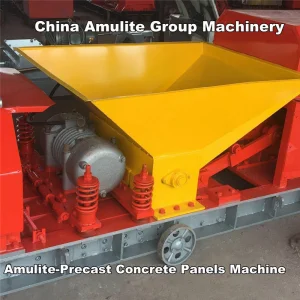
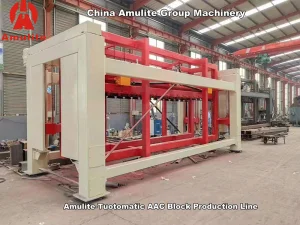
Specialized hydraulic compaction equipment for AAC block manufacturing, fiber cement board dewatering presses, gypsum board forming, and precast concrete product compaction.
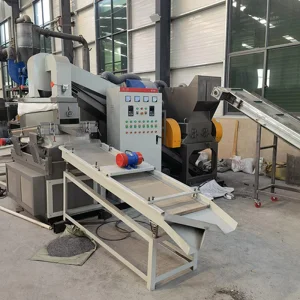
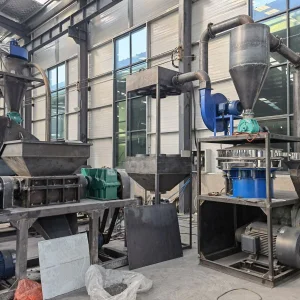
High-tonnage scrap metal balers, copper wire recycling compactors, lithium-battery crushers, and waste material compression lines designed for continuous heavy recycling operations.
Strict verification standards guaranteeing operational safety, structural integrity, and long-term reliability.
To establish E-E-A-T (Experience, Expertise, Authoritativeness, and Trustworthiness), verified Chinese hydraulic machinery manufacturers employ rigorous quality management frameworks. Factory Acceptance Testing (FAT) protocols include:
Comprehensive lifecycle assistance—from initial foundation engineering to overseas field service and spare parts dispatch.
Provision of detailed foundation layout drawings, dynamic load calculations, and anti-vibration pit guidelines prior to equipment arrival.
Deployment of senior bilingual field engineers for mechanical erection, electrical wiring, hydraulic piping, and commissioning.
Secure VPN edge-gateway connection allowing real-time troubleshooting, PLC software updates, and process optimization from central engineering hubs.
Global logistics hubs carrying critical seals, proportional valves, pressure transducers, and PLC modules for rapid 48-hour dispatch.
Emerging developments in electro-hydrostatic actuators, bio-degradable fluid mediums, and AI predictive maintenance.
The next decade of industrial pressing technology focuses on three core pillars:
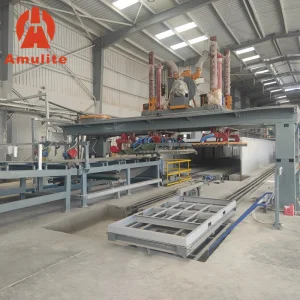
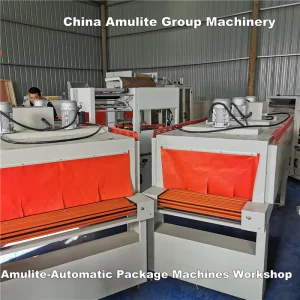
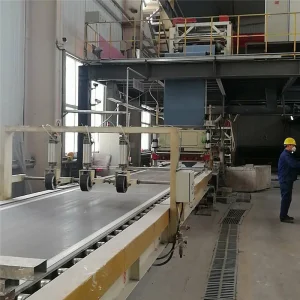
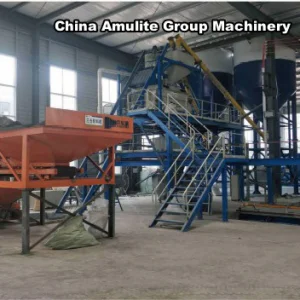
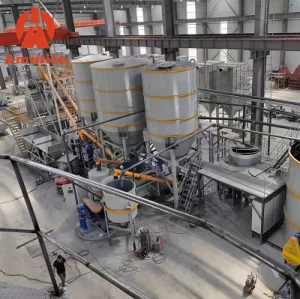
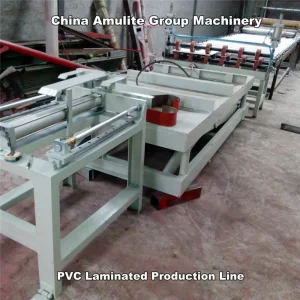
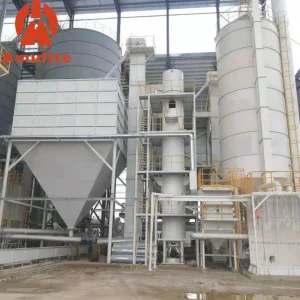
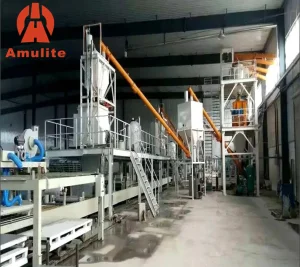
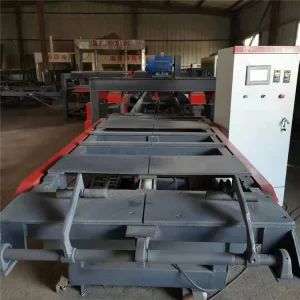
Advanced production lines, recycling machinery, and automated processing plants designed for industrial manufacturing facilities.
Expert answers addressing operational queries, ROI calculations, maintenance, and customization options.