Explore factory-tested heavy equipment engineered for precision continuous roll forming, automated board manufacturing, and structural building material fabrication.
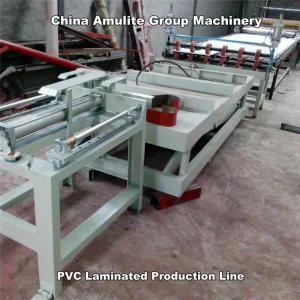
High-speed surface coating and film lamination for anti-corrosion roofing panels and ceiling board applications.
View Specifications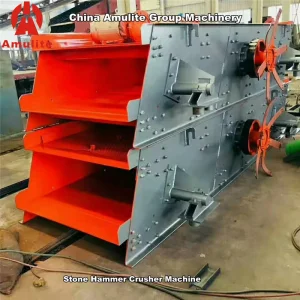
Heavy-duty aggregate and raw mineral reduction system designed for building board filler and silica preparation.
View Specifications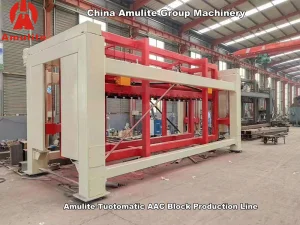
Full-scale autoclaved aerated concrete block and insulated slab plant with high-precision cutting technology.
View Specifications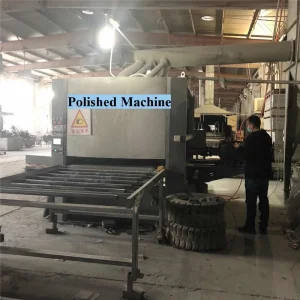
Automated surface grinding and uniform thickness calibration machinery for precast wall and roof boards.
View Specifications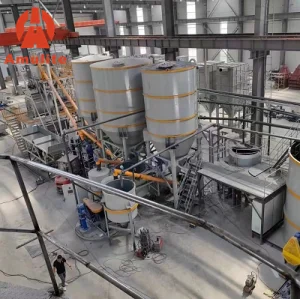
Integrated continuous production plant for lightweight core insulated wall and roof decking panels.
View Specifications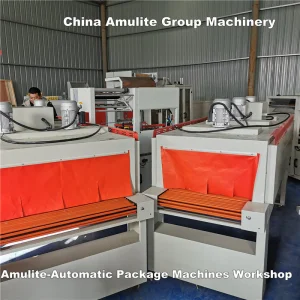
Robotic stacking, palletizing, and automated stretch wrapping stations for end-of-line manufacturing protection.
View Specifications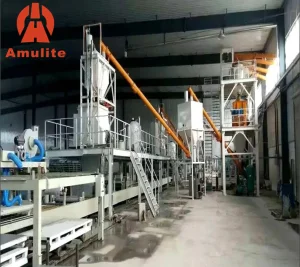
Waterproof, thermal break extruded polystyrene board manufacturing machinery for flat and pitched roof decks.
View Specifications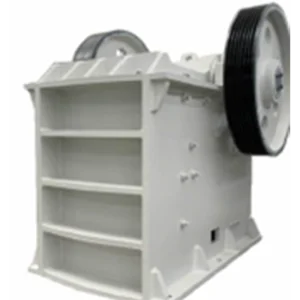
Energy-optimized primary crushing system designed for raw calcium, silica, and clinker mineral refinement.
View SpecificationsUnderstanding the shifting paradigms of continuous roll forming, cementitious Hatschek corrugated roof machines, and composite panel manufacturing across emerging and mature construction sectors.
The term Roof Panel Forming Machine encapsulates two vital industrial technologies dominating the modern building materials industry: high-speed cold metal roll forming systems (trapezoidal, standing seam, corrugated steel/aluminum), and heavy-duty Hatschek/extrusion non-asbestos fiber cement corrugated roof sheet production lines. While metal profiling excels in commercial logistics hubs, prefabricated PEB (Pre-Engineered Buildings), and rapid residential roofing, fiber cement corrugated machines represent the global standard for corrosion-proof, acoustically insulated, and chemically inert roofing across tropical agro-industrial complexes and heavy marine environments.
Global suppliers are undergoing an aggressive transition toward fully synchronized, decentralized manufacturing setups. The demand for localized production has surged due to high maritime shipping freights for finished roof profiles. Sourcing a roof panel forming machine directly from integrated Chinese engineering conglomerates enables overseas investors to establish domestic manufacturing plants, utilizing local raw materials—such as coiled galvanized steel, galvalume, Ordinary Portland Cement (OPC), silica sand, and cellulose fiber—radically curtailing landed sheet costs.
System-level engineering breakdown: from mechanical tolerance tolerances, roll-station staging, hydraulic shearing, to PLC servo automation networks.
| Subsystem Component | Technical Specification Standard | Engineering Benefit & Information Gain | Operational Lifetime |
|---|---|---|---|
| Uncoiler / De-reeler | 5T – 10T Hydraulic Expanding Mandrel with Disc Brakes | Eliminates coil slippage; integrates loop sensors for jitter-free uncoiling feeding. | 15+ Years (Heavy Duty) |
| Forming Roller Stations | 16 to 28 Progressive Passes; GCr15 / 42CrMo Forged Steel | Precision CNC machined, vacuum quenched (HRC 58-62), hard chrome coated (0.05mm). | > 12 Million Linear Meters |
| Transmission Architecture | Dual-chain drive or individual helical gear-box drives | Eliminates profile torsional distortion across high-tensile G550 structural steels. | 20,000 Continuous Hours |
| Shearing Mechanism | Hydraulic Tracking Flying Cut-off; Cr12MoV Blade | Zero-stop continuous shearing; burr-free end cuts with post-cut automated profile clearing. | 5+ Million Shear Cycles |
| Automation & Control | Siemens / Mitsubishi PLC with 10" Color HMI Touchscreen | Multi-batch recipe memory, encoder length feedback (±0.5mm), remote Ethernet telemetry. | Upgradeable Industrial Firmware |
Modern architectural profiles require processing ultra-thin, high-yield strength substrates (G550 MPa yield, 0.30mm – 0.80mm thickness). Amulite-engineered forming lines employ optimized bending radius calculations across 22+ forming passes, preventing micro-fractures in aluminum-zinc coatings and avoiding edge wave or center camber defects.
For fiber cement and calcium silicate corrugated roof applications, the wet-process Hatschek sheet machine features vacuum dewatering vats, synchronized take-up felts, and automated template-pressing corrugators. Our robotic stackers ensure that green sheets retain accurate pitch-depth ratios before autoclave curing.
Equipped with vibration transmitters, roller bearing thermal probes, and real-time load cell sensors, every roof panel line delivers predictive diagnostic telemetry directly to central industrial cloud interfaces, reducing unscheduled machine downtime by over 38%.
Tailoring equipment configurations to extreme environmental stress, regional wind-load standards, and specific agricultural or industrial chemical conditions.
Standard galvanized panels degrade rapidly in coastal environments. Our machinery specializes in double-sided PVC film laminating and stainless-steel roll forming for marine storage, harbor sheds, and desalination plant roofs requiring ASTM B117 salt spray resilience exceeding 3,000 hours.
Ammonia and organic acids present inside poultry and swine facilities rapidly corrode conventional metal roof panels. Amulite's non-asbestos fiber cement corrugated roof lines yield Class A1 fire-rated, non-rotting, condensation-mitigating roofs with zero biocide leaching and superior thermal insulation.
For mega-scale logistics hubs in hurricane and seismic zones, our lines manufacture standing seam roof systems (e.g., Klip-Lok, 360-degree double lock seaming) featuring concealed fixing clips that resist uplift pressures exceeding -5.5 kPa without penetrative screw holes.
A definitive evaluation protocol for engineering directors, procurement consultants, and investors seeking trustworthy manufacturing suppliers in China.
Never approve full machinery remittance without an exhaustive on-site or high-definition live video Factory Acceptance Test. Essential checkpoints include: continuous roll out of at least 500 meters of profile at maximum design velocity; micrometer validation of profile ribs, web flatnesses, and overlaps; thermal imaging of hydraulic pumps and variable frequency drives (VFDs); and rigorous verification of flying-shear blade clearances to prevent strip edge burring.
Unscrupulous suppliers reduce quotations by integrating refurbished motors or generic domestic automation. Ensure the machine sales contract explicitly specifies world-class electrical and hydraulic brands: Siemens or Schneider PLCs; Omron rotary encoders; Rexroth or Yuken hydraulic proportional valves; SKF or NSK bearings; and hard-chromed roller dies fabricated exclusively from forged alloy steels (GCr15, Cr12MoV, or 42CrMo).
Critical engineering answers directly from China Amulite Group’s senior design and commissioning teams.
The difference lies in four core structural aspects: (1) Frame rigidity: Premium machines use 350-400mm H-beam welded bases with stress-relief annealing rather than thin channel steel; (2) Roller metallurgy: Forged GCr15 or Cr12 vacuum-quenched steel rollers vs. surface-carburized #45 carbon steel that wears out within 18 months; (3) Transmission engineering: Solid 75-85mm high-precision ground shafts with keyway locks rather than hollow welded shafts; (4) Hydraulic system: Dual-cylinder synchronized hydraulic cut-off units with cooling heat exchangers to maintain non-stop 24/7 continuous cutting without oil overheating.
Standard roll forming tooling is engineered for a single geometry. However, Amulite provides two versatile solutions: (1) Double-Deck Roll Forming Machines, which stack two independent forming tiers on a unified chassis, sharing the motor and cut-off frame, enabling rapid switching between corrugated sinus profiles and IBR/trapezoidal box profiles; (2) Cassette-Type Quick-Change Machines, where roller shaft assemblies are mounted on quick-release sub-plates, allowing profile changeovers within 30-45 minutes.
Rather than deforming metal coils, a non-asbestos fiber cement corrugated line operates on the wet Hatschek principle. A slurry of cement, refined cellulose pulp, silica, and process water is picked up on rotating cylindrical wire sieves, layered onto a continuous felt, laminated to the desired thickness (typically 4.5mm – 6.0mm), cut into green sheets, and shaped through automated mechanical template corrugators before undergoing steam or high-pressure autoclave curing.
A continuous metal roof panel roll forming line requires a footprint of approximately 25m to 35m in length, 4m in width, and a minimum crane hook height of 5m for coil loading. Installed electrical power ranges from 18 kW to 37 kW depending on line speed and flying shear dynamics (380V/440V, 3-phase, 50/60 Hz). In contrast, a complete non-asbestos fiber cement roofing plant requires a dedicated industrial shed of at least 120m × 24m with dedicated boiler, slurry dosing, and autoclave bays.
We back all core forming machinery with a comprehensive 12-to-24-month mechanical warranty alongside lifelong remote PLC diagnostic support via industrial VPN modules. Our resident commissioning team deploys globally to manage mechanical foundation alignment, electrical hook-up, raw material testing, and local workforce operation/maintenance training until designated factory production targets are verified.
Complete your building material manufacturing ecosystem with automated corrugation lines, mineral processing, gypsum plants, and precision punching machinery.
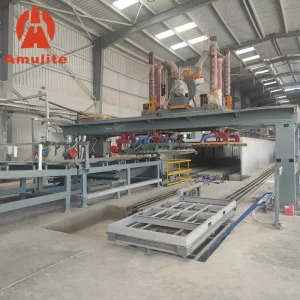
Turnkey non-asbestos industrial corrugated roof panel production plant with automated template stacking.
View Specifications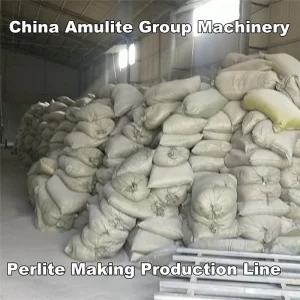
Vertical expansion furnaces generating lightweight, non-combustible insulation fillers for roof decking.
View Specifications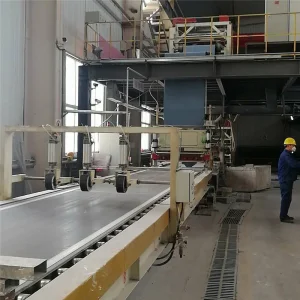
High-capacity automated paper-faced gypsum plasterboard continuous forming, drying, and bundling lines.
View Specifications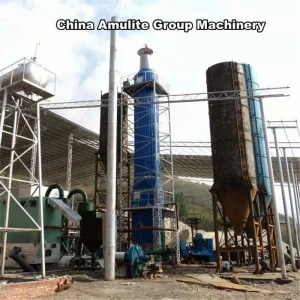
Industrial desulfurization gypsum (FGD) and natural rock calcination plants for superior raw material purity.
View Specifications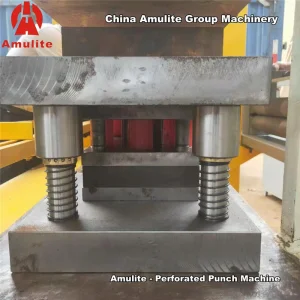
High-speed mechanical and CNC punch presses for acoustic roofing panels and architectural soffit ventilation.
View Specifications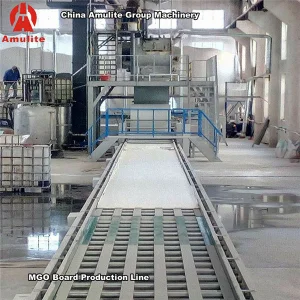
High-strength magnesium oxide / oxysulfate structural fireproof board production equipment for commercial roofs.
View Specifications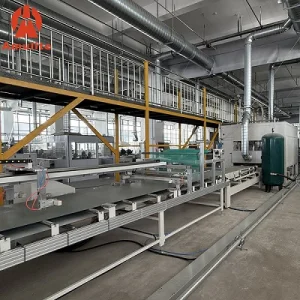
Eco-friendly architectural facade and pitched roof tile manufacturing plant with simulated natural stone grain.
View Specifications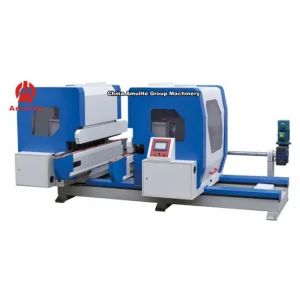
Heavy structural parameter-driven machine system for custom architectural profiles and continuous stamping.
View SpecificationsPioneering AI closed-loop auto-calibration, laser profile triangulation, and zero-carbon building panel manufacturing systems.
By pairing high-frequency laser profile scanners with servo-driven roller positioning actuators, next-generation forming lines dynamically compensate for batch-to-batch steel thickness variances and yield strength fluctuations in real-time, eliminating manual roller gap shimming completely.
Within fiber cement roof machinery, research focuses on geo-polymer hydration and high-volume supplementary cementitious materials (slag, fly ash, metakaolin). These innovative green binder solutions cut embodied carbon by up to 45% while preserving extreme freeze-thaw and bending rupture limits.
Modern production facilities run entirely synchronized operations: raw material dosing silos, automated uncoilers, continuous forming machines, inline inkjet barcode markers, and automatic bundle packing systems feed data directly into enterprise ERP and MES dashboards via OPC-UA protocols.