Explore our engineering portfolio of turnkey manufacturing solutions, automated wall panel lines, and high-capacity processing systems.
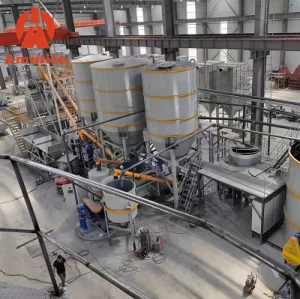
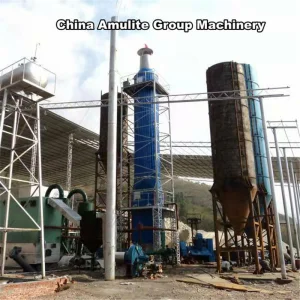
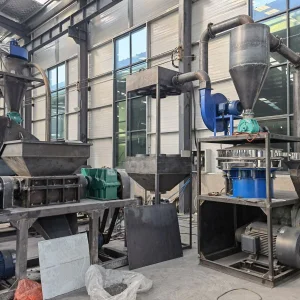
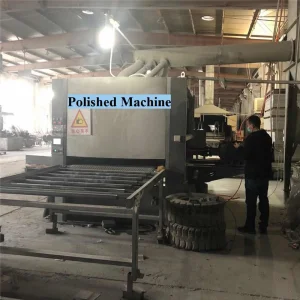
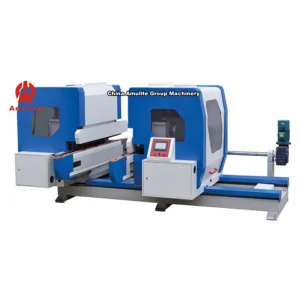
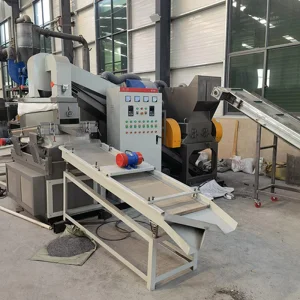
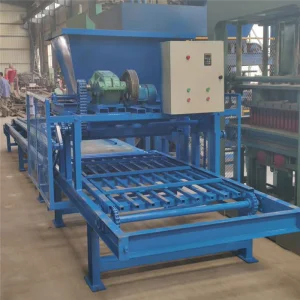
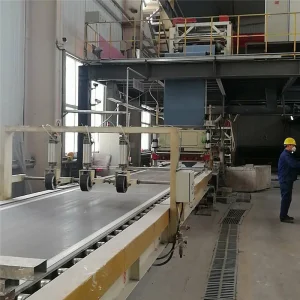
In the global industrial construction landscape, the demand for Class-A fire-rated, thermal-efficient, and structurally robust building envelopes has experienced unprecedented growth. As building codes across North America, Europe, the Middle East, and Asia-Pacific tighten regarding fire safety and energy consumption, commercial project developers and industrial park investors are rapidly shifting from conventional EPS (Expanded Polystyrene) and standard PU (Polyurethane) core panels to engineered Rockwool (Mineral Wool) Sandwich Panels.
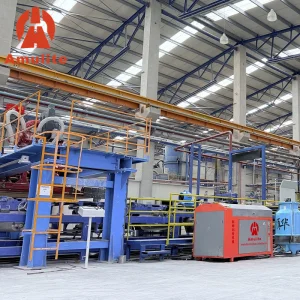
A high-capacity, continuous Rockwool Sandwich Panel Machine is a sophisticated industrial system comprising multi-stage mechanical automation, high-precision thermal bonding, synchronized flying saws, and intelligent PLC control networks. Sourcing equipment from certified manufacturers and direct OEM factories requires a deep understanding of core technological indicators, thermal curing mechanics, material yield optimization, and global compliance benchmarks.
Analyzing key structural shifts in industrial building envelope manufacturing and procurement strategies worldwide.
International building codes (such as EN 13501-1, ASTM E84, and GB 8624) increasingly mandate non-combustible Class A insulation for logistics centers, cold storage facilities, data centers, and chemical processing plants. Rockwool core panels withstand temperatures exceeding 1,000°C without releasing toxic fumes or contributing to flame spread, making specialized rockwool forming lines a mandatory asset for building panel manufacturers.
Modern Rockwool sandwich panel production lines no longer rely solely on raw fiber edges. Advanced lines integrate continuous PU/PIR side-sealing technology. By injecting high-density polyurethane at the male and female tongue-and-groove joints, the panel gains superior air tightness, enhanced moisture resistance, and structural rigidity while maintaining a 100% fireproof mineral wool core.
The rapid rise of pre-engineered steel buildings (PEB) and modular architectural structures demands continuous, automated production with micron-level tolerances. Factory-made Rockwool panels require seamless interlocking profiles to drastically reduce on-site installation labor and eliminate thermal bridging in extreme climates.
A comprehensive engineering breakdown of the 6 core operational modules required for high-yield industrial output.
The process begins with heavy-duty dual-head hydraulic uncoilers supporting 5-ton to 10-ton galvanized or prepainted steel coils (PPGI/PPGL). The steel sheet is guided into high-precision cold roll forming machines featuring 14 to 22 forming stations. Chrome-plated 45# forged steel rollers shape the steel profile into architectural wall ribbing, cleanroom smooth joints, or roof panel trapezoidal standing seams with precision tolerances of ±0.5mm.
Raw mineral wool blocks are automatically cut into narrow strips (lamellas) by high-speed multi-blade saws. Crucially, the machine features an automated 90-degree lamella turning mechanism. Rotating the rockwool fibers vertically relative to the steel faceplates drastically increases the panel's compressive strength, shear resistance, and bending load capacities. The staggered block arrangement ensures continuous structural integrity without gap defects.
To establish a permanent bond between the inorganic mineral fibers and metallic sheet surfaces, an automated polyurethane or epoxy adhesive metering system applies a precise spray matrix. Concurrently, if equipped with side-sealing, dual-component high-pressure metering pumps inject PIR/PU polyurethane foam precisely along the panel edges, creating an airtight, water-resistant perimeter joint.
The assembled sandwich matrix enters a 24-meter to 36-meter double-belt conveyor press. Featuring caterpillar slat plates driven by synchronized servo motors and enclosed in a heated thermal curing chamber (60°C – 80°C), this section maintains uniform pressure across the top and bottom surfaces, ensuring perfect adhesive curing, flat panel surface geometry, and zero delamination risks.
Operating continuously without stopping the production line, a servo-tracked flying saw travels alongside the moving panel, utilizing dust-shielded tungsten carbide or diamond saws to cleanly cut panels to exact customized lengths (from 2 meters up to 18 meters) with millimeter accuracy. Integrated high-vacuum dust extraction systems immediately remove fine rockwool particles to maintain workplace air quality.
Finished panels are conveyed to an automated cooling gantry, followed by a 180-degree vacuum panel flipper that pairs male/female profiles for compact stacking. Automated pneumatic stackers transfer panel bundles to automatic stretch film wrapping and palletizing machines, delivering transport-ready units direct to logistics fleets.
What institutional investors and plant directors must evaluate before committing capital to a Rockwool Sandwich Panel Factory.
While low-cost manual lines present lower upfront expenditure, continuous automated lines drastically reduce operating expenses (OpEx). Continuous lines reduce labor requirements from 25 workers per shift to as few as 5-7 operators while increasing shift throughput by 300% to 500%. Evaluating raw material yield, glue consumption per square meter, and electrical power factor is vital for long-term ROI calculations.
The structural rigidity of the double-belt conveyor and roll forming frame directly determines panel flatness and surface quality. Premium factories utilize heavy CNC gantry milling machines to process side frames from single-piece thick steel plates rather than welded tube sections, eliminating thermal distortion over decades of heavy industrial usage.
Tier-1 manufacturers standardise on globally accessible automation architectures (such as Siemens S7-1500 PLC, Schneider electrical switches, Yaskawa/ABB servo systems, and SEW Eurodrive gearmotors). This ensures localized spare parts availability, remote cloud telemetry integration, and minimal downtime in case of electrical faults.
Processing mineral wool releases airborne particulate fibers. Leading factory equipment incorporates fully enclosed sawing booths, multi-stage HEPA cyclone dust collection systems, and automated edge trimming capture units to comply with OSHA, REACH, and European workplace safety thresholds.
Tailoring machine configurations to target specific high-value panel markets worldwide.
Configured with 3 or 4 rib trapezoidal roll formers, automated cap-strip seal applicators, and high-density rockwool core insertion tailored for heavy snow-load and rainwater-shedding industrial roofs.
Features ultra-flat sheet guidance systems, micro-embossing capability, hidden-screw tongue-and-groove joint tools, and double-side smooth steel handling for sanitary environment compliance.
Integrates deep tongue-and-groove joint profiling, combined PU side-sealing up to 200mm thickness, and double thermal break insertion for zero cold-bridge energy preservation.
Ensuring seamless factory installation, operator training, and lifetime mechanical reliability.
Investing in heavy building material production lines requires absolute confidence in supplier authority, engineering expertise, and post-installation service commitment. A trusted manufacturer provides end-to-end technical governance structured around strict international protocols:
Emerging innovations reshaping the future of automated structural insulation manufacturing.
Real-time optical cameras powered by deep-learning vision models inspect mineral wool fiber distribution, detect glue void zones, identify sheet surface micro-scratches, and automatically mark defective panels before cutting.
Next-gen machine dosing units are optimized to handle low-carbon, formaldehyde-free bio-resins and zero-VOC polyurethane systems, keeping factory emissions compliant with ultra-strict carbon neutrality targets.
Vibration sensors on roll formers, thermal sensors along double-belt slats, and pressure sensors in hydraulic systems continuously stream data to a Digital Twin replica, alerting maintenance managers to component wear weeks before breakdown risks occur.
Expert insights answering critical engineering and commercial purchasing questions.
Explore auxiliary manufacturing systems, specialized panel processing machinery, and raw material equipment.