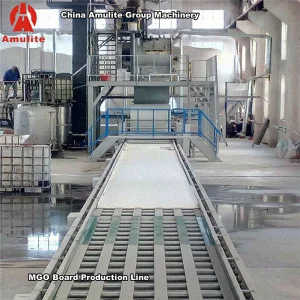
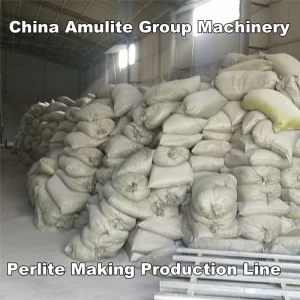
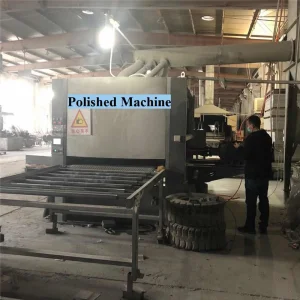
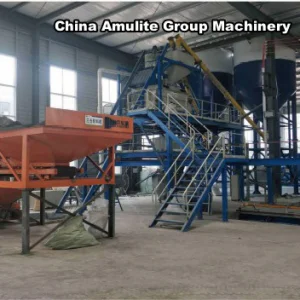
Explore engineered equipment lines manufactured for maximum throughput, low energy consumption, and high structural precision.
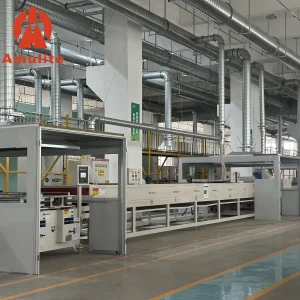
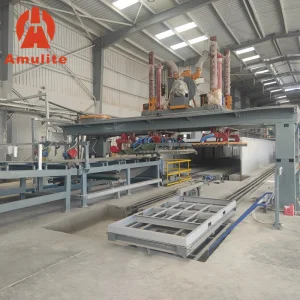
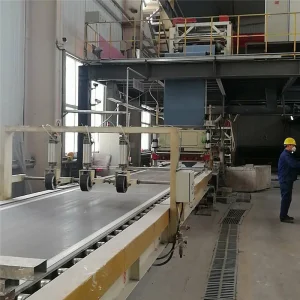
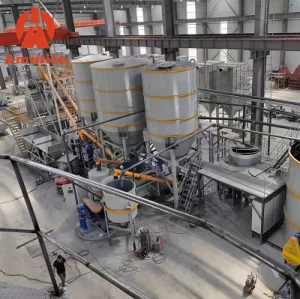
A comprehensive evaluation framework for global developers, EPC contractors, and precast concrete plant operators seeking high-gain automation.
The global construction sector is undergoing a profound structural pivot toward industrialized building systems (IBS), off-site modular construction, and accelerated prefabrication. At the core of this transformation is the advanced concrete walls panel machine. Sourcing state-of-the-art machinery from qualified manufacturers and specialized factories is no longer merely a Capital Expenditure (CAPEX) decision; it is a foundational strategic pivot that governs operational efficiency, material yield, raw material adaptability, and long-term carbon compliance.
Modern concrete wall panel machinery must accommodate diverse formulation inputs, ranging from traditional Portland cement, silica sand, and coarse aggregates to lightweight additives like Expanded Polystyrene (EPS) beads, expanded perlite, fly ash, and slag. As global green building standards (such as LEED and BREEAM) tighten, global procurement managers must evaluate factories based on mechanical engineering precision, PLC/SCADA automation levels, thermal curing efficiency, and lifecycle technical support.
Key Strategic Takeaway: Transitioning from traditional on-site masonry to automated precast and EPS cement panel lines reduces project construction timelines by up to 60%, cuts structural dead weight by 40%, and reduces labor costs on-site by over 70%.
Comparing core concrete wall panel equipment categories based on density, structural performance, and optimal application scenarios.
| Panel Machinery Type | Core Ingredients / Fillers | Density Range (kg/m³) | Flexural / Compressive Strength | Primary Localized Application |
|---|---|---|---|---|
| EPS Sandwich Cement Panel Line | OPC Cement, EPS Beads, Sand, Fiber Cement Skins | 550 – 800 kg/m³ | 3.5 – 7.5 MPa | High-rise interior partition walls, fast-track residential villas |
| Hollow Core Concrete Wall Machine | Heavy Concrete, Aggregates, Pre-stressed Wire | 1200 – 2000 kg/m³ | 15 – 35 MPa | Commercial exterior boundary walls, structural load-bearing panels |
| Autoclaved Aerated Concrete (AAC) Line | Silica Sand/Fly Ash, Lime, Cement, Aluminum Powder | 400 – 650 kg/m³ | 3.2 – 5.0 MPa | Thermal insulation perimeter walls, fire-rated curtain wall infills |
| Fiber Cement / Calcium Silicate Line | Cellulose Pulp, Quartz Sand, Cement, Hydrated Lime | 1200 – 1600 kg/m³ | 9 – 16 MPa (Hatschek) | A1 fireproof ceilings, exterior cladding backer boards, wet-area walls |
Detailed breakdown of technological consolidation, supply chain depth, and cost-to-performance optimization offered by Chinese industrial suppliers.
Chinese OEM machinery manufacturers leverage dense industrial clusters in regions such as Hebei and Jiangsu. From heavy CNC gantry machining to specialized pressure vessel fabrication (autoclaves), every sub-component is built under rigorous QA standards, reducing procurement lead times by up to 45% compared to Western manufacturers.
Modern Chinese concrete wall panel factories integrate international electrical componentry (Siemens PLC, Schneider controls, Omron sensors) into custom SCADA systems. This enables automated batching, real-time slurry density adjustment, dynamic thickness monitoring, and cloud-based predictive maintenance diagnostics.
Unlike rigid European equipment platforms, Chinese wall panel machine engineering teams excel at tailoring equipment around local raw materials. Whether your site relies on local Pozzolanic cement, industrial waste fly ash, or recycled aggregates, machines are calibrated to ensure target compressive and tensile strengths.
Key technology vectors driving innovation in machinery design, energy management, and sustainable building panel production.
Modern machinery lines are incorporating specialized chemical dosing units capable of generating micro-cellular voids without sacrificing edge structural integrity. This reduces cement consumption while maximizing acoustic insulation ratings (R-value compliance).
Factories are increasingly adopting hydraulic vertical opening mould cars equipped with automatic core-pulling pins. This innovation drastically reduces plant footprint requirements while achieving dual-side smooth finish surfaces ready for direct painting.
To eliminate manual labor risks and panel breakage, state-of-the-art factories are integrating automated vacuum suction stackers alongside multi-axis edge milling machines for precise tongue-and-groove joint profile routing.
How wall panel machinery outputs solve localized structural and environmental challenges globally.
In regions prone to seismic activity (e.g., Southeast Asia, Latin America), lightweight EPS concrete sandwich panels manufactured by automated lines offer superior flexible shear strength. The interlocking tongue-and-groove joint design absorbs vibration and prevents catastrophic structural collapses compared to brittle masonry brickwork.
Precast fiber cement and calcium silicate panels engineered via Hatschek water-curing processes exhibit minimal volumetric expansion and zero rot when exposed to coastal moisture, hot-humid climates, or tropical downpours. Ideal for exterior envelope cladding in maritime zones.
Metropolitan commercial developments require strict acoustic isolation (STC ratings > 45dB) and 2-to-4-hour fire ratings. Lightweight hollow-core and EPS sandwich wall panels provide thin-profile, space-saving interior partitions that maximize net usable floor area while passing stringent municipal building codes.
Follow this verified technical verification matrix when issuing RFQs to potential OEM machinery suppliers.
Direct answers from our senior mechanical and process engineering team on capacity, installation, and formulation optimization.
Browse our extended catalog of advanced board machinery, recycling solutions, and auxiliary finishing plants.